
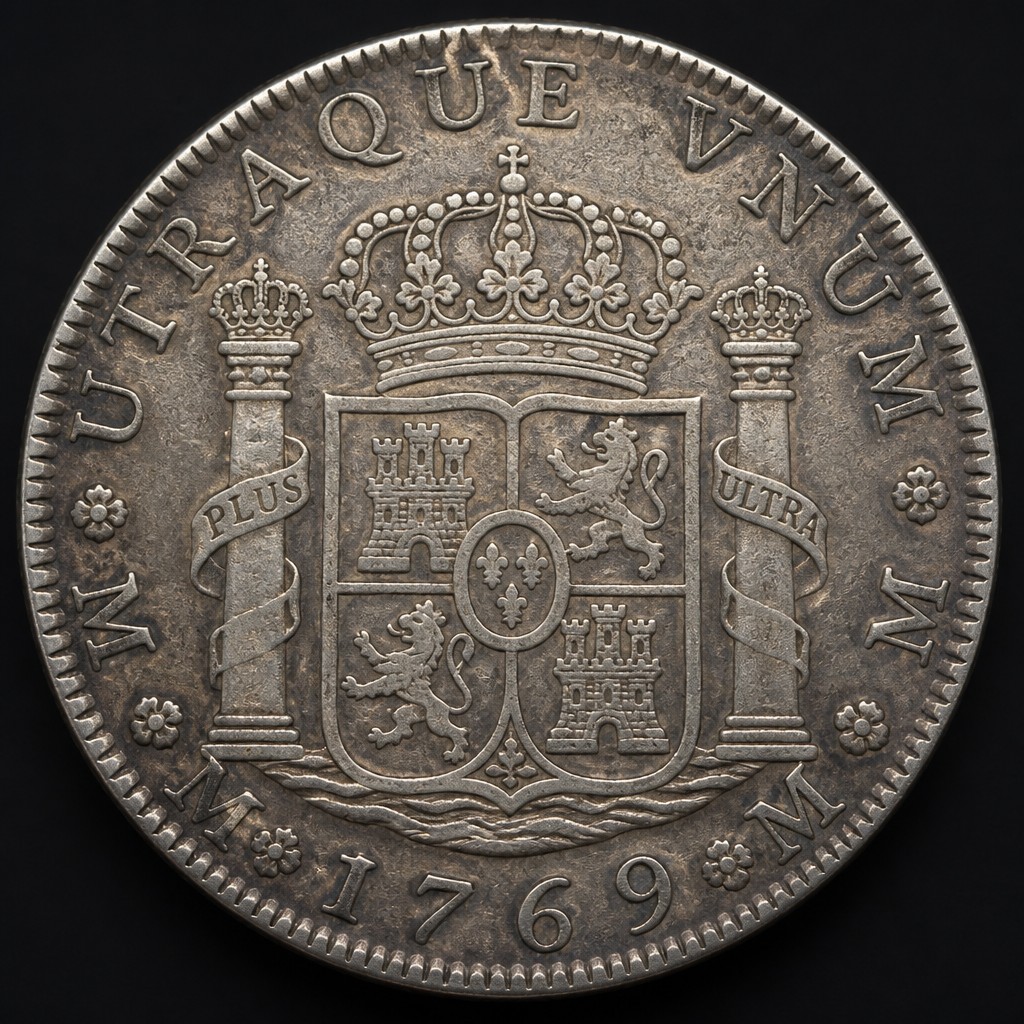
Guatemala 8 Reales
A silver piece of eight struck at the Guatemala City mint, first under Spanish colonial rule and later continued through the Central American Federation and independent Guatemala.
- Country
- Guatemala (Spanish colonial / Central American Republic)
- Denomination
- 8 Reales
- Metal
- Silver, approximately .896–.903 fine (colonial standard, varying in later republican issues)
Got a coin like this?
Identify any coin from a photo, free.
Overview
The Guatemala City mint was a major producer of 8 reales silver coinage throughout the Spanish colonial period, serving the Kingdom of Guatemala, which then encompassed much of Central America. These coins circulated widely as trusted trade silver both regionally and internationally.
After Central American independence in 1821, the mint continued striking 8 reales coinage, first for the short-lived Federal Republic of Central America and later for the independent Republic of Guatemala, with designs evolving to feature emblematic Central American imagery such as volcanoes and the ceiba tree before Guatemala eventually reformed its currency around the peso.
History & Background
Under Spanish rule, the Guatemala City mint (using mint marks such as NG or G) struck 8 reales bearing the portraits of reigning Spanish monarchs, supplying silver coinage for the entire Captaincy General of Guatemala, a region covering much of modern Central America. This made Guatemalan colonial 8 reales an important and widely circulated silver coin far beyond its immediate borders.
Following independence in 1821 and the brief existence of the Federal Republic of Central America, Guatemala continued producing 8 reales coinage featuring distinctly Central American symbolism, including a design showing five volcanoes representing the federated states, or a ceiba tree associated with the region. As Guatemala evolved into its own separate republic, this coinage continued in various forms until a currency reform in the late 19th century modernized the country's monetary system.
How to Identify
Colonial-era coins feature the bust of the reigning Spanish monarch on the obverse and the Spanish crowned arms with the Pillars of Hercules on the reverse, alongside the Guatemala City mint mark and assayer initials. Central American Federation and early Guatemalan republic issues instead show a triangle with five volcanoes (representing the federated Central American states) or other republican emblems, with legends referencing the federation or the Guatemalan state.
The coin follows the standard 8 reales weight and size, roughly 39 mm in diameter and about 27 grams of silver, matching other Spanish colonial and early Latin American 8 reales issues, which allows for useful size and weight comparisons when attempting to confirm authenticity.
Because the design changed substantially between the colonial, federal, and independent Guatemalan periods, the specific imagery and legend are the clearest way to place a given coin within its correct historical phase, alongside careful reading of the date and mint mark.
Value & Collectibility
Colonial-era Guatemala 8 reales in worn condition are generally accessible to collectors, with prices rising for well-struck examples, particular monarchs, or scarce dates, while the Central American Federation volcano-design issues are often especially sought after due to their unique regional imagery and historical significance.
As with most Spanish colonial and early Latin American silver, strike quality, full legends, and overall preservation are the key value drivers, with pieces bearing clear dates and crisp design elements commanding meaningfully more than heavily worn or poorly struck examples.
Frequently asked questions
What region did the Guatemala mint serve?
During the colonial period it served the entire Captaincy General of Guatemala, covering much of what is now Central America.
What is the volcano design coin?
It refers to 8 reales issues from the Federal Republic of Central America showing five volcanoes representing the federated states, struck after independence.
How does this coin compare in size to a Mexican 8 reales?
It follows the same standard 8 reales weight and diameter used across Spanish colonial Latin America, roughly 27 grams and 39 mm.
When did Guatemala stop using the real-based 8 reales system?
The country moved toward a modernized peso-based currency system in the later 19th century, ending the traditional real denomination.
Other coins you may enjoy
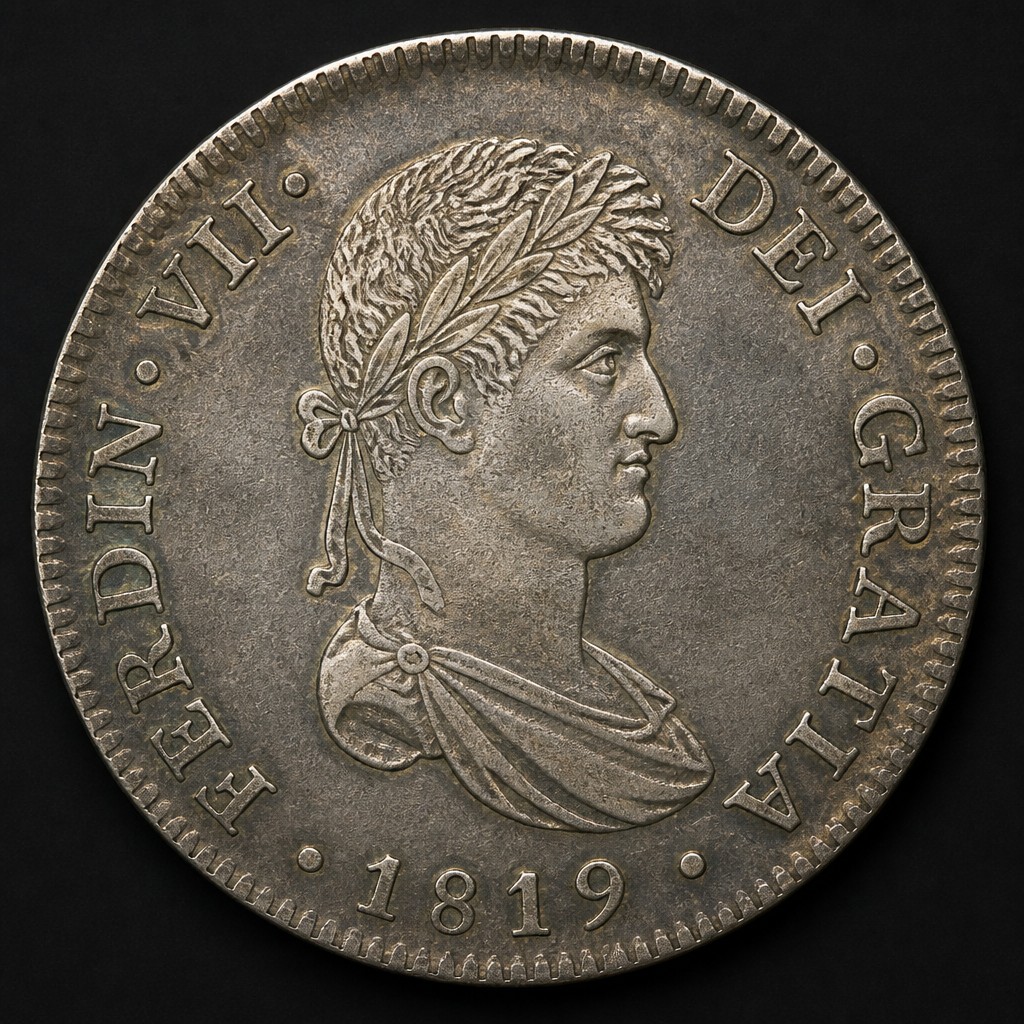
Colombia 8 Reales
Colonial issues through late 18th/early 19th century; republican issues 1820s–1830s
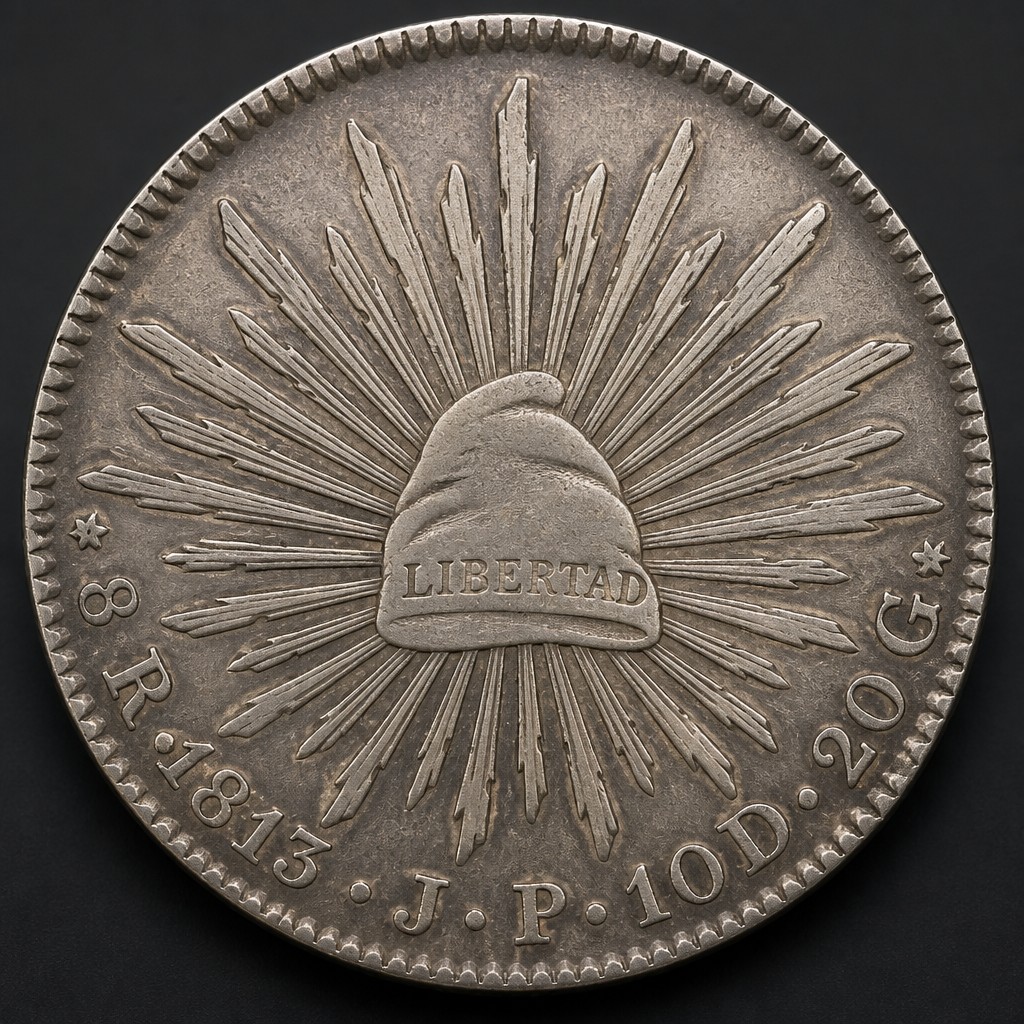
Argentina 8 Reales
c. 1813–1836
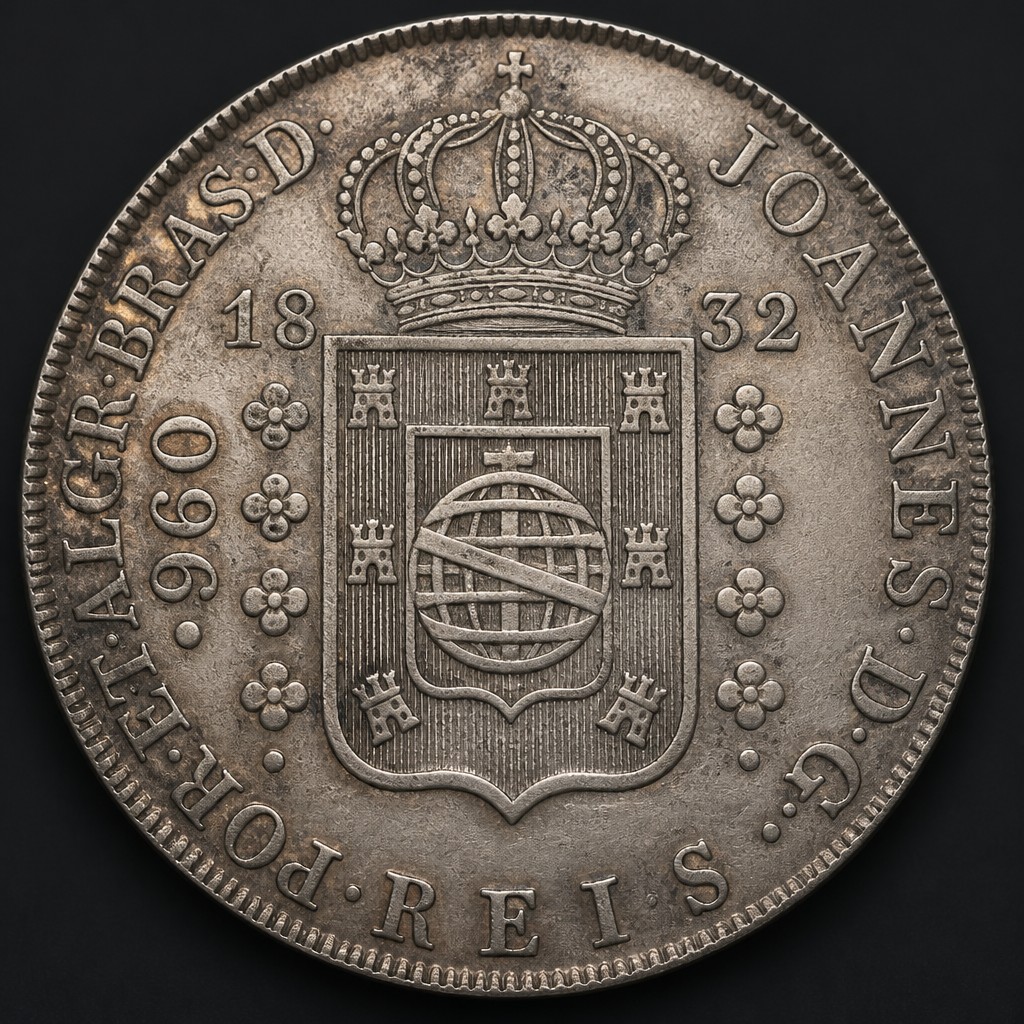
Brazil 960 Reis
1809–1832
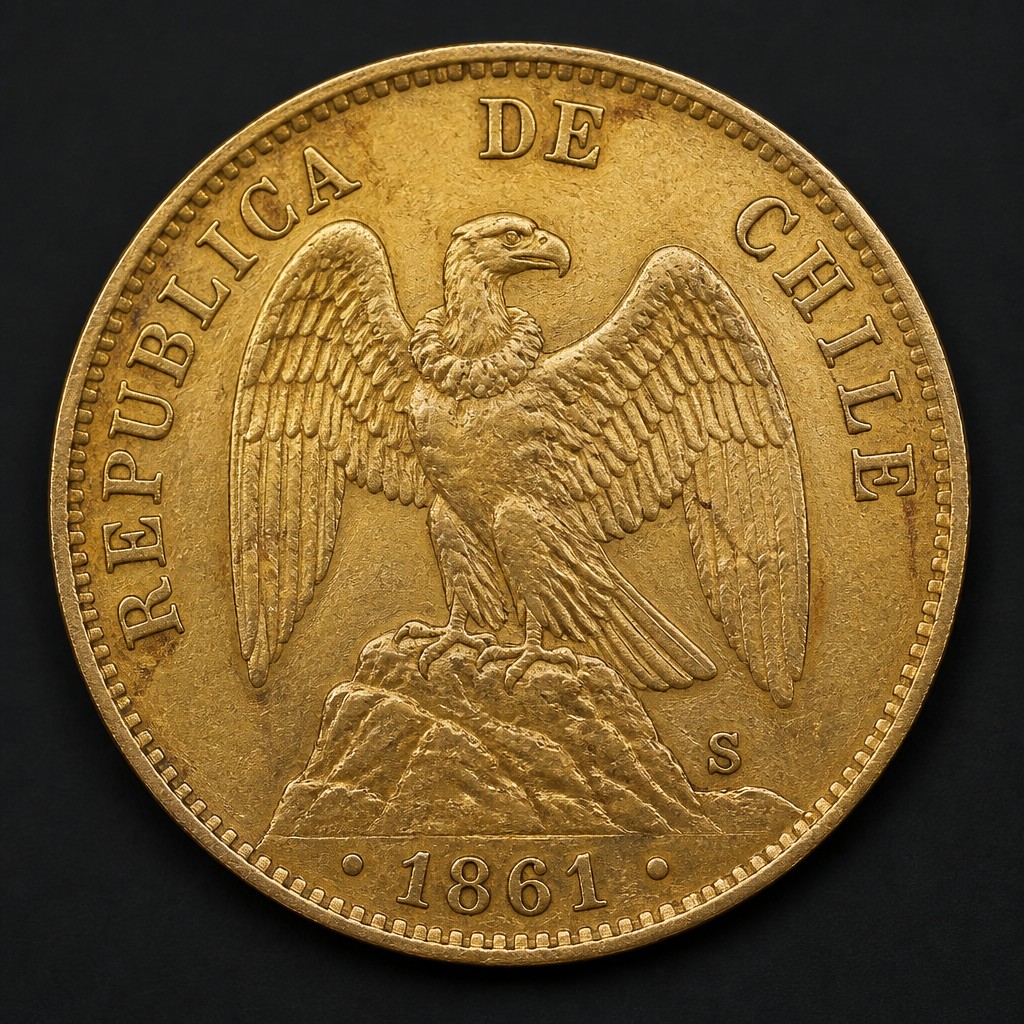
Chile Peso (Condor)
1851–1873 (gold condor series); modern base-metal peso 1990s–present
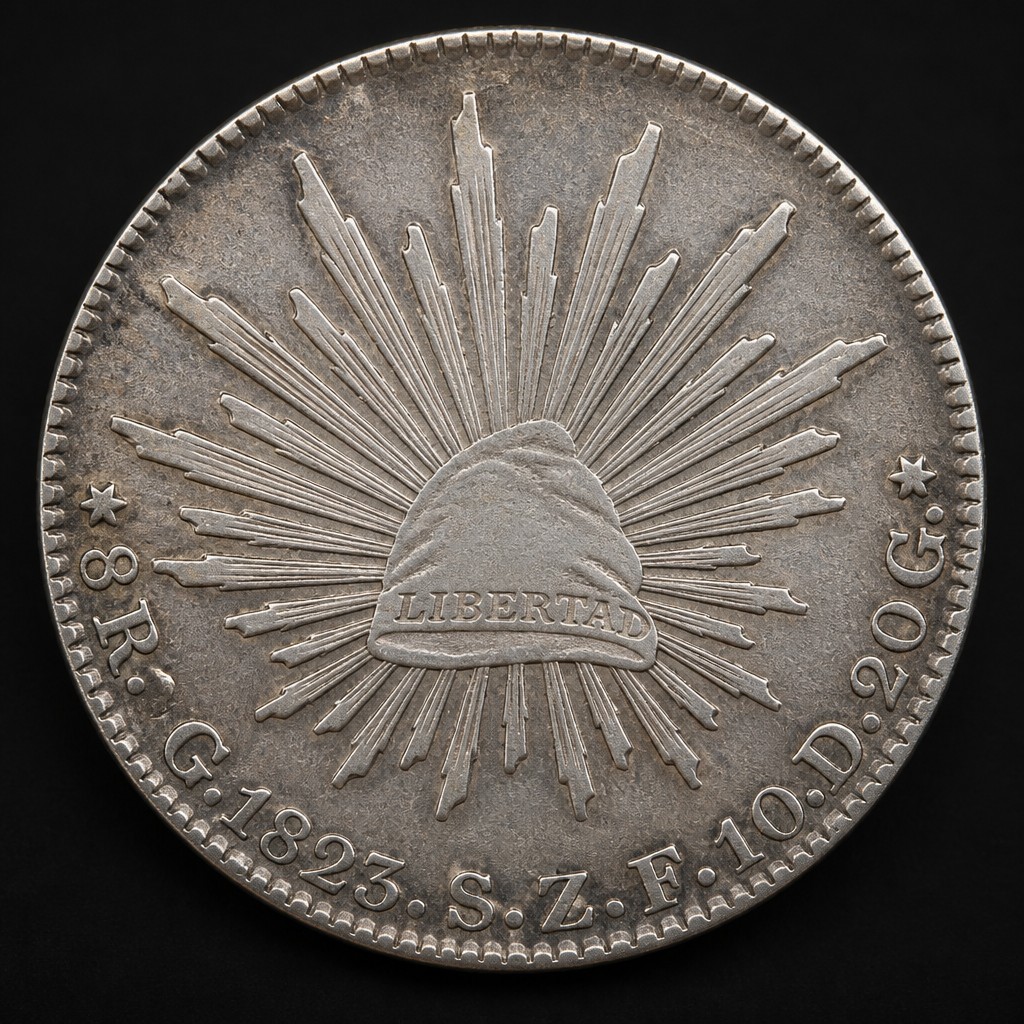
Mexican 8 Reales Cap and Rays
1823-1897
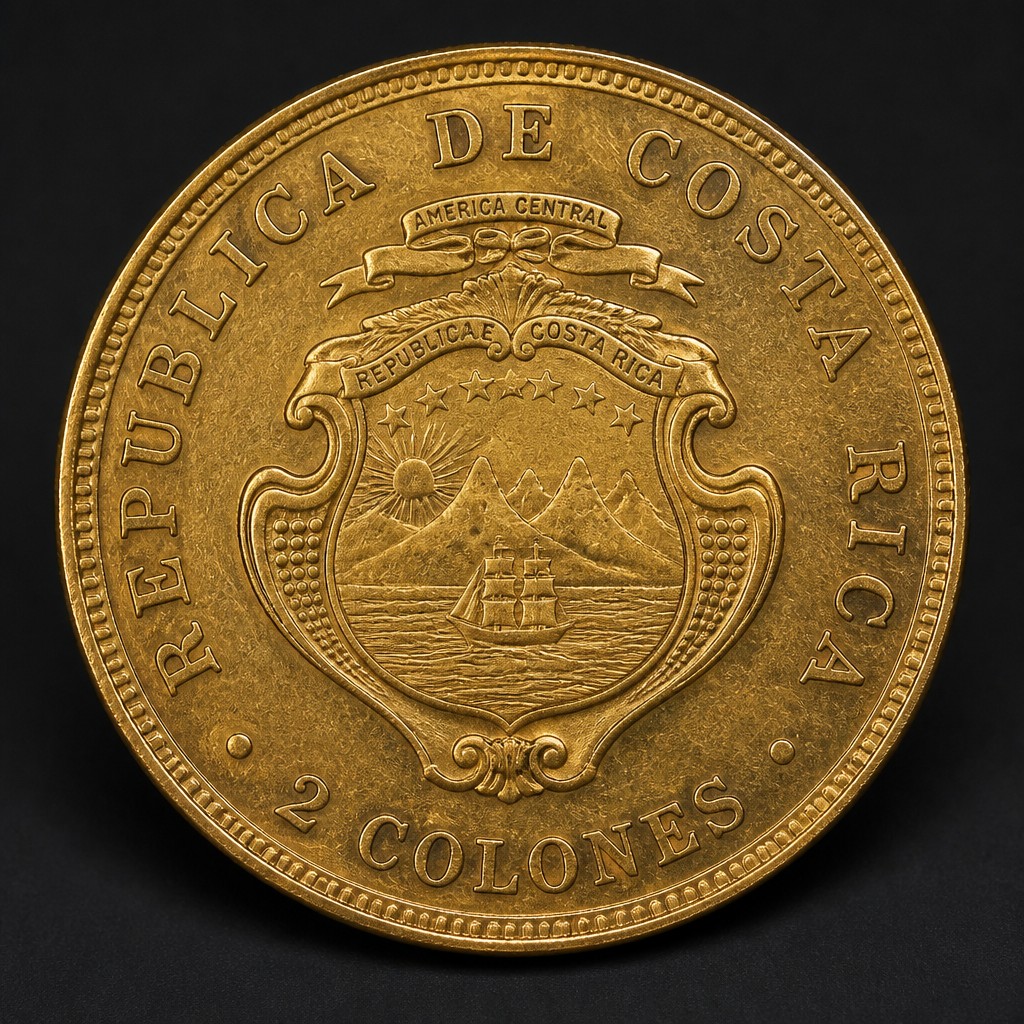
Costa Rica 2 Colones Gold
Late 1890s–early 1900s
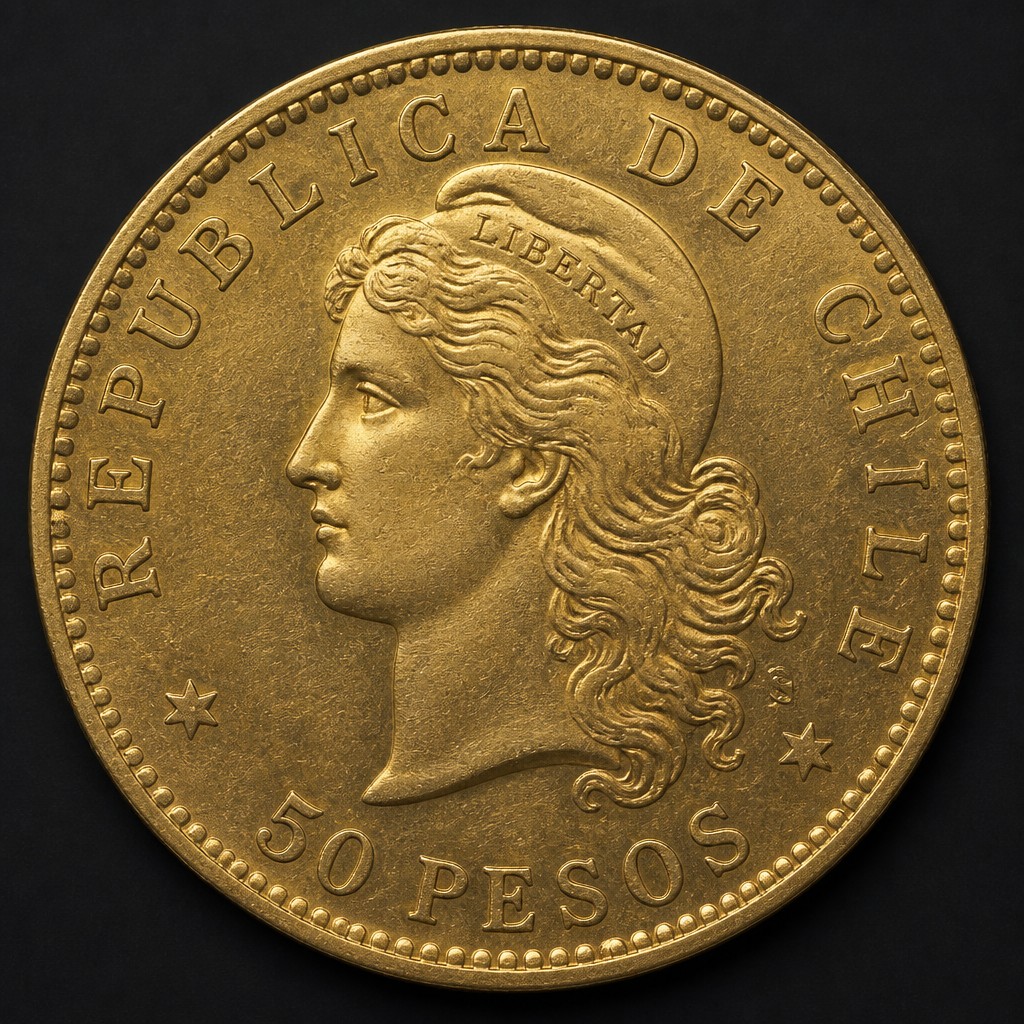
Chilean 50 Pesos Gold
1926–1980 (with interruptions)
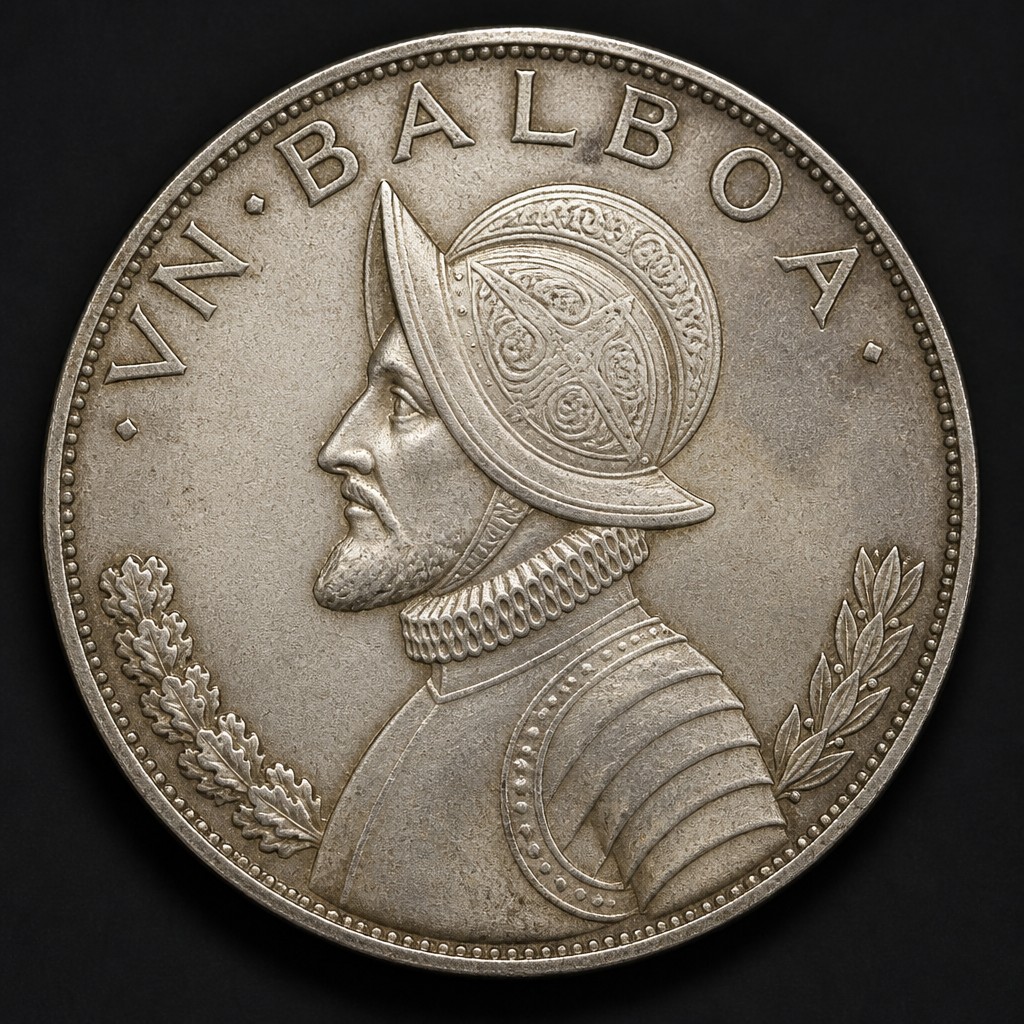
Panama Balboa Silver
1904, 1931, 1934, 1947, 1953, 1966 (various dates)
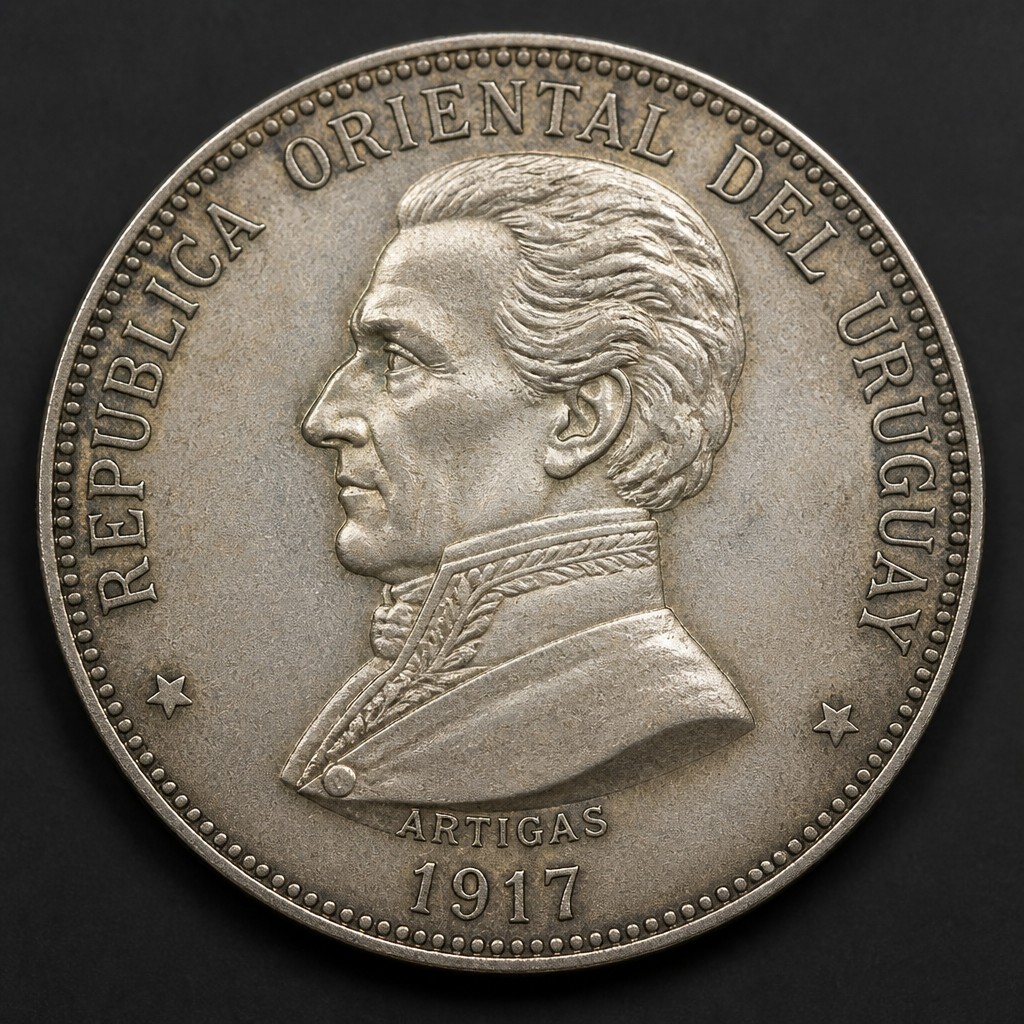
Uruguay Peso Silver 'Artigas'
1917–1920 (with related commemorative issues in later decades)
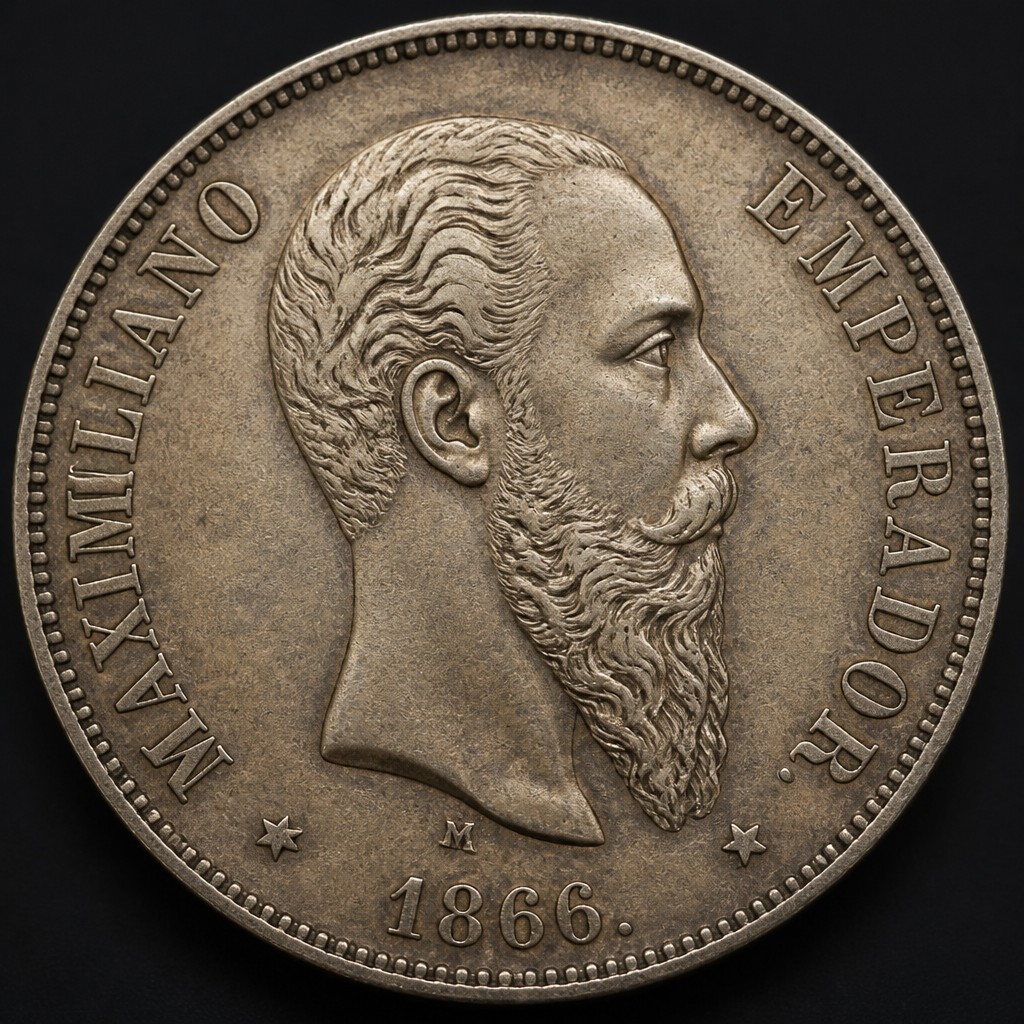
Mexican Emperor Maximilian Peso
1866–1867
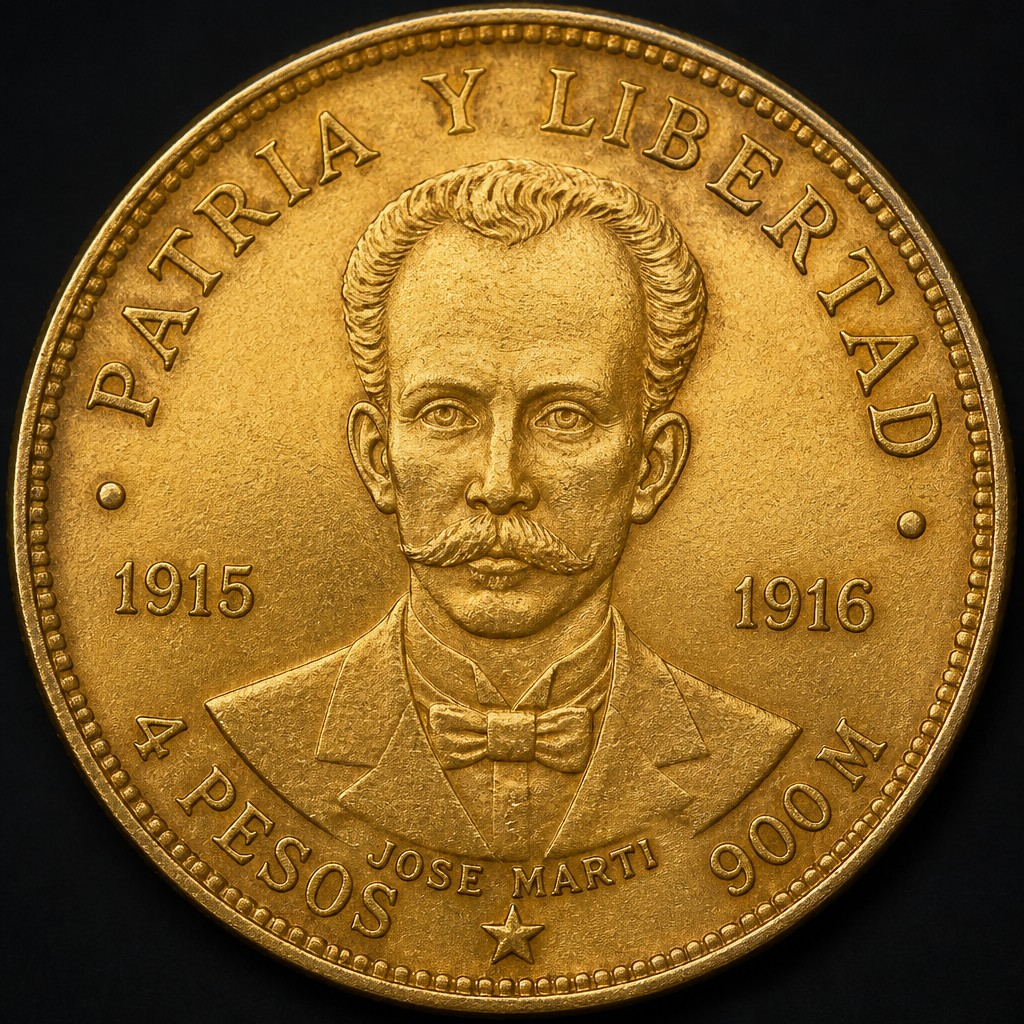
Cuba 4 Pesos Gold Jose Marti
1915–1916
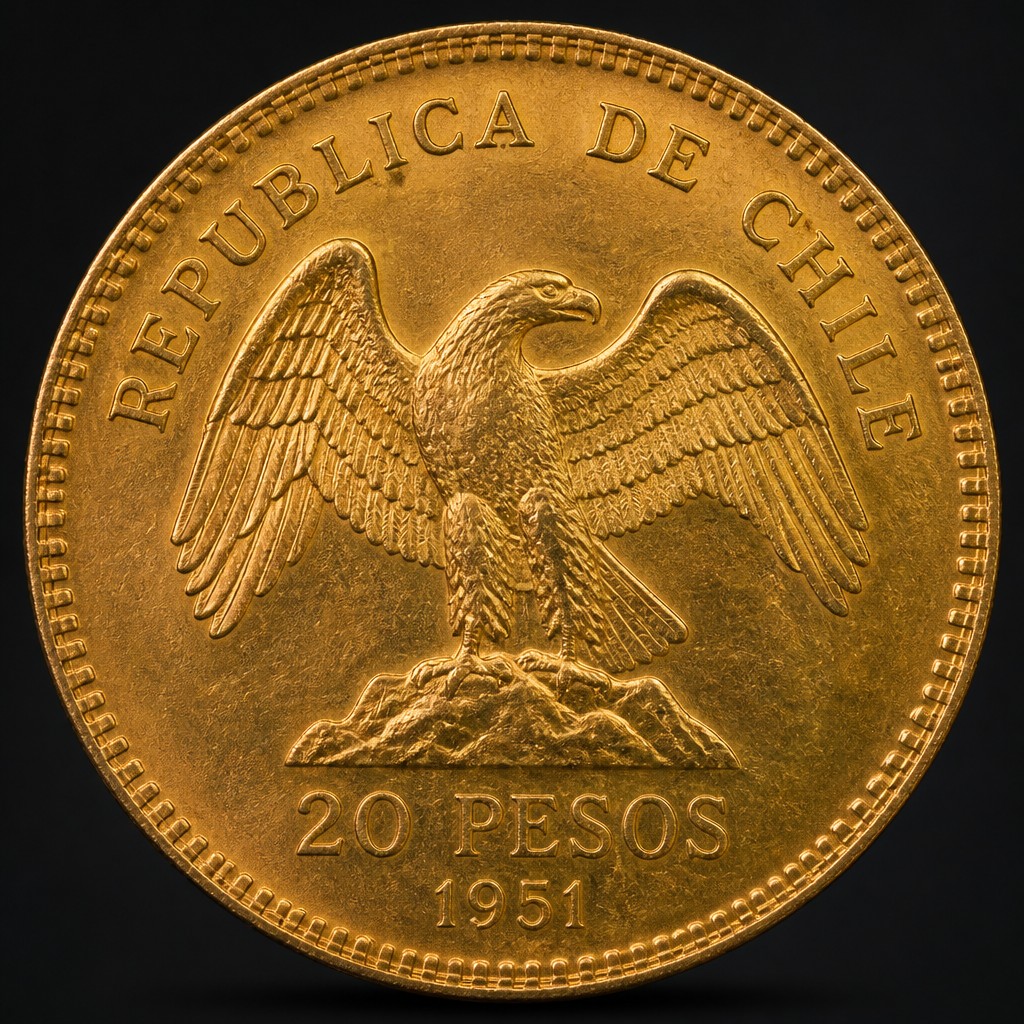
Chilean 20 Pesos Gold
19th century issues and 1926–1980 condor series