
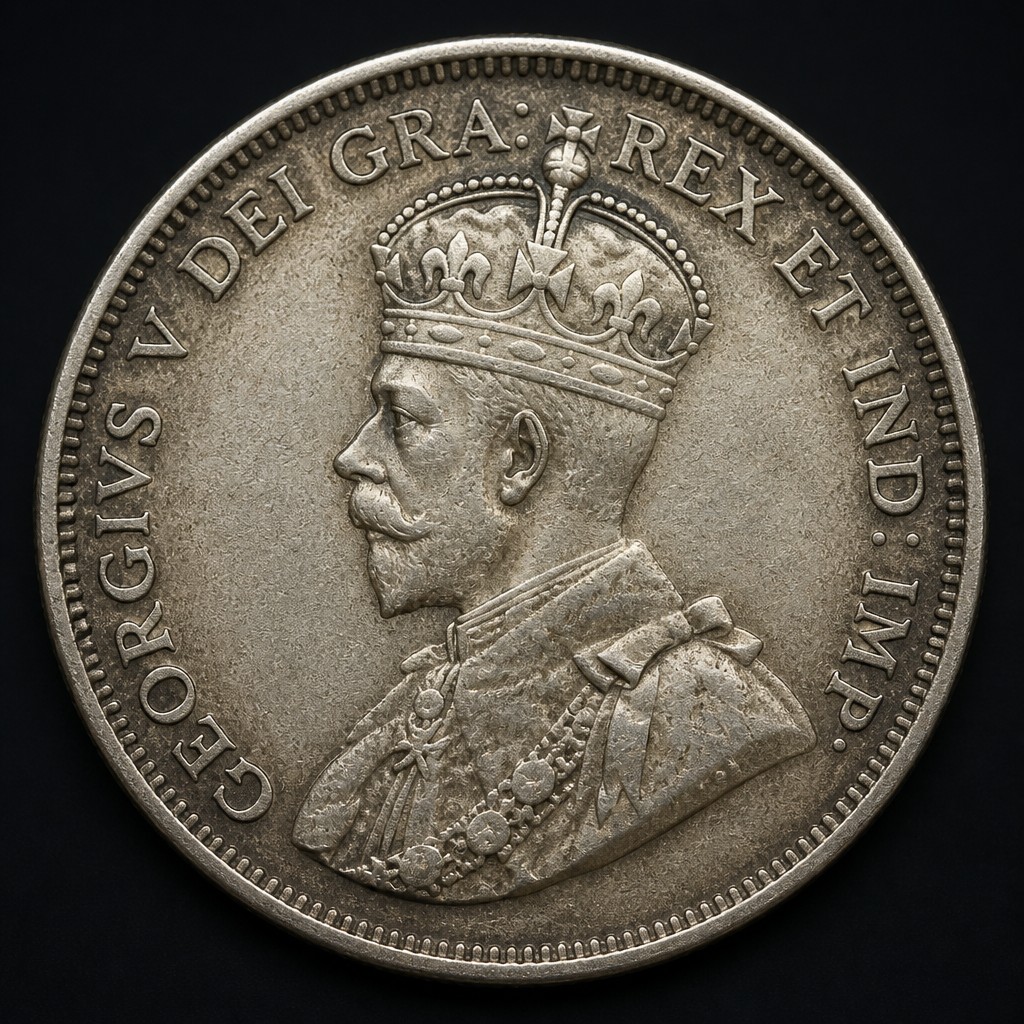
George V Ten Cents
Canada's silver ten-cent coin struck throughout the long reign of King George V, spanning the First World War era through to the mid-1930s.
- Country
- Canada
- Denomination
- Ten Cents
- Metal
- 92.5% / 80% Silver
Got a coin like this?
Identify any coin from a photo, free.
Overview
The George V ten-cent piece covers one of the longer single-reign runs in Canadian coinage, spanning a quarter century that included the First World War, the Roaring Twenties, and the early years of the Great Depression. It represents a substantial and generally collectible portion of pre-Bluenose Canadian dime history.
Collectors value the series for its accessible common dates as well as a small number of scarcer issues and the famous emergency "dot" variety struck at the very end of the reign.
History & Background
Ten-cent coinage continued under King George V starting with coins dated 1911, produced at the Royal Canadian Mint in Ottawa, which had opened just a few years earlier in 1908. The coin's overall design remained close to the format used under previous monarchs, updated only with the new obverse portrait.
During the First World War and its aftermath, Canadian silver coinage fineness was reduced from the earlier sterling standard, with the mint adjusting silver content in 1920 in response to rising bullion prices, a change that affected the ten-cent piece along with other silver denominations.
The series concluded in 1936, the same year King George V died and, notably, the year the famous small-dot emergency variety was struck in early 1937 using leftover 1936 dies while new George VI dies were being prepared following Edward VIII's brief reign and abdication.
How to Identify
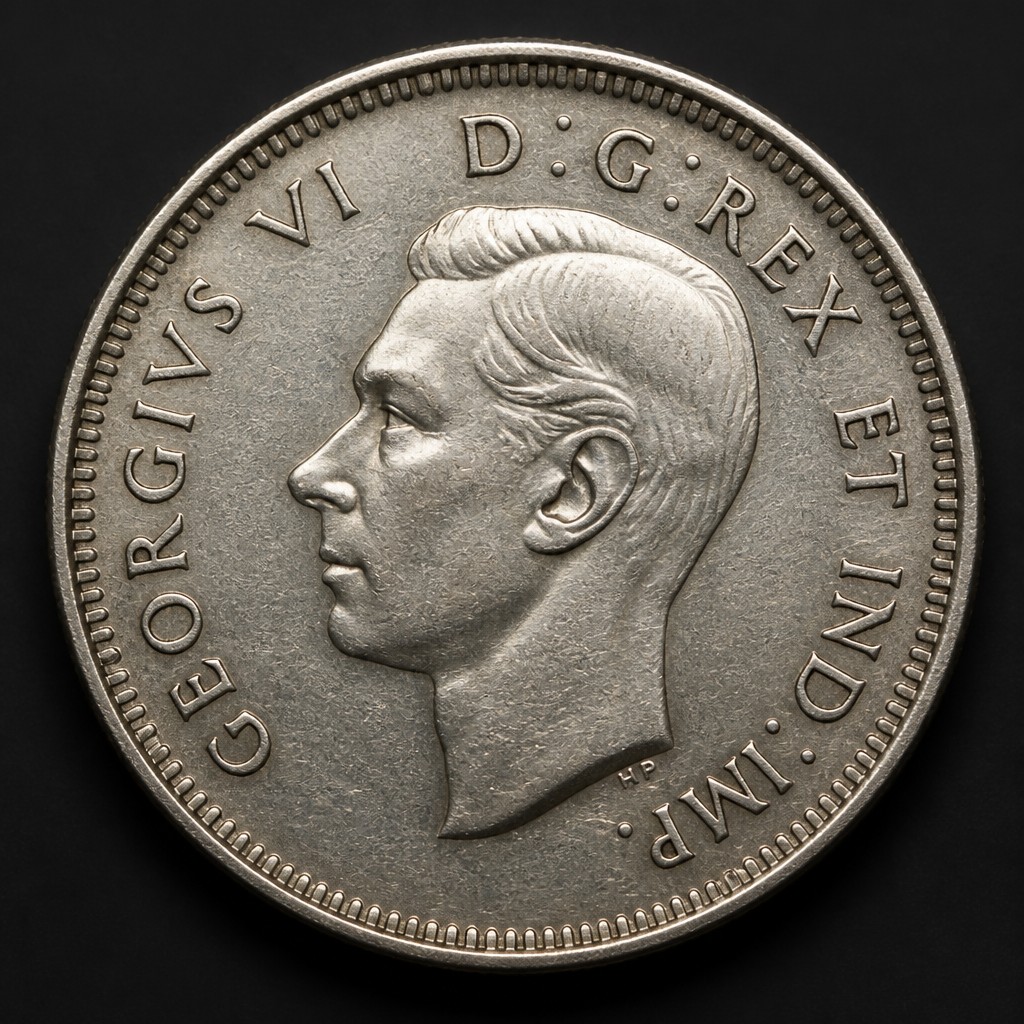
The obverse depicts King George V crowned and facing left, with the legend GEORGIVS V DEI GRA REX ET IND IMP. The reverse shows 10 CENTS within a wreath, with the date below, continuing the design template used since the Victorian era.
The coin remains small and thin, similar in size to earlier Canadian dimes, and its silver fineness changed partway through the series from the earlier sterling standard to a lower fineness beginning in 1920. No routine mint mark is used, as all coinage of this era was produced domestically at Ottawa.
Collectors should be alert to the rare 1936 "dot" variety, identifiable by a tiny raised dot below the date, which is far scarcer than the standard 1936 issue and any other date in the series.
Value & Collectibility
Most dates in this series are common and affordable in circulated condition, making it a practical series for date collectors to assemble. Certain lower-mintage years and high-grade uncirculated examples command stronger premiums, as is typical for early 20th-century Canadian silver.
The standout exception is the 1936 dot variety, a genuine rarity commanding prices far above any ordinary date in the series, reflecting its extremely limited surviving population and important place in Canadian numismatic history.
Frequently asked questions
Did the silver content change during this series?
Yes, Canadian silver coinage fineness was reduced starting in 1920 in response to rising silver prices, affecting the ten-cent piece along with other denominations.
What is the 1936 dot variety?
It is a rare emergency issue struck in early 1937 using leftover 1936 dies, marked with a tiny dot below the date, and it is far scarcer than the regular 1936 ten-cent.
Are most George V dimes valuable?
No, most dates are common and affordable, with value concentrated in a few scarcer dates and the 1936 dot rarity.
Where were these coins struck?
At the Royal Canadian Mint in Ottawa.
What followed the George V ten-cent series?
The Bluenose schooner design ten-cent coin, introduced in 1937 under King George VI.
Other coins you may enjoy
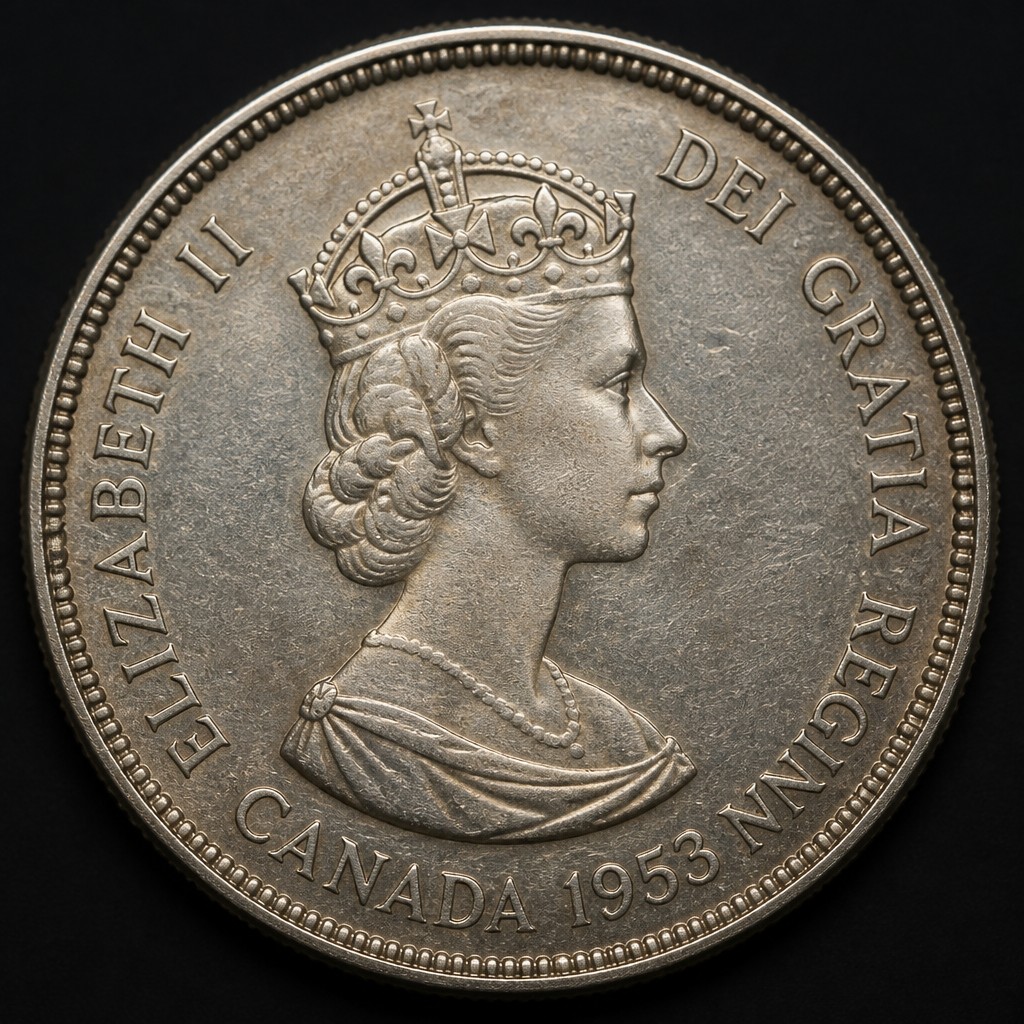
1953 Coronation Voyageur Dollar
1953
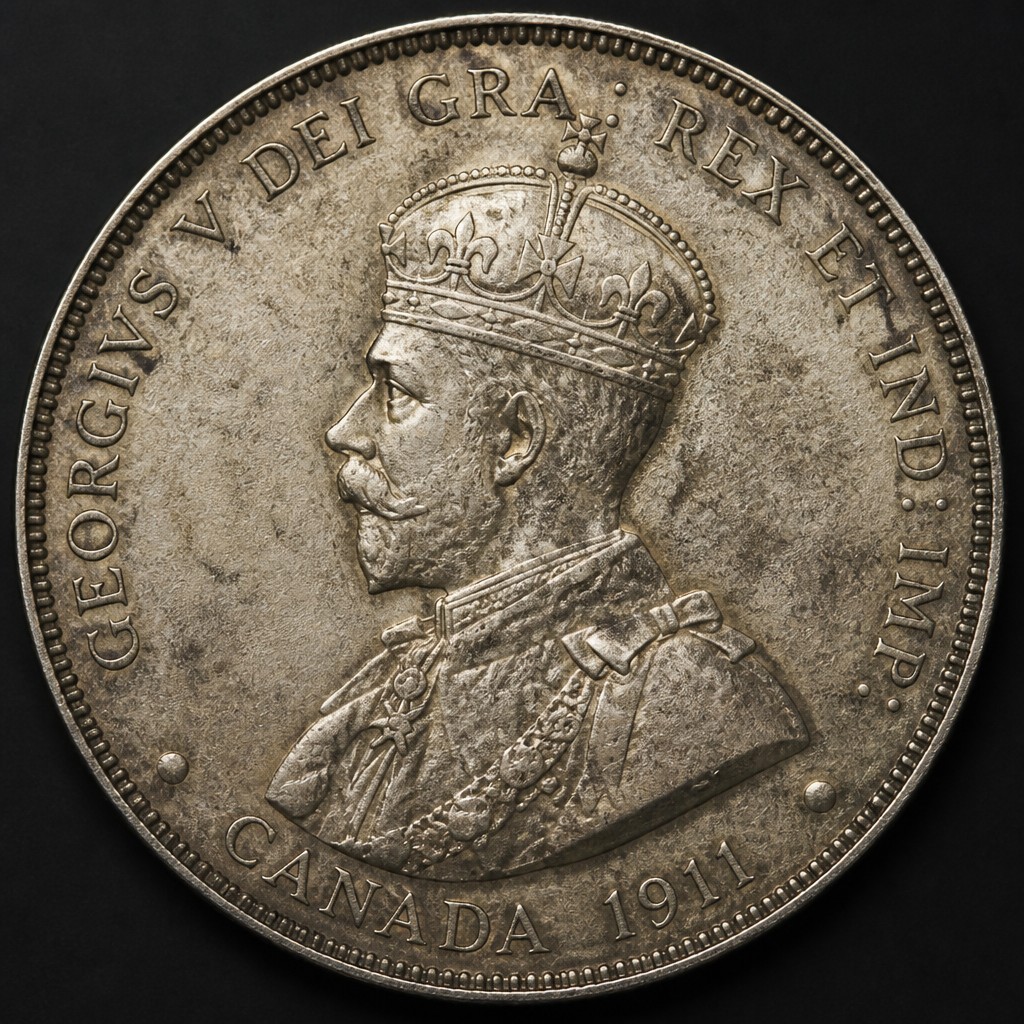
1911 Canadian Silver Dollar (Pattern)
1911
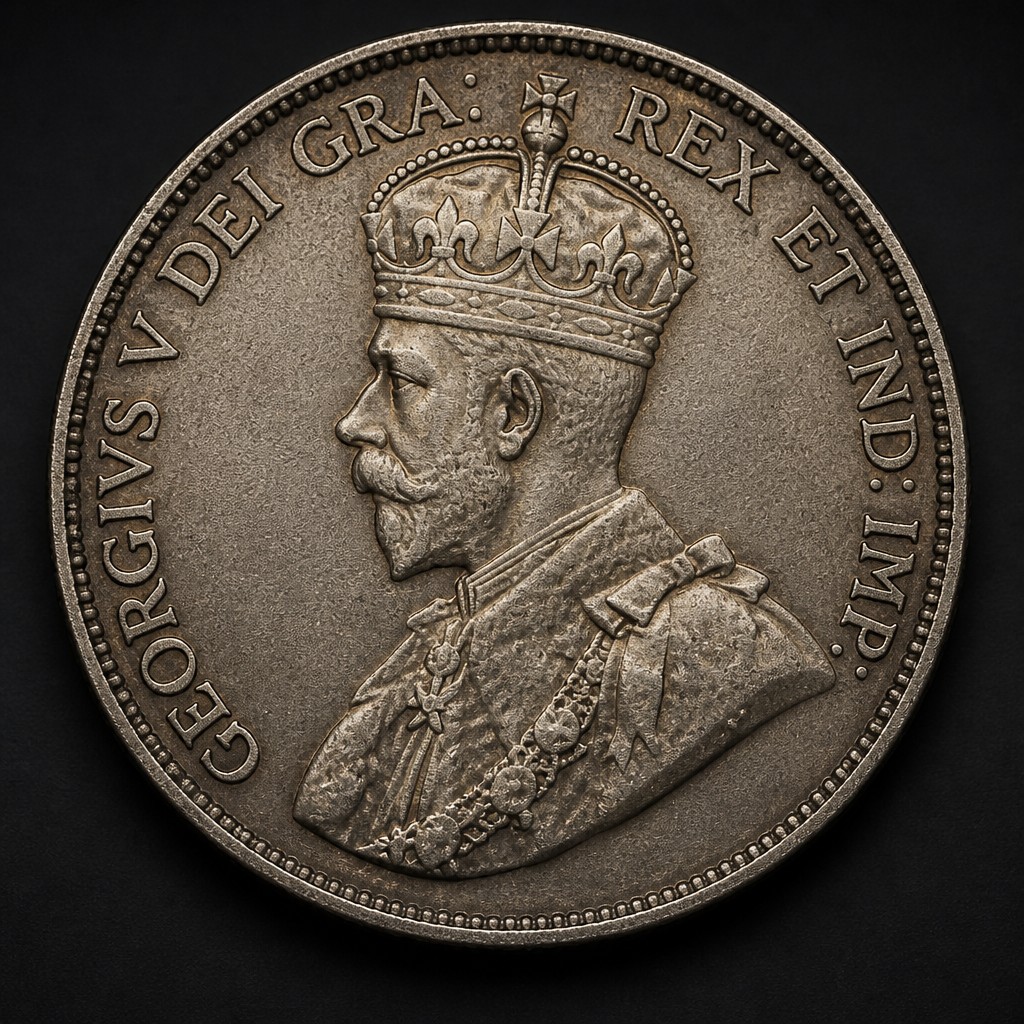
George V Twenty-Five Cents (silver)
1911–1936
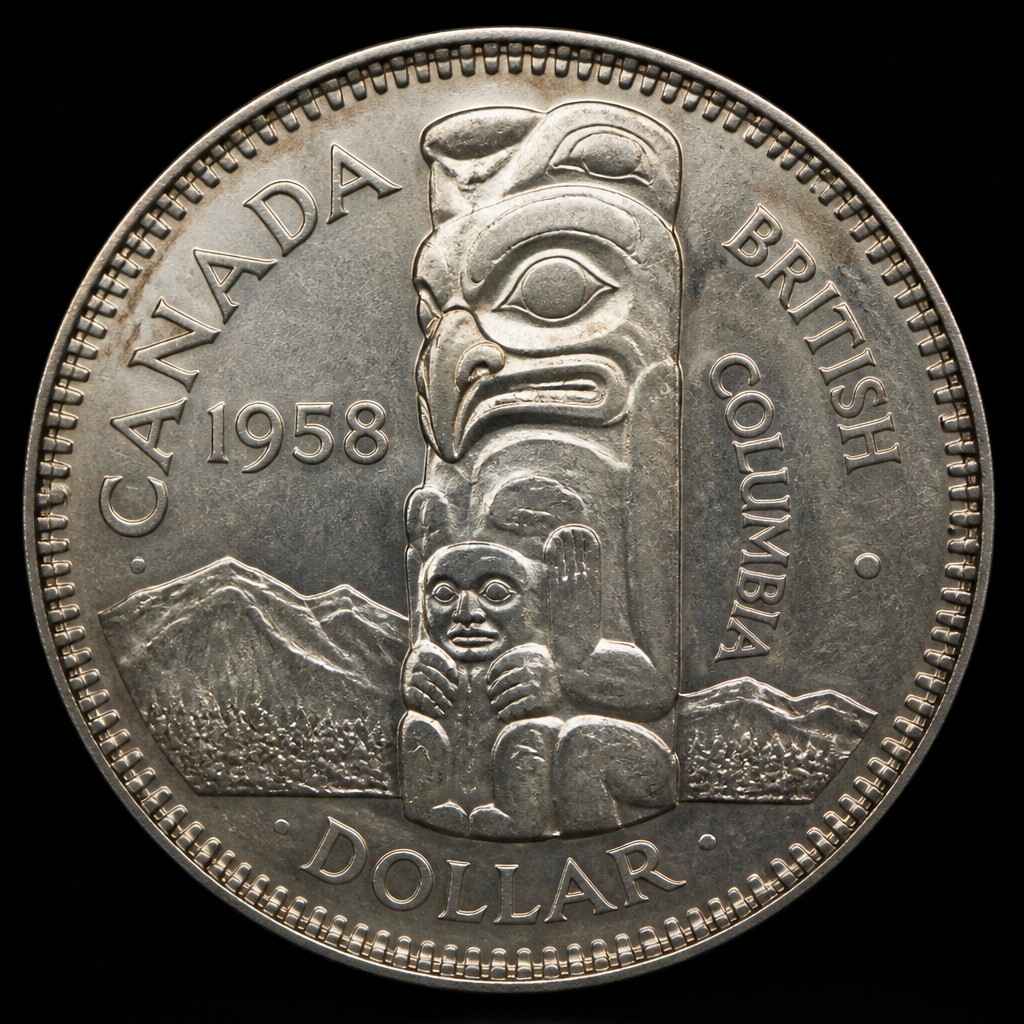
1958 British Columbia Totem Pole Dollar
1958
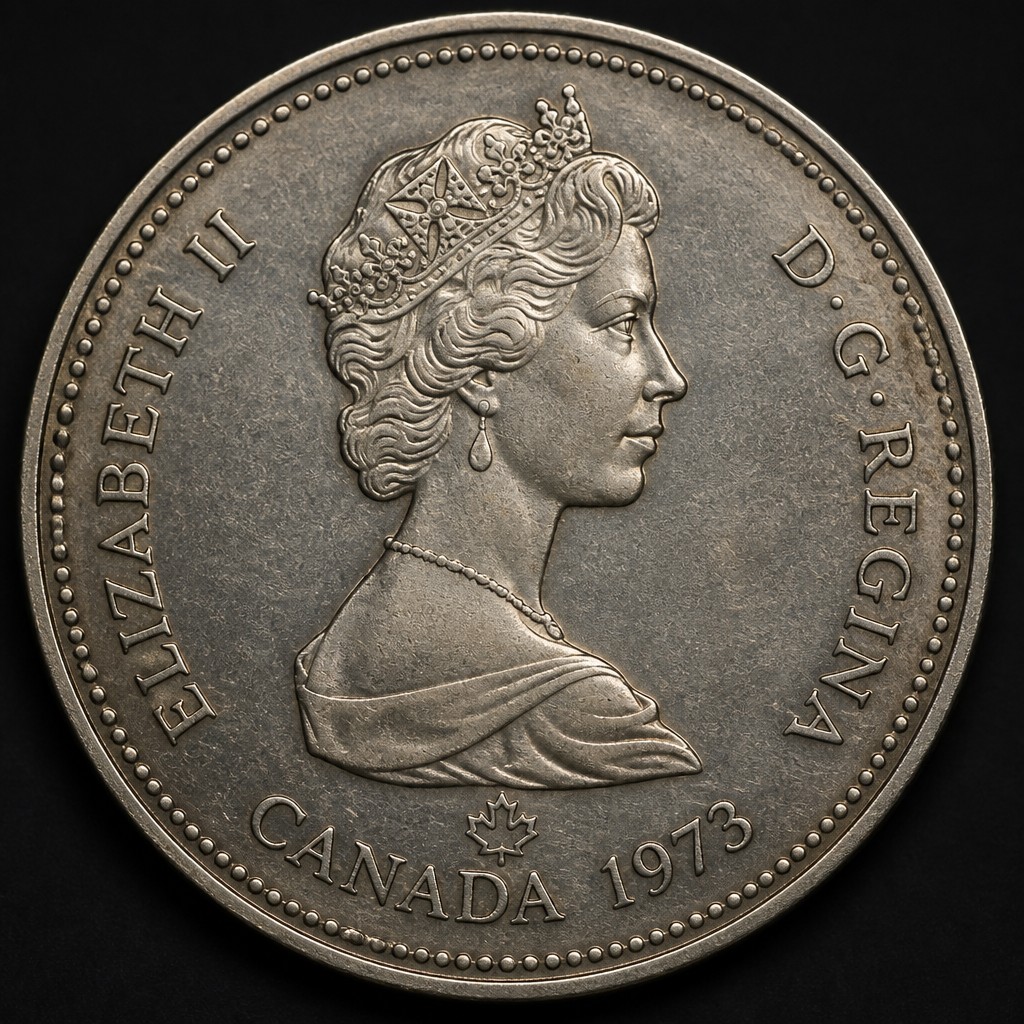
1973 RCMP Centennial Dollar
1973
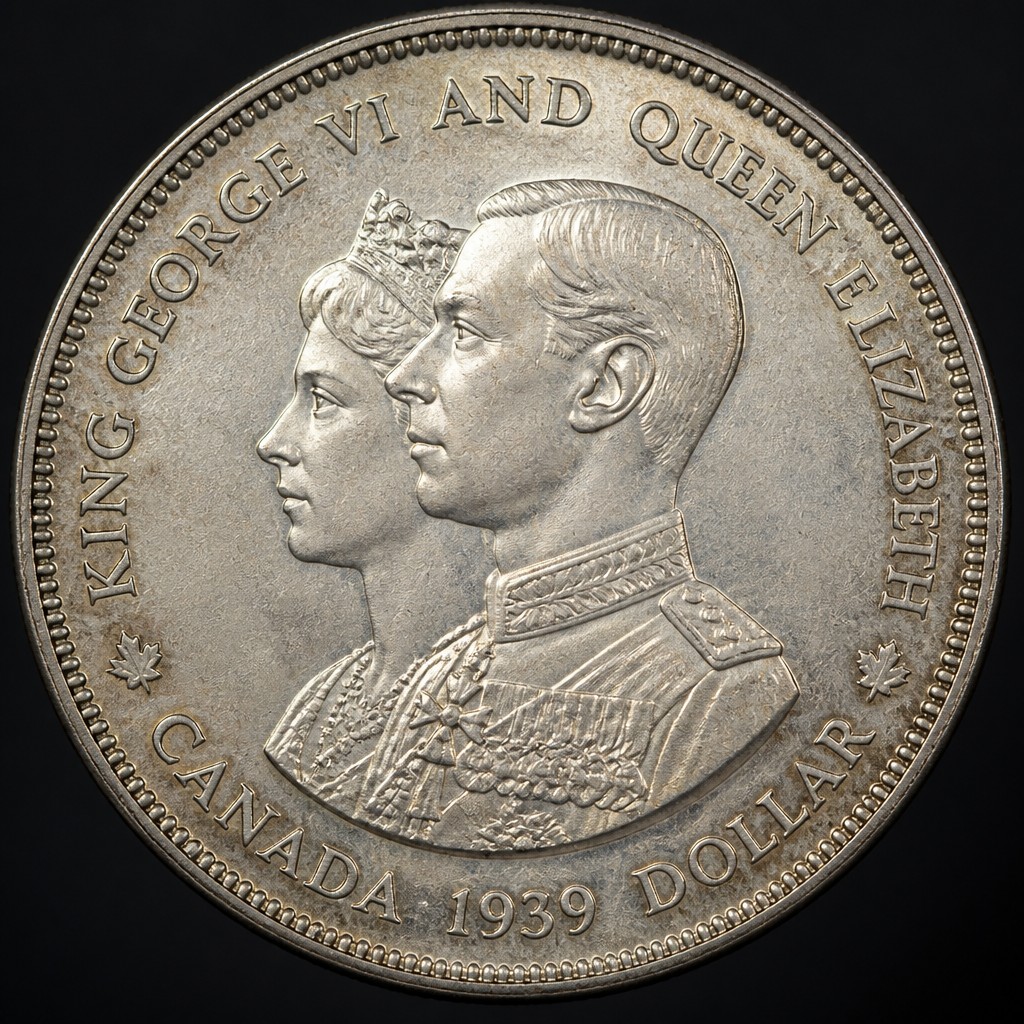
1939 Royal Visit Silver Dollar (Parliament)
1939
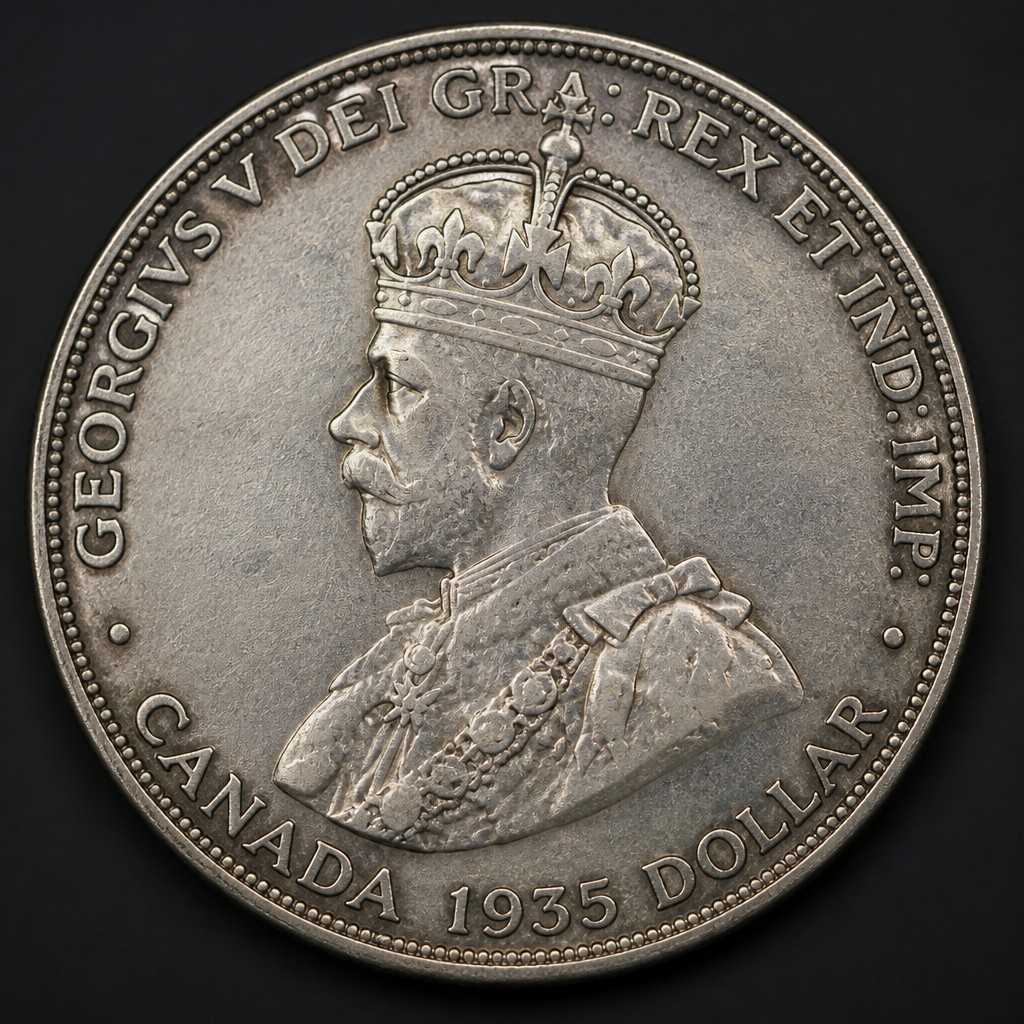
1935 George V Silver Jubilee Dollar (Voyageur)
1935
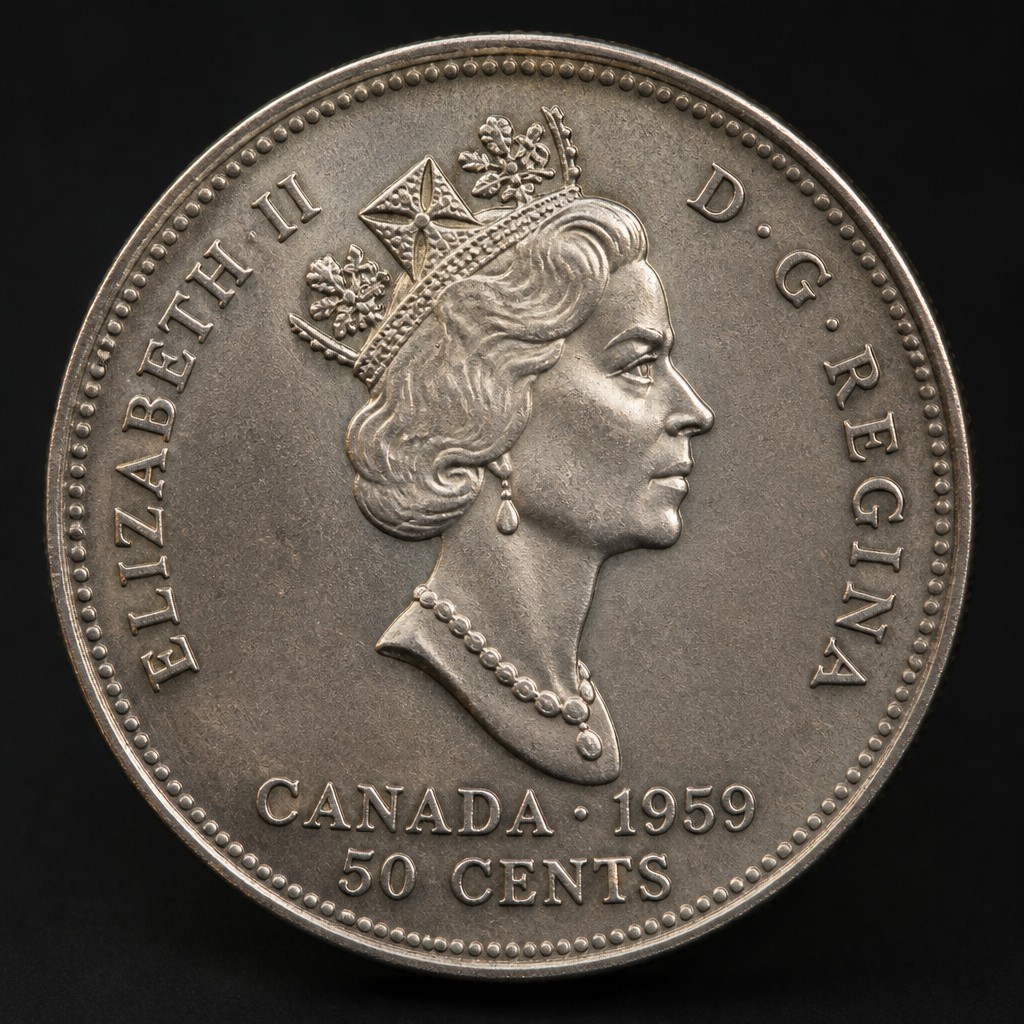
Coat of Arms Fifty Cents (Elizabeth II)
1959–present
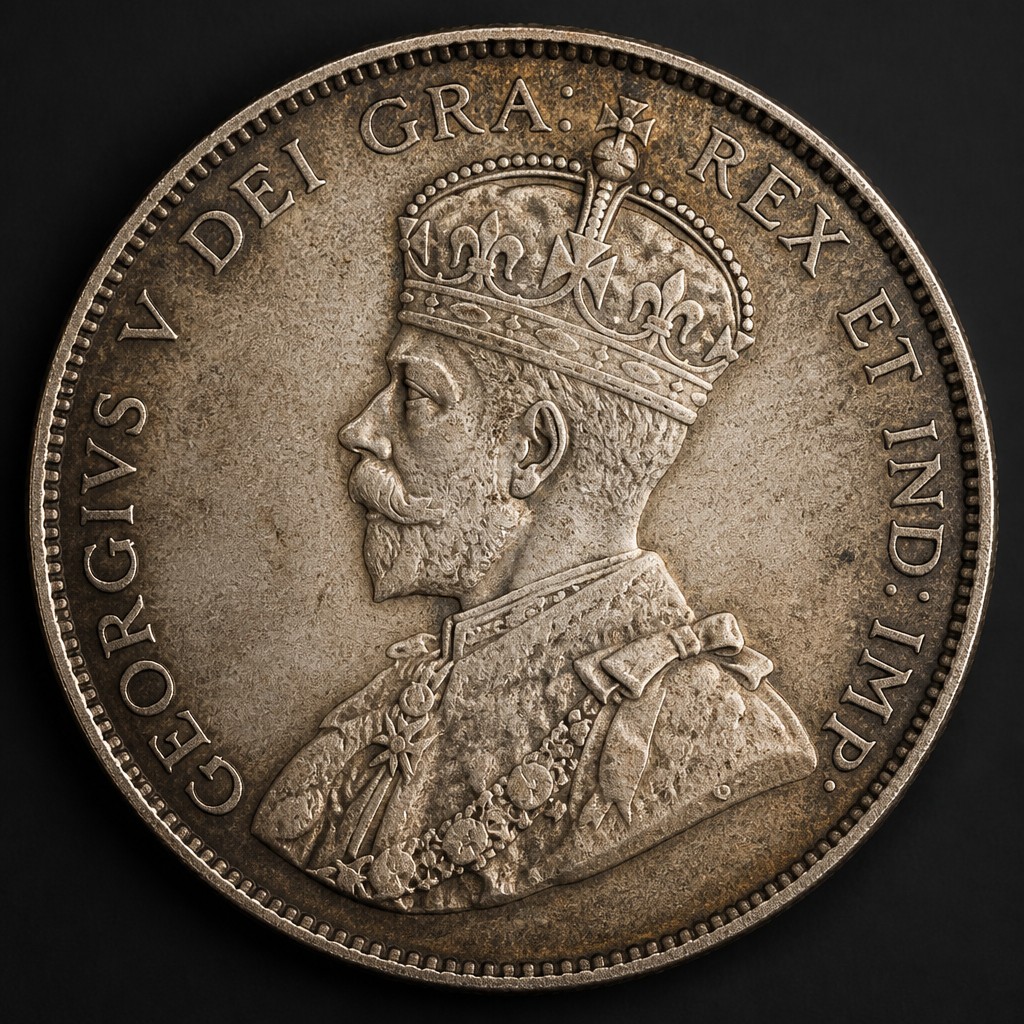
1921 Fifty Cents (King of Canadian Coins)
1921
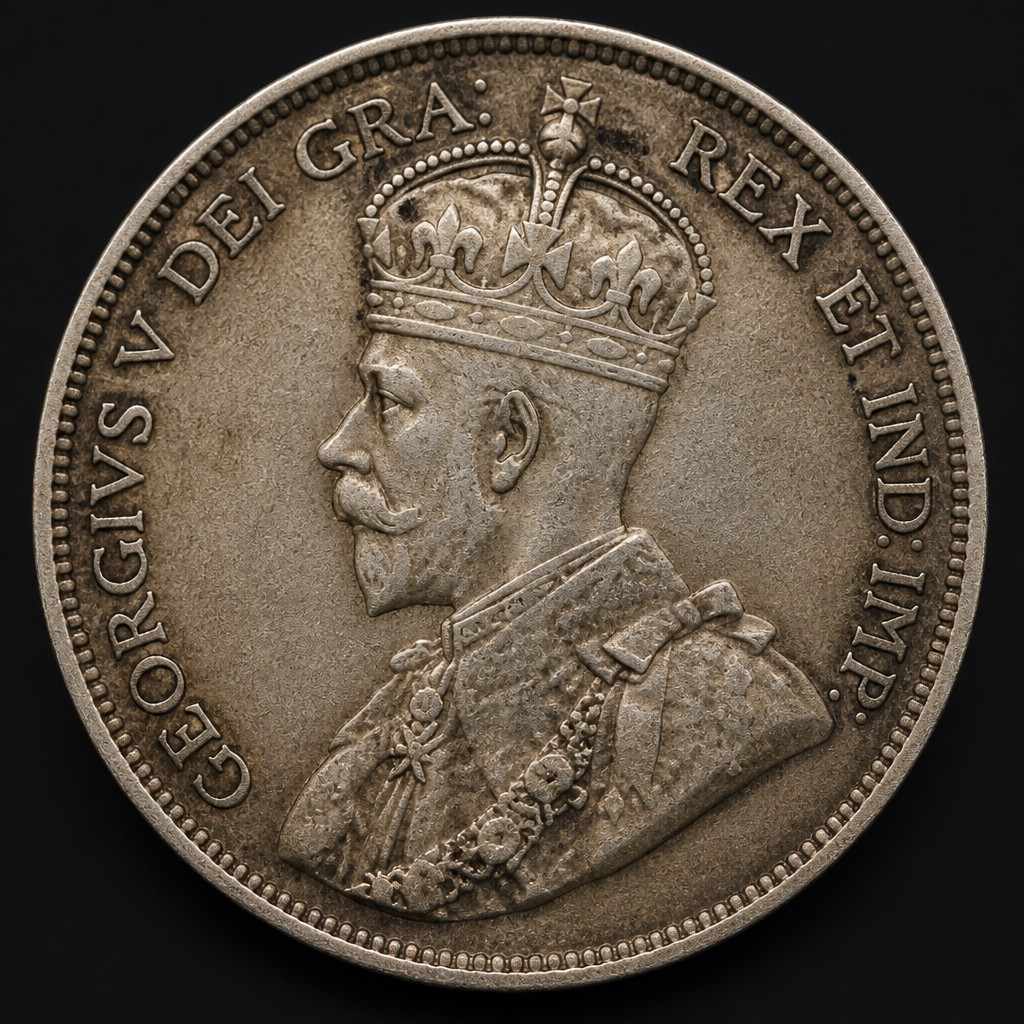
George V Fifty Cents
1911–1936
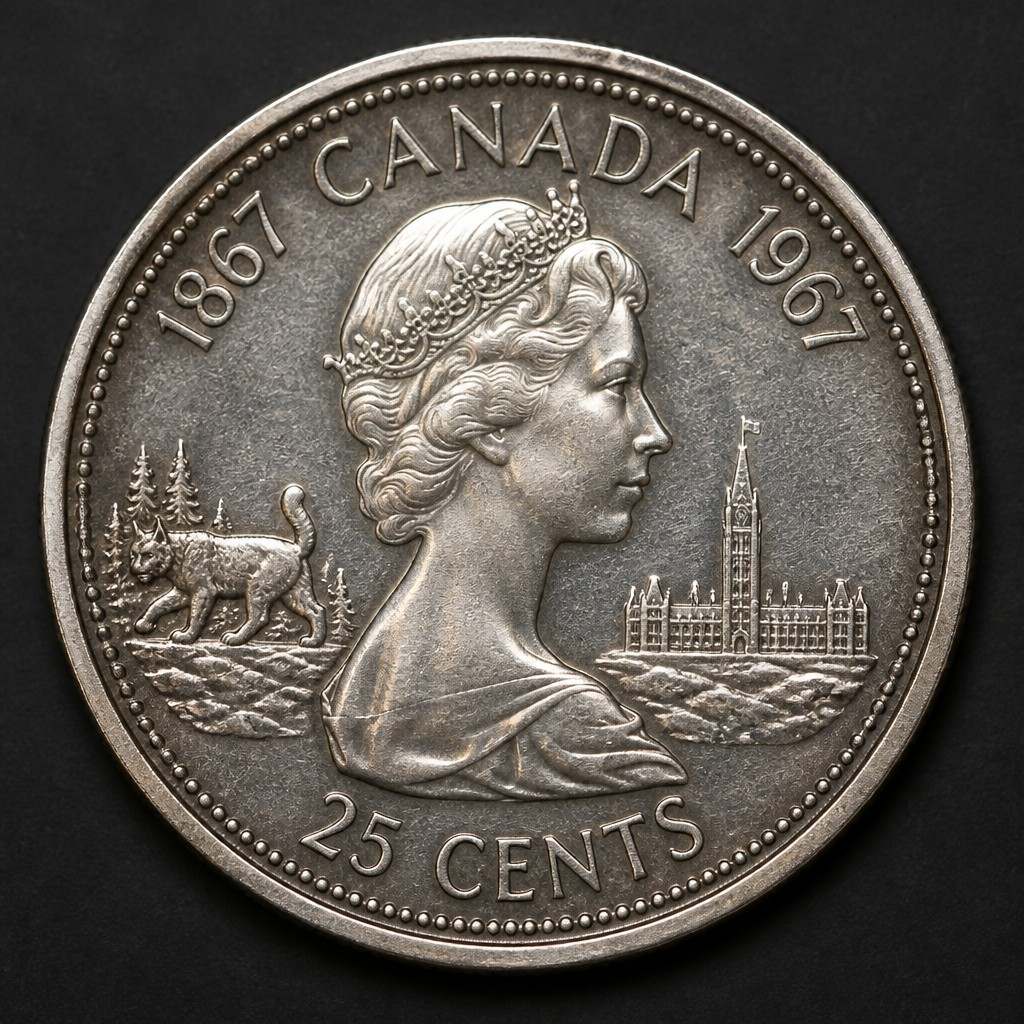
1967 Bobcat Centennial Quarter
1967
Caribou Twenty-Five Cents (quarter)
1937–present