
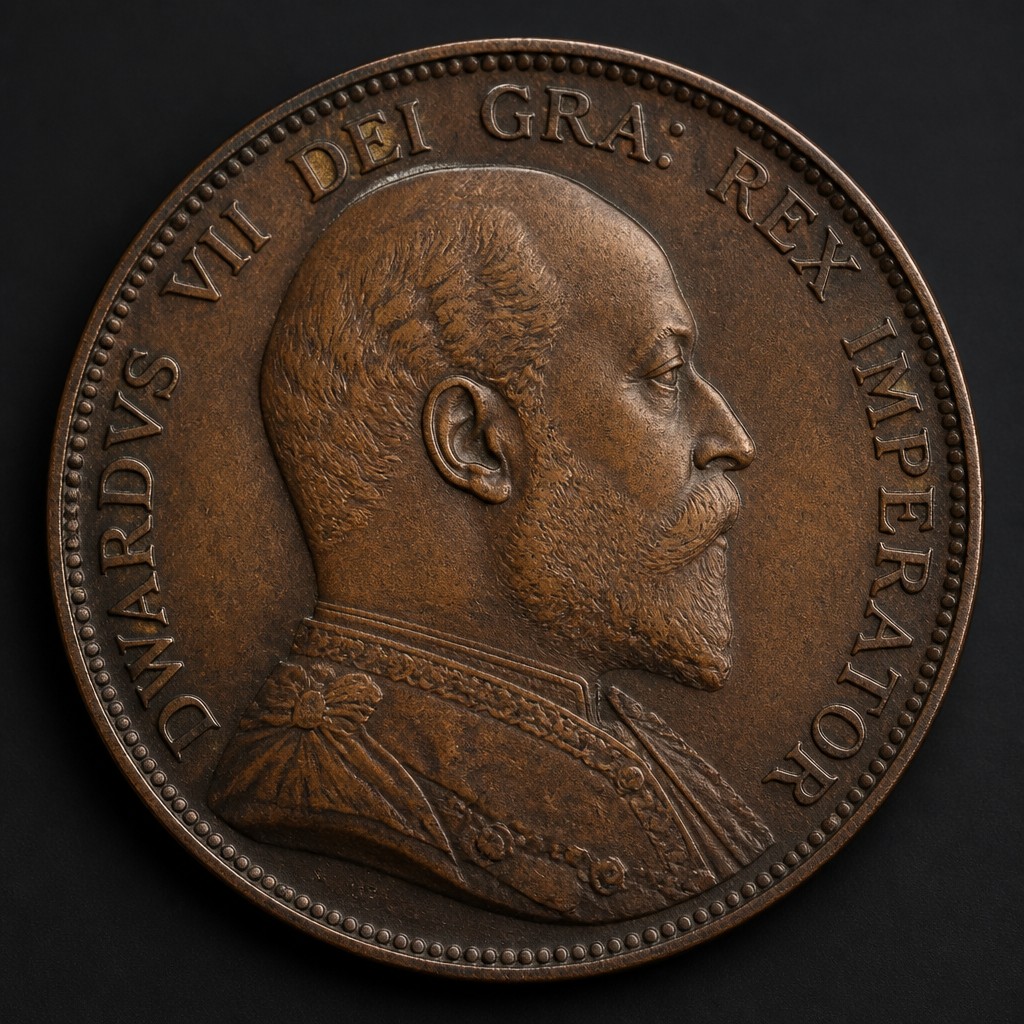
Edward VII Large Cent
Canada's large bronze cent struck 1902-1910 under King Edward VII, continuing the pre-1920 large cent format.
- Country
- Canada
- Denomination
- One Cent
- Metal
- Bronze
Got a coin like this?
Identify any coin from a photo, free.
Overview
The Edward VII large cent continued Canada's original bronze large cent format after the death of Queen Victoria, bearing the portrait of her son and successor, King Edward VII, from 1902 to 1910. It bridges the Victorian large cent series and the later George V large cents, before Canada switched permanently to a smaller cent size in 1920.
Collectors generally find the series manageable to collect by date, as it spans fewer years than the Victoria series, with mintages generally higher and more consistent, making high-grade examples somewhat more attainable.
History & Background
Following Queen Victoria's death in January 1901, her son ascended the throne as King Edward VII, and Canadian coinage, including the large cent, was updated with his portrait beginning with coins dated 1902. The coin continued to be struck primarily at the Royal Mint in London through most of the decade.
Toward the end of Edward VII's reign, Canada's own mint, the Ottawa Mint (a branch of the Royal Mint, established in 1908), began striking Canadian coinage domestically, reducing reliance on coins shipped from London and marking an important step toward full Canadian control of its own currency production.
Edward VII died in 1910, and Canadian large cent coinage transitioned to his son, George V, for coins struck from 1911 onward, continuing the large cent format for roughly another decade before it was discontinued.
How to Identify
The obverse shows a bearded, uncrowned portrait of King Edward VII facing right, with a Latin legend naming him king and, on earlier issues, emperor of India. The reverse retains the familiar wreath-and-denomination design used throughout the Canadian large cent series, showing "ONE CENT" and the date.
The coin is struck in bronze, matching the size, weight, and general appearance of the preceding Victoria large cent, so the two are best distinguished by the obverse portrait and legend rather than size or reverse design.
Coins from the Ottawa Mint (from 1908 onward) generally do not carry a separate mintmark distinguishing them from London-struck coins of the same design, so attribution to a specific mint typically relies on documented mintage records for the year rather than a mark on the coin itself.
Value & Collectibility
Common-date Edward VII large cents in circulated grades are generally affordable and readily available, reflecting comparatively higher mintages than some Victorian dates. Choice uncirculated examples with original bronze color and luster bring meaningfully higher prices, as with most large cents where well-preserved surfaces are relatively scarce.
A small number of dates within the series are considered scarcer in top condition, commanding modest premiums, though the series overall lacks the dramatic key-date rarities found in some other Canadian coin series, making it a comparatively approachable set to complete.
Frequently asked questions
When was the Edward VII large cent issued?
From 1902 to 1910, during the reign of King Edward VII.
How is it different from the Victoria large cent?
Primarily by the obverse portrait and legend; size, metal, and reverse design remain essentially the same.
Where were these coins struck?
Mainly at the Royal Mint in London, with the newly established Ottawa Mint contributing from 1908 onward.
Are Edward VII large cents rare?
Most dates are relatively common in circulated grades; well-preserved uncirculated examples are scarcer and more valuable.
Other coins you may enjoy
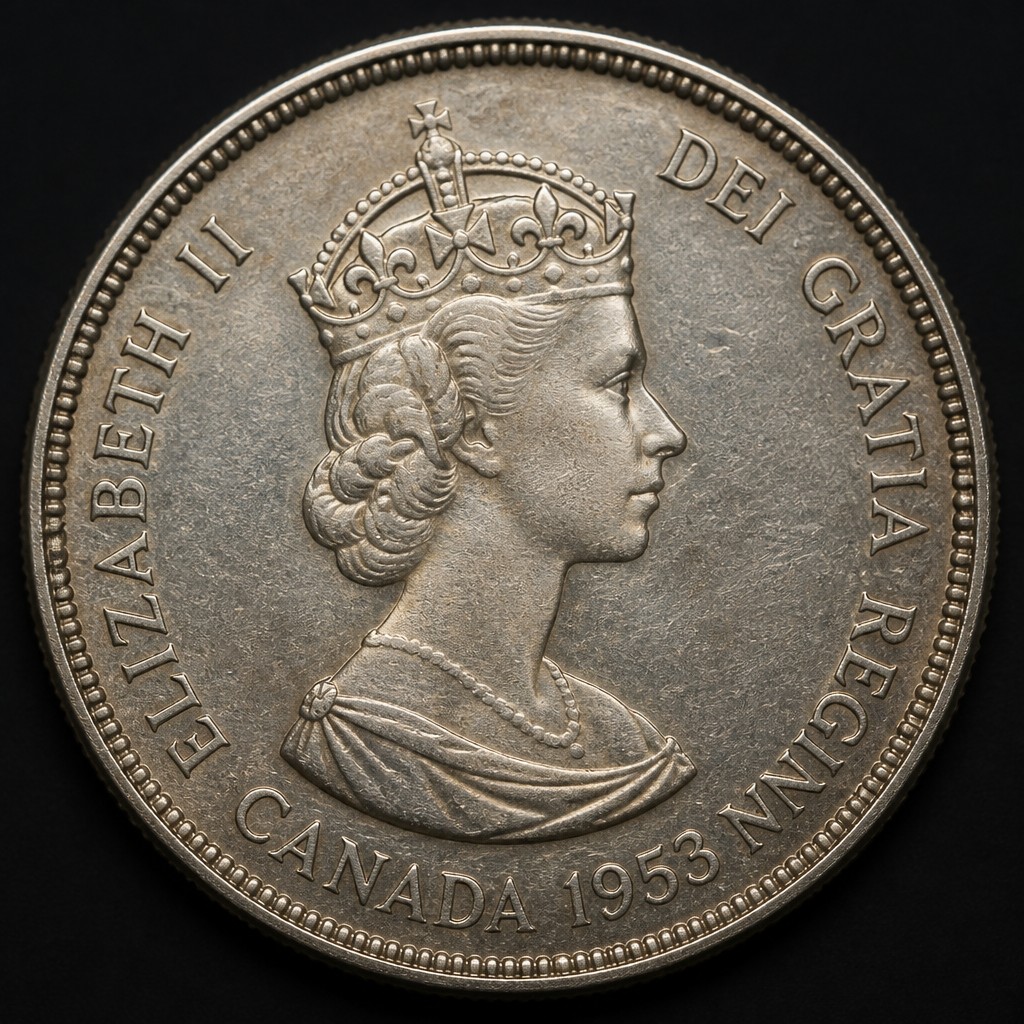
1953 Coronation Voyageur Dollar
1953
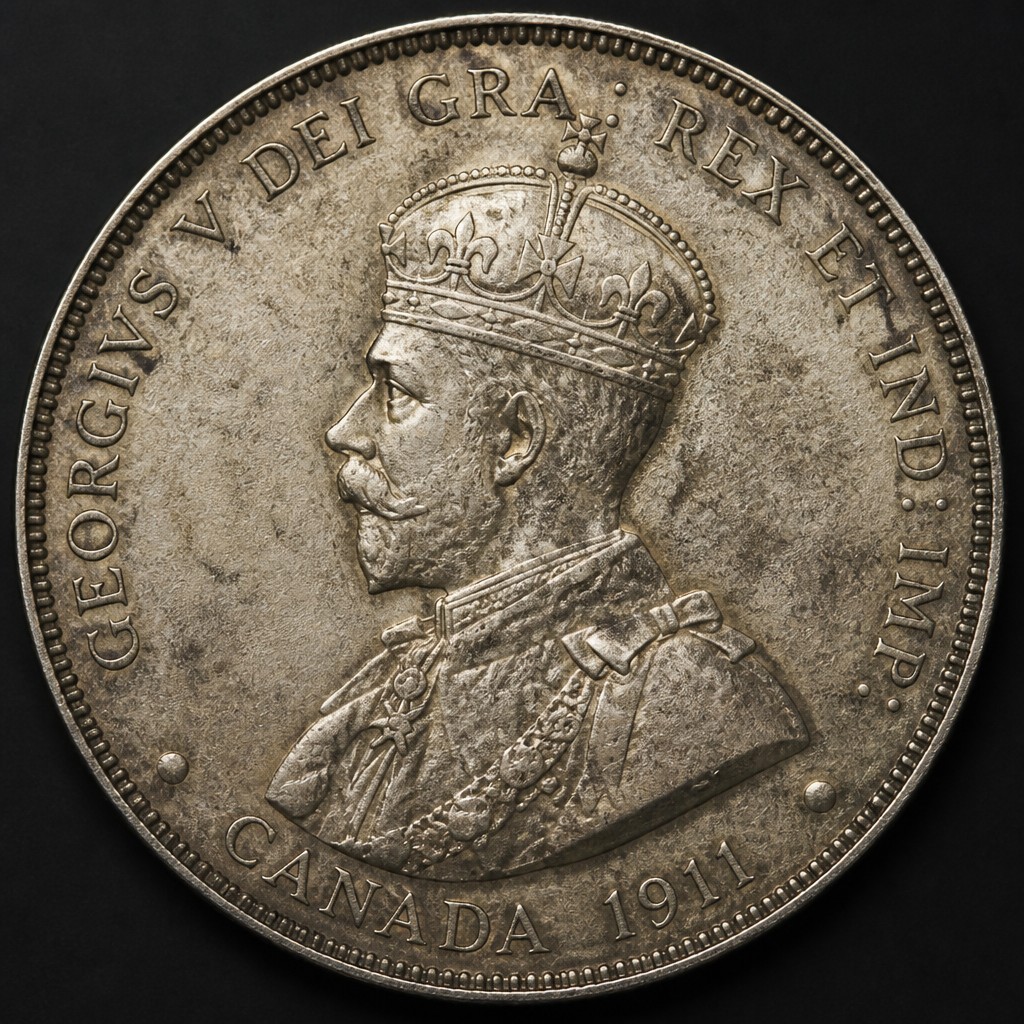
1911 Canadian Silver Dollar (Pattern)
1911
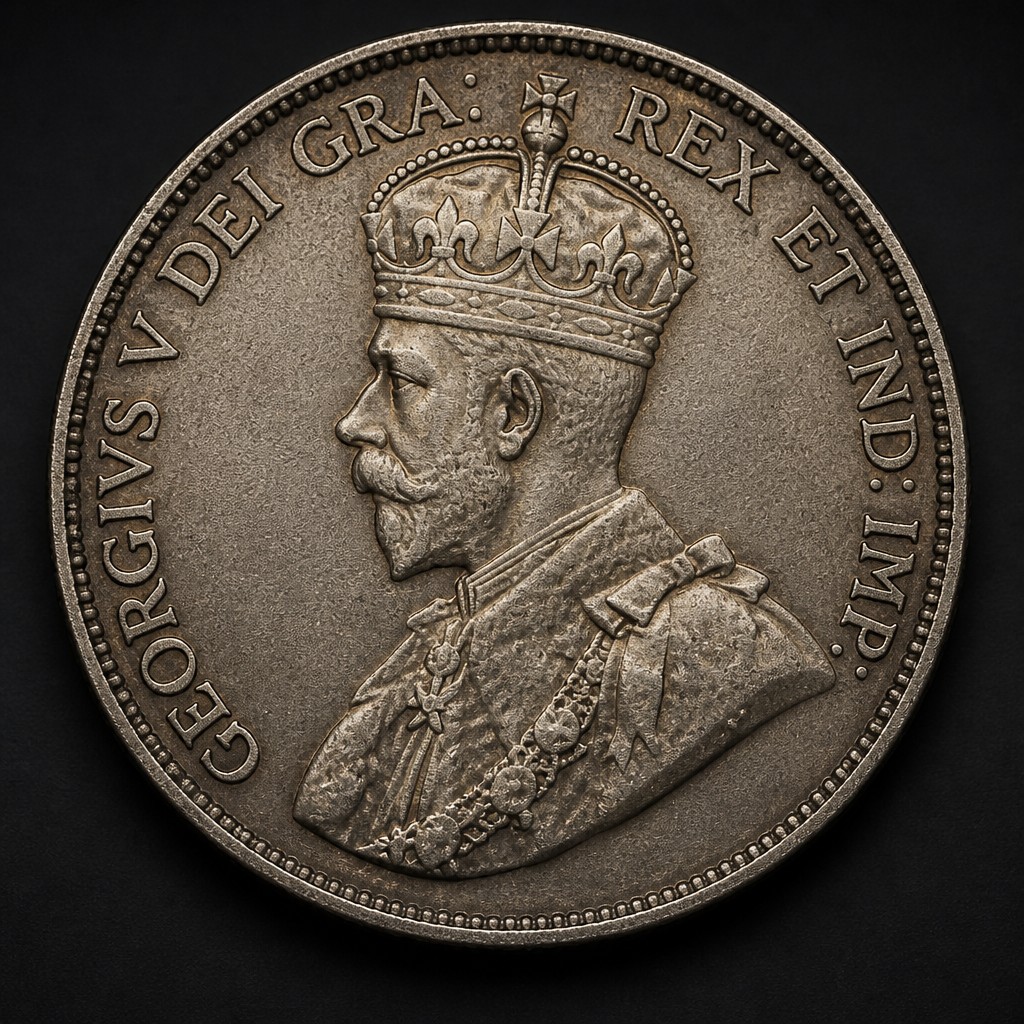
George V Twenty-Five Cents (silver)
1911–1936
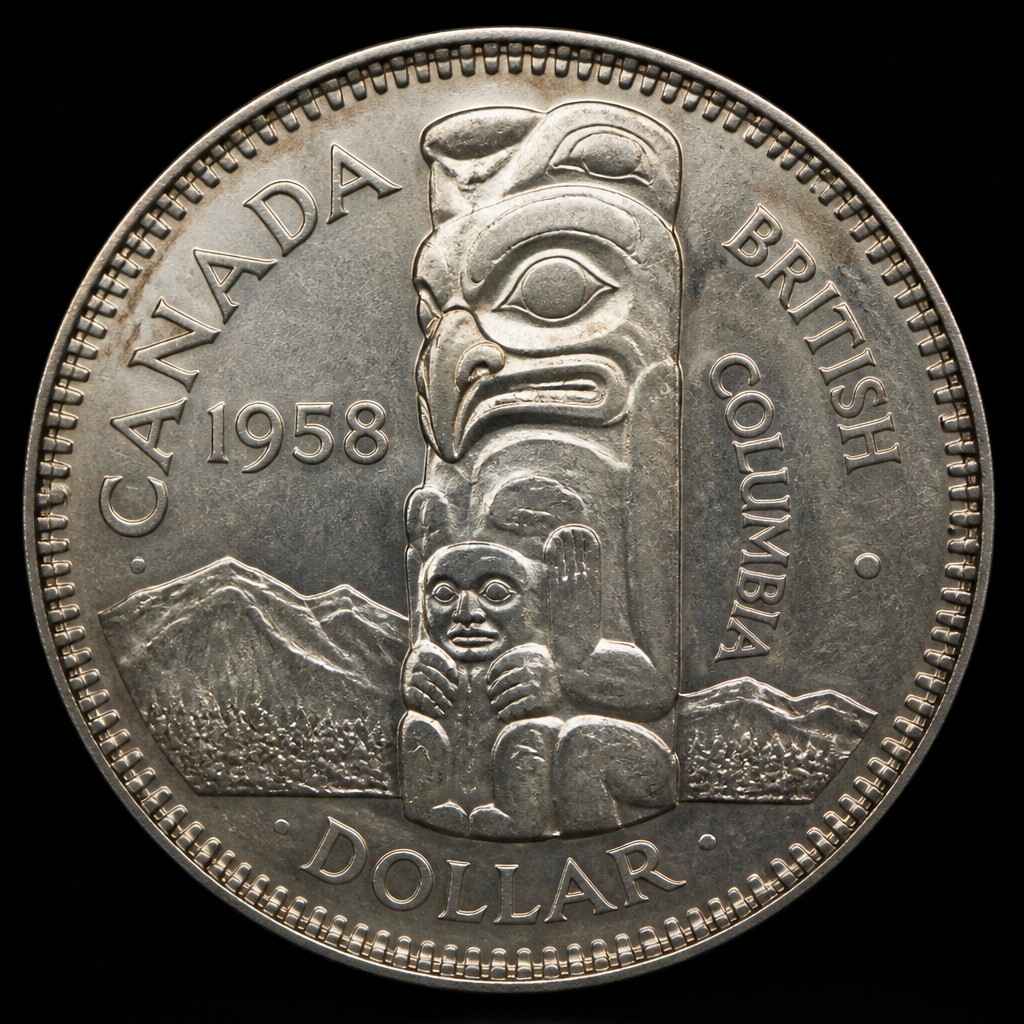
1958 British Columbia Totem Pole Dollar
1958
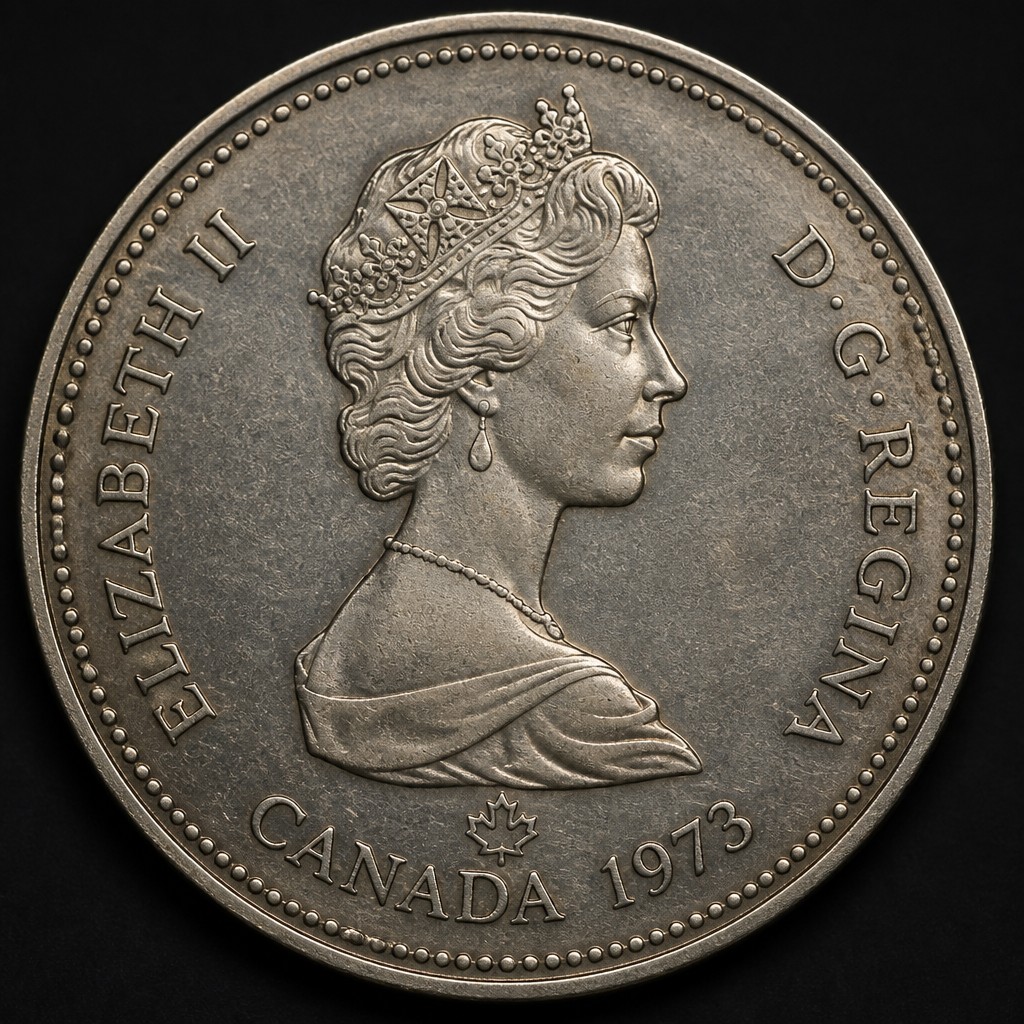
1973 RCMP Centennial Dollar
1973
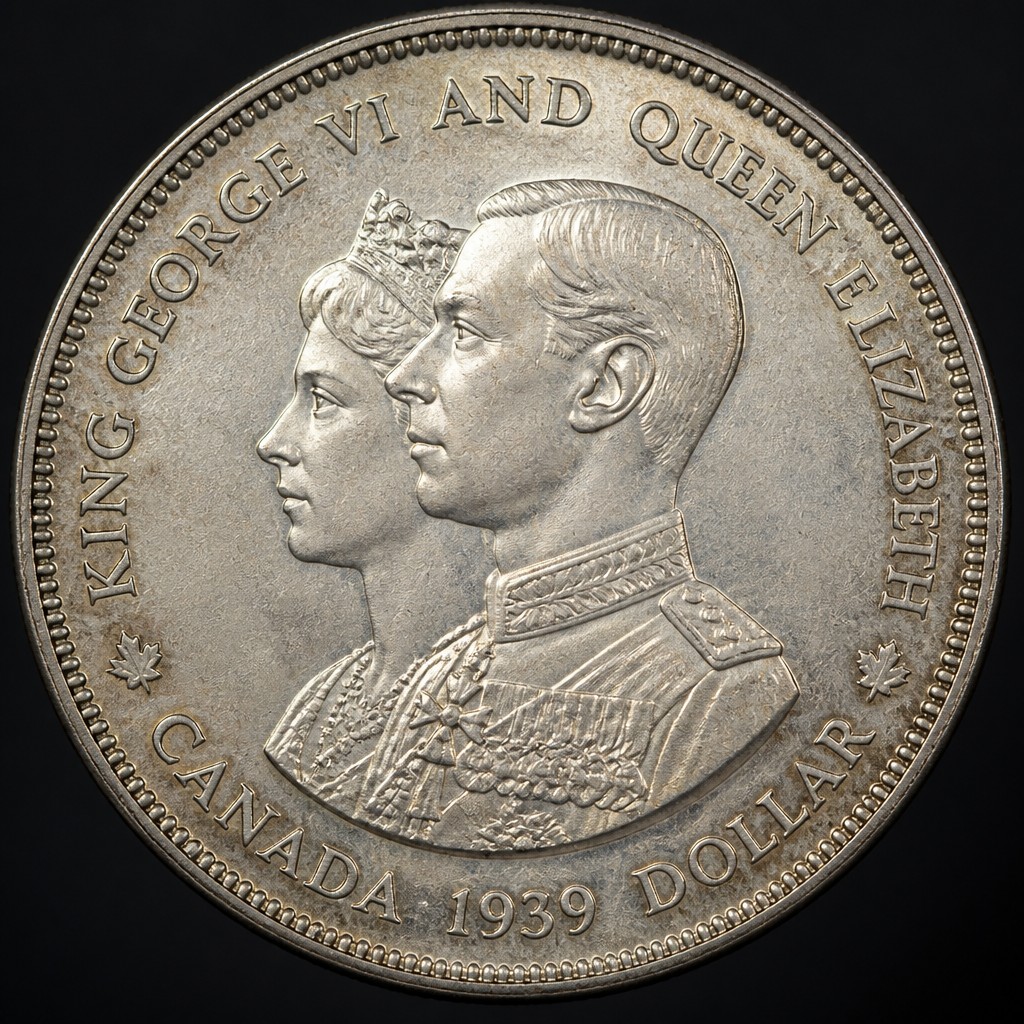
1939 Royal Visit Silver Dollar (Parliament)
1939
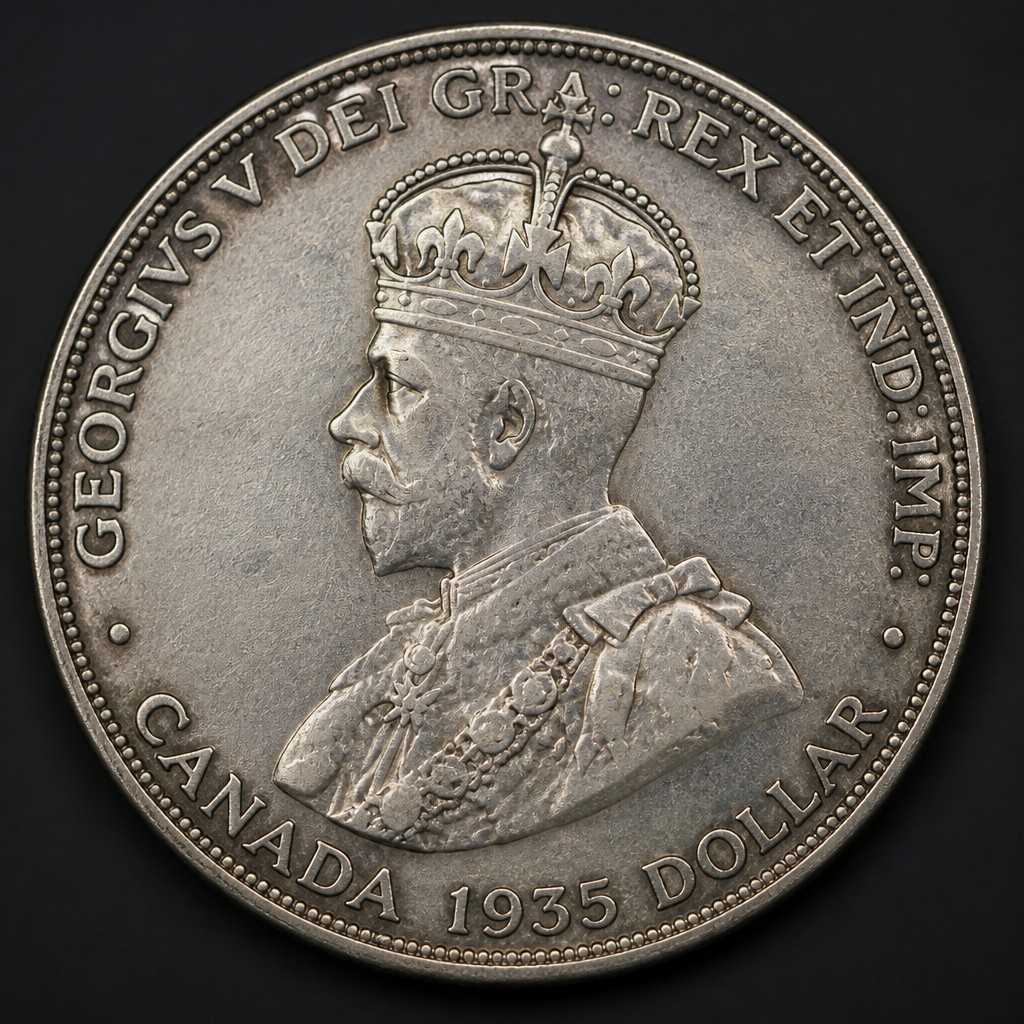
1935 George V Silver Jubilee Dollar (Voyageur)
1935
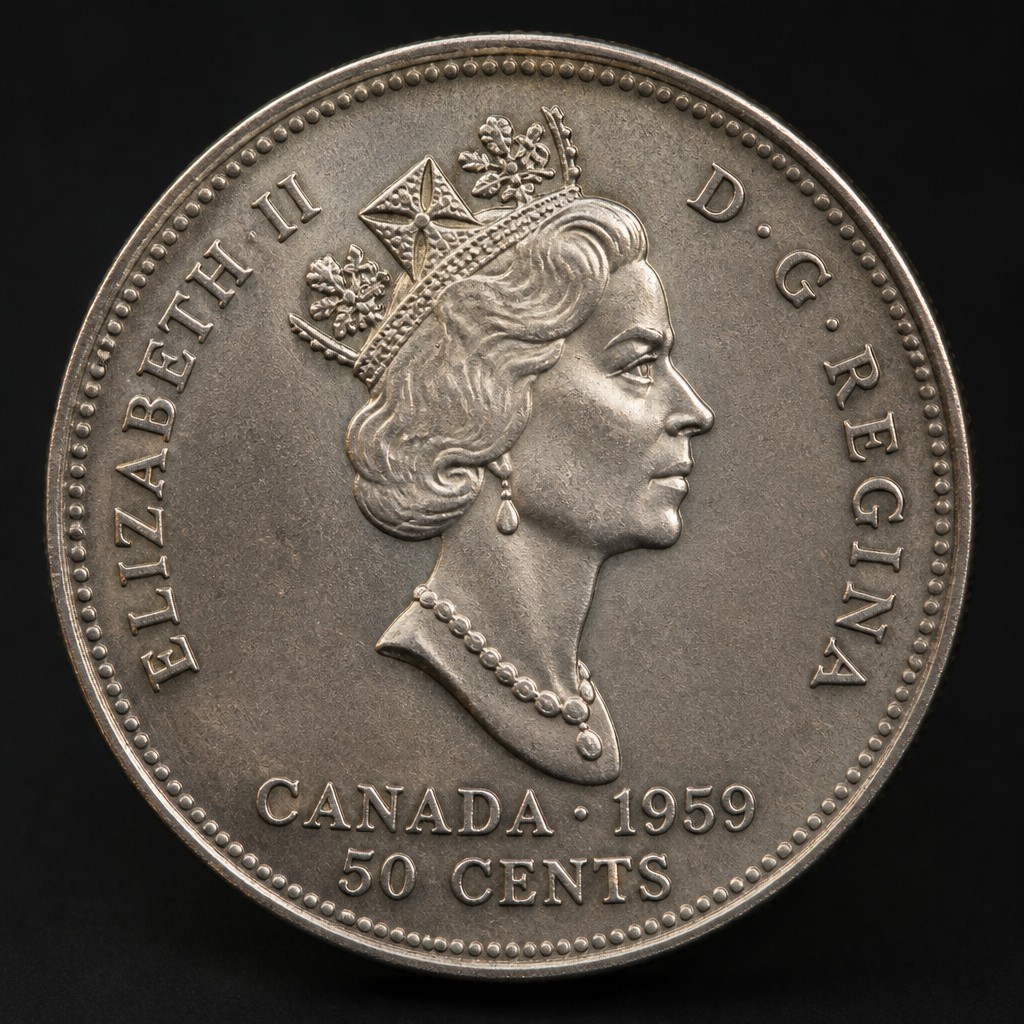
Coat of Arms Fifty Cents (Elizabeth II)
1959–present
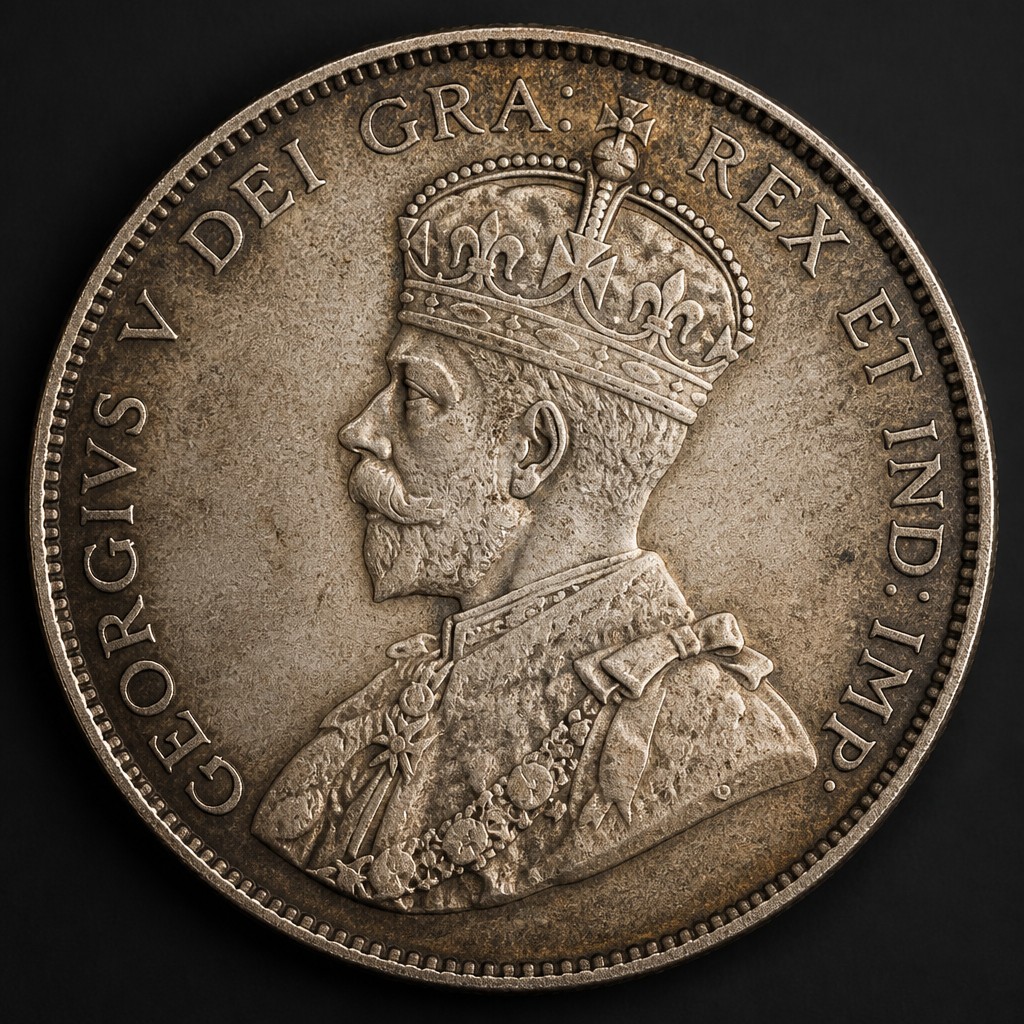
1921 Fifty Cents (King of Canadian Coins)
1921
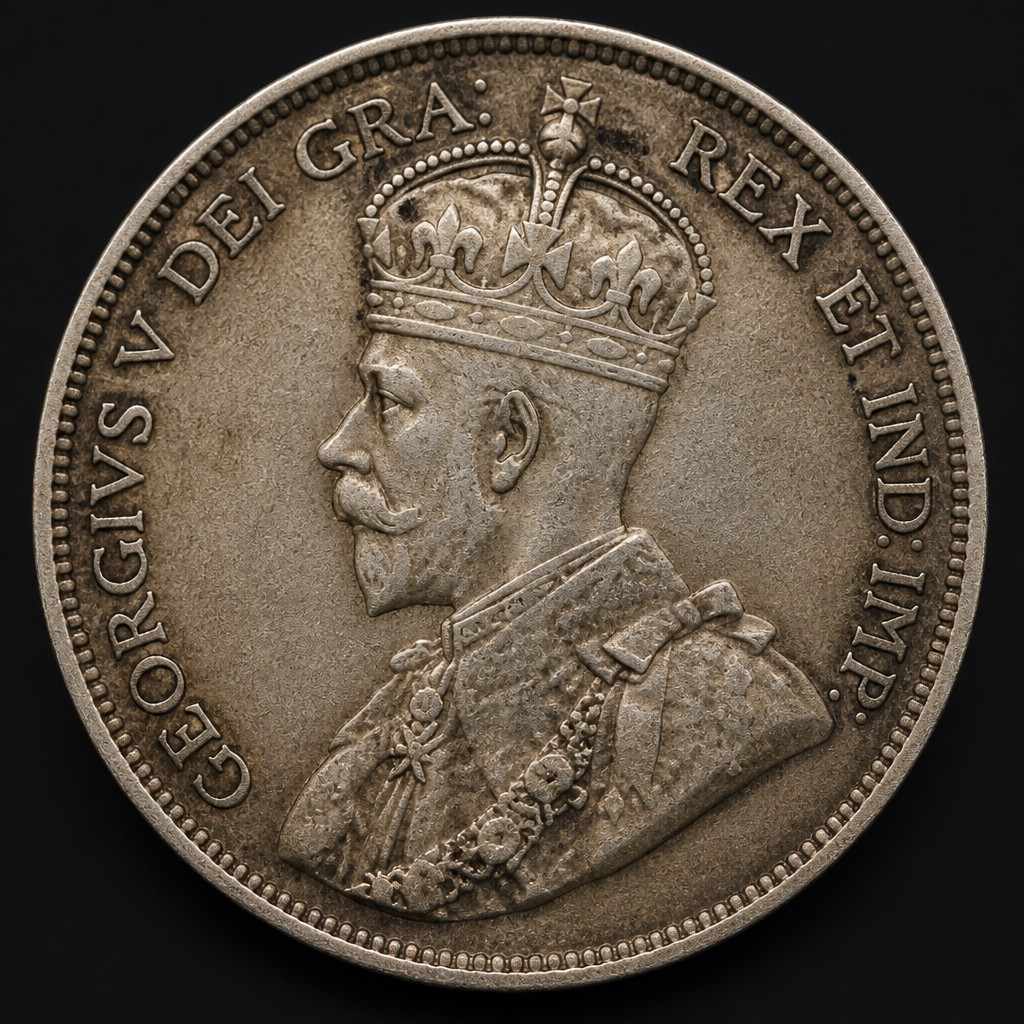
George V Fifty Cents
1911–1936
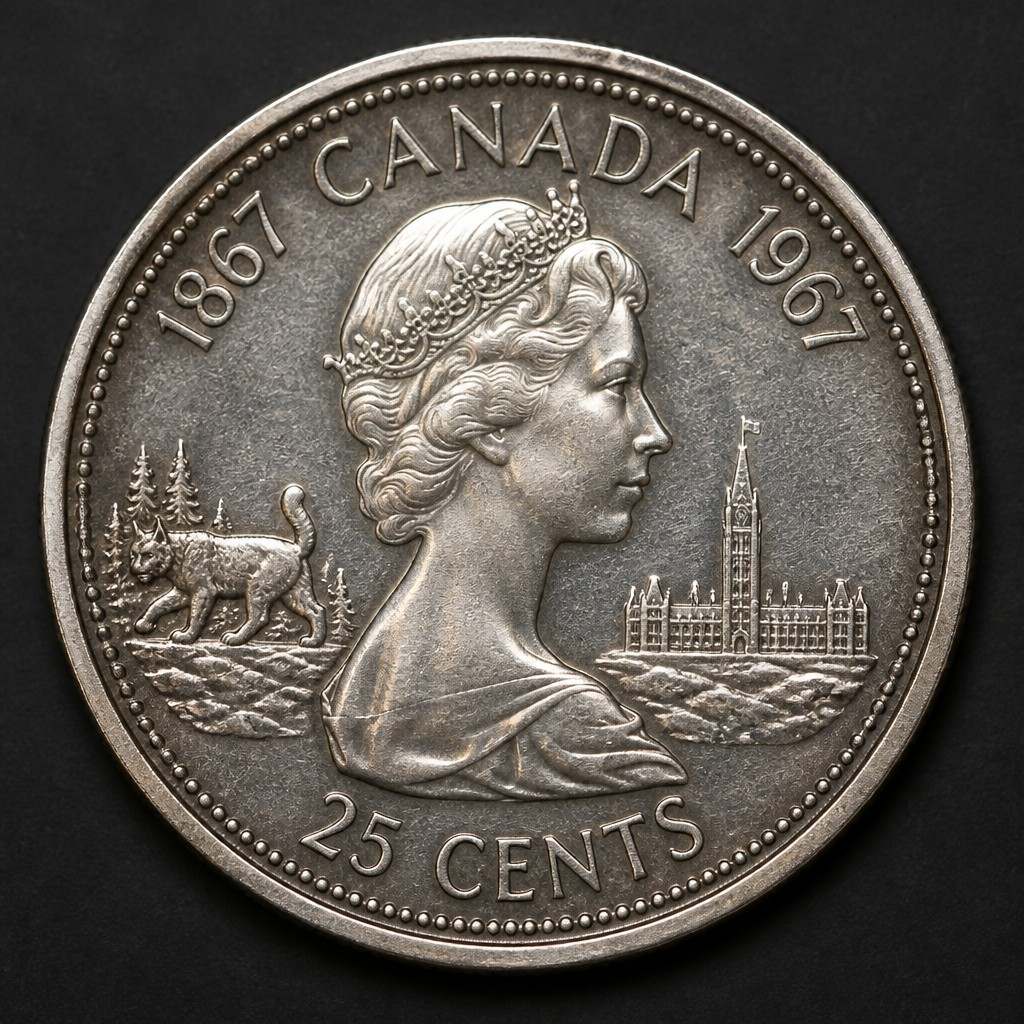
1967 Bobcat Centennial Quarter
1967
Caribou Twenty-Five Cents (quarter)
1937–present