
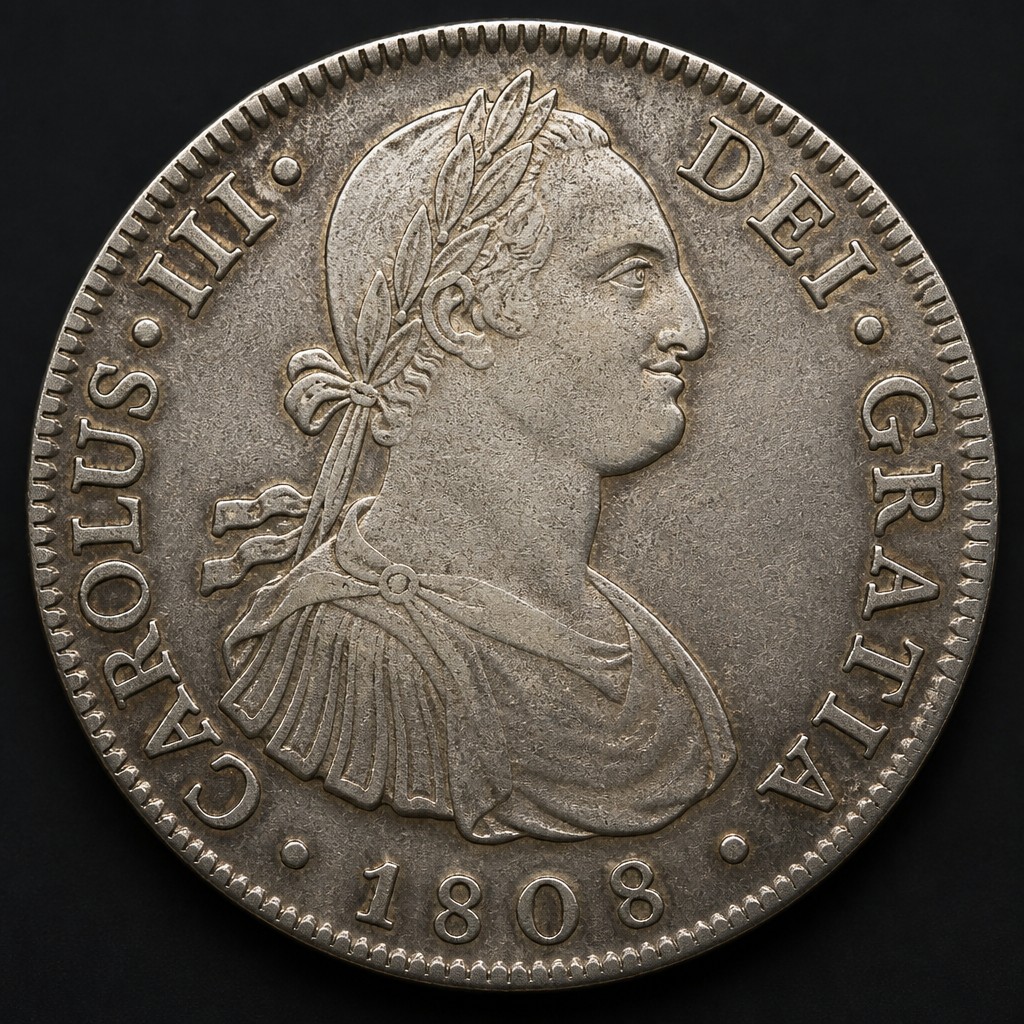
Colombian 8 Reales (Nueva Granada)
The classic Spanish colonial "piece of eight" struck at the mints of Bogotá and Popayán, continuing in modified form after Colombian independence before decimal reform.
- Country
- Colombia (Viceroyalty of New Granada / early Republic)
- Denomination
- 8 Reales
- Metal
- Silver, approximately .896–.903 fine (colonial standard)
Got a coin like this?
Identify any coin from a photo, free.
Overview
The 8 reales was the workhorse large silver coin of the Spanish colonial world, and the mints located in present-day Colombia, principally Bogotá and Popayán, were major producers of this denomination throughout the 18th and early 19th centuries. These coins circulated far beyond South America as an internationally trusted trade currency.
After independence from Spain in the early 1820s, the newly formed Republic of Colombia (then often called Nueva Granada) continued striking 8 reales coins, replacing royal portraits with republican symbols such as liberty caps, suns, or condors, while retaining the familiar size and silver standard, before the country eventually transitioned to a decimal peso system.
History & Background
Under Spanish colonial administration, the Viceroyalty of New Granada operated mints at Bogotá (mint mark NR) and Popayán (mint mark P), striking silver 8 reales coins bearing the portraits of reigning Spanish monarchs such as Charles III, Charles IV, and Ferdinand VII. These coins, often called "pieces of eight," were central to global trade networks stretching from the Americas to Asia.
Following independence movements in the 1810s and 1820s, the mints continued operating under the new republic, adapting designs to reflect national rather than royal symbolism while largely preserving the traditional 8 reales weight and fineness. Production of this denomination continued into the mid-19th century until Colombia adopted a decimal currency system in the 1850s, replacing the colonial-style real system entirely.
How to Identify
Colonial-era coins display the bust of the reigning Spanish king on the obverse with his name and title, and the Spanish crowned arms flanked by the Pillars of Hercules on the reverse, along with the mint mark, assayer initials, and denomination. Republican-era coins after independence instead show symbols such as a radiant sun, liberty cap, or condor, along with legends referencing the republic rather than the crown.
The coin is a substantial silver piece, roughly 39 mm in diameter and about 27 grams, consistent with the broader Spanish colonial 8 reales standard used throughout Latin America, making direct comparison to other regional 8 reales coins useful for cross-checking weight and size.
The mint mark, NR for Bogotá or P for Popayán, along with the assayer's initials, helps pinpoint the exact mint and period of striking, and collectors should pay close attention to these small details since they significantly affect both attribution and value.
Value & Collectibility
Common colonial-era 8 reales from Bogotá or Popayán in worn condition are generally affordable and available to collectors of Spanish colonial coinage, while well-struck, high-grade examples, specific scarce monarch and mint mark combinations, and early transitional republican issues command meaningfully higher prices.
As with most Spanish colonial silver, key value drivers include mint of origin, ruler depicted, strike quality, and overall preservation, with pieces showing full, clear dates and mint marks generally preferred over the crudely struck examples common to hand-hammered and early milled colonial coinage.
Frequently asked questions
What does 'Nueva Granada' refer to?
Nueva Granada was the Spanish colonial and early republican name for the territory that is now Colombia, where these 8 reales coins were struck.
Which mints produced this coin?
Primarily Bogotá, marked NR, and Popayán, marked P, both located in present-day Colombia.
Did the design change after independence?
Yes, royal portraits of Spanish kings were replaced with republican symbols like suns, liberty caps, or condors after independence in the 1820s.
When did Colombia stop using the 8 reales system?
The 8 reales denomination gave way to a decimal peso system in the 1850s.
Other coins you may enjoy
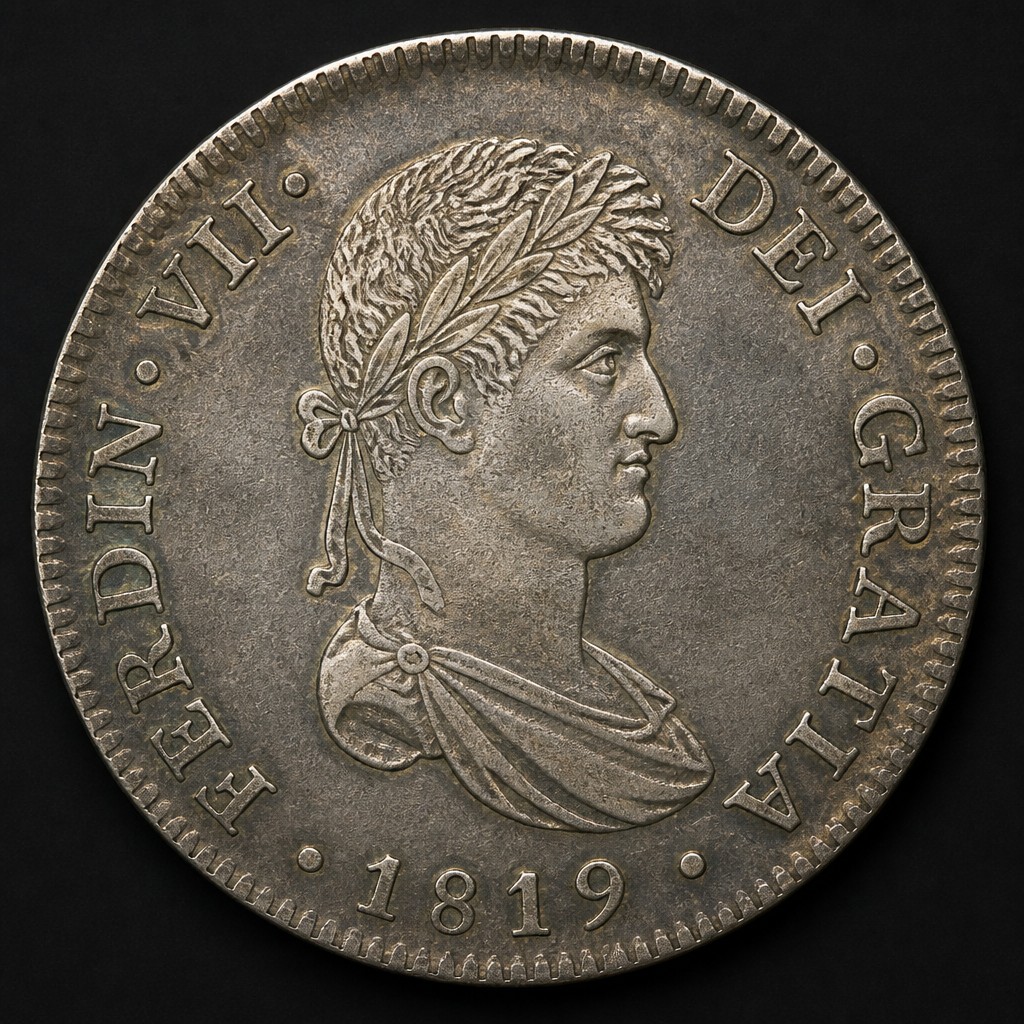
Colombia 8 Reales
Colonial issues through late 18th/early 19th century; republican issues 1820s–1830s
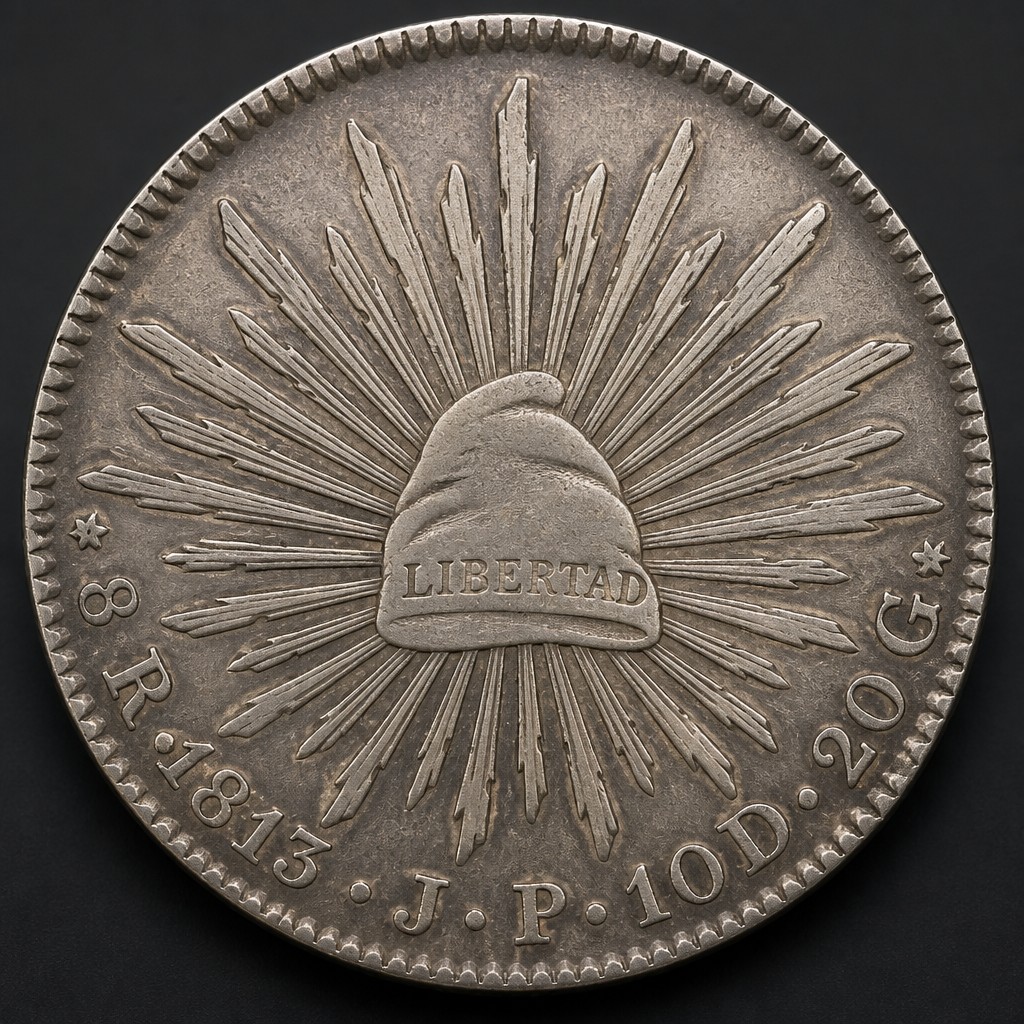
Argentina 8 Reales
c. 1813–1836
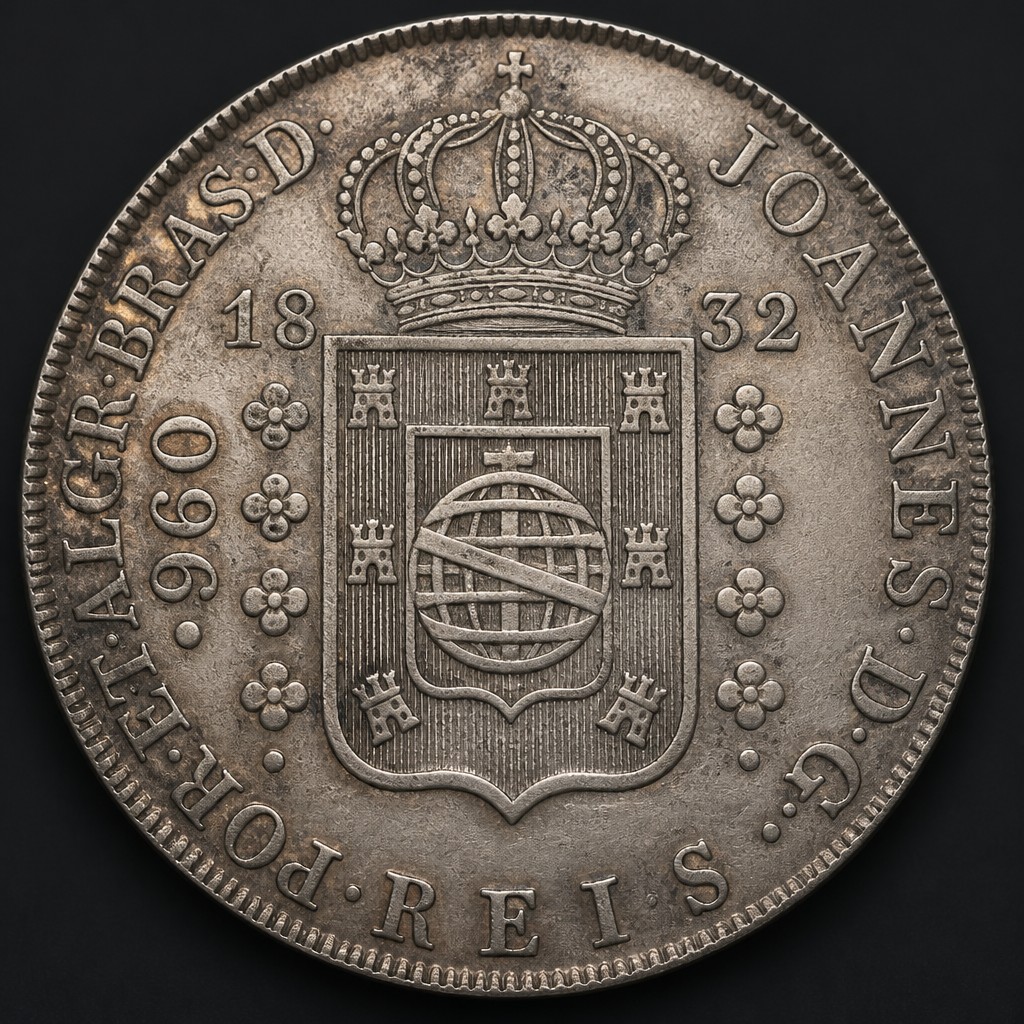
Brazil 960 Reis
1809–1832
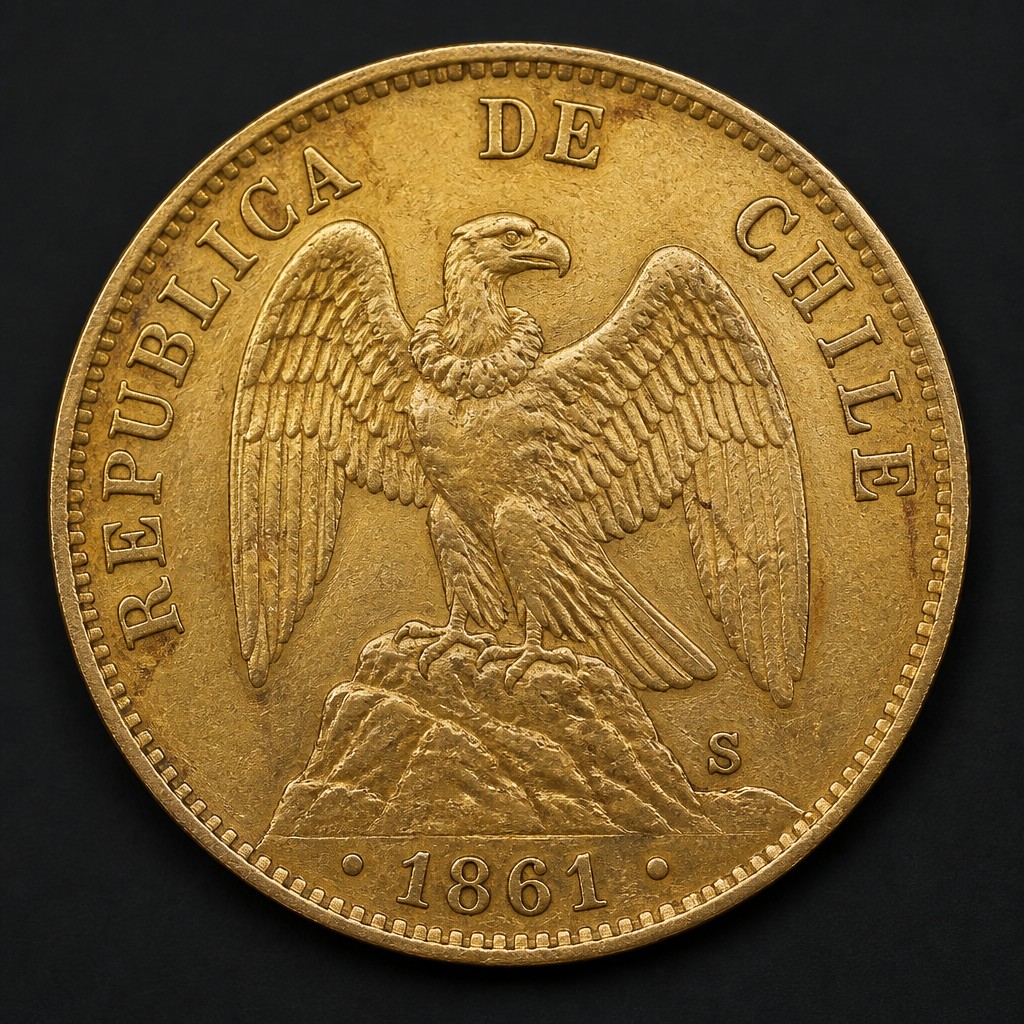
Chile Peso (Condor)
1851–1873 (gold condor series); modern base-metal peso 1990s–present
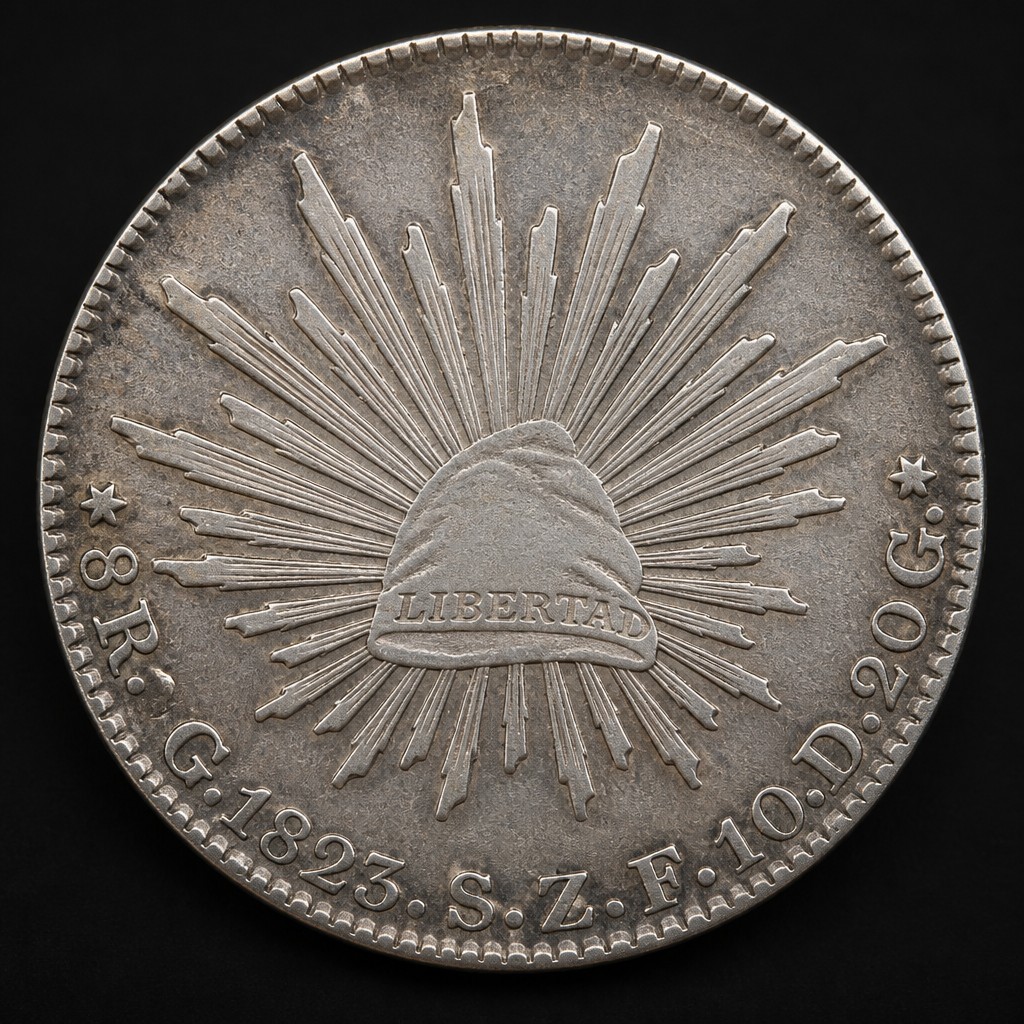
Mexican 8 Reales Cap and Rays
1823-1897
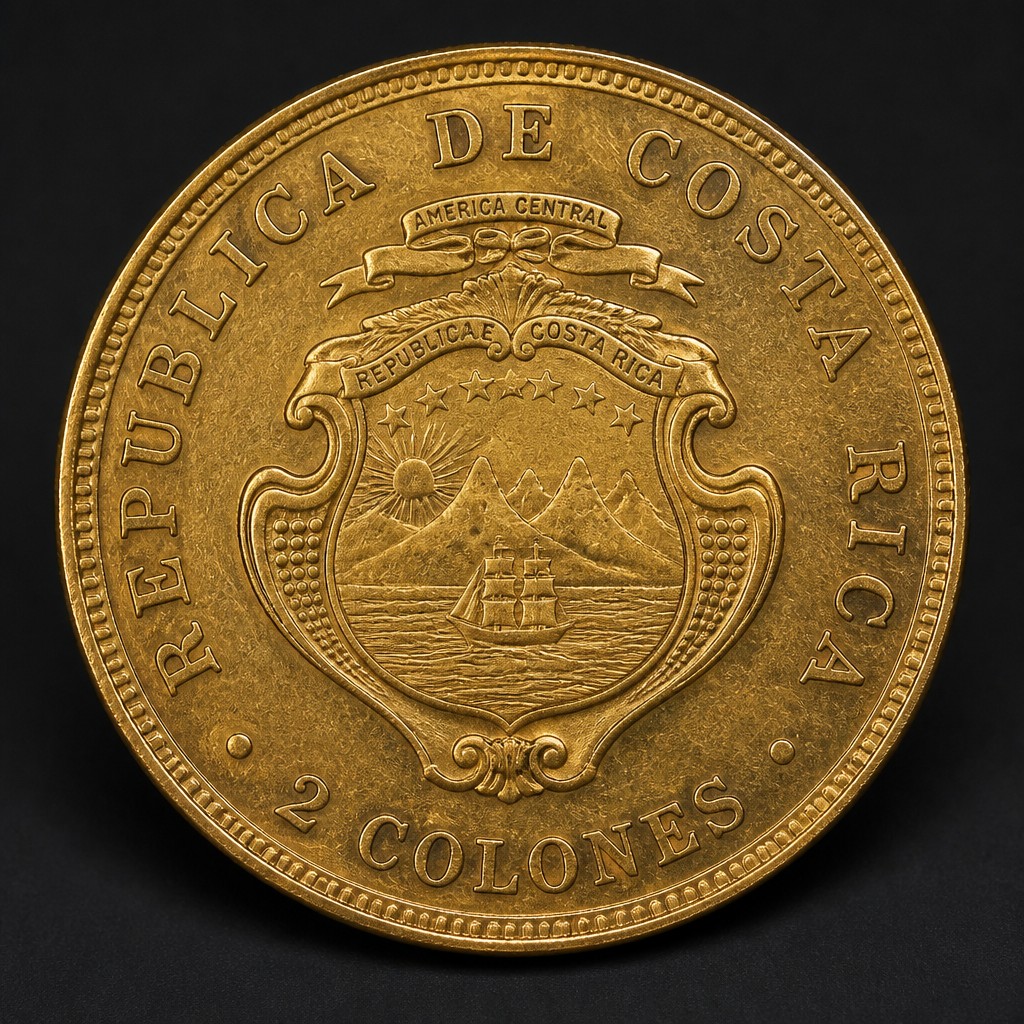
Costa Rica 2 Colones Gold
Late 1890s–early 1900s
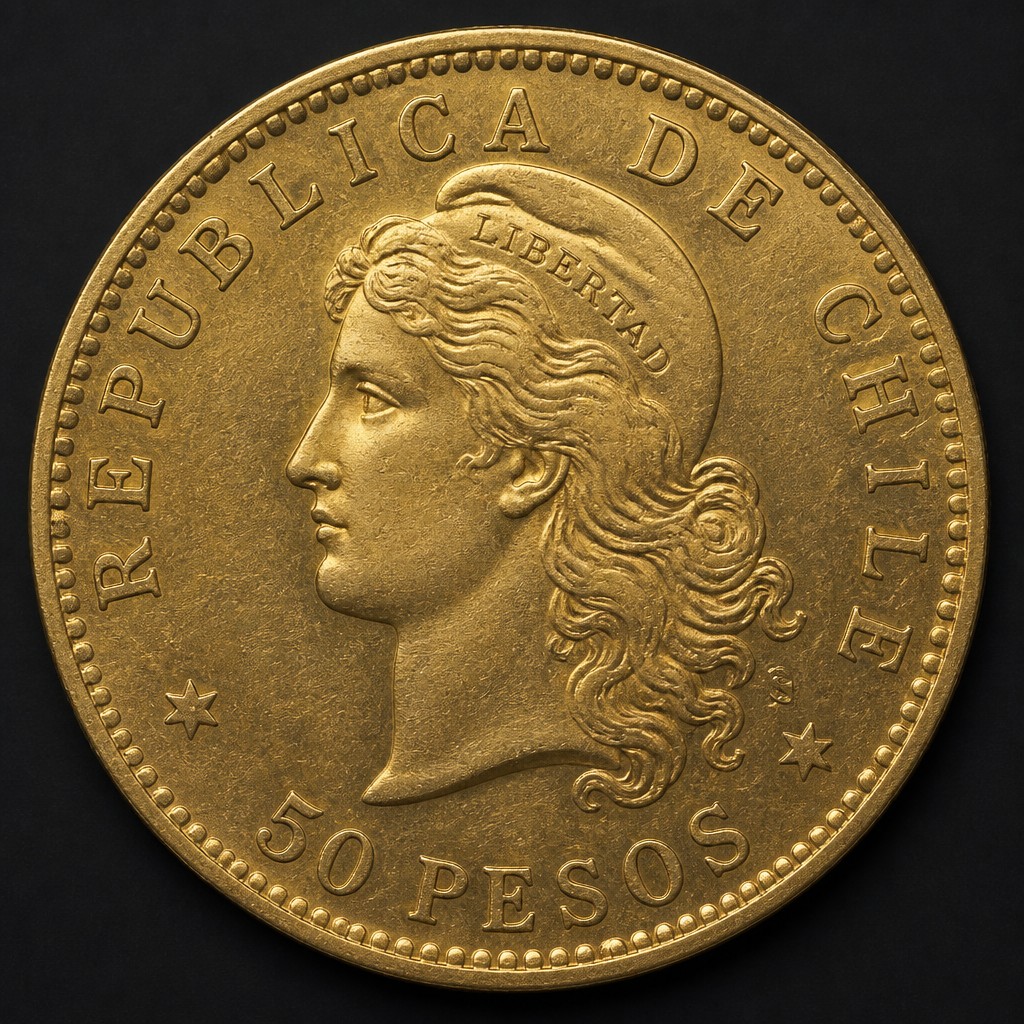
Chilean 50 Pesos Gold
1926–1980 (with interruptions)
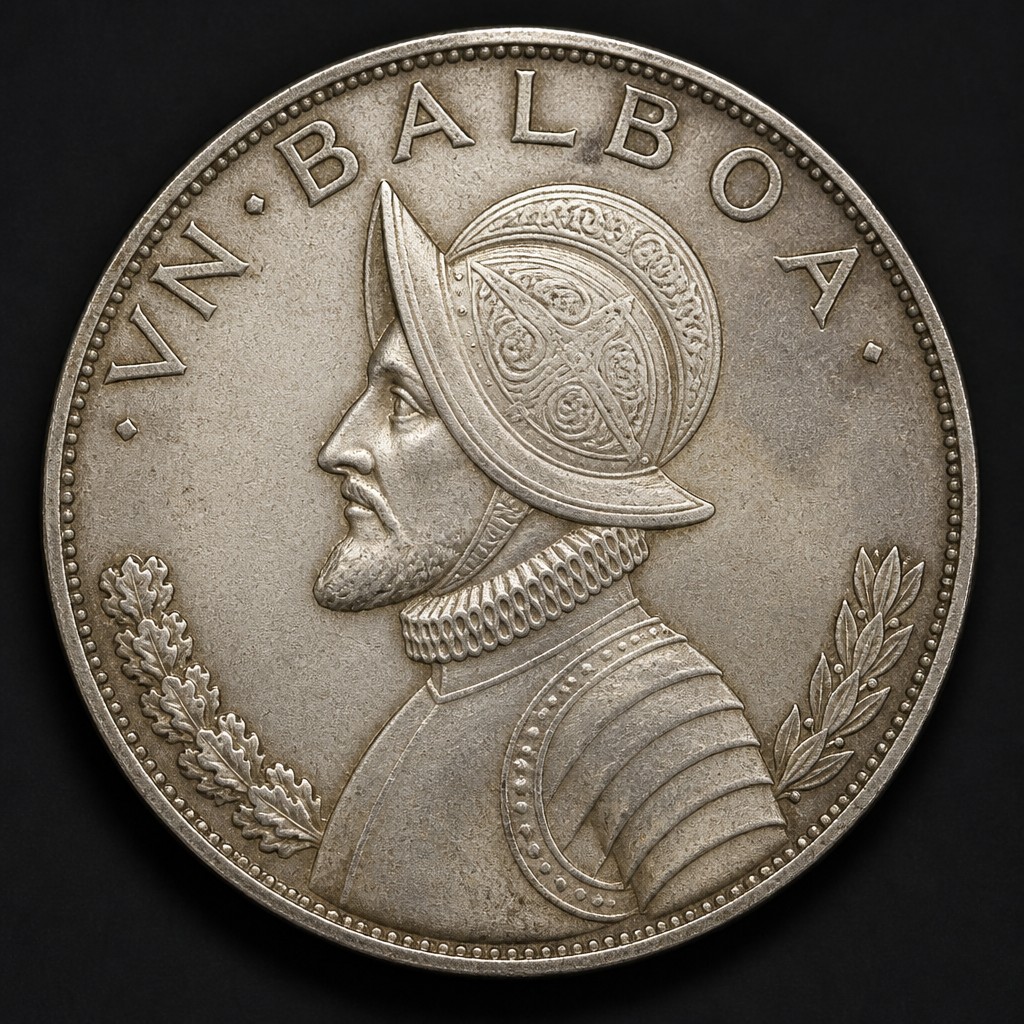
Panama Balboa Silver
1904, 1931, 1934, 1947, 1953, 1966 (various dates)
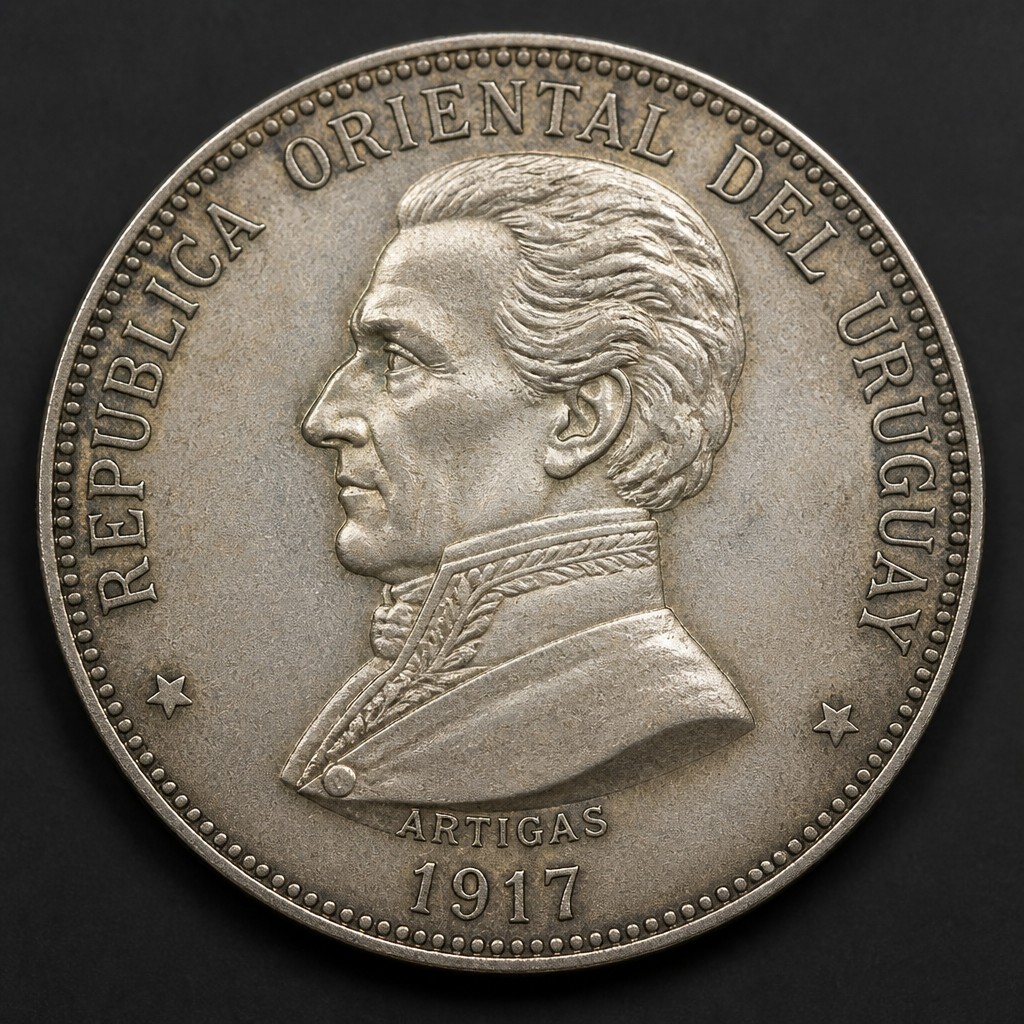
Uruguay Peso Silver 'Artigas'
1917–1920 (with related commemorative issues in later decades)
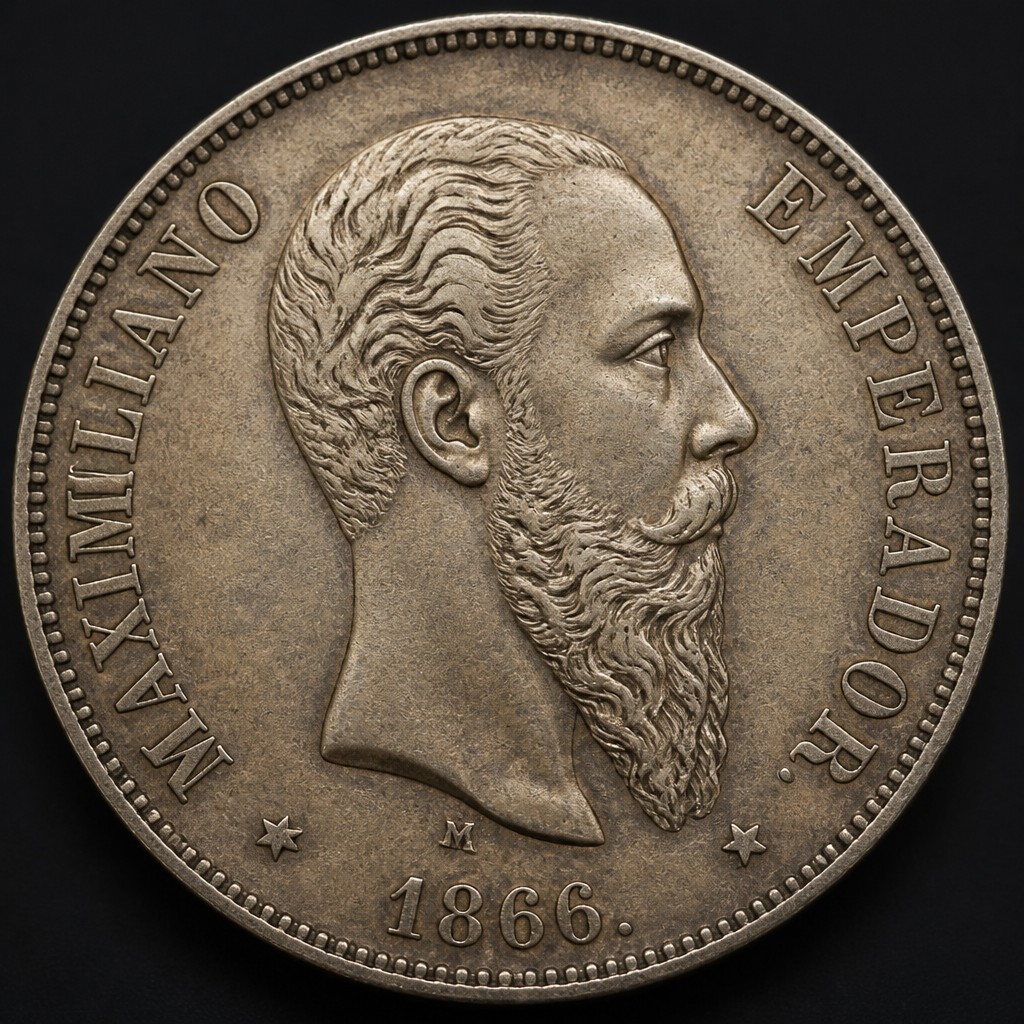
Mexican Emperor Maximilian Peso
1866–1867
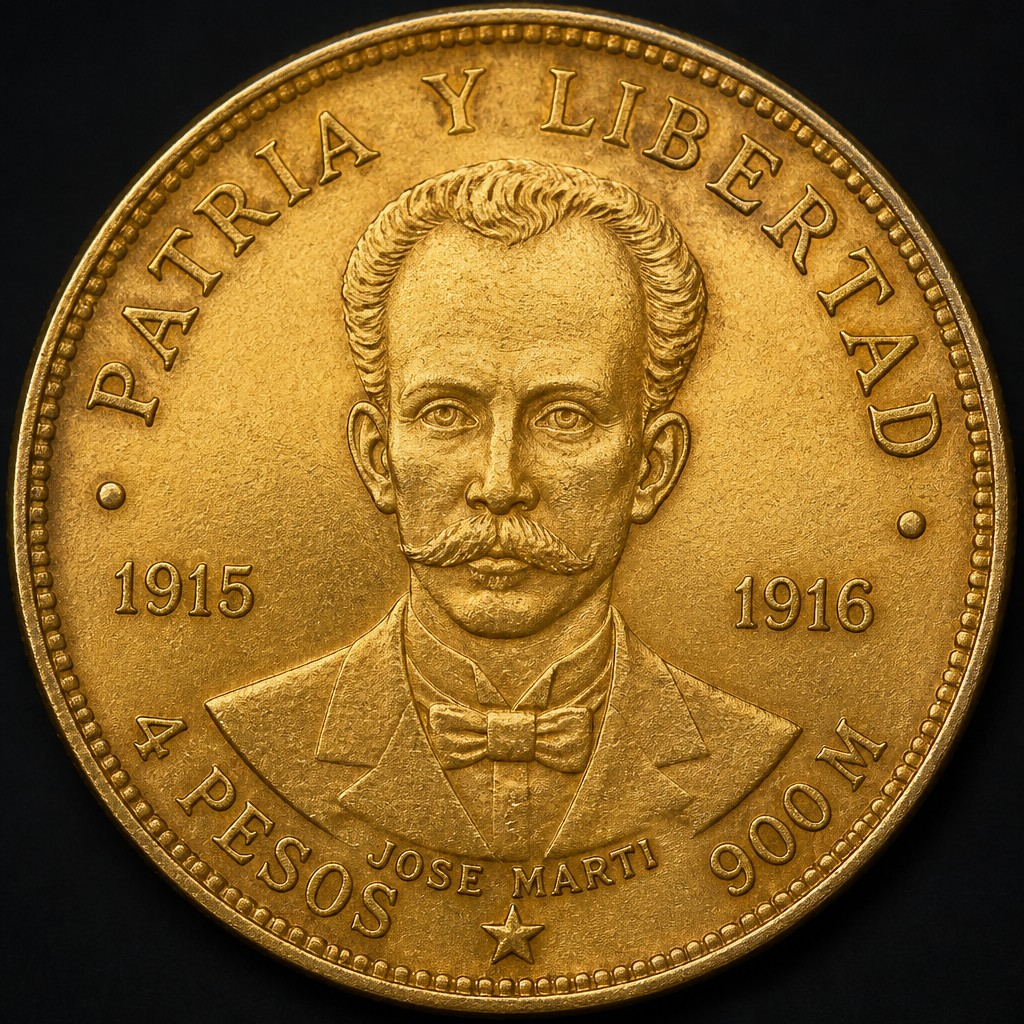
Cuba 4 Pesos Gold Jose Marti
1915–1916
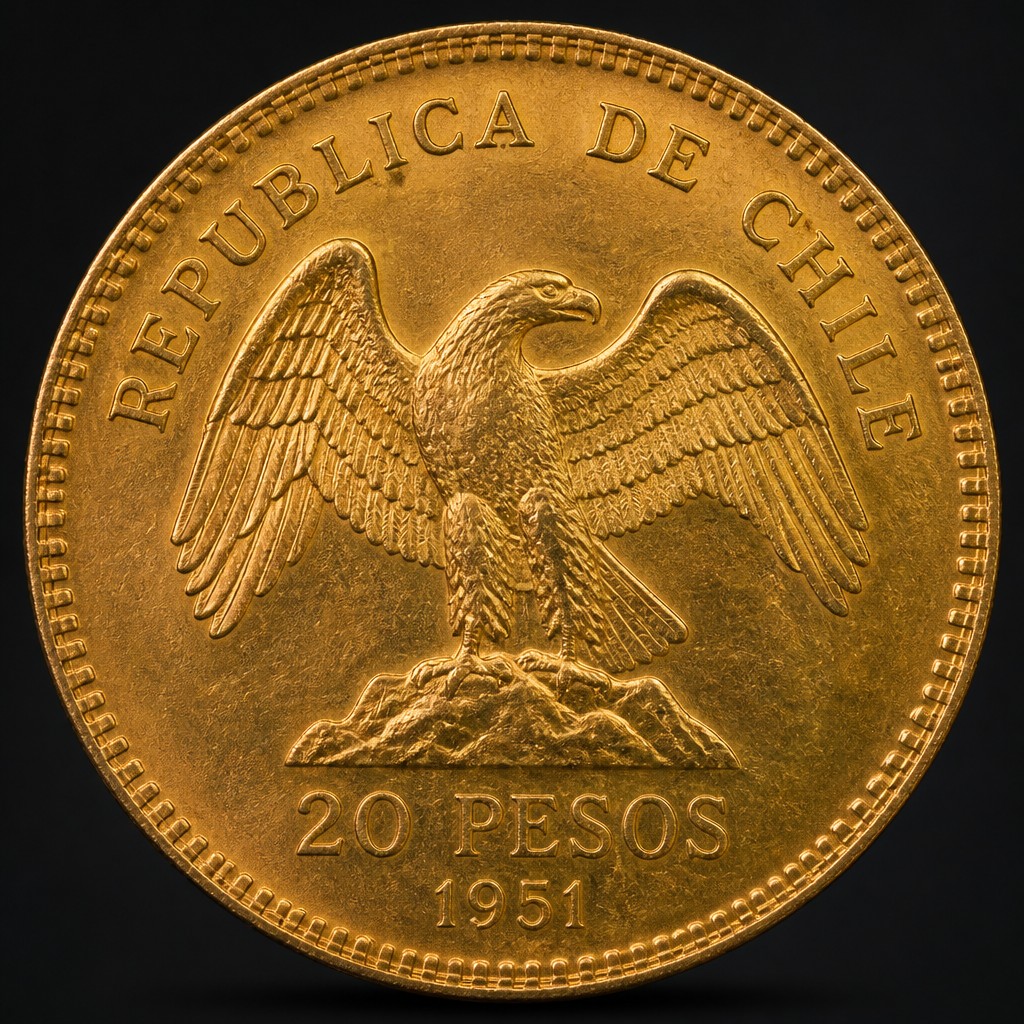
Chilean 20 Pesos Gold
19th century issues and 1926–1980 condor series