
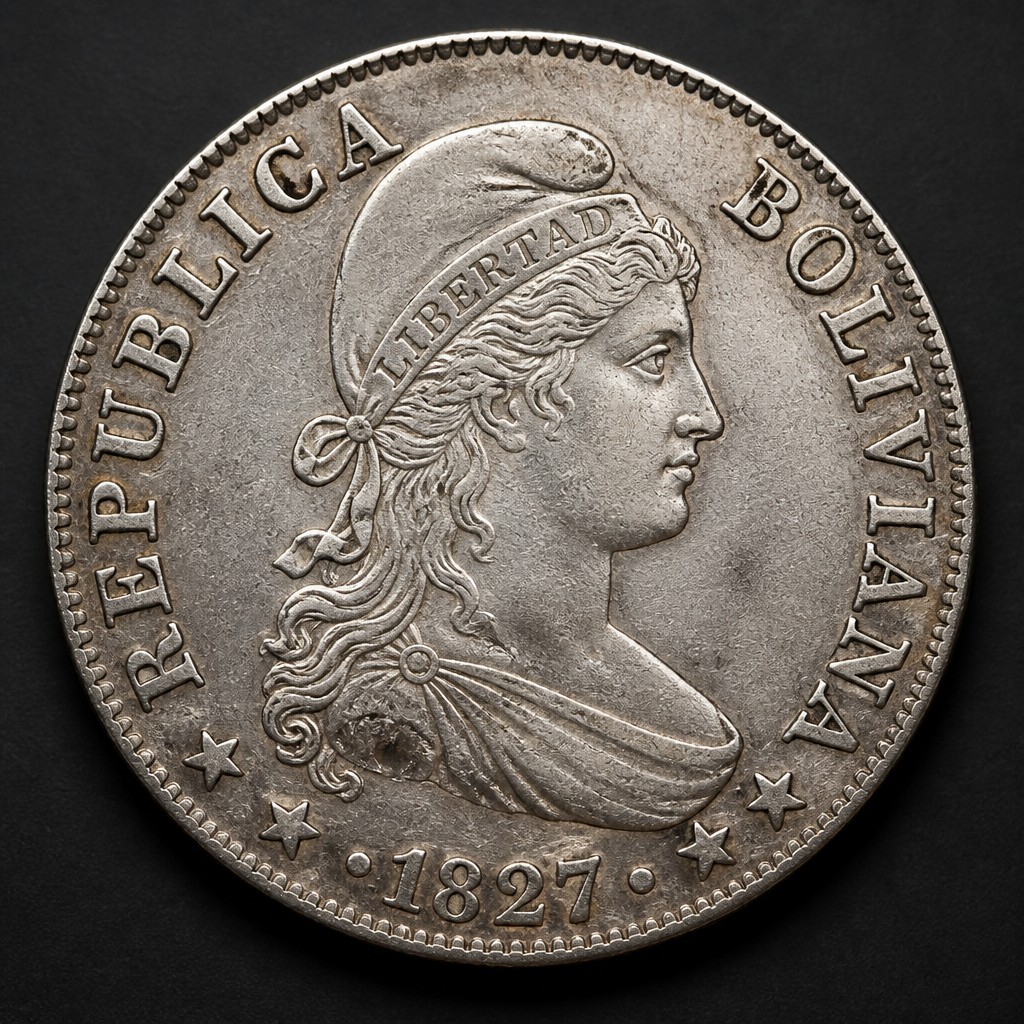
Bolivia 8 Soles Silver
An early Bolivian republican silver coin denominated in soles, struck at Potosí in the decades following independence before the boliviano currency system replaced it.
- Country
- Bolivia
- Denomination
- 8 Soles
- Metal
- silver, fineness reduced from around .900 toward .666 over the series
Got a coin like this?
Identify any coin from a photo, free.
Overview
Following Bolivia's independence in 1825, the new republic initially retained a sol-based denomination system for its large silver coinage, reflecting continuity with monetary conventions used elsewhere in newly independent South American nations at the time. The 8 Soles denomination served as Bolivia's principal large silver trade coin during this early national period.
Over the roughly three decades of this coin's production, its silver fineness was gradually reduced, a pattern common across many young Latin American republics grappling with limited fiscal resources and fluctuating silver supplies. This debasement makes date and fineness particularly important for collectors trying to properly identify and value specific examples.
The 8 Soles series was eventually superseded when Bolivia adopted the boliviano currency system in 1864, making this coin a transitional link between the colonial 8 Reales tradition and Bolivia's later national currency.
History & Background
After achieving independence in 1825 under the influence of Simón Bolívar and Antonio José de Sucre, for whom the new nation was named, Bolivia continued minting large silver coins at the historic Potosí mint, initially using the sol denomination inherited from regional monetary conventions rather than immediately creating an entirely new currency unit. The 8 Soles coin filled the role previously held by the colonial 8 Reales as the country's principal large silver coin.
Throughout its 1827-1859 run, the coin's silver content was progressively reduced in response to economic pressures, a common response among newly independent Latin American nations facing limited treasury resources. The series ended when Bolivia introduced the boliviano currency system in 1864, replacing the sol-denominated coinage entirely.
How to Identify
The obverse of most 8 Soles issues shows either the Bolivian coat of arms or a portrait bust of Símon Bolívar, depending on the specific date and type, with REPUBLICA BOLIVIANA or similar legend. The reverse typically displays a denomination numeral within a wreath alongside the date and mint mark.
The coin's weight and fineness shifted over its run, generally starting closer to .900 fine silver in the earliest issues and declining toward roughly .666 fine in later years, so identical-looking coins from different dates can have meaningfully different silver content. The PTS mint mark for Potosí appears on the design along with assayer initials.
Collectors distinguish this series from the earlier colonial 8 Reales by the republican Bolivian legends and Bolívar-related imagery, and from the later boliviano coinage by the SOLES denomination wording rather than BOLIVIANO.
Value & Collectibility
Because silver fineness declined considerably across this coin's run, specific date and assay information matter significantly for accurate valuation, with earlier higher-fineness dates generally carrying more intrinsic value than later, more debased issues. Condition and strike quality further affect price within any given date.
Certain early dates and specific bust or arms varieties are recognized by specialists as scarcer than the more common later issues, adding collector interest beyond pure silver content. As with most transitional early-republic Latin American coinage, well-documented, clearly graded examples tend to command stronger prices than uncertain or heavily worn pieces.
Overall, this series offers collectors an accessible way to study Bolivia's early monetary history, with value spanning from modest sums for common circulated examples to higher premiums for scarce dates or higher grades.
Frequently asked questions
Why is this coin denominated in 'soles' rather than 'bolivianos'?
Bolivia initially retained a sol-based denomination system after independence, only switching to the boliviano currency unit in 1864, after this series ended.
Did the silver content of this coin stay the same over time?
No, fineness was gradually reduced across the 1827-1859 run, from around .900 fine silver toward roughly .666 fine in later issues.
Who appears on this coin?
Depending on the specific date and type, either the Bolivian coat of arms or a portrait bust of Símon Bolívar appears on the obverse.
Where was this coin minted?
It was struck at the Potosí mint, marked PTS, continuing that city's long silver-coining history from the colonial era.
Other coins you may enjoy
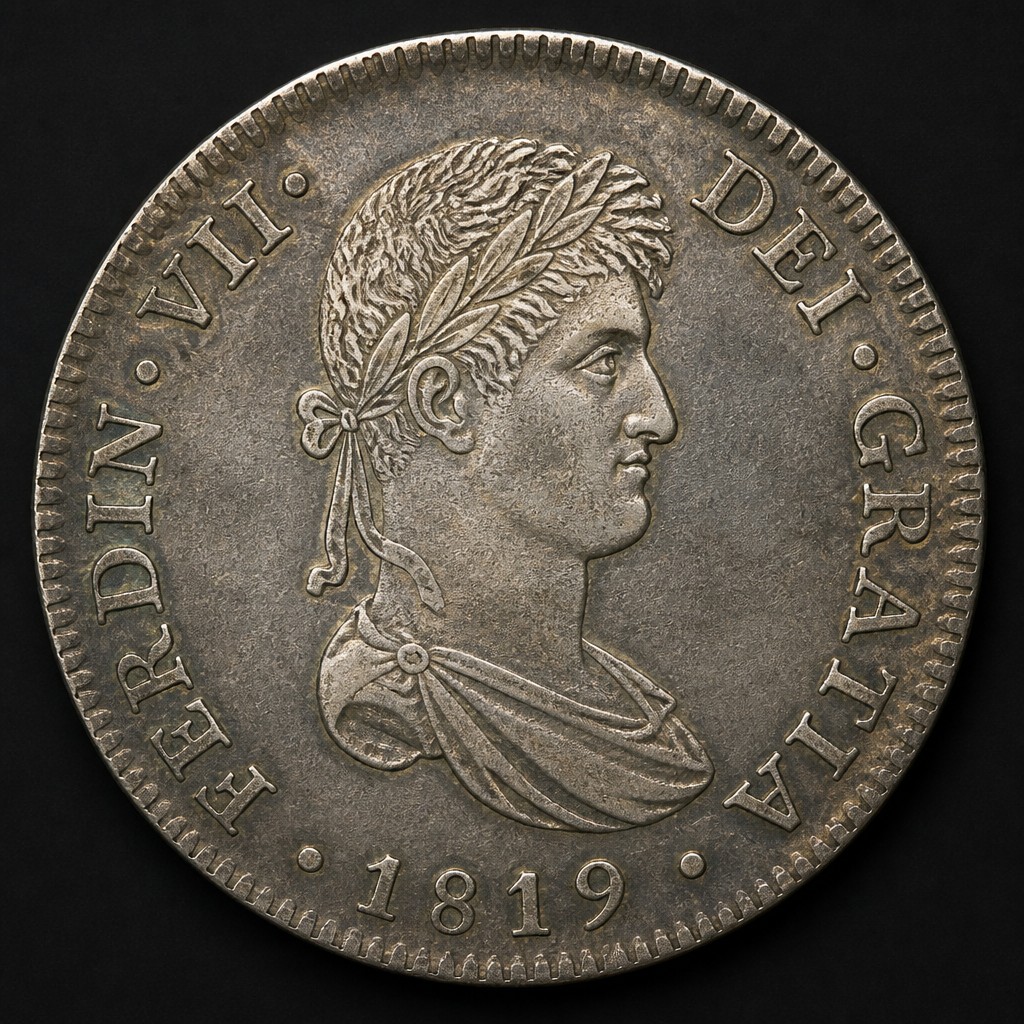
Colombia 8 Reales
Colonial issues through late 18th/early 19th century; republican issues 1820s–1830s
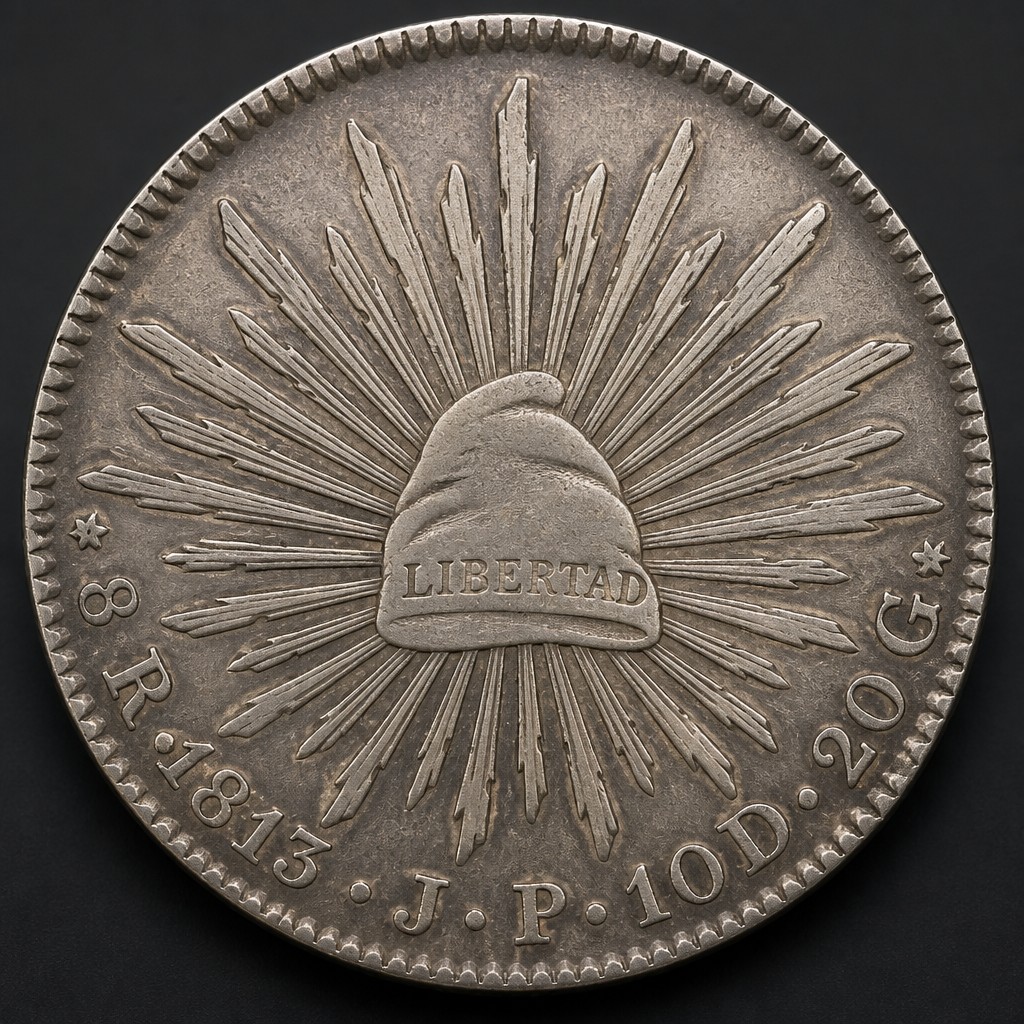
Argentina 8 Reales
c. 1813–1836
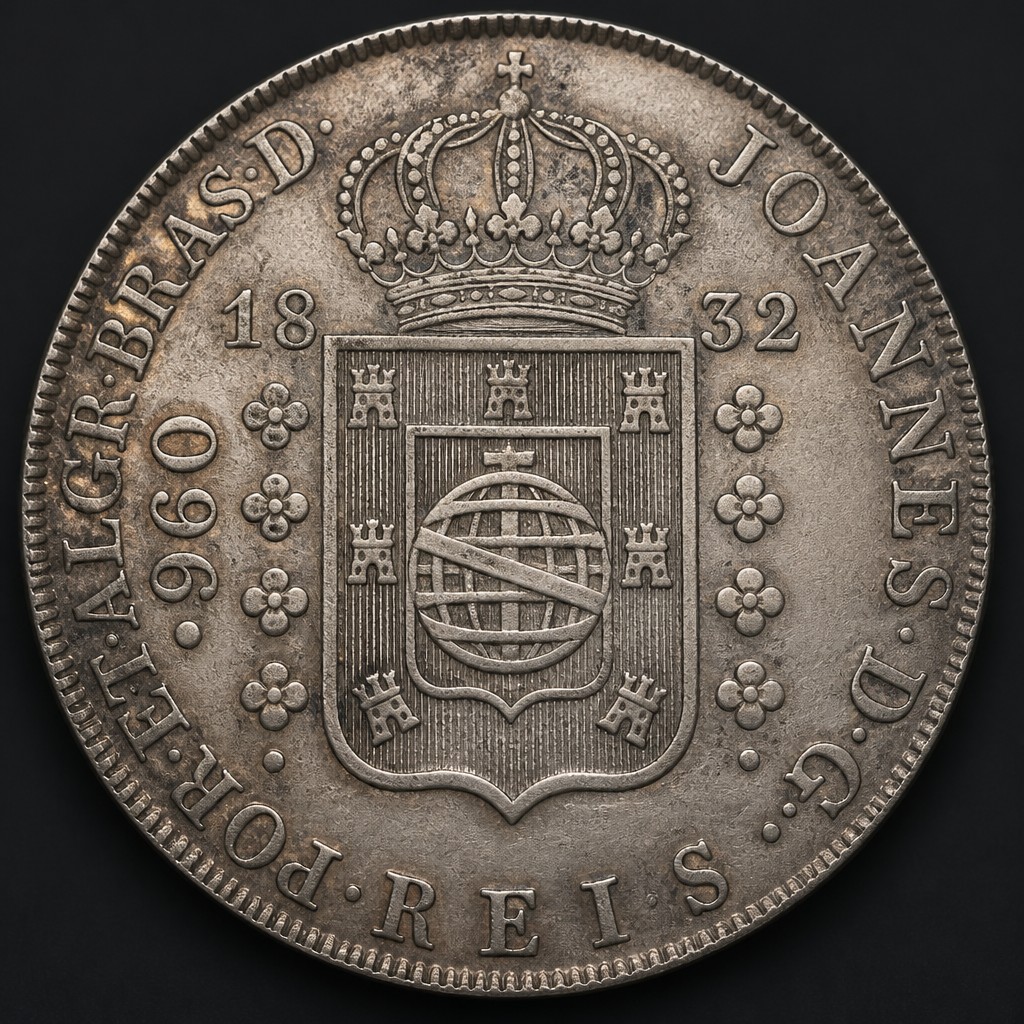
Brazil 960 Reis
1809–1832
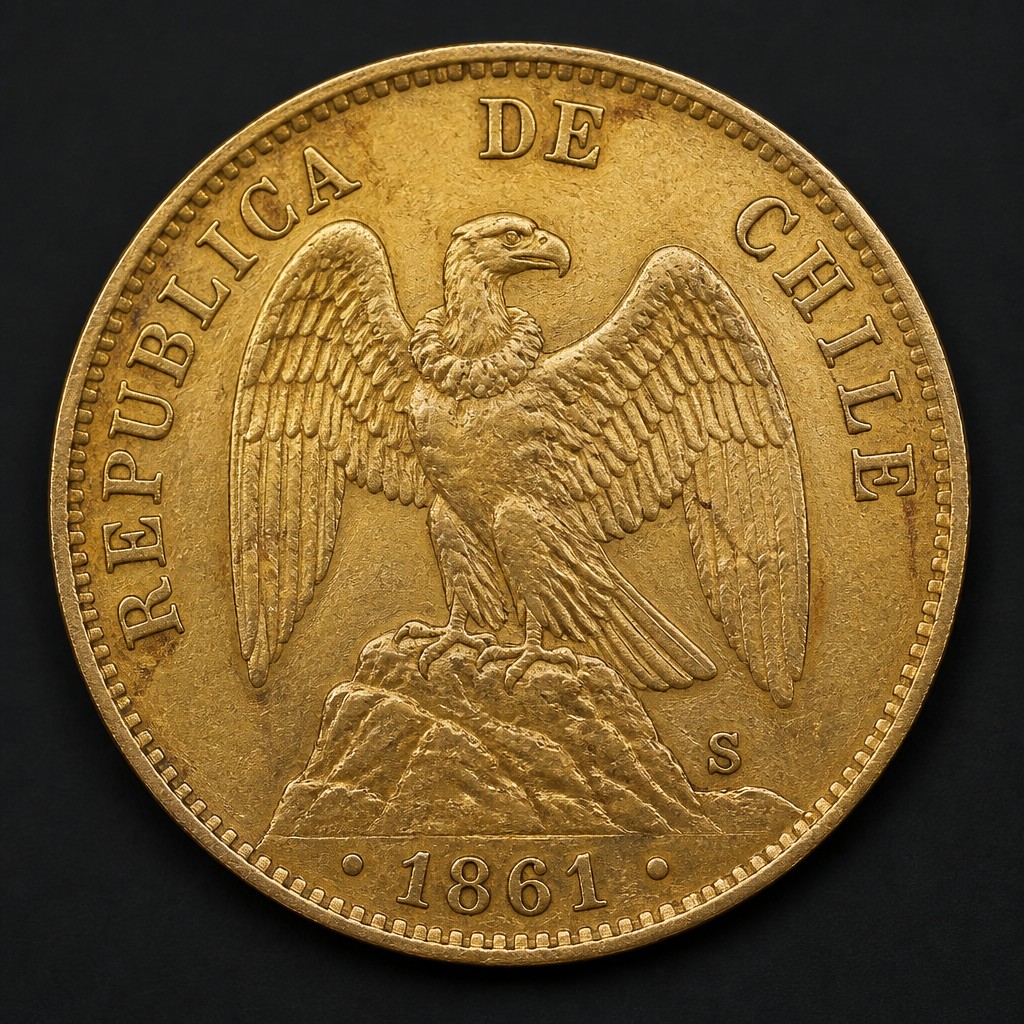
Chile Peso (Condor)
1851–1873 (gold condor series); modern base-metal peso 1990s–present
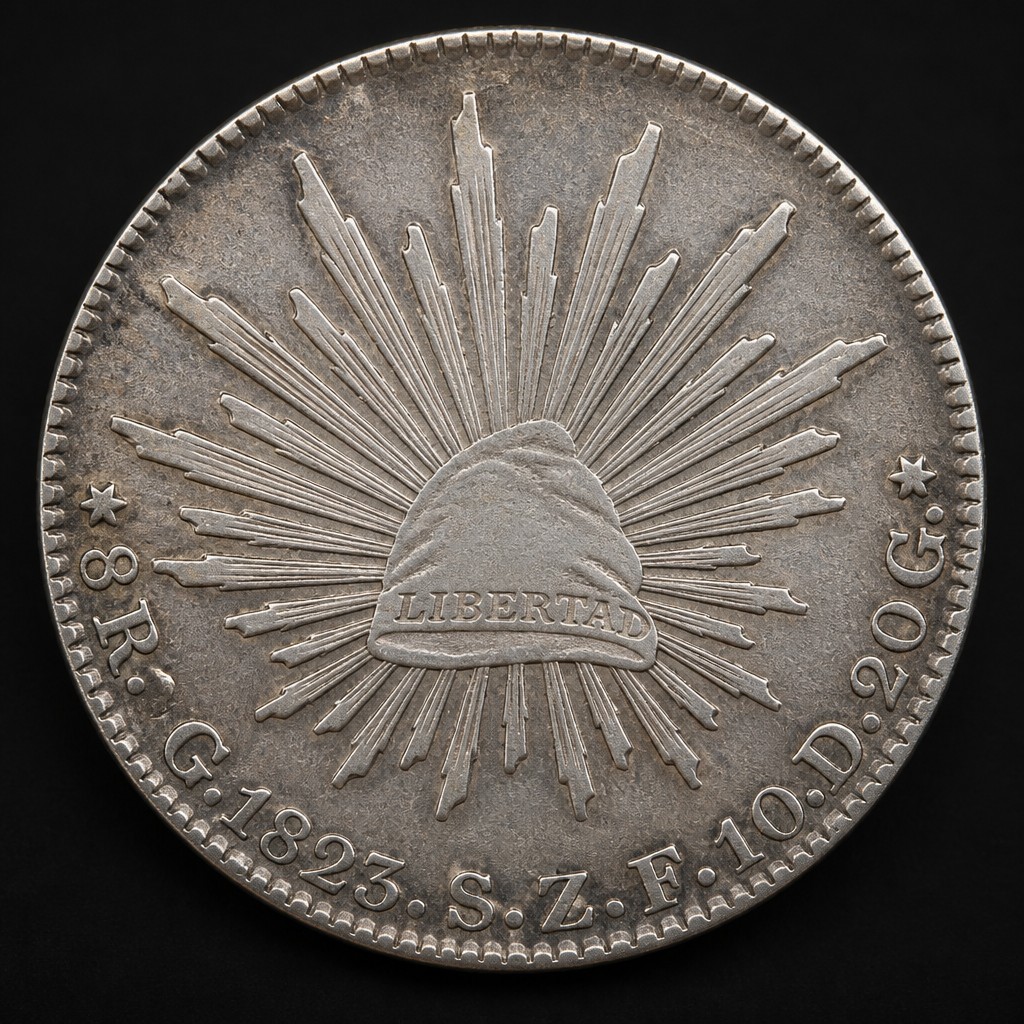
Mexican 8 Reales Cap and Rays
1823-1897
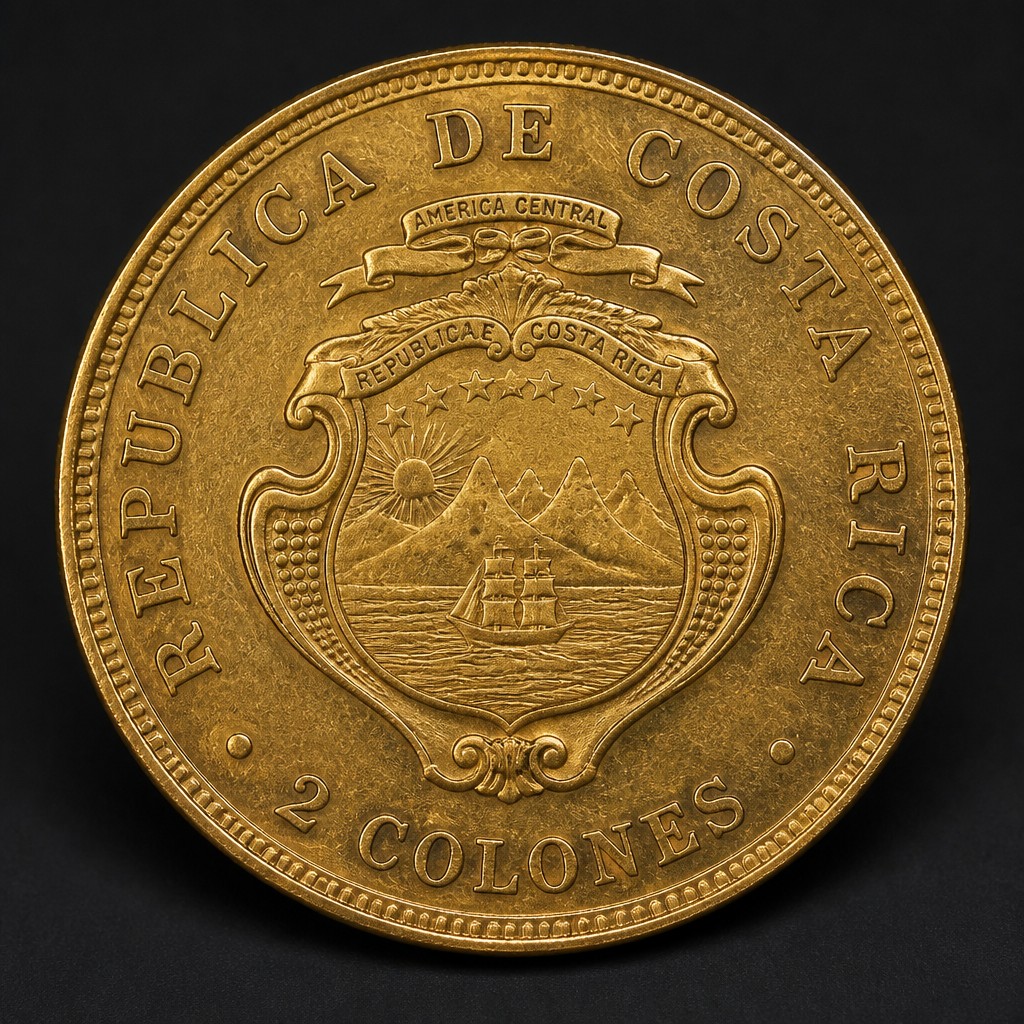
Costa Rica 2 Colones Gold
Late 1890s–early 1900s
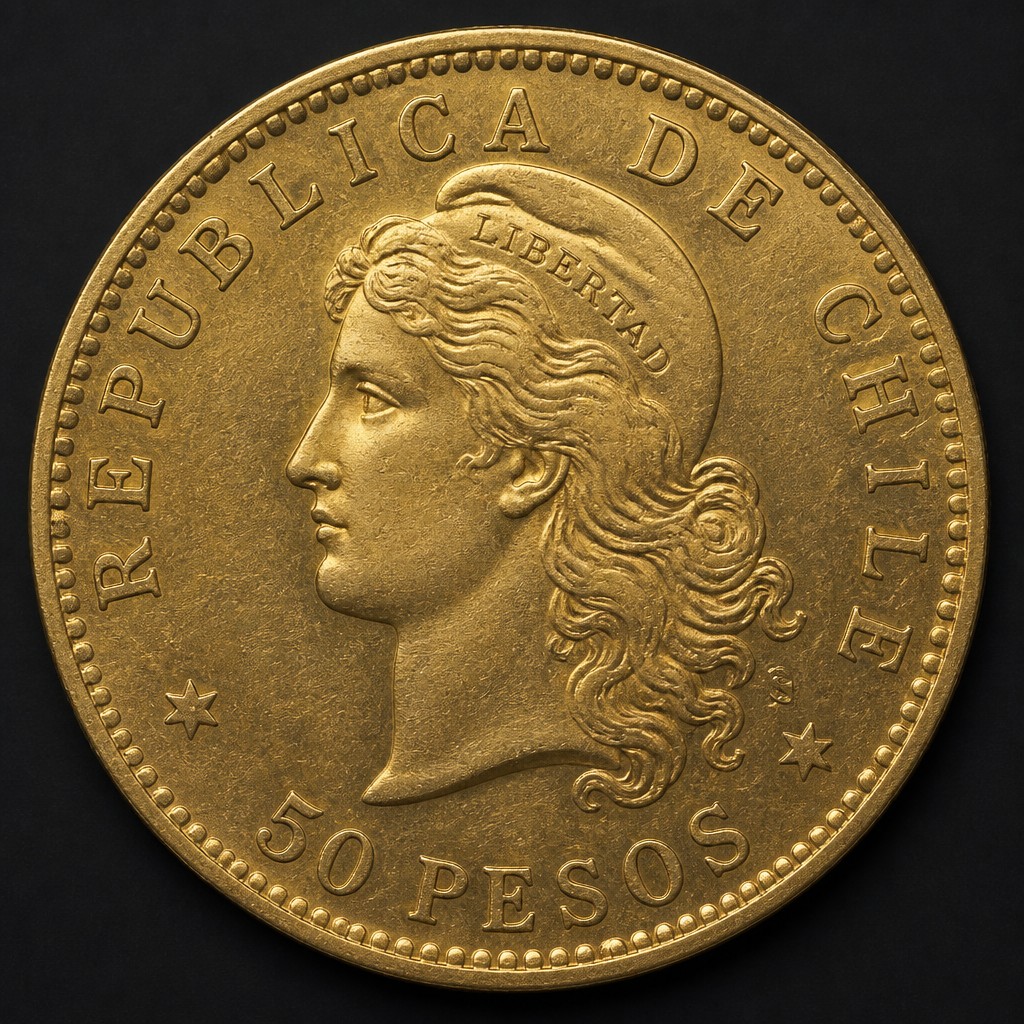
Chilean 50 Pesos Gold
1926–1980 (with interruptions)
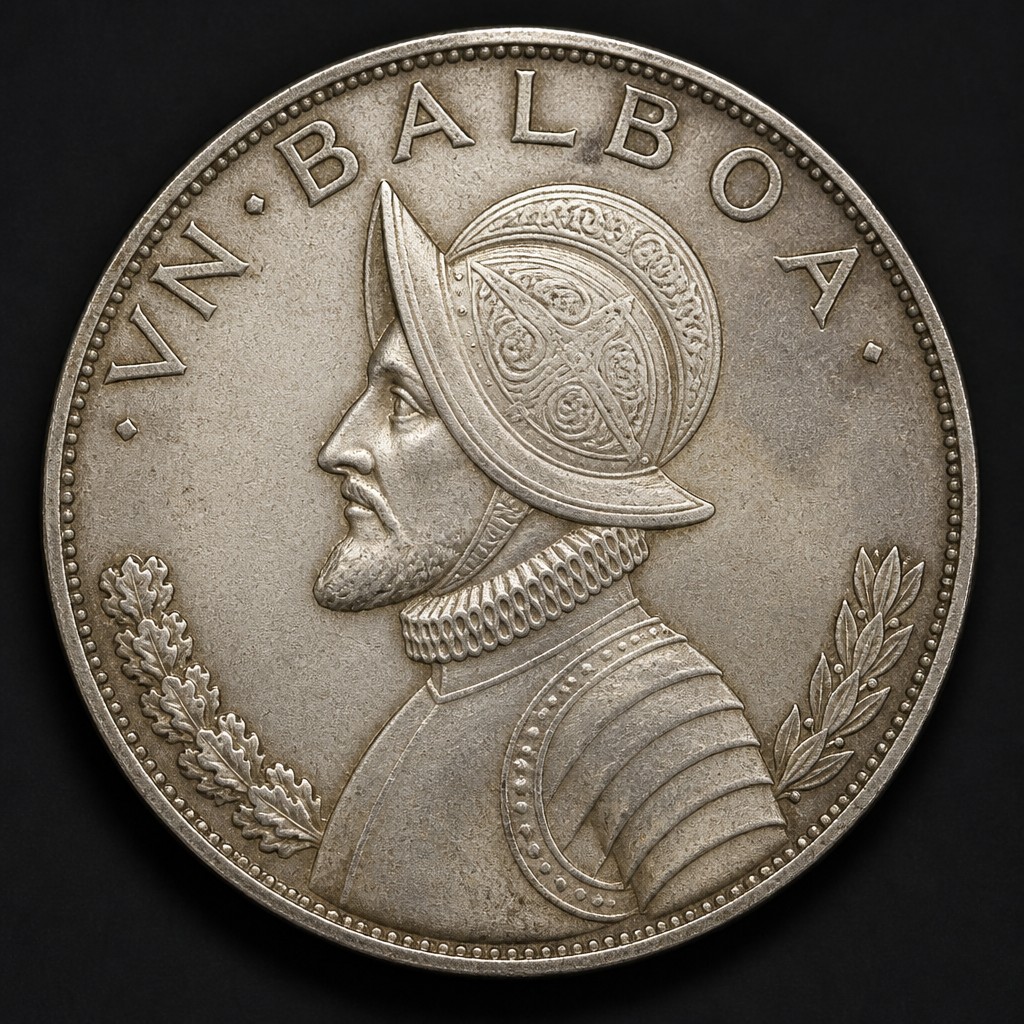
Panama Balboa Silver
1904, 1931, 1934, 1947, 1953, 1966 (various dates)
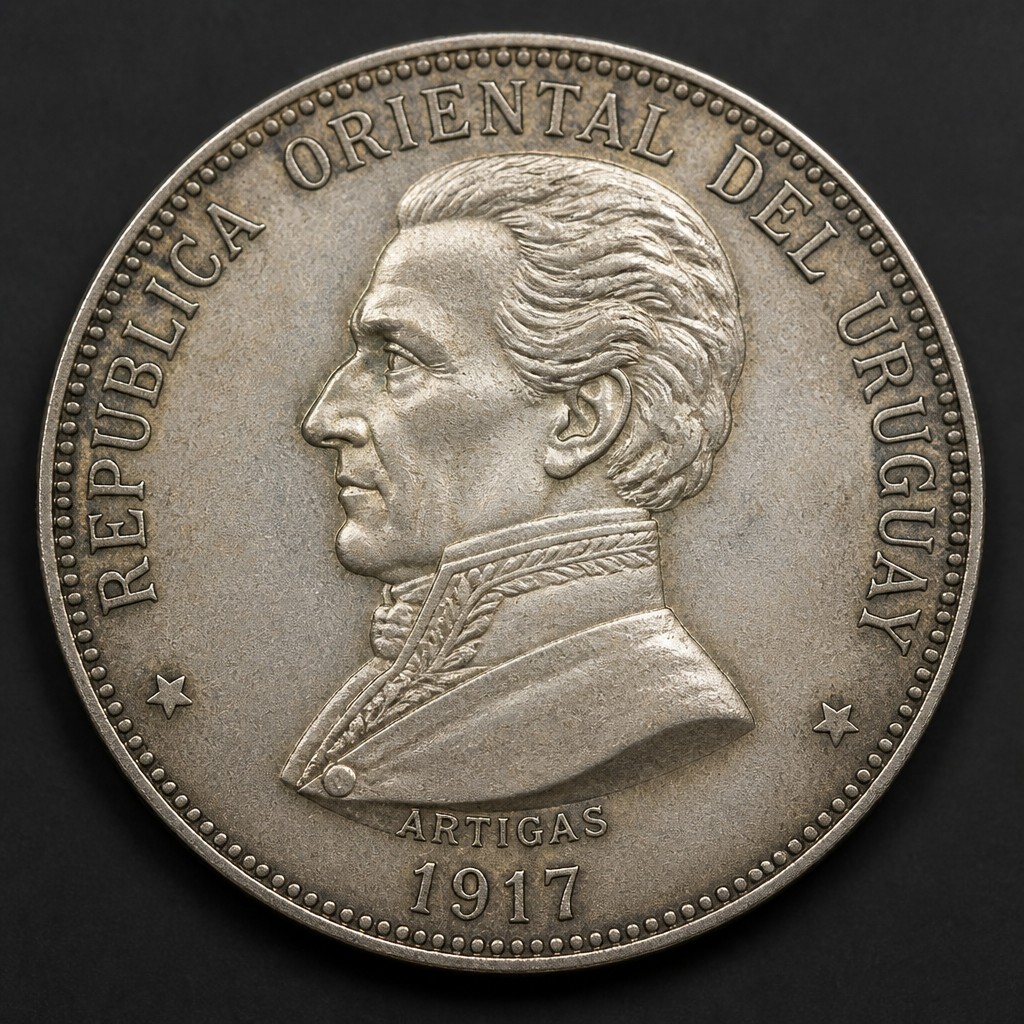
Uruguay Peso Silver 'Artigas'
1917–1920 (with related commemorative issues in later decades)
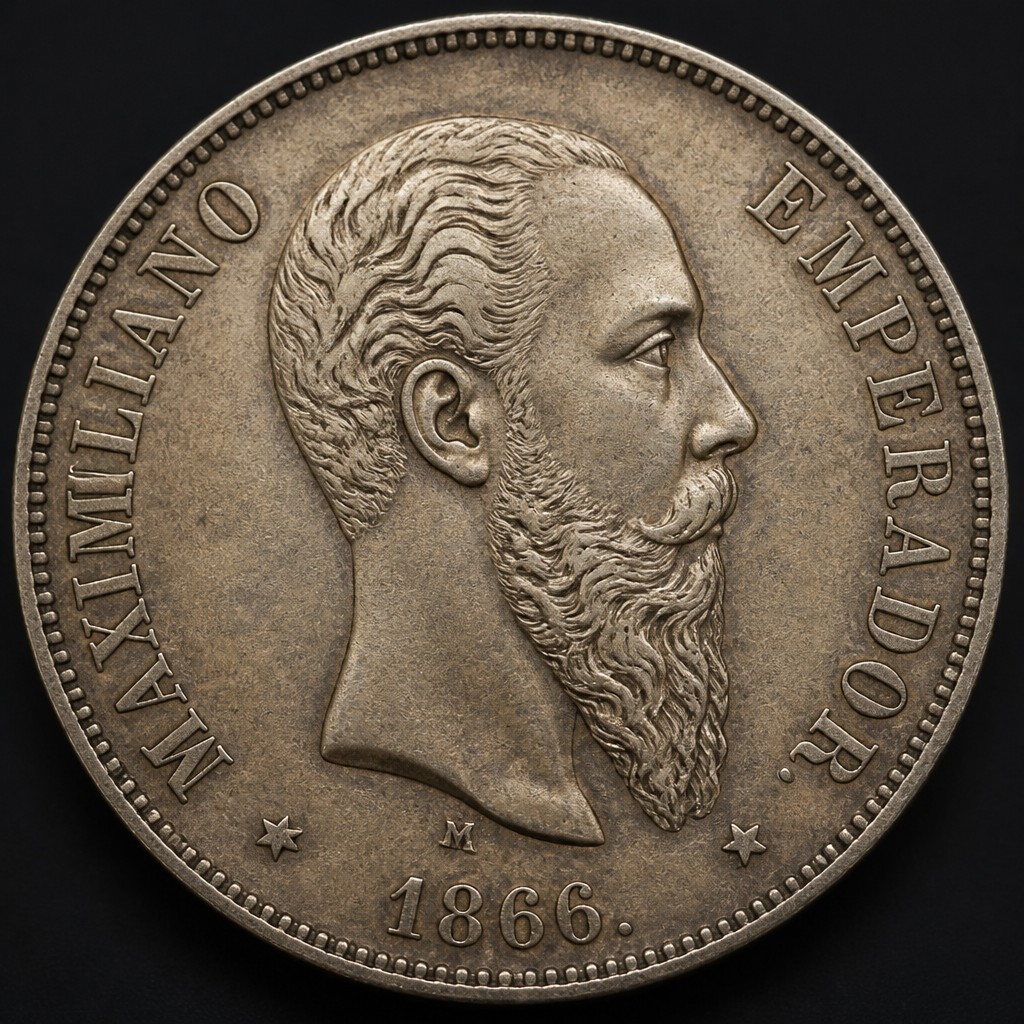
Mexican Emperor Maximilian Peso
1866–1867
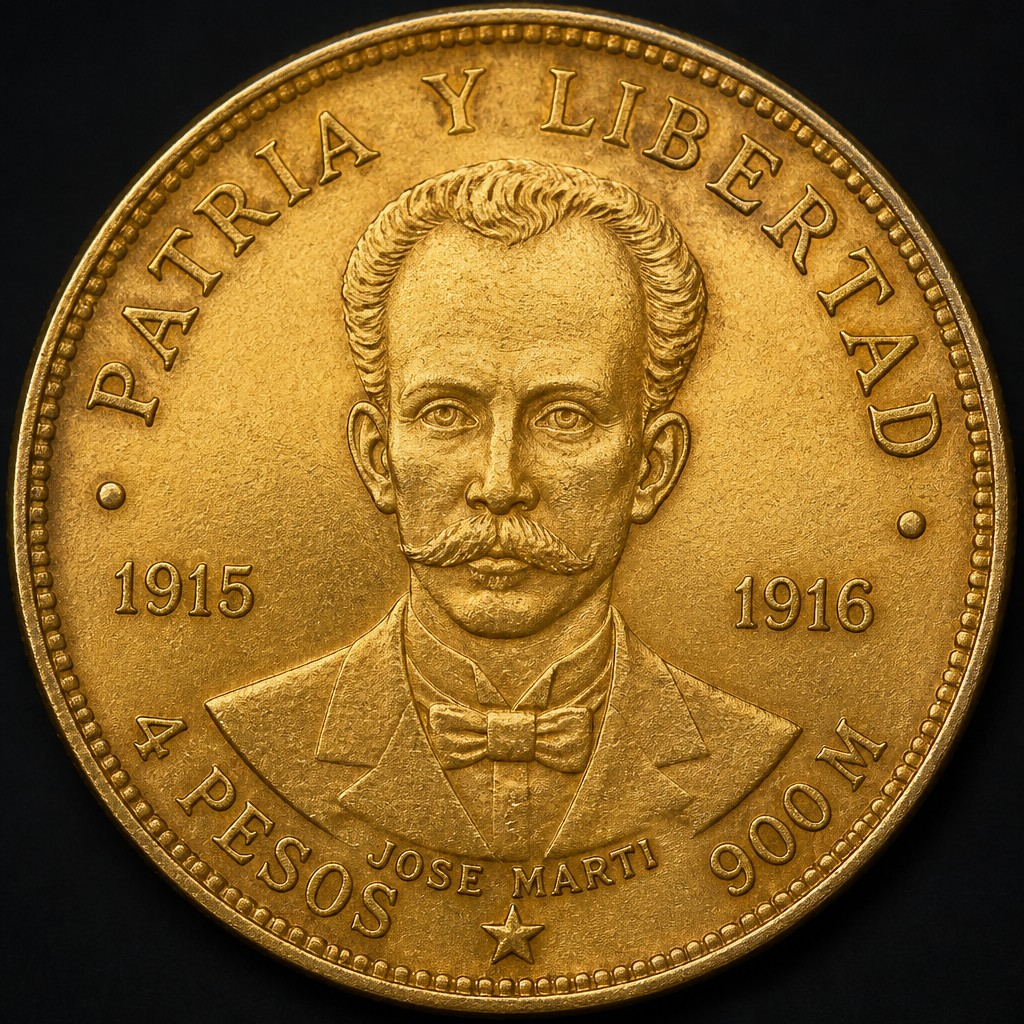
Cuba 4 Pesos Gold Jose Marti
1915–1916
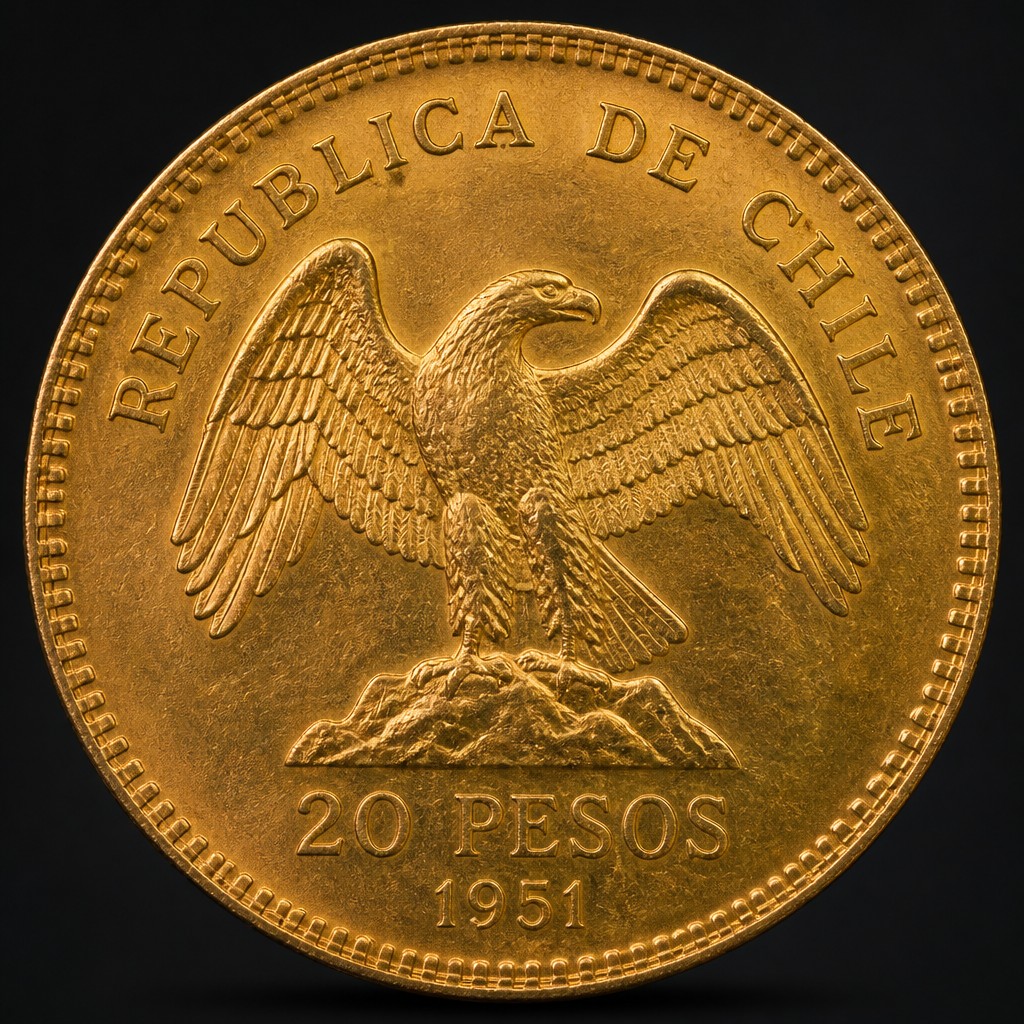
Chilean 20 Pesos Gold
19th century issues and 1926–1980 condor series