
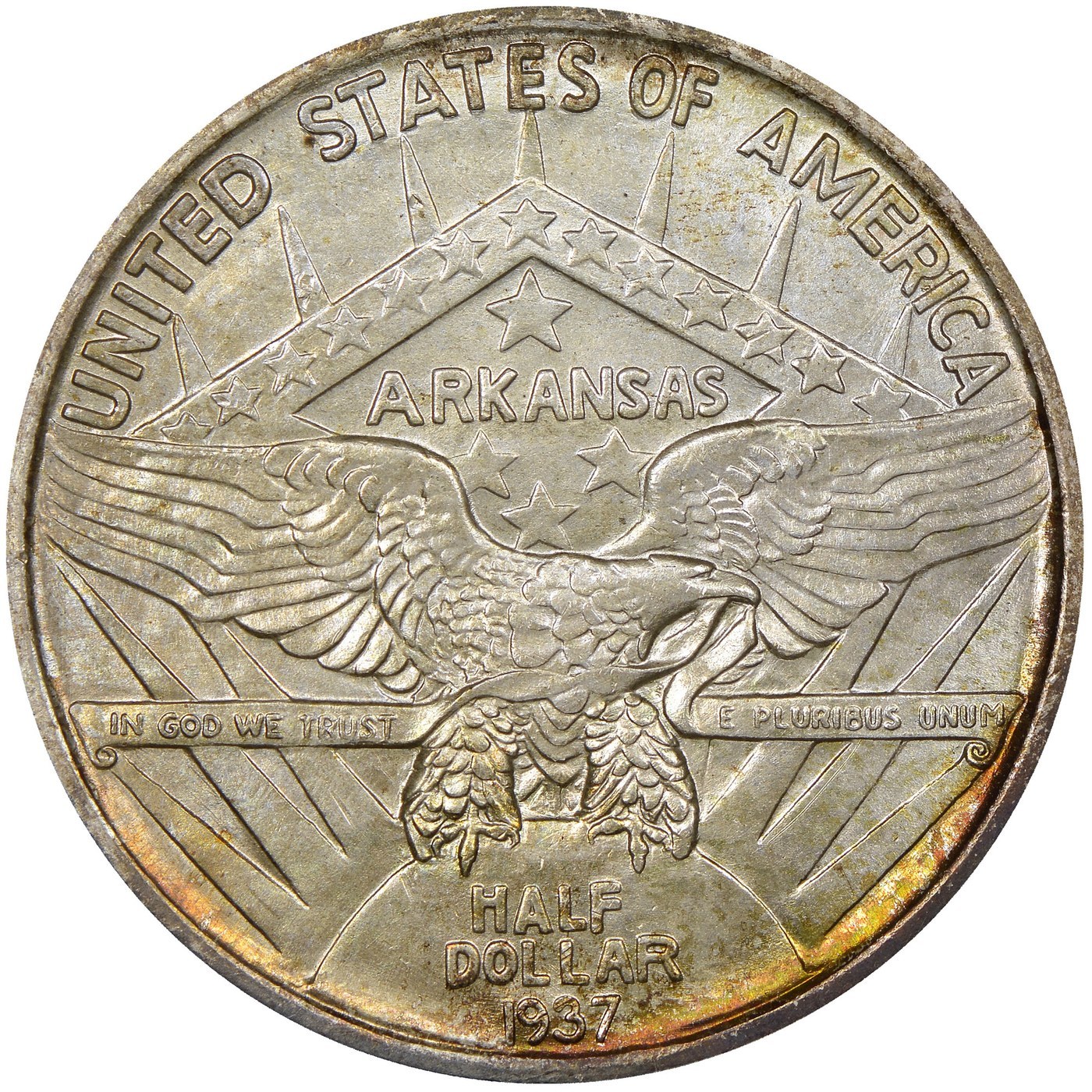
Arkansas Centennial Half Dollar (Robinson)
A 1936 U.S. silver commemorative half dollar pairing a portrait of Senator Joseph T. Robinson with the Arkansas Centennial eagle; a scarce one-year Philadelphia issue.
- Country
- United States
- Denomination
- 50¢
- Metal
- Silver
Got a coin like this?
Identify any coin from a photo, free.
Overview
The Arkansas Centennial Half Dollar (Robinson) is a United States silver commemorative fifty-cent piece struck in 1936. It is a distinct variant of the Arkansas Centennial commemorative program, replacing the earlier design's Liberty-and-Indian portrait side with a profile portrait of Joseph Taylor Robinson, the sitting United States Senator from Arkansas. It belongs to the "classic" commemorative series (1892–1954), in which special half dollars were authorized by Congress and sold at a premium to raise funds.
The portrait side carries the right-facing bust of Robinson, while the other side keeps the eagle design used on the regular Arkansas Centennial half dollars of the mid-1930s. Because the eagle side carries the statutory inscriptions and date, there has long been debate among collectors over which face is technically the obverse and which the reverse.
Struck in the standard 90% silver alloy of a circulating half dollar, it was never meant for everyday use. It was produced only in 1936, only at Philadelphia, and in modest numbers, making it a one-year type that is collected as a companion to the broader Arkansas Centennial series.
History & Background
The Arkansas Centennial commemorative program was authorized to mark the 1936 centennial of Arkansas statehood (Arkansas entered the Union in 1836). Regular Arkansas Centennial half dollars had been issued from 1935 onward with an eagle on one side and a paired Liberty and Native American portrait on the other. In 1936 a separate act provided for a variant honoring Joseph T. Robinson.
Robinson was a nationally prominent figure: a long-serving U.S. Senator from Arkansas, Senate Majority Leader, and the Democratic vice-presidential nominee in 1928. Placing a living politician on a United States coin was controversial, as it broke with the tradition of avoiding living persons on federal coinage, and the choice drew criticism at the time. Robinson died in 1937, the year after the coin appeared.
The Robinson portrait was modeled by sculptor Henry Kreis, while the eagle side retained the design associated with Edward Everett Burr's original Arkansas Centennial work. The coins were struck only at the Philadelphia Mint in 1936, with total distribution on the order of a couple dozen thousand pieces — a small mintage that has kept the type relatively scarce.
How to Identify
Identify the type by its two designs together. One side shows a single right-facing male portrait bust — Senator Joseph T. Robinson — accompanied by his name; this single-portrait design is what separates the Robinson variant from the regular Arkansas Centennial half dollars, which instead pair a Liberty head with a Native American on that side. The other side shows a spread eagle, the same eagle used across the Arkansas Centennial series, with state and centennial lettering and the date.
The coin is a standard-size half dollar: about 30.6 mm in diameter, roughly 12.5 grams, struck in 90% silver with a reeded edge. It was made only in 1936 and only at Philadelphia, so a genuine example carries no mint mark.
Because it is a commemorative rather than a circulating coin, neither side resembles the Walking Liberty half dollar of the same era. The combination of a named Robinson portrait on one face and the Arkansas eagle on the other is the surest identifier.
Value & Collectibility
As a scarce one-year classic silver commemorative, the Arkansas Centennial (Robinson) half dollar is worth well above its face value and its silver content. Its relatively small mintage supports a solid collector premium, and it is often collected alongside the regular Arkansas Centennial issues.
Circulated and lightly worn examples generally trade from around the mid tens of dollars up into the low hundreds, while sharply struck, high-grade uncirculated coins bring more. Condition, original surfaces, eye appeal, and third-party grade all strongly affect price.
Because values track the collector market and the coin's grade, any specific example should be checked against recent auction results and current price guides rather than a single fixed figure.
Frequently asked questions
What does the Arkansas Centennial (Robinson) Half Dollar commemorate?
It is part of the program marking the 1936 centennial of Arkansas statehood. This variant also honors Joseph T. Robinson, a U.S. Senator from Arkansas, whose portrait appears on one side.
Who is on the coin?
One side shows a profile portrait of Senator Joseph Taylor Robinson, who was Senate Majority Leader and the 1928 Democratic vice-presidential nominee. The other side shows the Arkansas Centennial eagle.
How is it different from a regular Arkansas Centennial half dollar?
The regular issues pair a Liberty head with a Native American on the portrait side; the Robinson variant replaces that with a single portrait of Senator Robinson. Both share the same eagle design.
Is it made of silver?
Yes. Like a regular U.S. half dollar of the era, it is struck in 90% silver with 10% copper, about 12.5 grams and 30.6 mm across, with a reeded edge.
Does it have a mint mark?
No. It was struck only at the Philadelphia Mint in 1936, so genuine examples carry no mint mark.
Arkansas Centennial Half Dollar (Robinson) guides
In-depth guides for identifying, valuing, and collecting Arkansas Centennial Half Dollar (Robinson).
Other coins you may enjoy
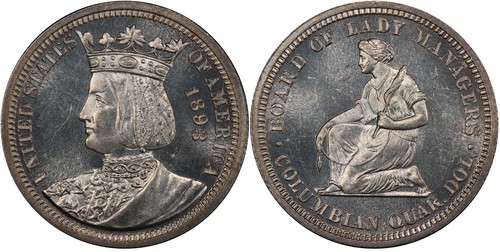
Isabella Quarter
1893
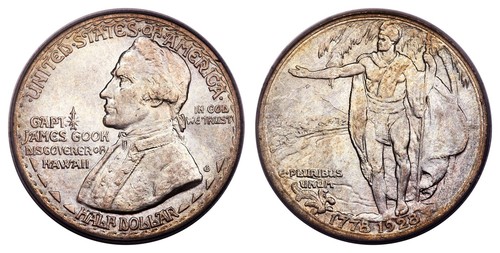
Hawaiian Sesquicentennial Half Dollar
1928
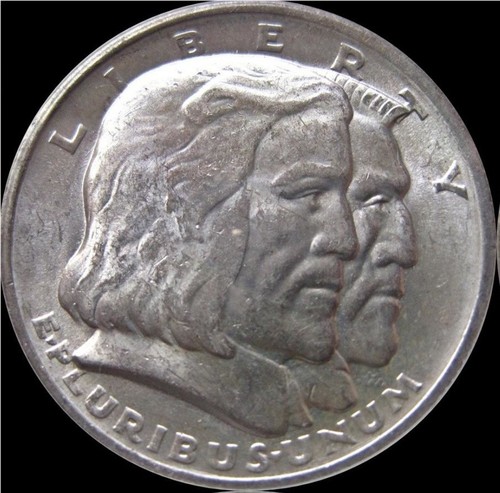
Long Island Tercentenary Half Dollar
1936
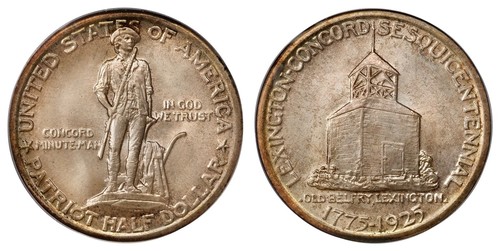
Lexington-Concord Sesquicentennial Half Dollar
1925
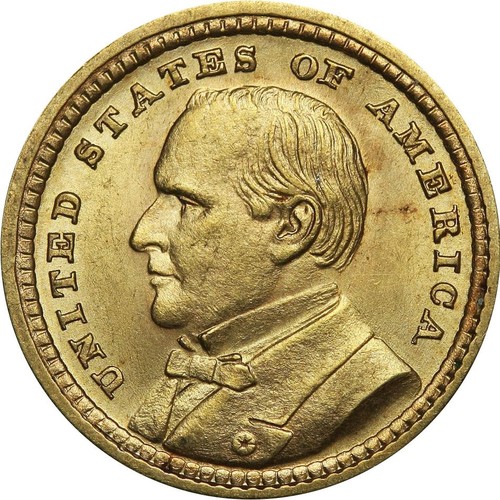
Louisiana Purchase Exposition Dollar (Jefferson)
1903
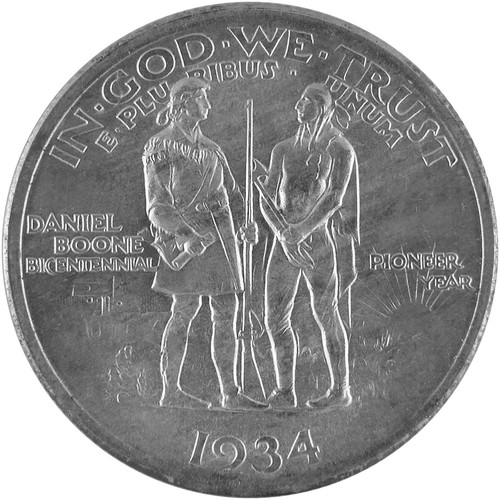
Daniel Boone Bicentennial Half Dollar
1934–1938
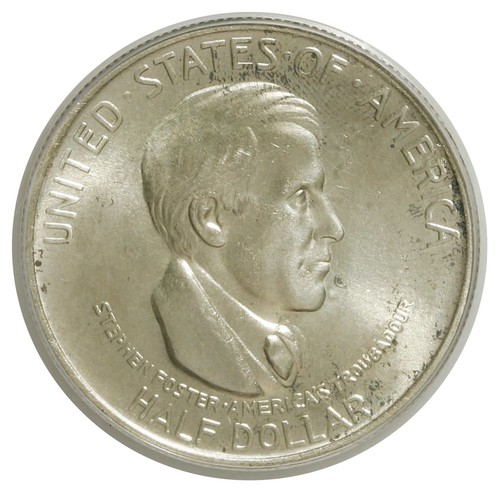
Cincinnati Music Center Half Dollar
1936
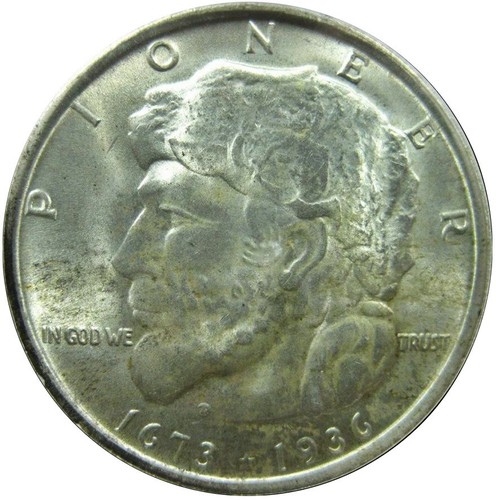
Elgin Illinois Centennial Half Dollar
1936
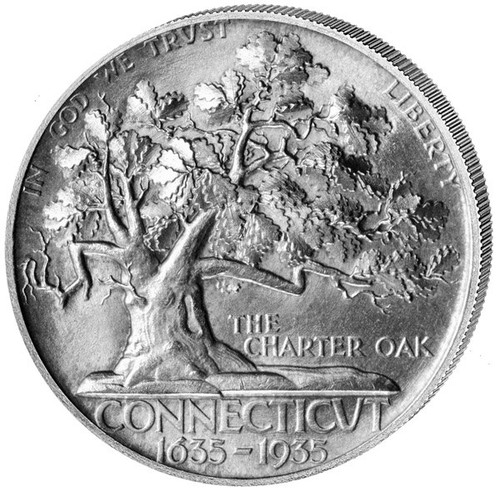
Connecticut Tercentennial Half Dollar
1935
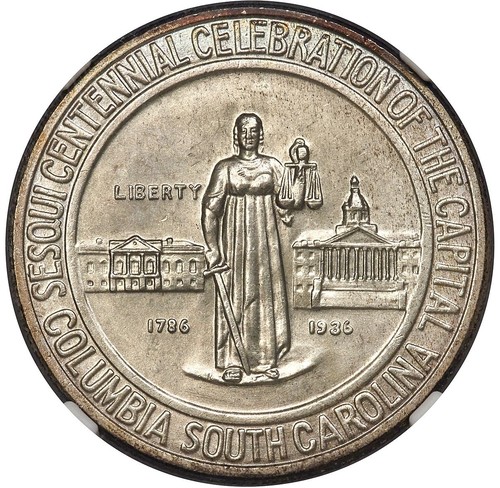
Columbia South Carolina Sesquicentennial Half Dollar
1936
Sesquicentennial of American Independence Quarter Eagle
1926
Pilgrim Tercentenary Half Dollar
1920-1921