
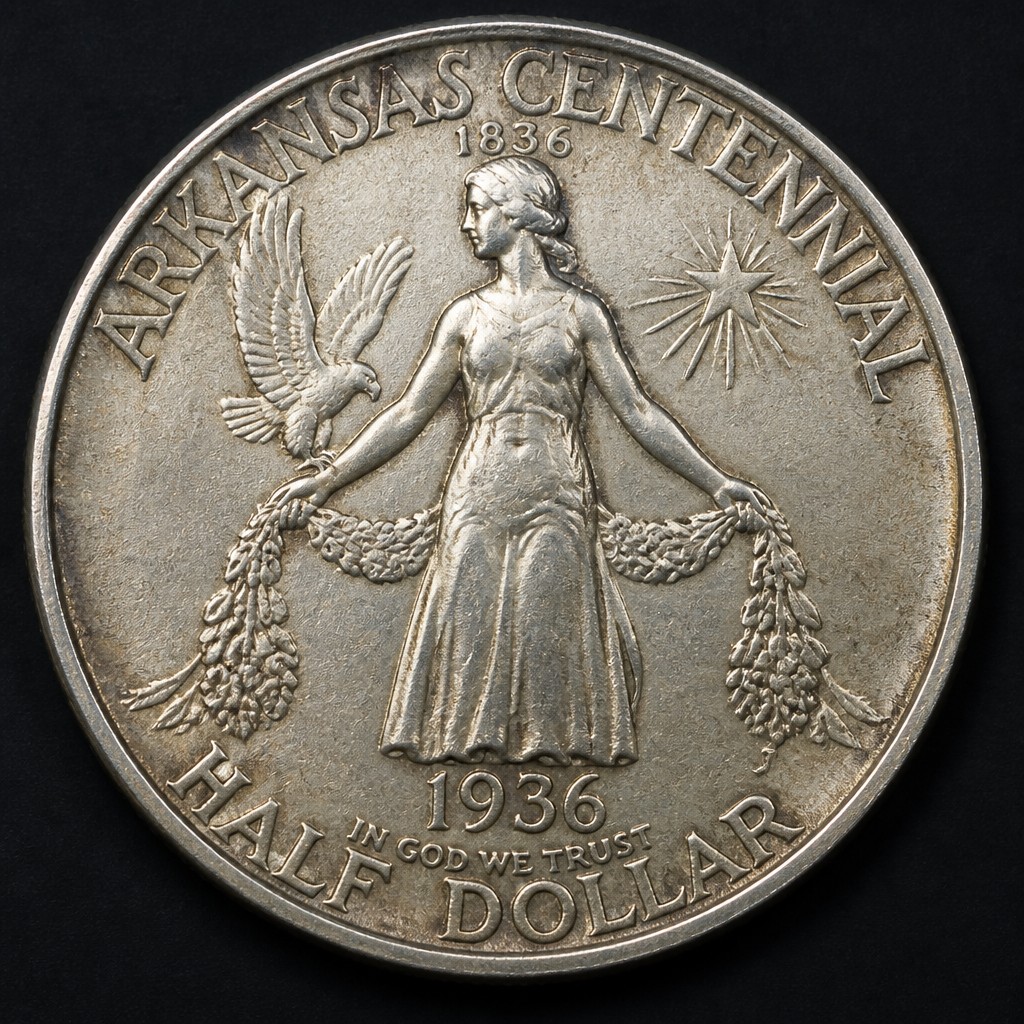
Arkansas Centennial Half Dollar
A commemorative half dollar marking Arkansas's 100th anniversary of statehood, pairing a Native American profile with an idealized Liberty figure on the obverse.
- Country
- United States
- Denomination
- Half Dollar
- Metal
- 90% Silver, 10% Copper
Got a coin like this?
Identify any coin from a photo, free.
Overview
The Arkansas Centennial Half Dollar was struck to celebrate the 100th anniversary of Arkansas achieving statehood in 1836. Its design pairs two profile heads on the obverse, representing both the state's Native American heritage and an idealized figure of American Liberty, symbolizing the passage from earlier inhabitants to modern statehood.
Like several other mid-1930s commemoratives, the coin was struck over multiple years at three different mints, and it is often collected together with the related Arkansas-Robinson half dollar, a later variant that swapped in a portrait of Senator Joseph T. Robinson.
History & Background
Congress authorized the coin in 1934 to mark the centennial of Arkansas statehood, which had occurred in 1836. The design was credited to Edward Everett Burr, with modeling work carried out by sculptor Emily Bates, reflecting the collaborative design process common to many commemoratives of the period.
Production ran from 1935 through 1939 at Philadelphia, Denver, and San Francisco, again largely sustained by continued sales to collectors rather than a single centennial-year event. In 1936, a variant obverse replacing one of the profile heads with a portrait of Arkansas Senator Joseph T. Robinson was introduced as the "Arkansas-Robinson" half dollar, struck alongside the standard design that same year and afterward.
How to Identify
The obverse displays two conjoined profile heads facing left, one representing a Native American figure and the other an idealized female figure symbolizing Liberty or the modern state, with "ARKANSAS CENTENNIAL" and other legends around the rim. The reverse depicts an eagle with wings spread, perched with a banner, along with the dates 1836 and 1936 and "ARKANSAS" prominently displayed.
The coin uses standard 90% silver half dollar composition, with D and S mint marks for Denver and San Francisco strikes and no mark for Philadelphia coins. Collectors should distinguish the standard Arkansas Centennial design from the later Arkansas-Robinson variant, which replaces one obverse profile with a portrait of Senator Robinson while retaining a similar reverse.
Value & Collectibility
Most standard-design Arkansas Centennial half dollars are moderately common and affordable, though as with other multi-year, multi-mint commemoratives, certain later low-mintage date and mint combinations are scarcer and command higher prices. The Arkansas-Robinson variant is generally considered separately by collectors and has its own distinct mintage and pricing.
A basic type coin in circulated to average mint-state condition is typically inexpensive, while building a complete date-and-mint run, especially including the scarcer late-1930s issues in high grade, requires more effort and expense. Strike quality and overall eye appeal significantly affect value given the design's fine detail.
Frequently asked questions
What does the coin commemorate?
The 100th anniversary of Arkansas achieving U.S. statehood in 1836.
Who are the two figures on the obverse?
A Native American profile representing Arkansas's earlier inhabitants paired with an idealized Liberty figure representing the modern state.
What is the Arkansas-Robinson half dollar?
A 1936 variant that replaced one obverse profile with a portrait of Senator Joseph T. Robinson, considered a separate but related issue.
Are all Arkansas Centennial half dollars valuable?
Most are common and affordable, though a few later low-mintage date and mint combinations bring higher premiums, especially in top grades.
Other coins you may enjoy
1967 Centennial Gold $20 Coin
1967
1976 Montreal Olympics Silver Coin Series
1973–1976
1951 Nickel Commemorative Five Cents
1951
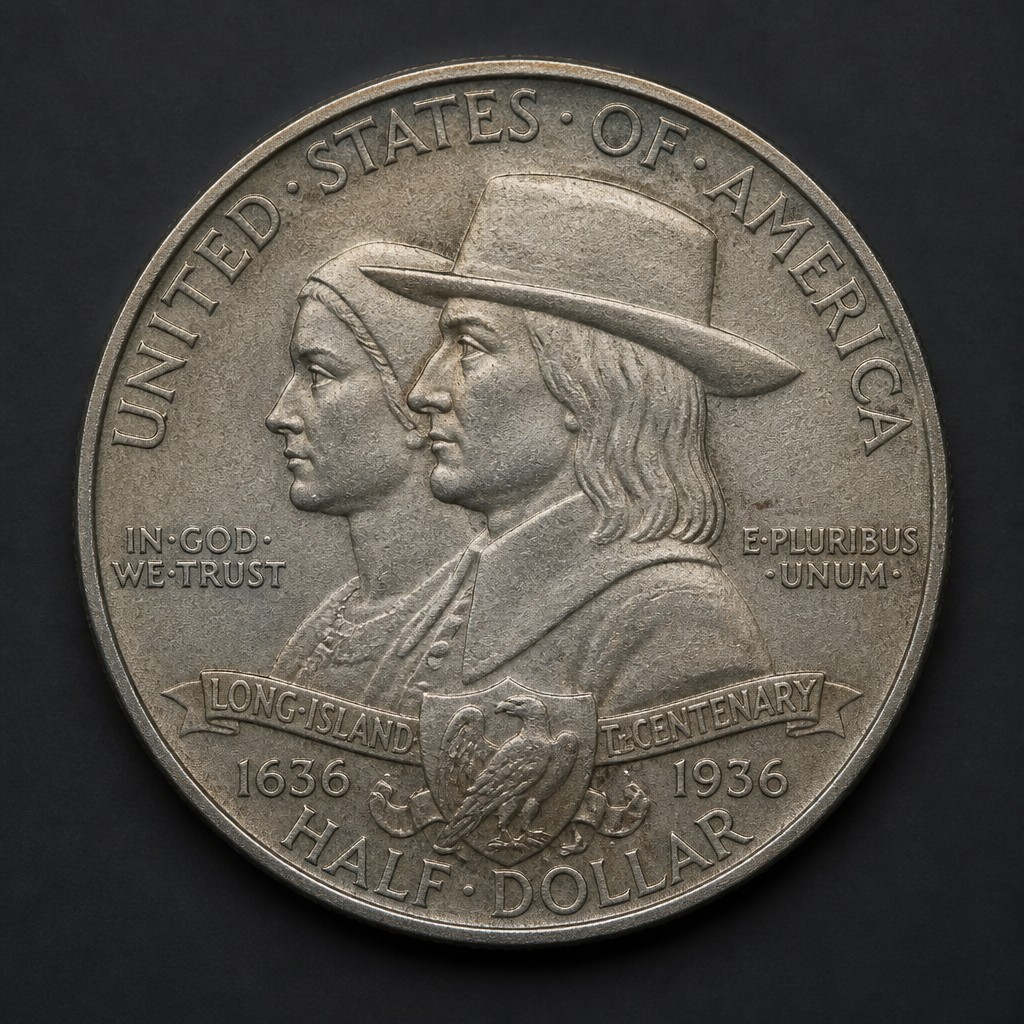
Long Island Tercentenary Half Dollar
1936
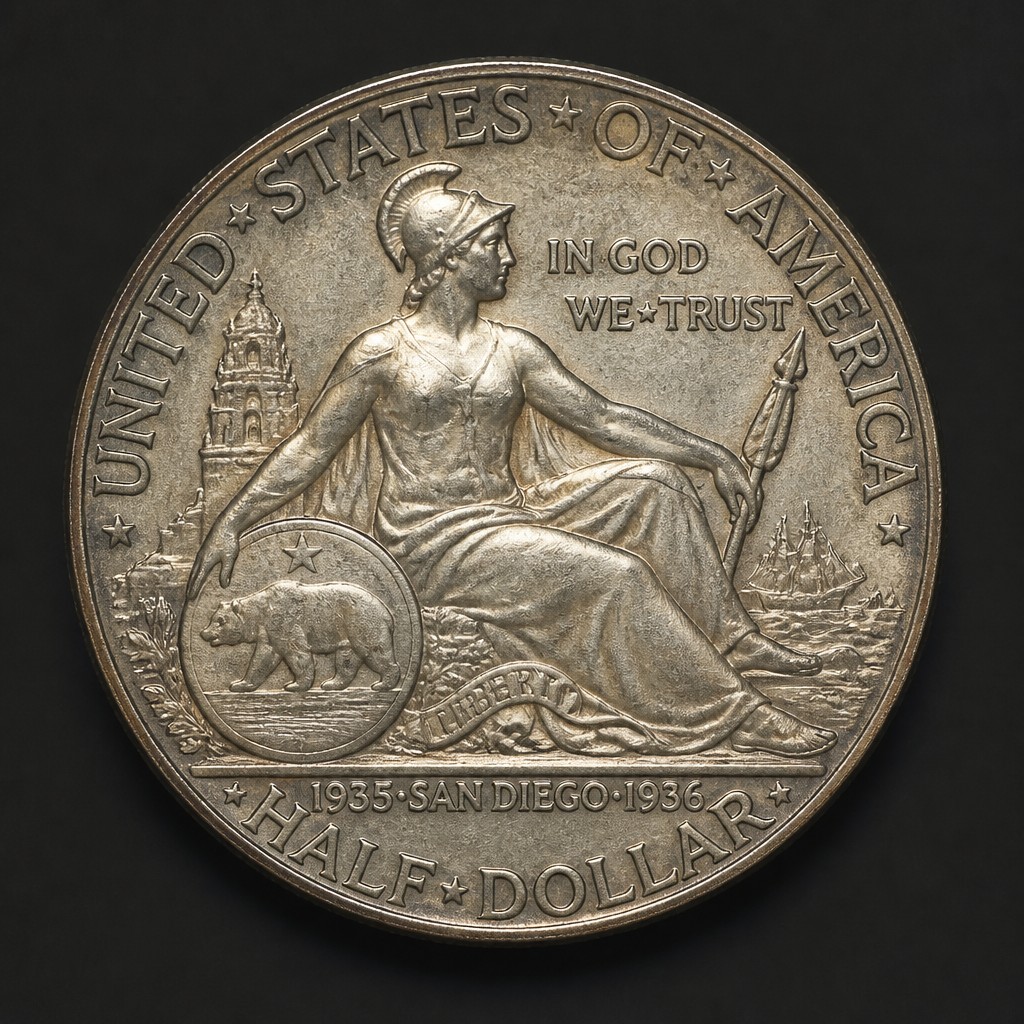
San Diego Pacific Exposition Half Dollar
1935–1936
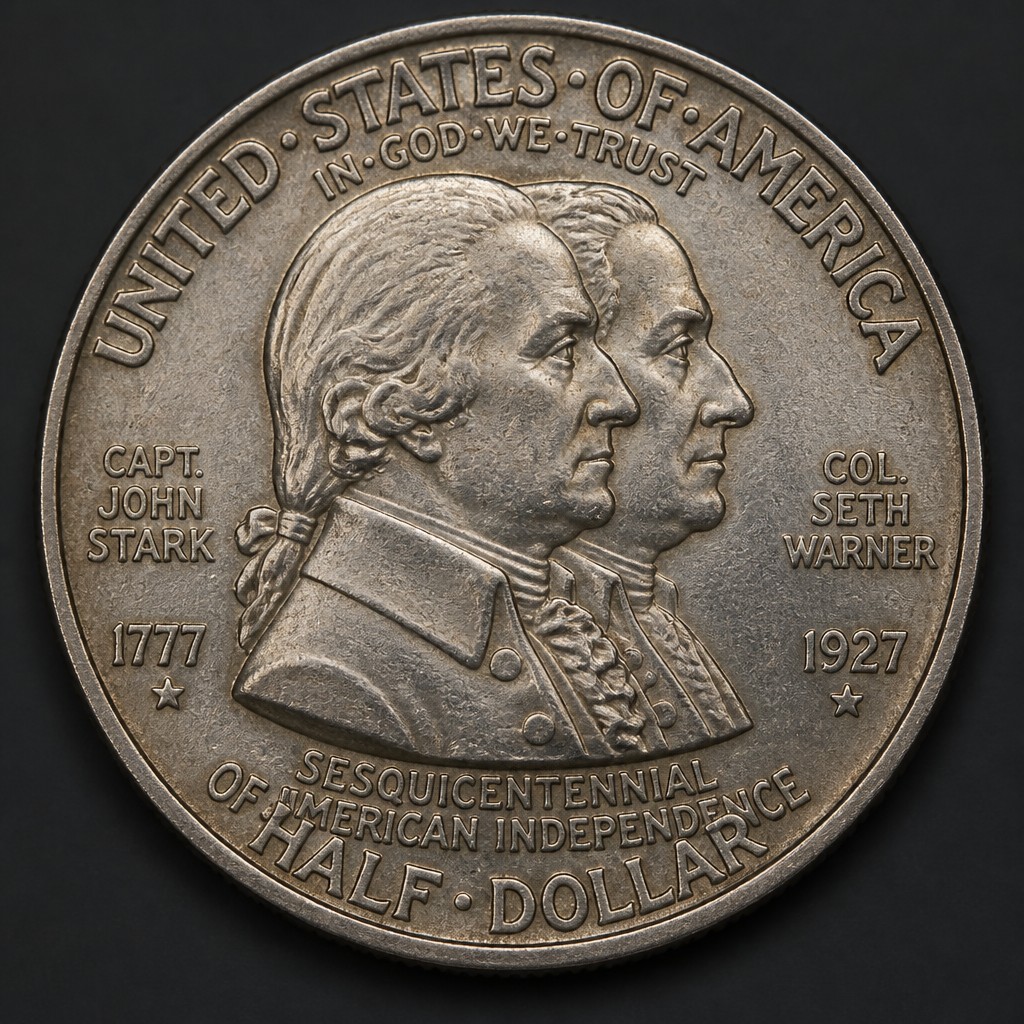
Vermont Sesquicentennial Half Dollar
1927
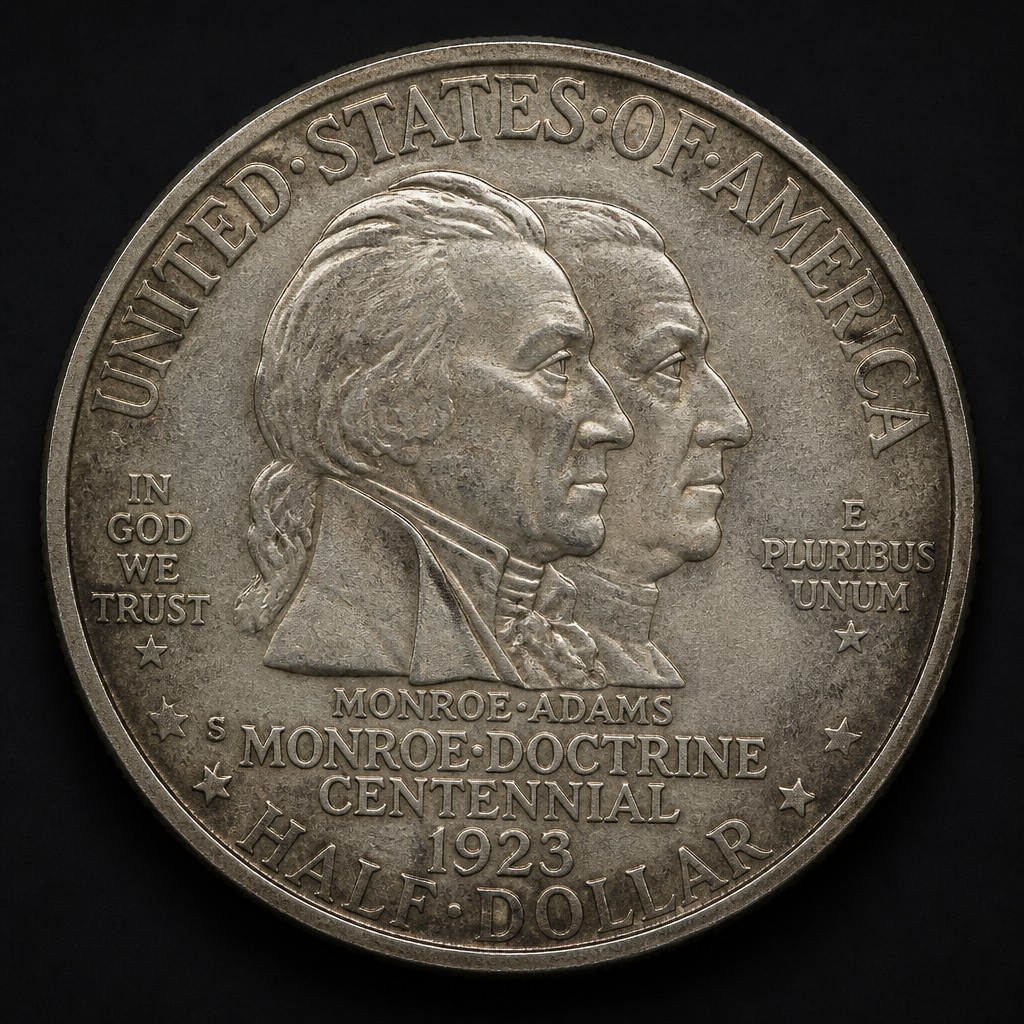
Monroe Doctrine Centennial Half Dollar
1923
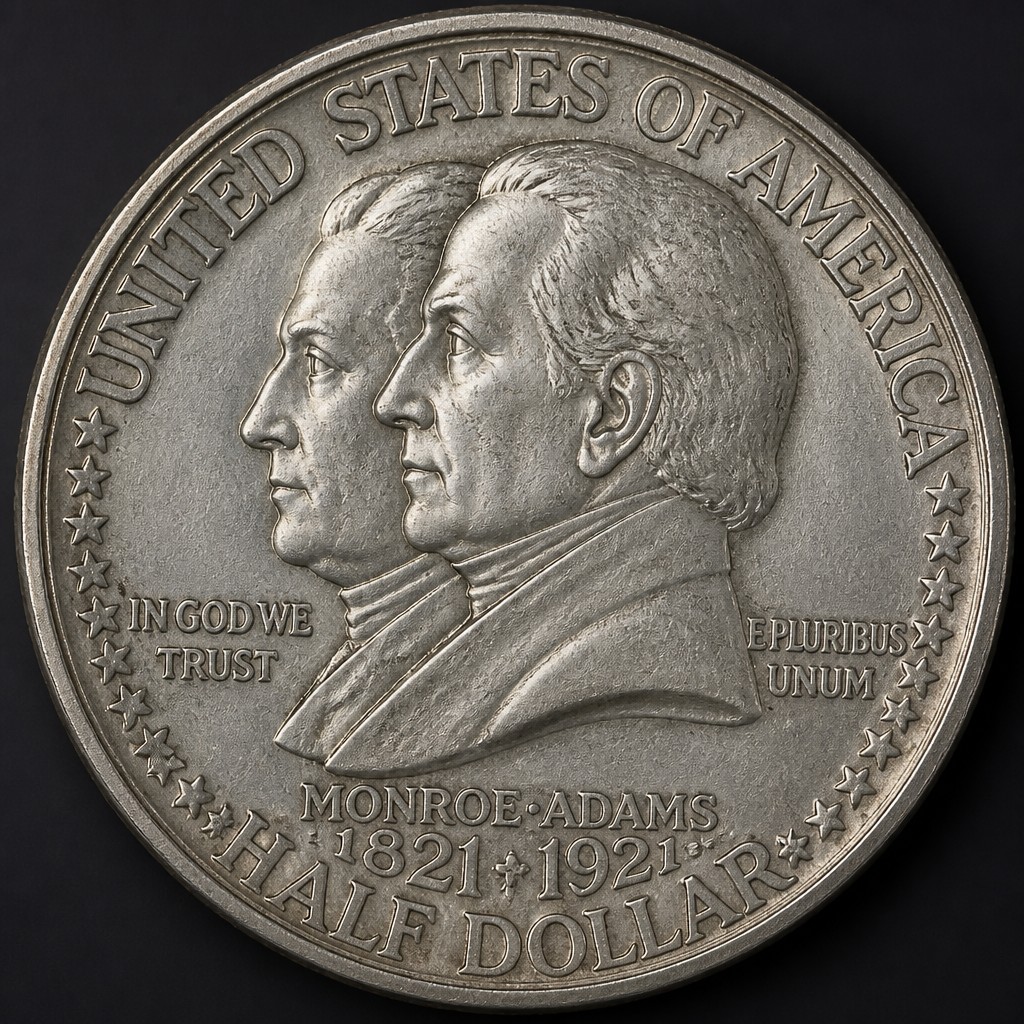
Alabama Centennial Half Dollar
1921
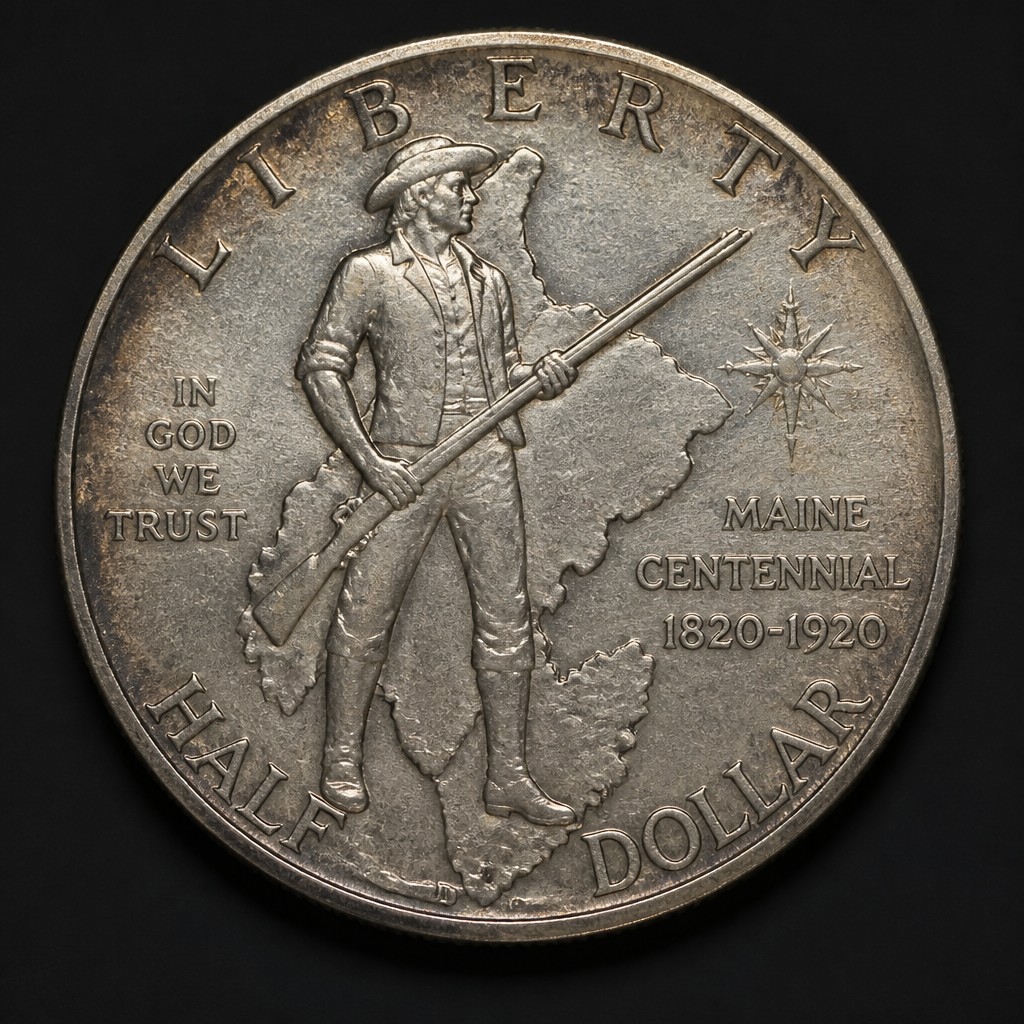
Maine Centennial Half Dollar
1920
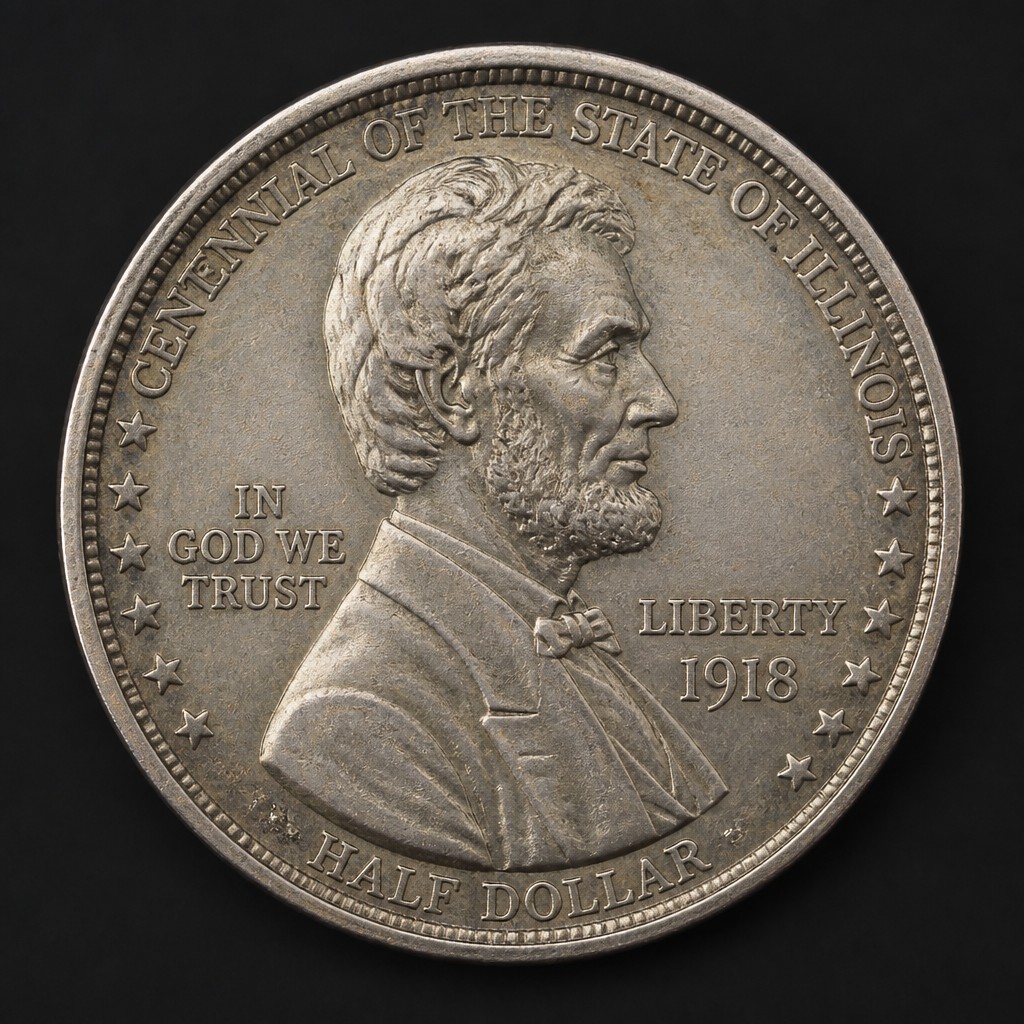
Lincoln-Illinois Centennial Half Dollar
1918
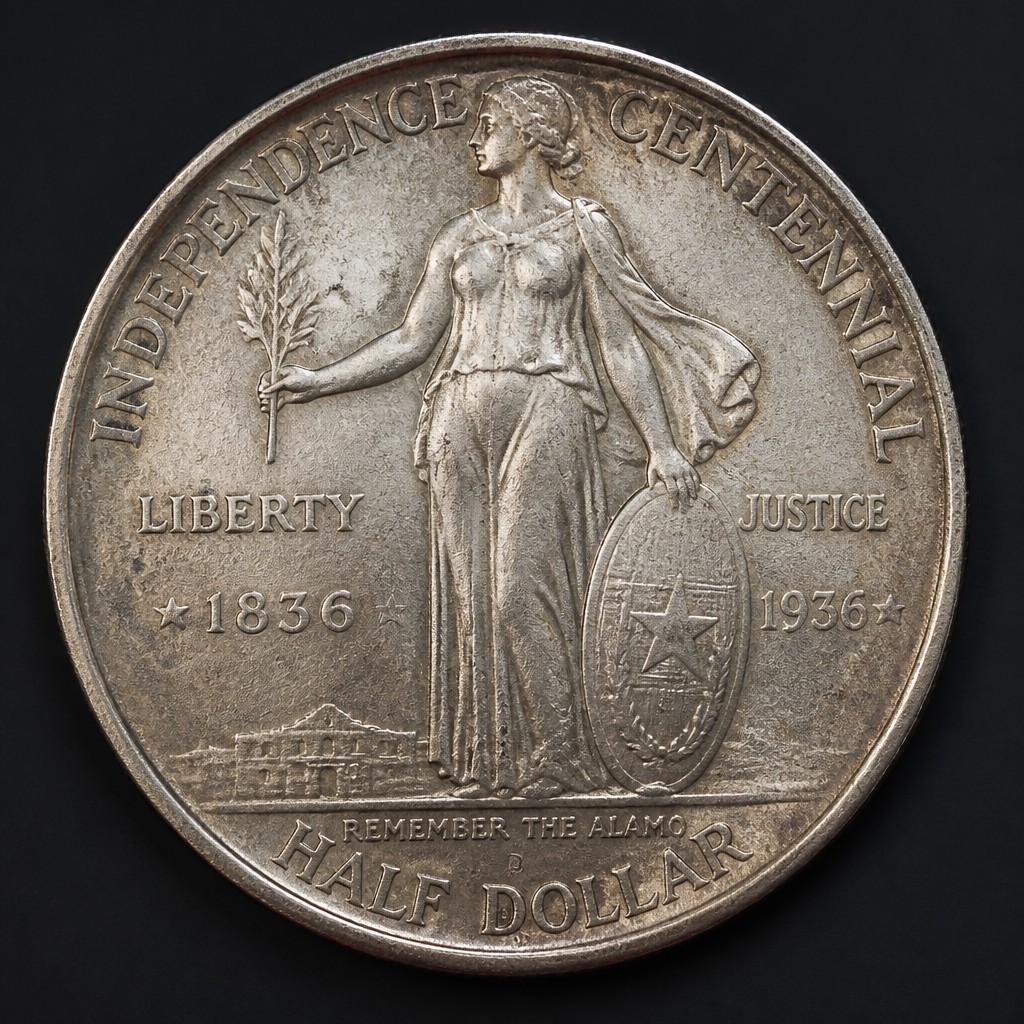
Texas Independence Centennial Half Dollar
1934–1938
Daniel Boone Bicentennial Half Dollar
1934–1938