
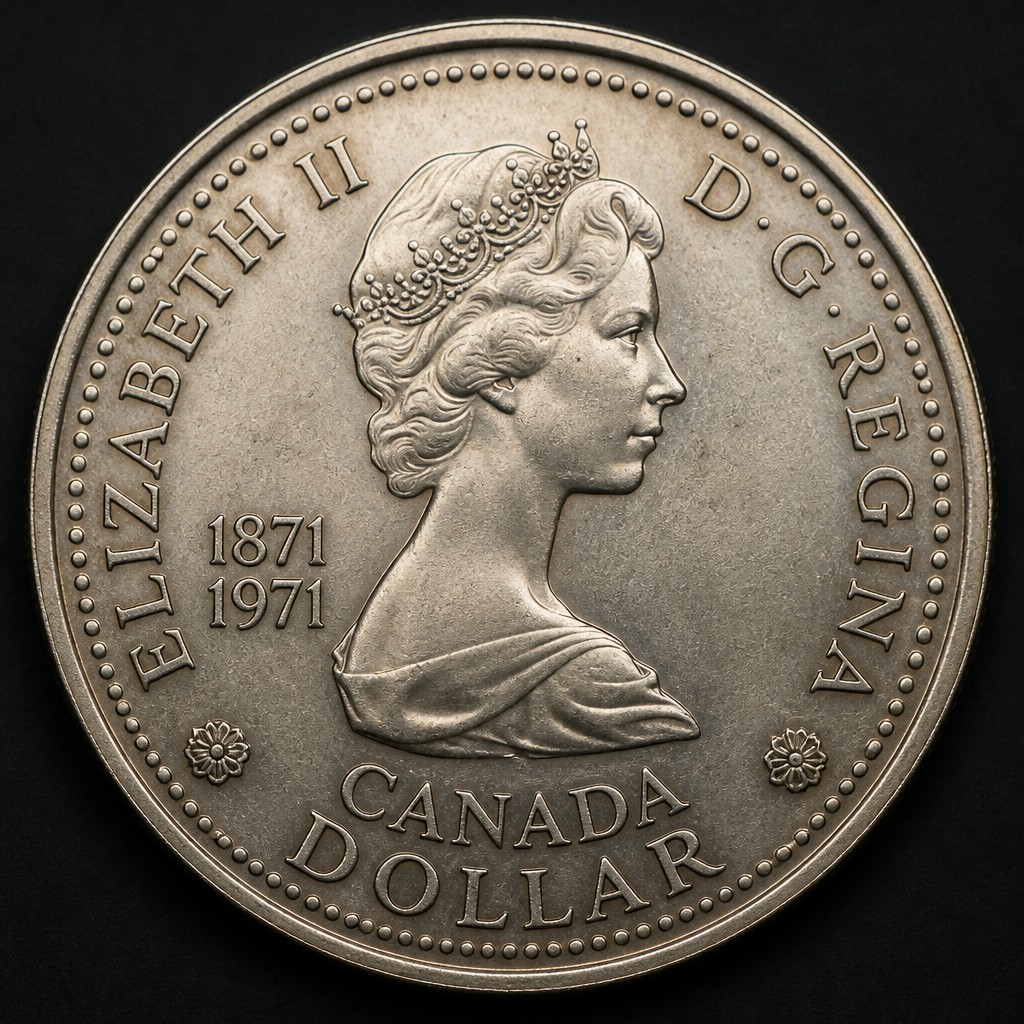
1971 British Columbia Dollar
A commemorative Canadian dollar marking the centennial of British Columbia joining Canadian Confederation in 1871, issued in both nickel circulation and silver collector versions.
- Country
- Canada
- Denomination
- One Dollar
- Metal
- Nickel (circulation); 50% Silver (specimen/proof-like)
Got a coin like this?
Identify any coin from a photo, free.
Overview
The 1971 dollar commemorates the hundredth anniversary of British Columbia's entry into Canadian Confederation in 1871, following the province's earlier colonial history and its 1858 founding celebrated on the 1958 totem pole dollar. Unlike the earlier commemorative dollars of the 1930s through 1960s, the 1971 issue reflects Canada's shift away from silver in everyday circulating coinage.
The coin was issued in a standard nickel version for general circulation as well as special silver specimen versions sold directly to collectors, giving numismatists a choice between an affordable circulating type and a more traditional silver collector's piece.
History & Background
British Columbia joined Canadian Confederation in 1871, following negotiations that included commitments such as a transcontinental railway connection to the Pacific coast. To mark the province's centennial within Confederation, the Royal Canadian Mint issued a commemorative dollar in 1971, continuing a tradition of provincial and national anniversary dollars established decades earlier.
By this period, Canada's circulating dollar coins were no longer struck in silver, reflecting the broader shift toward base-metal coinage that had begun in the late 1960s; however, the Mint continued to offer specially struck silver versions of commemorative dollars to collectors through official specimen and proof-like sets.
How to Identify
The obverse shows Queen Elizabeth II's portrait with the standard royal titles and the date 1971. The reverse carries a commemorative design marking British Columbia's Confederation centennial, incorporating provincial and heraldic motifs associated with the province.
Circulation versions of the coin are struck in nickel, giving them a bright, light appearance and lower weight compared to older silver dollars, while collector-oriented specimen and proof-like versions were struck in .500 fine silver and sold directly by the Mint rather than released into general circulation.
Collectors distinguish the two versions primarily by finish and by their original packaging or documented source, since the underlying design is the same across both metal types.
Value & Collectibility
The nickel circulation version of the 1971 BC dollar is common and generally trades close to face value or a modest numismatic premium in typical grades. The silver specimen version, sold through official Mint sets, carries a value tied both to its silver content and to collector demand for the commemorative design.
High-grade, well-preserved examples of either version are more desirable to specialists, but neither is considered a major rarity within the broader Canadian commemorative dollar series.
Frequently asked questions
What does the 1971 dollar commemorate?
The centennial of British Columbia joining Canadian Confederation in 1871.
Is the 1971 dollar silver or nickel?
Standard circulation coins are nickel; special collector specimen versions were struck in .500 fine silver.
Why did Canada stop using silver for circulating dollars?
Rising silver prices in the late 1960s led Canada to switch circulating coinage to base metals like nickel.
Is the 1971 dollar rare?
No, both the nickel and silver versions are relatively common and affordable for most collectors.
Other coins you may enjoy
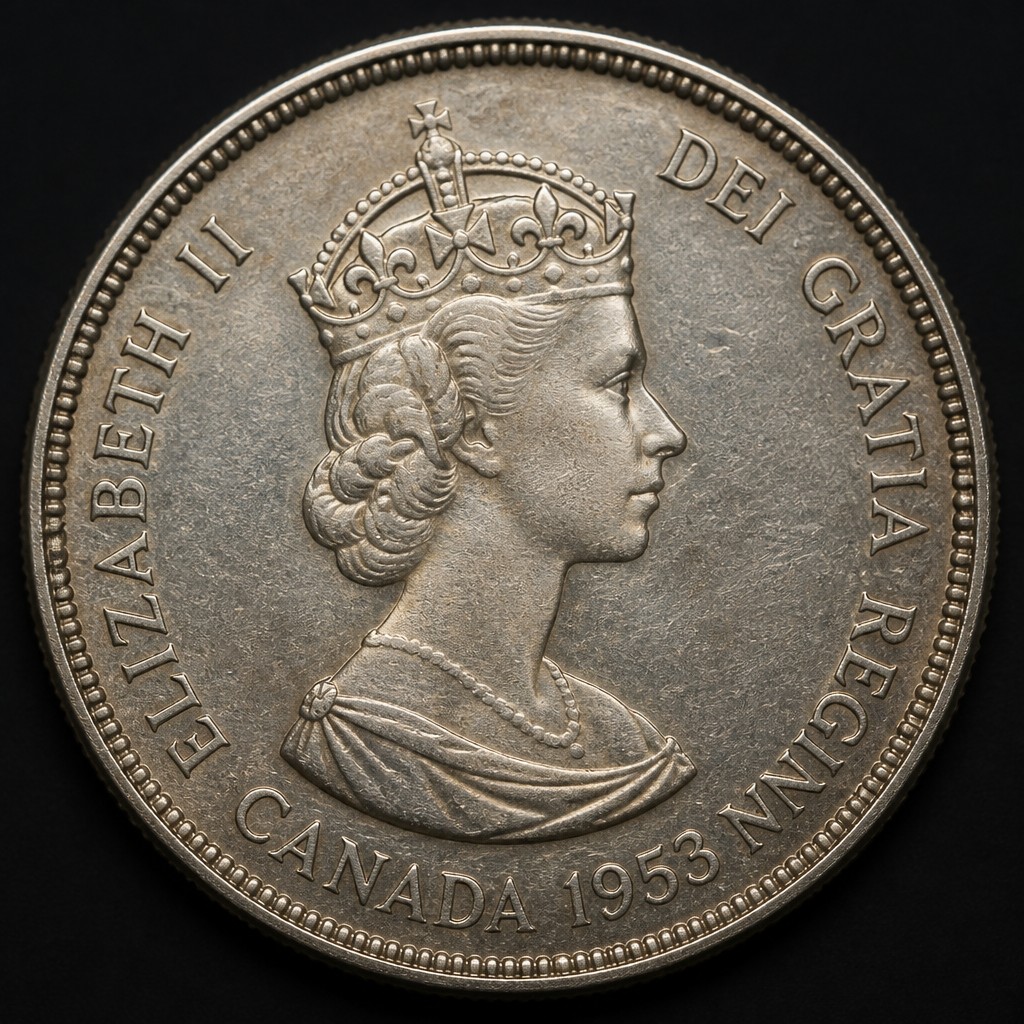
1953 Coronation Voyageur Dollar
1953
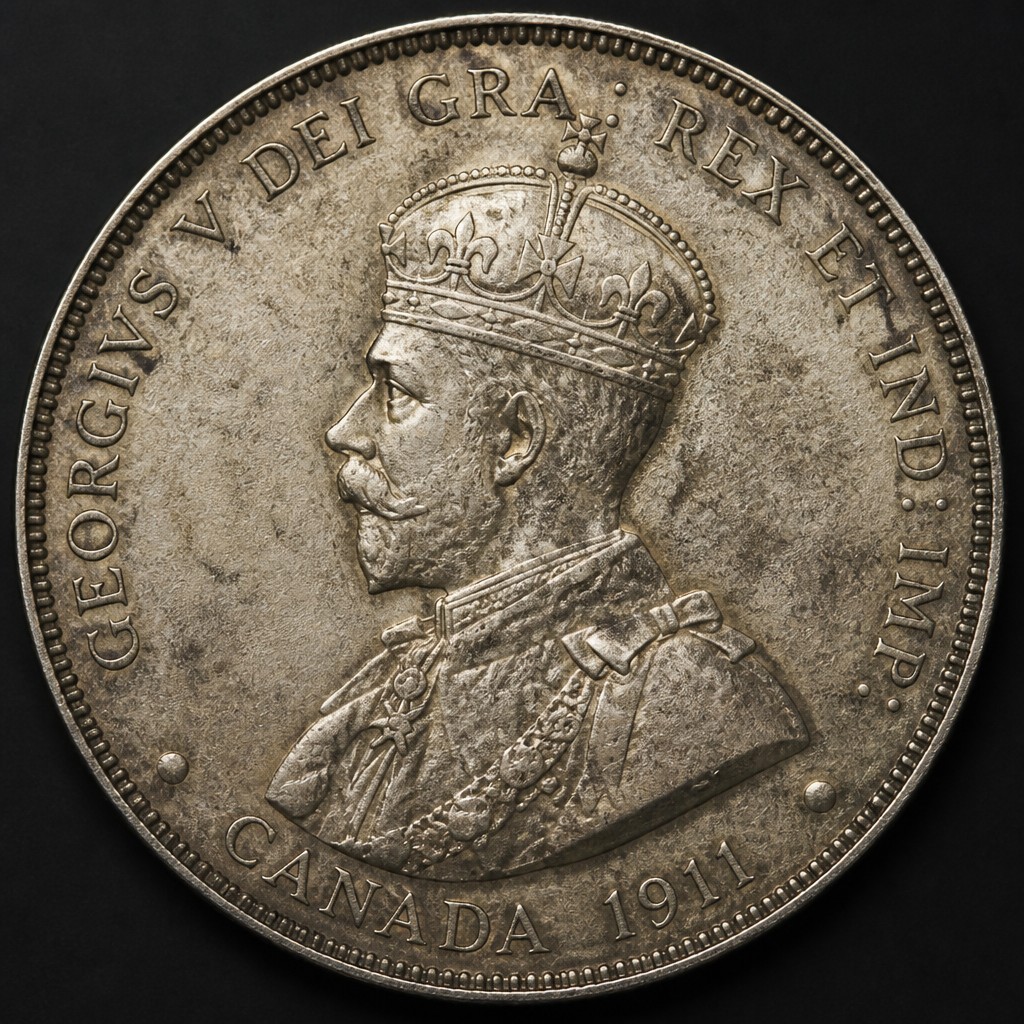
1911 Canadian Silver Dollar (Pattern)
1911
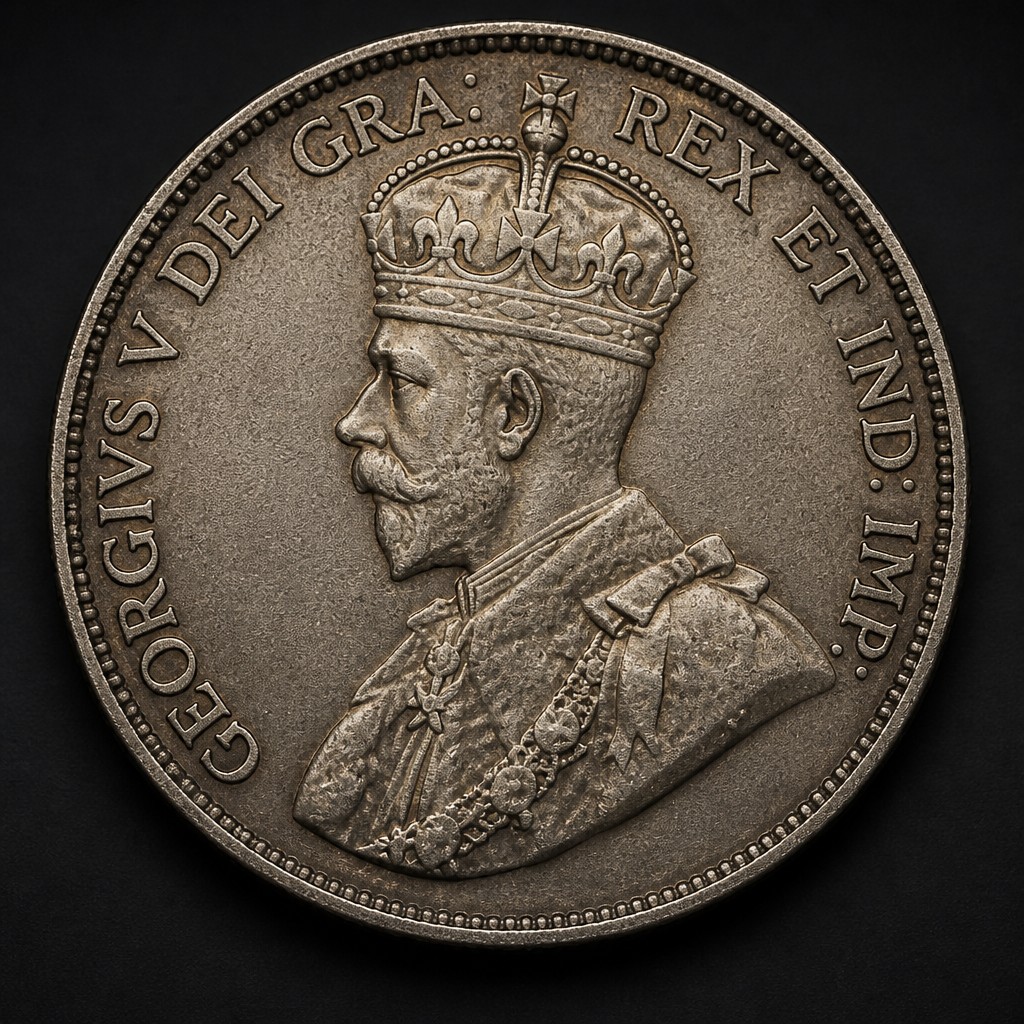
George V Twenty-Five Cents (silver)
1911–1936
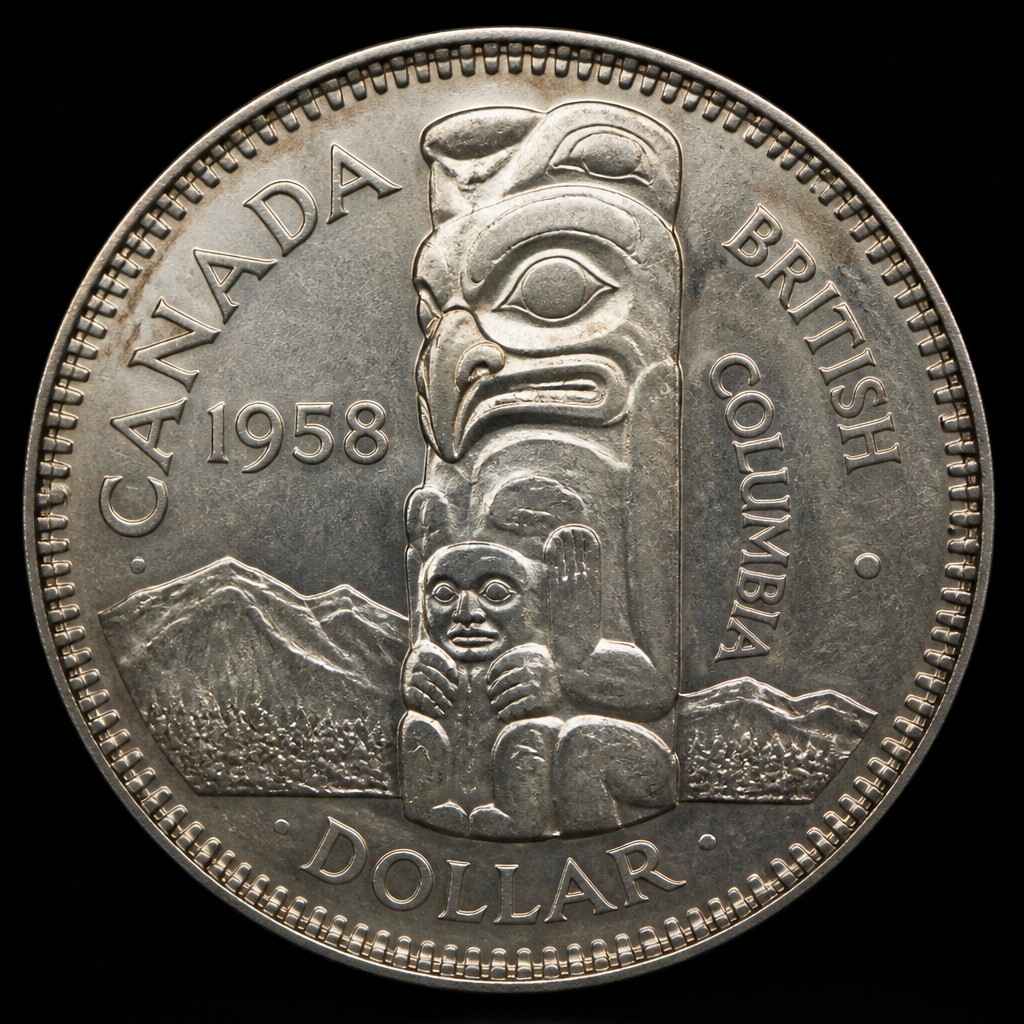
1958 British Columbia Totem Pole Dollar
1958
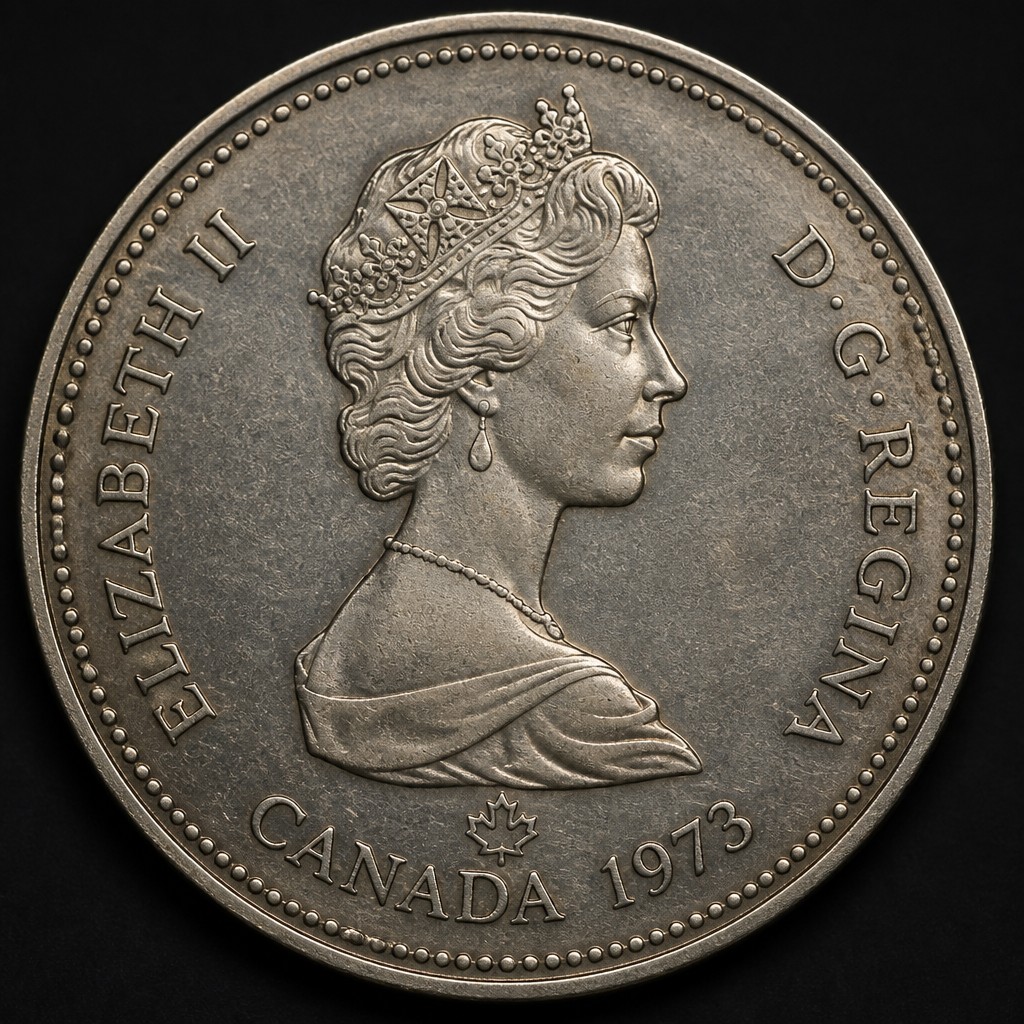
1973 RCMP Centennial Dollar
1973
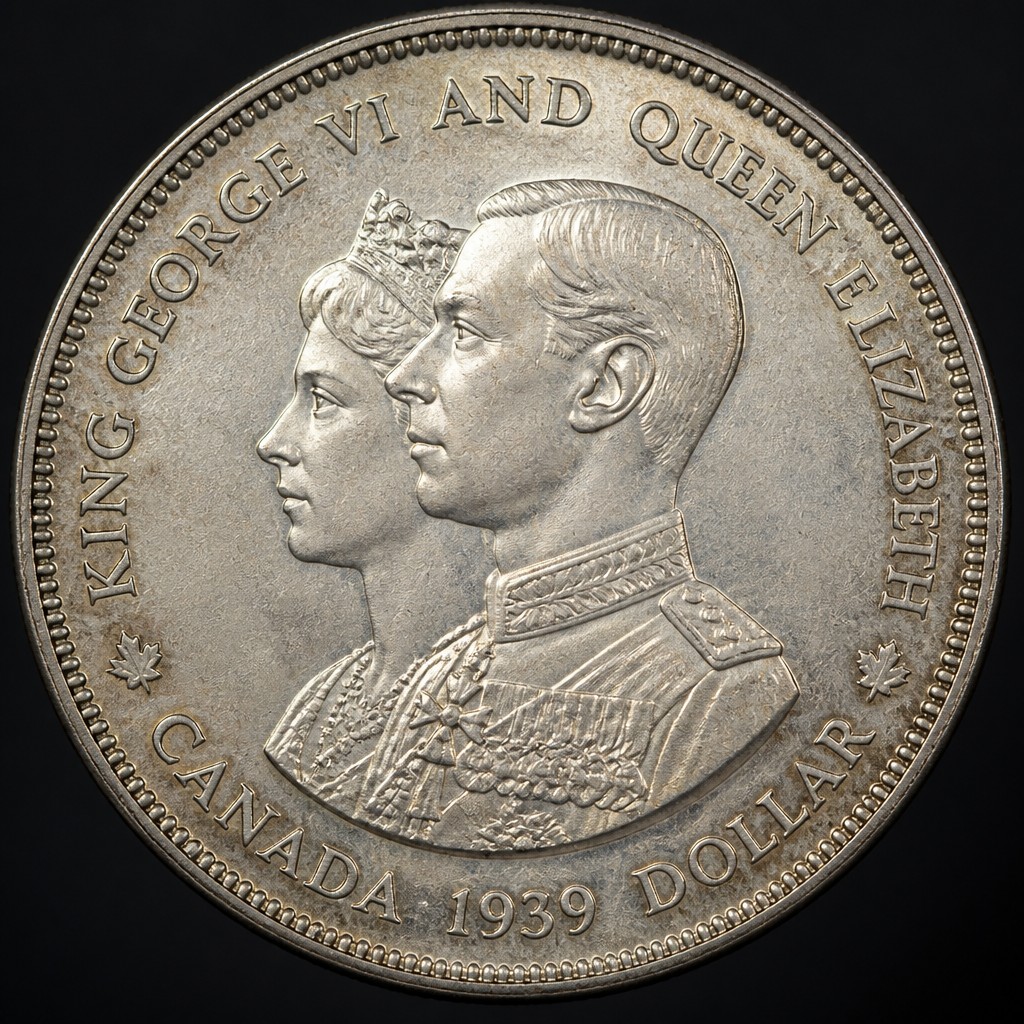
1939 Royal Visit Silver Dollar (Parliament)
1939
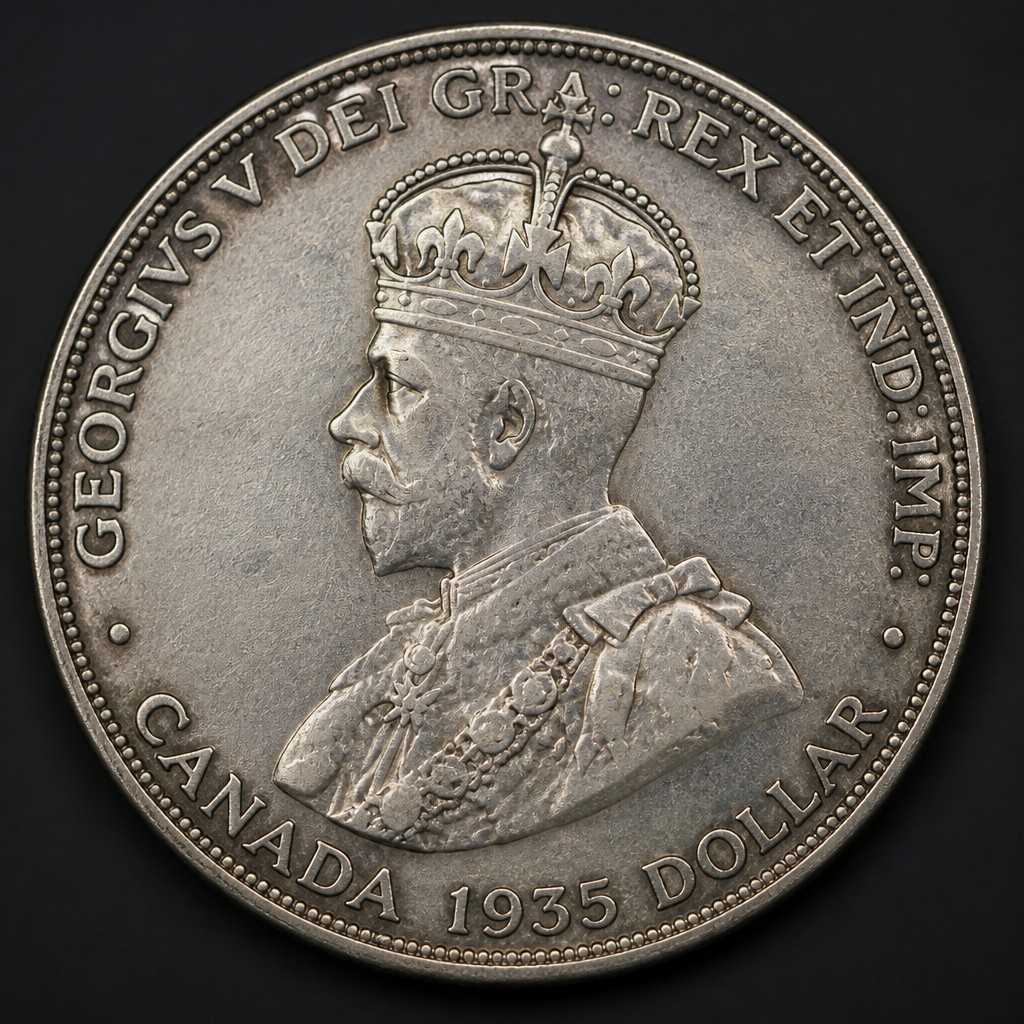
1935 George V Silver Jubilee Dollar (Voyageur)
1935
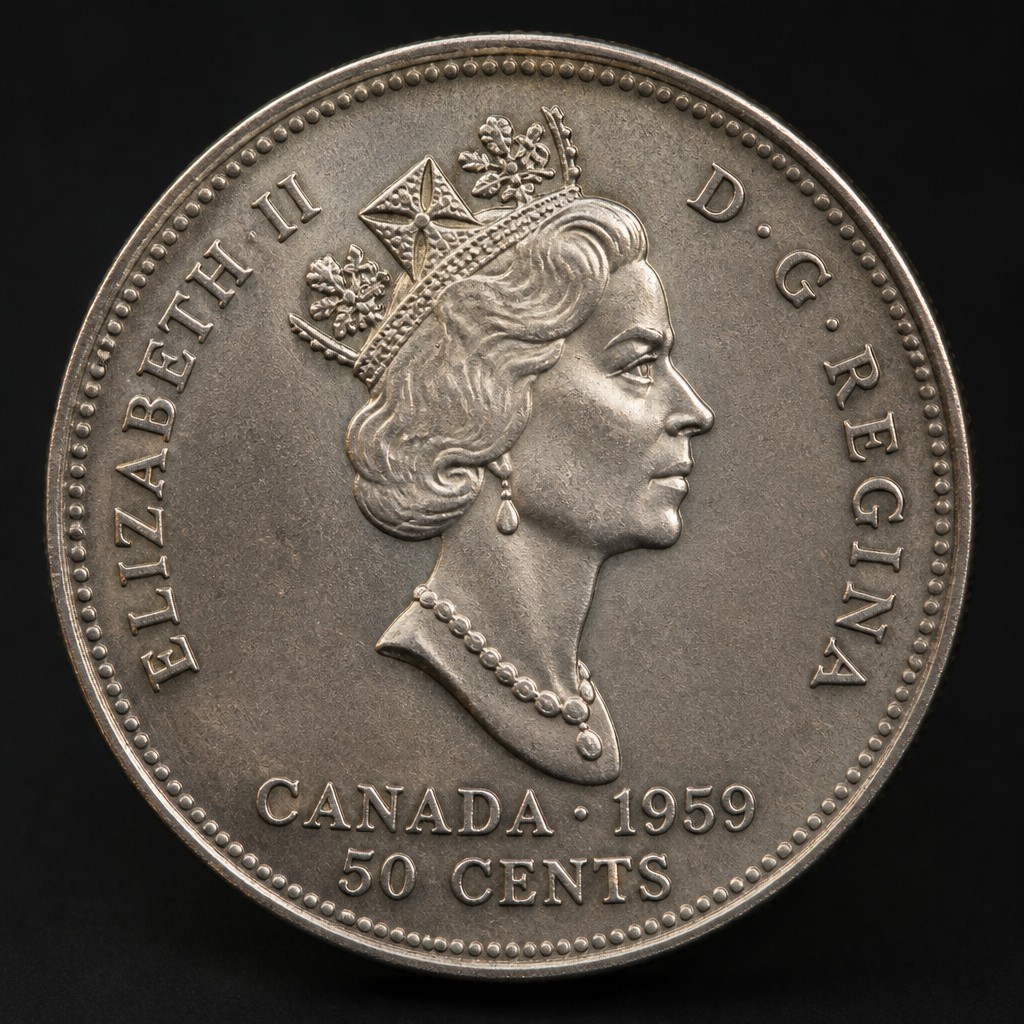
Coat of Arms Fifty Cents (Elizabeth II)
1959–present
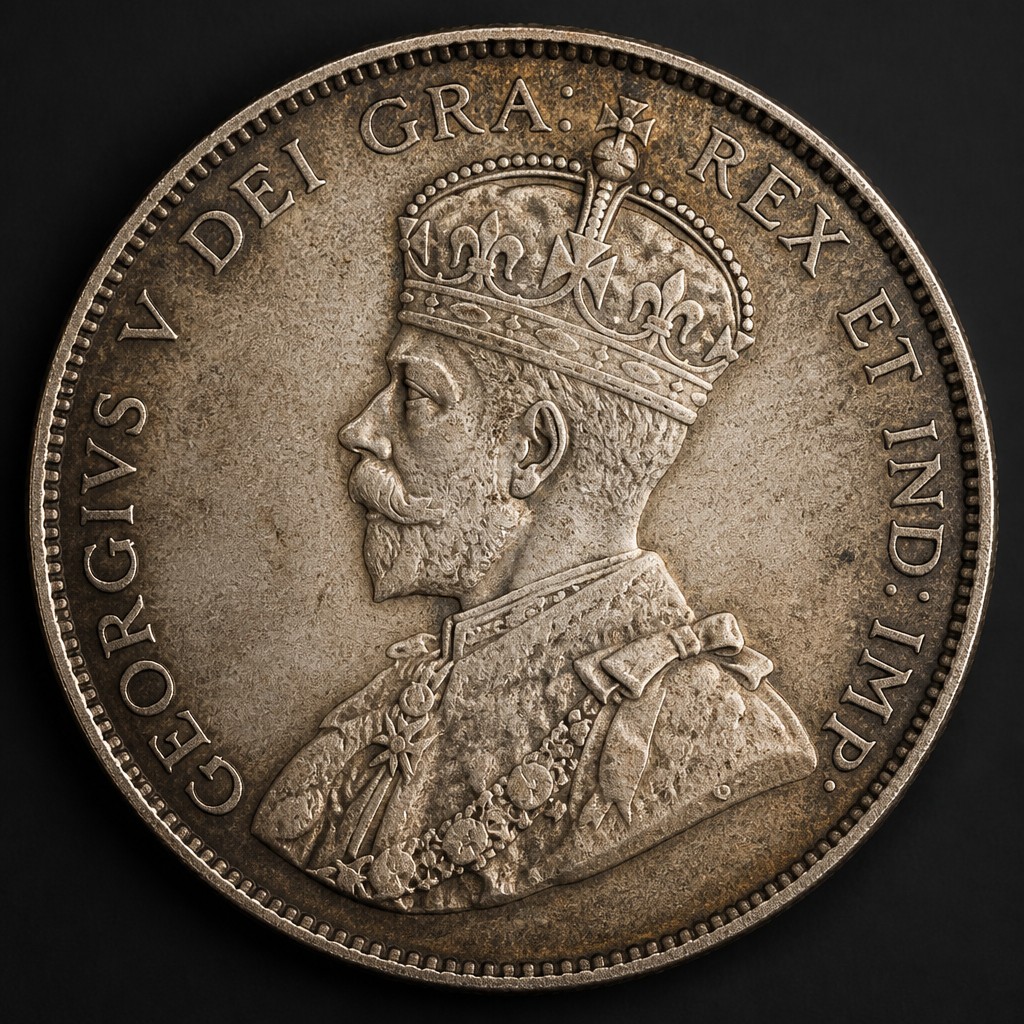
1921 Fifty Cents (King of Canadian Coins)
1921
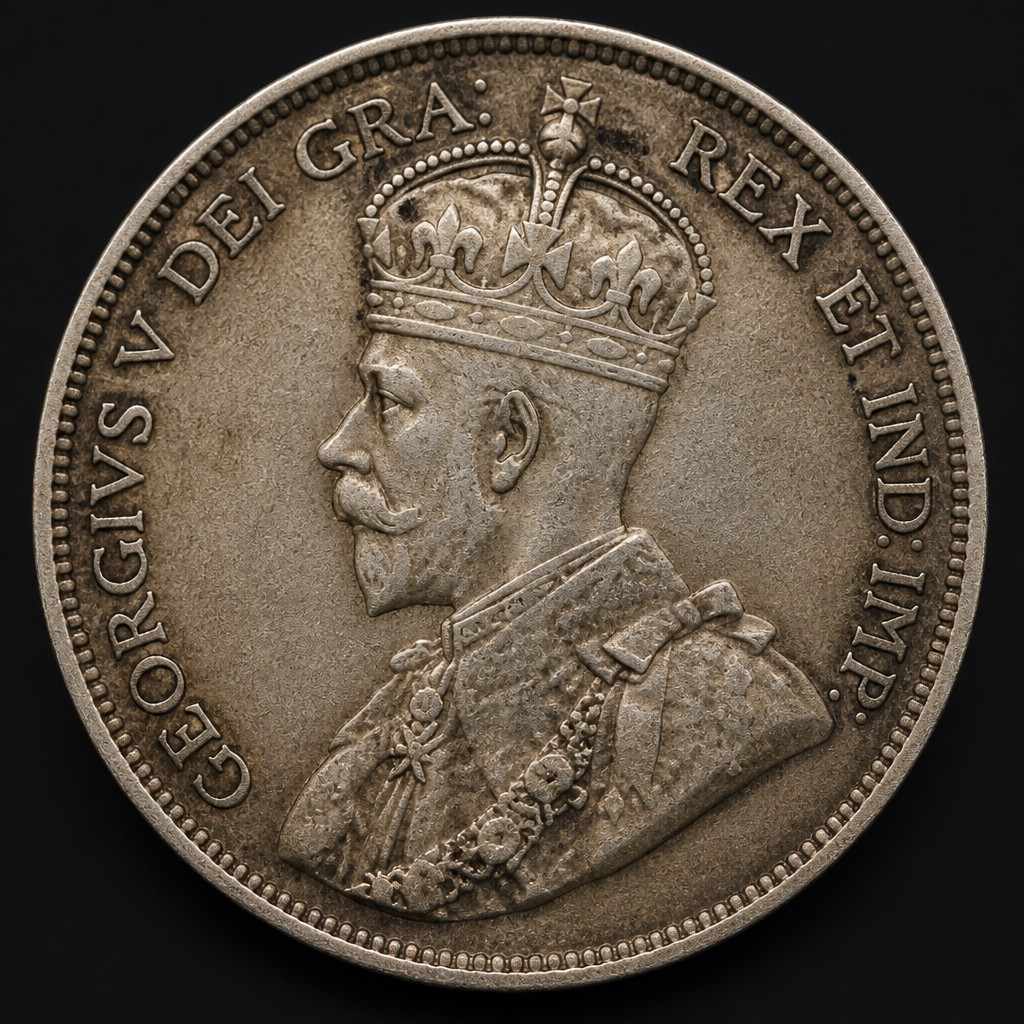
George V Fifty Cents
1911–1936
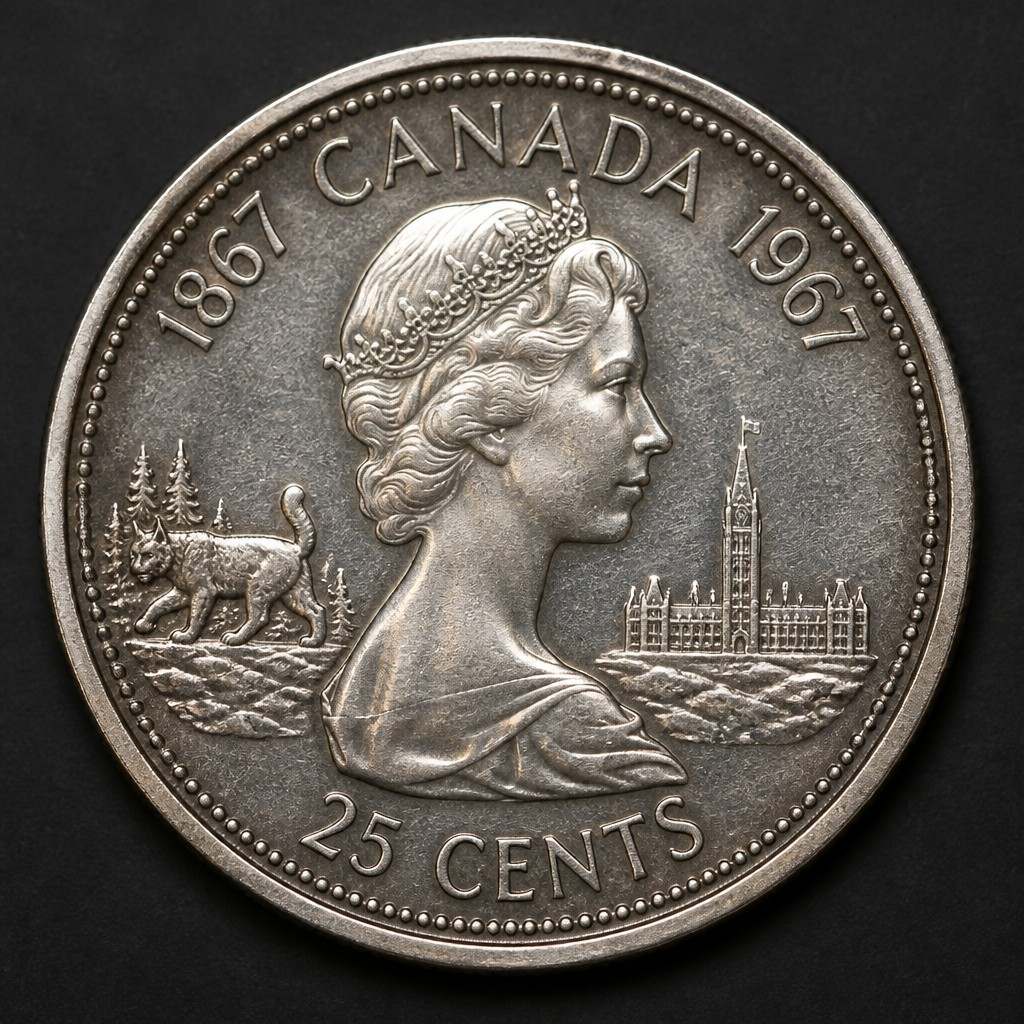
1967 Bobcat Centennial Quarter
1967
Caribou Twenty-Five Cents (quarter)
1937–present