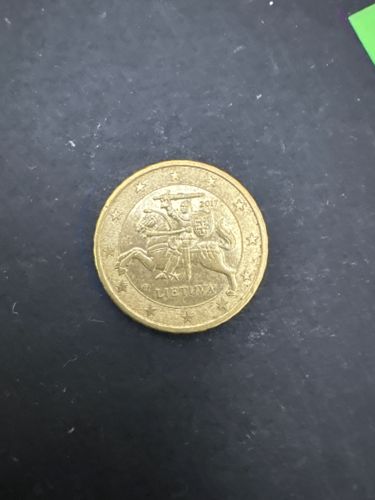
Lithuanian Euro Coin (50 Euro Cent)
Lithuania · 2017
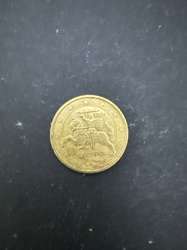
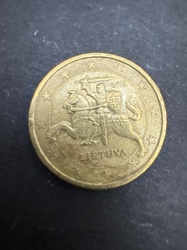
The obverse of the coin features the Vytis (Knight), the national coat of arms of Lithuania, with the word 'LIETUVA' (Lithuania) below it and the year '2017'. The coin is surrounded by the twelve stars of the European Union.
- Country
- Lithuania
- Year
- 2017
- Denomination
- 50 Euro Cents
- Metal
- Nordic Gold (89% Copper, 5% Aluminium, 5% Zinc, 1% Tin)
This report is AI-generated and can be wrong. Always verify grade, authenticity, and value with a qualified dealer or certified grading service before buying, selling, or insuring.
Identify your own coins.
Get a report just like this from any photo, free.
Overview
Historical significance
Estimated value
Care & preservation
More like this
Other lithuania coins
50 Euro Cent
Lithuania · 2015
50 Euro Cent
Lithuania · 2017
Lithuanian 5 Centai (1991 Series)
Lithuania (Republic of Lithuania) · 1991
Lithuanian 1 Litas
Lithuania · 1991-2014 (various years)
Lithuanian Euro Cent (Vytis)
Lithuania · 2015
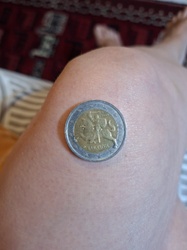
Lithuanian 2 Euro Coin
Lithuania · 2015-Present