Coin Identifier
Euro (German 1 Euro coin)
1 Euro

Euro (German 1 Euro coin)

Germany · 2002

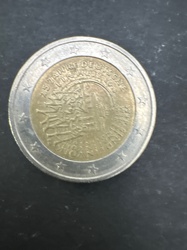
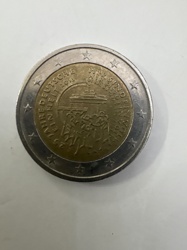
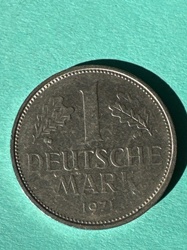
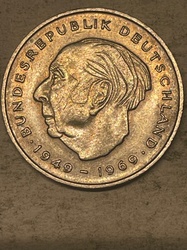
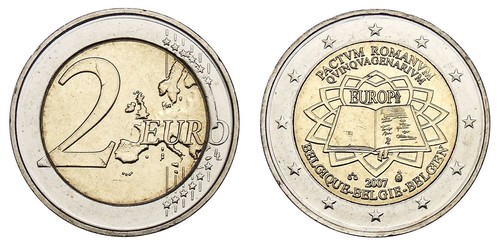
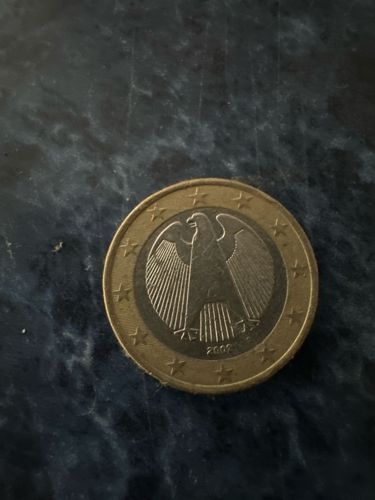
The obverse side of the coin features the German federal eagle (Bundesadler), a traditional symbol of German sovereignty, surrounded by the 12 stars of the European Union, representing unity. The year of issue, '2002', is also inscribed below the eagle. The reverse side (not visible in the provided image) typically shows the common Euro design with the denomination '1 EURO' and a map of Europe.

Country
Germany
Year
2002
Denomination
1 Euro
Metal
Bi-metallic: outer ring of nickel brass, inner part of cupronickel

This report is AI-generated and can be wrong. Always verify grade, authenticity, and value with a qualified dealer or certified grading service before buying, selling, or insuring.

Identified More germany coins →
Explore Euro (German 1 Euro coin) in the encyclopedia →

Identify your own coins.

Get a report just like this from any photo, free.

Overview

The obverse side of the coin features the German federal eagle (Bundesadler), a traditional symbol of German sovereignty, surrounded by the 12 stars of the European Union, representing unity. The year of issue, '2002', is also inscribed below the eagle. The reverse side (not visible in the provided image) typically shows the common Euro design with the denomination '1 EURO' and a map of Europe.

Historical significance

The 2002 German 1 Euro coin is significant as it belongs to the first series of Euro coins issued following the introduction of the Euro as physical currency in January 2002. This marked a monumental step in European integration, replacing the German Mark and many other national currencies. The design featuring the federal eagle was chosen by Germany to represent its national identity within the unified European currency system. The year 2002 coins are especially significant as they represent the physical manifestation of the Eurozone's expansion.

Estimated value

The estimated value of a 2002 German 1 Euro coin in circulated condition is typically its face value (1 Euro). For uncirculated or proof examples, the value might be slightly higher, ranging from a few euros to potentially 5-10 euros or more for perfect specimens, depending on the mint mark and specific mintage figures. However, these are generally common circulation coins.

Care & preservation

To properly care for this coin, avoid cleaning it with abrasive materials or chemical solutions, as this can damage its surface and reduce its numismatic value. Handle the coin by its edges to prevent transferring oils from your skin, which can cause tarnishing. Store it in a cool, dry place, ideally in a coin holder, album, or slab designed for coin preservation, to protect it from environmental damage and physical scratches.