
Coin Encyclopedia
Search and identify coins from around the world — with country, denomination, metal, mint, history, and how to tell them apart.
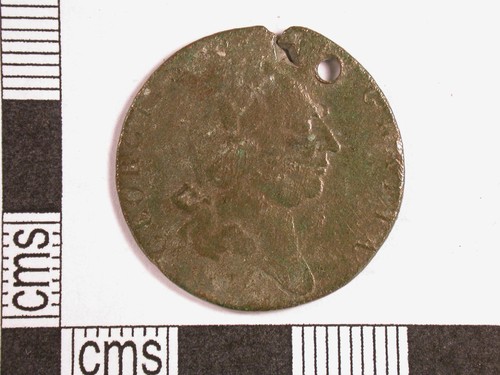
Guinea Counter (Imitation)
A brass or bronze gaming counter made to imitate a George III guinea, showing a faint male profile and a shield reverse; a token, not money.
Token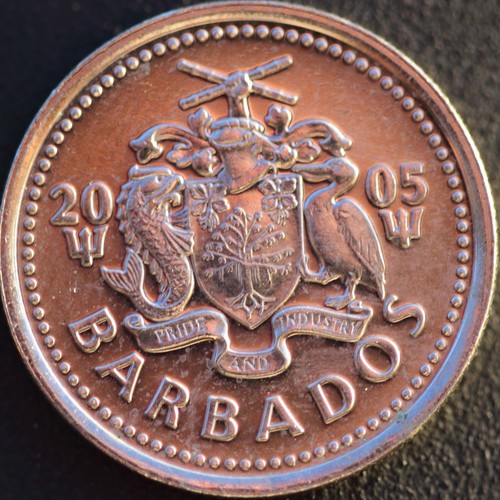
Barbados 10 Cents
A small copper-nickel Barbadian 10-cent coin showing the national coat of arms on one side and the value and country name on the other.
Circulation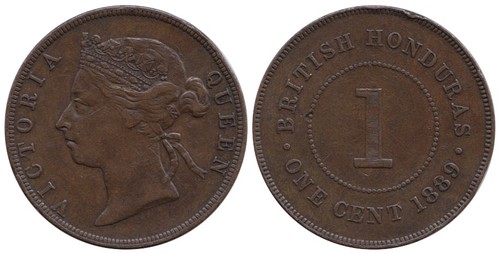
British Honduras One Cent
A colonial copper one cent of British Honduras under Queen Victoria, dated 1889, with the Queen's profile and the value and country name on the reverse.
Colonial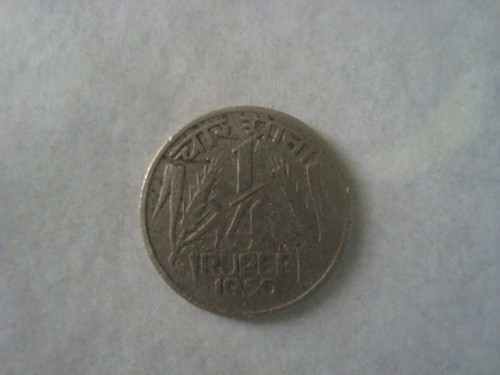
India Four Anna
An early Republic of India quarter rupee (four annas) of 1950, showing the Ashoka Lion Capital emblem with radiating rays and the country name INDIA.
Modern India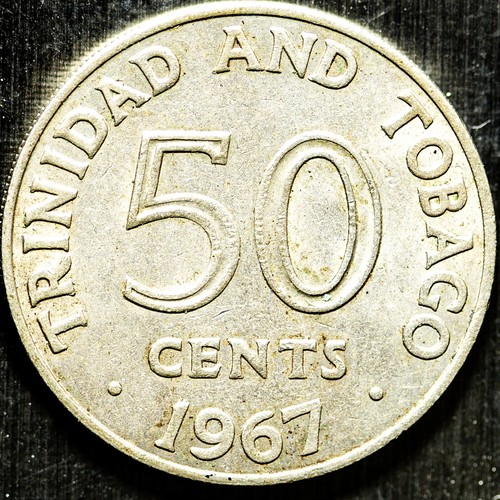
Trinidad and Tobago 50 Cents
A large copper-nickel Caribbean circulation coin; the 1967 example carries the national coat of arms and country name on the obverse and the 50-cent value on the reverse.
Circulation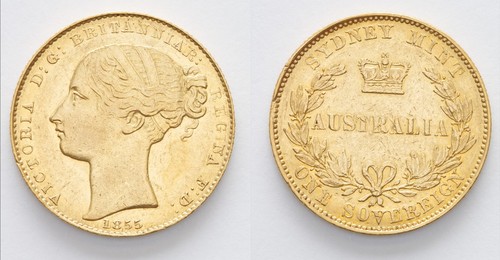
Australian Sovereign
22-carat gold sovereign struck at Australian branch mints; the 1855 Sydney Mint issue was the country's first gold coin.
Australian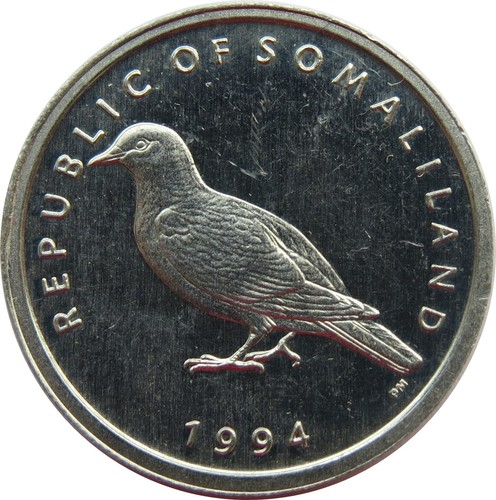
Somaliland 1 Shilling
An early circulation coin of the self-declared Republic of Somaliland, its reverse showing a dove above the country's name and the value.
World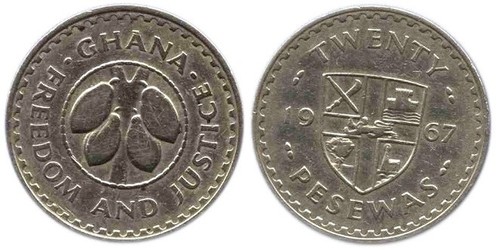
Ghana 20 Pesewas
A one-year 1967 Ghanaian coin bearing a national eagle and the motto FREEDOM AND JUSTICE, with the country's coat-of-arms shield on the reverse.
World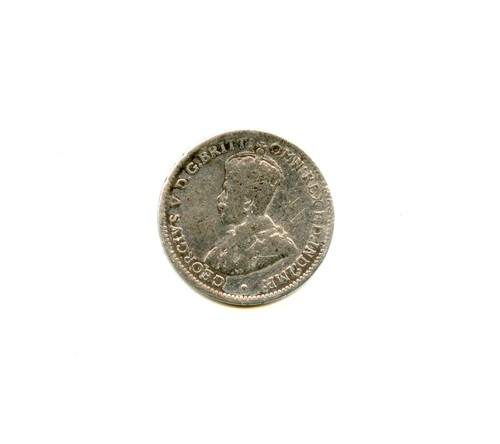
Australian Threepence
Australia's small pre-decimal silver threepence (3d), the country's tiniest coin, struck 1910-1964. The example shown carries a George V portrait.
Australian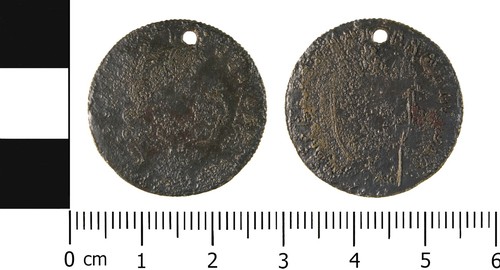
Imitation Guinea Gaming Piece
A brass or bronze token imitating a George III spade guinea, made for card games and gaming tables rather than as legal-tender money.
British Isles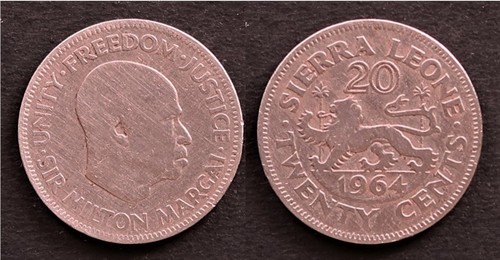
Sierra Leone 20 Cents
A 1964 Sierra Leone 20 cents from the country's first decimal coinage, showing a portrait profile on one side and the national coat of arms with its lion on the other.
World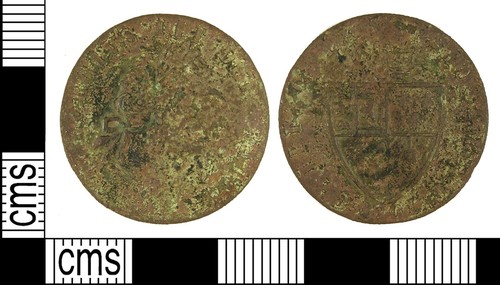
Spade Guinea Token
A base-metal imitation of the George III spade guinea, made as a gaming counter or advertising token, with a male profile obverse and a spade-shaped shield reverse.
Token