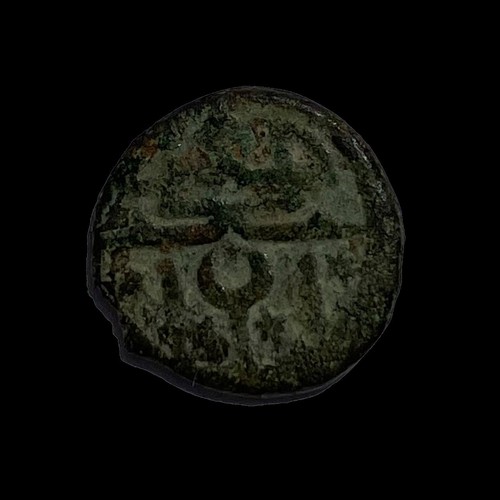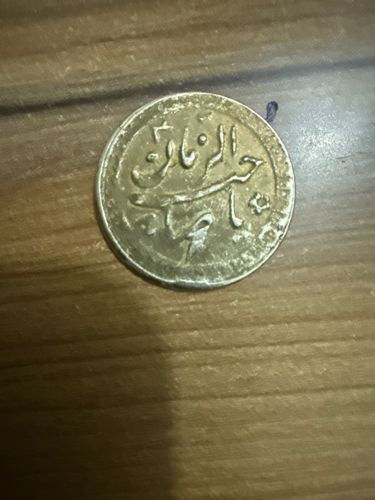
Ottoman Empire Ghazi
Ottoman Empire (modern-day Turkey and surrounding regions) · Late 17th to early 20th Century (precise date requires clearer reading of mint and regnal year, which is typically found on the reverse side or within the calligraphic design not fully visible)
The coin features Arabic script. The most prominent visible text appears to be 'سلطان' (Sultan) and 'خان' (Khan), with other difficult-to-decipher text. The design is fairly simple, typical of older Islamic coinage, often focusing on calligraphic elements rather than pictorial representations. The coin appears to be made of a bronze or copper alloy and shows signs of wear and age.
- Country
- Ottoman Empire (modern-day Turkey and surrounding regions)
- Metal
- Copper or Bronze
This report is AI-generated and can be wrong. Always verify grade, authenticity, and value with a qualified dealer or certified grading service before buying, selling, or insuring.
Identify your own coins.
Get a report just like this from any photo, free.
Overview
Historical significance
Estimated value
Care & preservation
More like this
Other ottoman empire (modern-day turkey and surrounding regions) coins
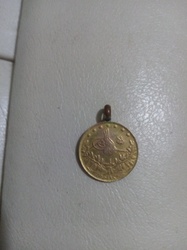
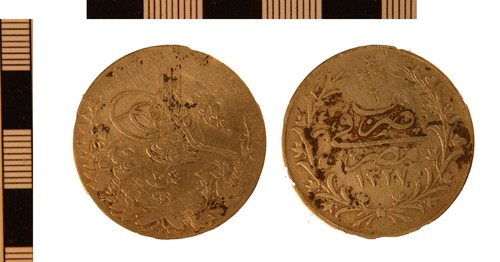
Ottoman Empire Gold Kurush (Mehmed V)
Ottoman Empire (Modern-day Turkey) · AH 1327 (1909 AD) / Regnal Year 9 (c. 1917 AD)
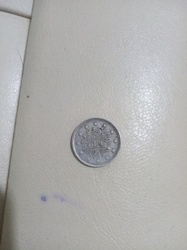
Ottoman Empire 2 Kurush / 2 Piastres (Mehmed V)
Ottoman Empire (Modern-day Turkey) · 1909 (AH 1327 / Accession Year 1)
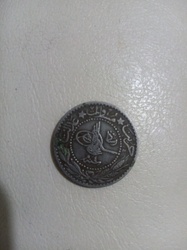
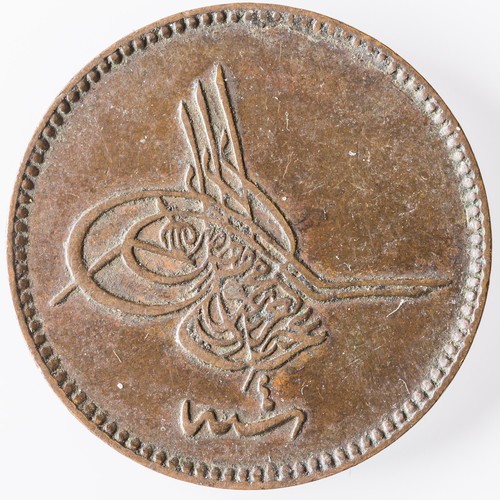
Ottoman Empire 20 Para, Mehmed V Issue
Ottoman Empire (Modern-day Turkey) · AH 1327 / Year 2 (approx. 1910 AD)
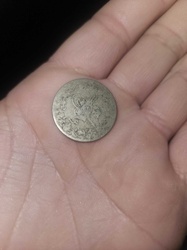
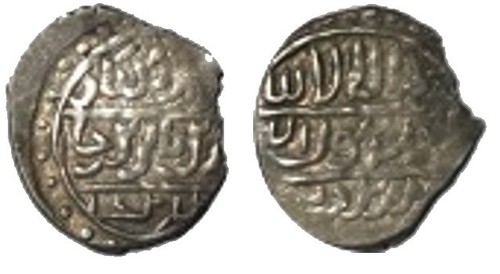
Ottoman Empire Silver Akce (or Kurush-era base silver)
Ottoman Empire (Modern-day Turkey) · Regnal year 1223 (Approx 1808-1839 AD)
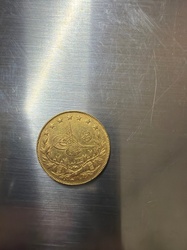
Ottoman Empire 100 Kurush (Lira) - Abdul Hamid II
Ottoman Empire (Modern-day Turkey) · AH 1293 // RY 33 (Approx. 1908 AD)
Ottoman Empire 1 Para - Mahmud II
Ottoman Empire (Turkey) · AH 1223 // Year 26 (approx. 1833 AD)