
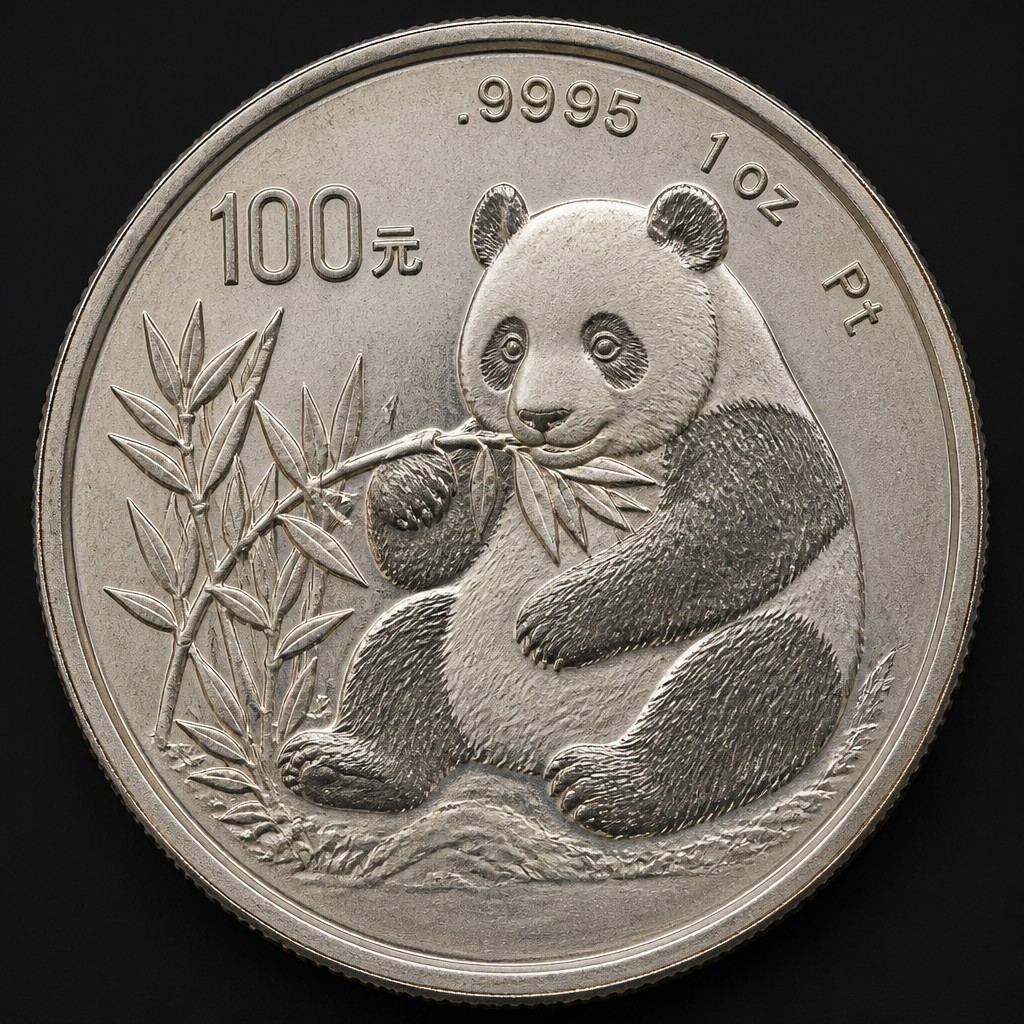
Chinese Platinum Panda
China's platinum bullion coin series, sister to the famous Gold Panda, featuring a new panda design nearly every year since its 1987 debut.
- Country
- China
- Denomination
- Varies by weight (Yuan denominations)
- Metal
- Platinum .999 fine
Got a coin like this?
Identify any coin from a photo, free.
Overview
The Chinese Platinum Panda is the platinum counterpart to China's celebrated Gold Panda bullion series, produced by the state mints of the People's Republic of China. Like its gold sibling, the coin depicts one or more giant pandas on the reverse, with the design refreshed almost every year, making the series a favorite among collectors who enjoy tracking annual design changes.
Production of the Platinum Panda has been less consistent than the gold and silver versions, with the series occasionally pausing for a year or more before resuming, and weights offered have varied over time from small fractional sizes up to a full troy ounce.
Because official mintages for many years were comparatively low next to the Gold and Silver Pandas, Platinum Pandas are considered a scarcer and more specialized branch of the overall Panda coin program.
History & Background
China introduced the Panda coin series in 1982 with gold issues, and extended the concept to platinum starting in 1987 as part of an effort to showcase Chinese mint capabilities and market a distinctive collectible alongside more standardized bullion coins from other nations. The panda motif was chosen for its association with China and its universal popularity, allowing each year's design to be treated almost like a piece of commemorative art.
Minting responsibility has been shared among several of China's state mints over the decades, including the Shanghai and Shenyang mints, with oversight from the People's Bank of China. Platinum Panda production has seen gaps in certain years compared to the uninterrupted gold and silver lines, reflecting shifting demand for platinum bullion products.
How to Identify
The obverse of the Chinese Platinum Panda depicts the Hall of Prayer for Good Harvests at the Temple of Heaven in Beijing, a design shared across all denominations of the modern Panda series, along with the country name in Chinese characters and the year of issue. The reverse shows one or more giant pandas in a naturalistic pose that changes nearly every year, distinguishing each date from the last.
The coin's yuan-denomination and weight in grams or troy ounces are inscribed along with "Pt999" or similar fineness markings indicating .999 fine platinum. Because the panda design changes annually, collectors typically identify the exact year by comparing the reverse artwork to a reference guide rather than relying on a mintmark, since Chinese Pandas generally do not carry a separate mintmark distinguishing which mint struck them.
Value & Collectibility
Platinum Panda values are driven first by platinum spot price for the coin's weight, then layered with numismatic premiums tied to the specific year's mintage and popularity of that year's design. Because official production numbers for platinum issues have historically been smaller than for gold or silver Pandas, many dates carry above-average premiums relative to plain bullion.
Early issues from the late 1980s and any years with unusually low reported mintages tend to be the most actively sought by specialist Panda collectors. Condition matters less for common bullion dates than for the gold Panda's key rarities, but well-preserved, original-packaging examples still command a premium.
Frequently asked questions
How is the Platinum Panda related to the Gold Panda?
It is part of the same overall Panda coin program from China, using a shared obverse and an annually changing panda reverse, but struck in platinum instead of gold.
Why does the panda design change every year?
China treats the Panda series as a collectible art coin program, refreshing the reverse design almost annually to encourage collecting a full date run.
What purity is the Chinese Platinum Panda?
It is typically struck in .999 fine platinum.
Is the Platinum Panda produced every year?
No, production has been inconsistent compared to the gold and silver Pandas, with some years skipped.
Other coins you may enjoy
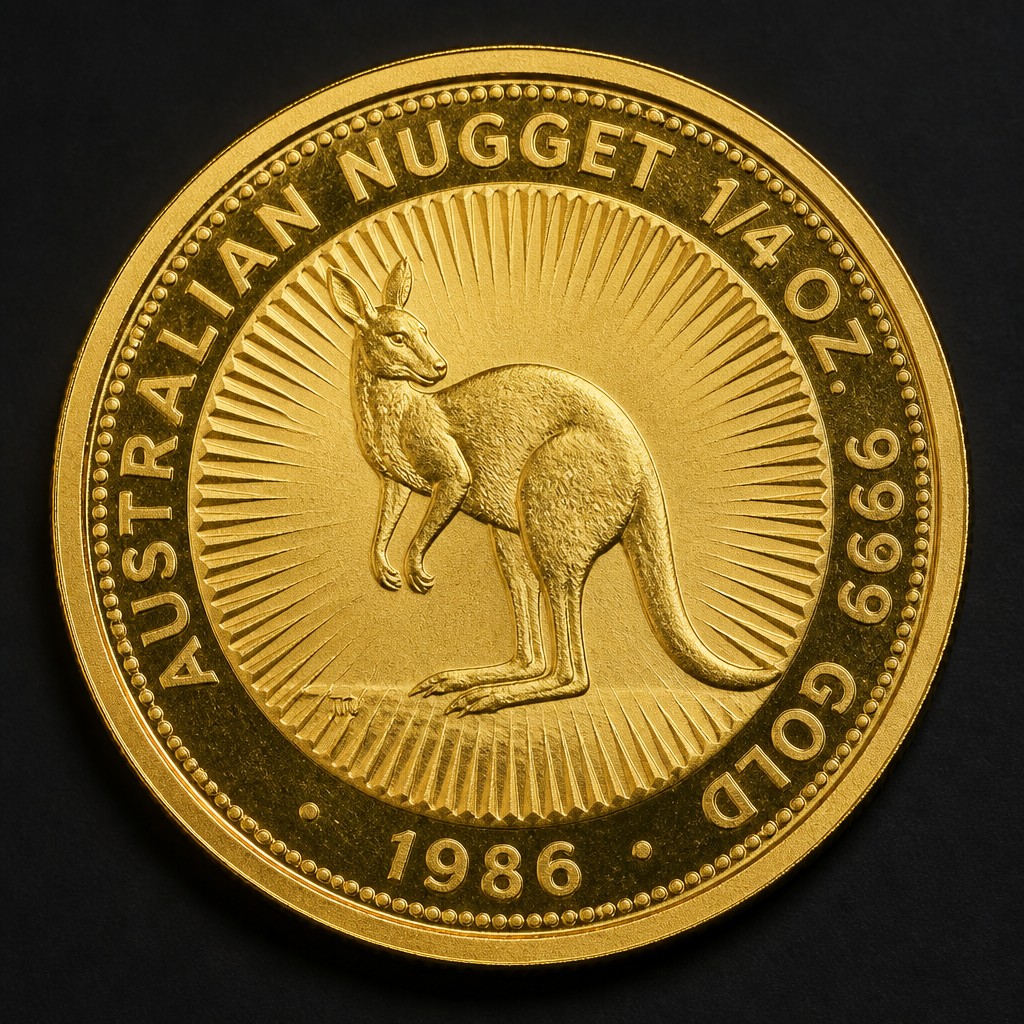
Australian Kangaroo Gold Nugget
1986-present
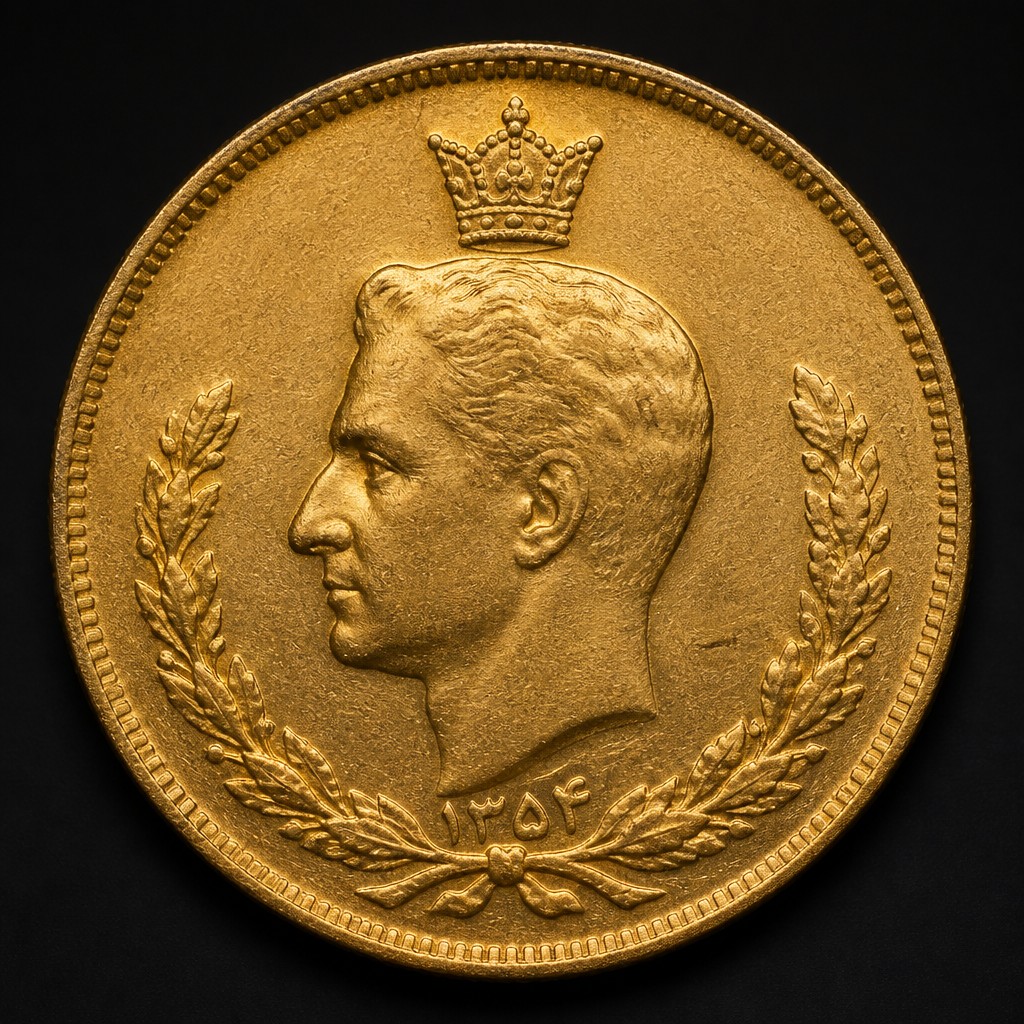
Iranian Pahlavi Gold Coin
1925–1979
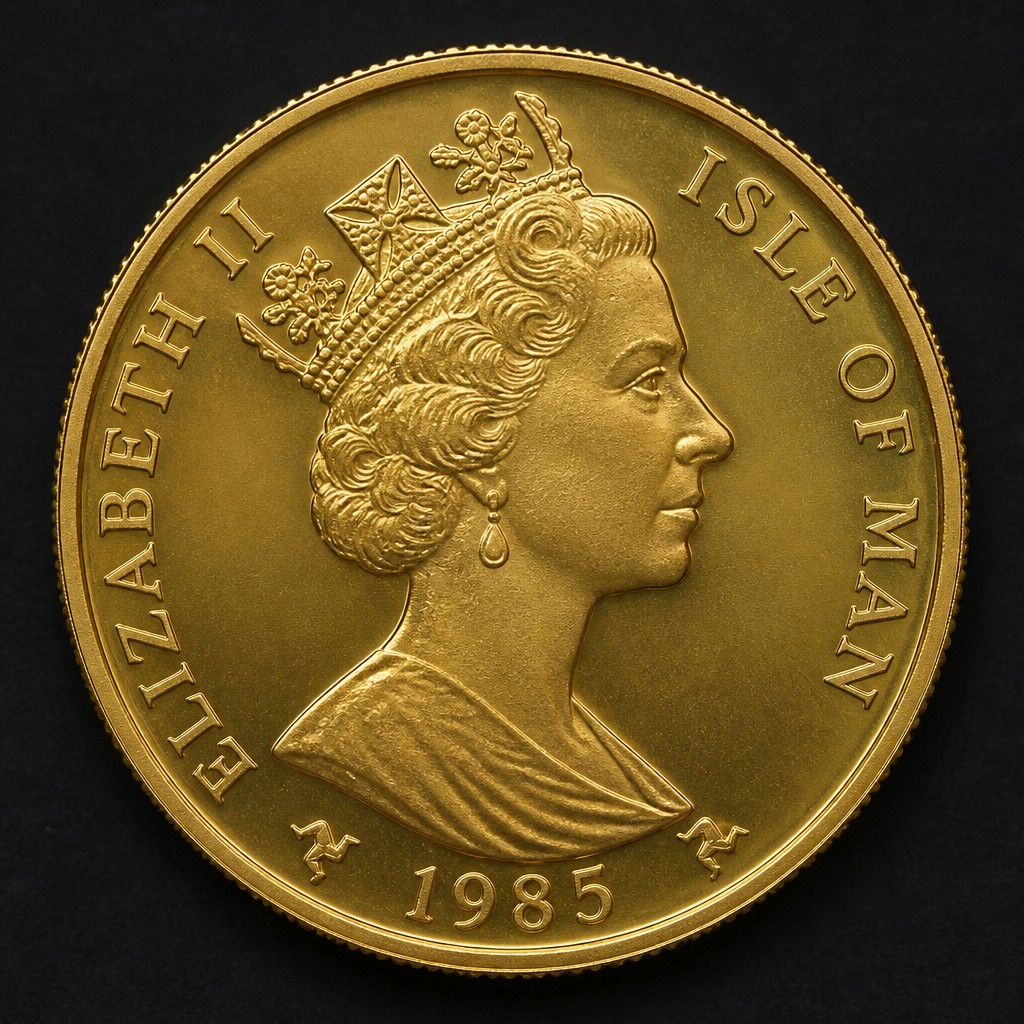
Isle of Man Angel Gold Coin
1984–present
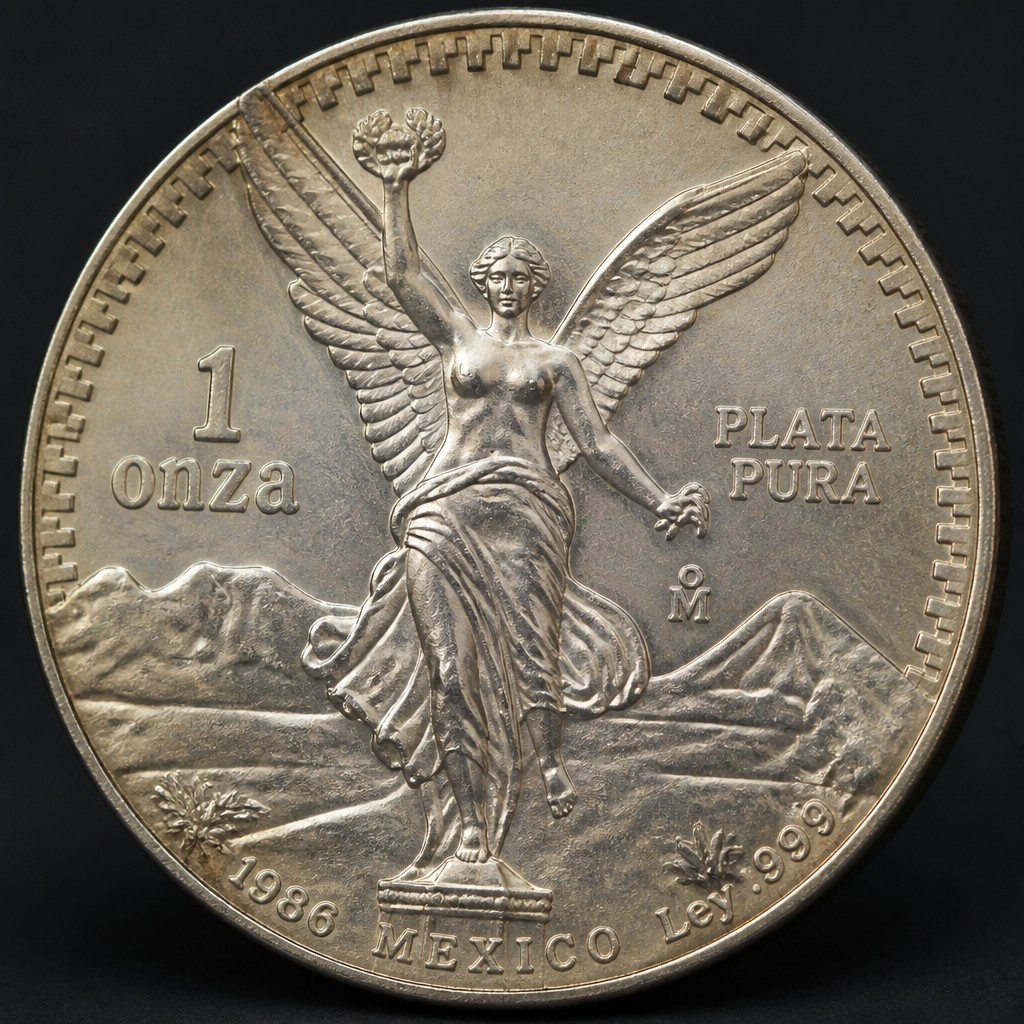
Mexican Libertad
1981-present (gold); 1982-present (silver)
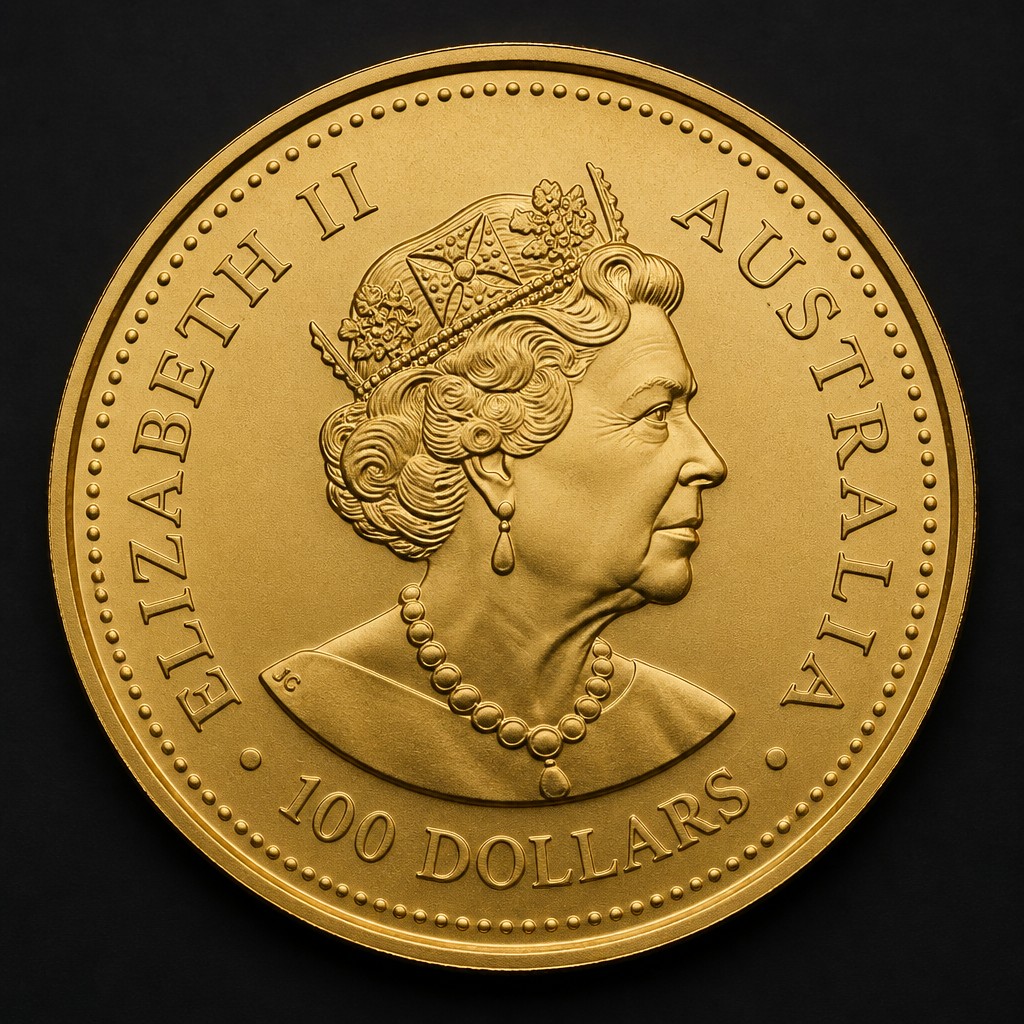
Australian Lunar Series (Perth Mint)
1996–present
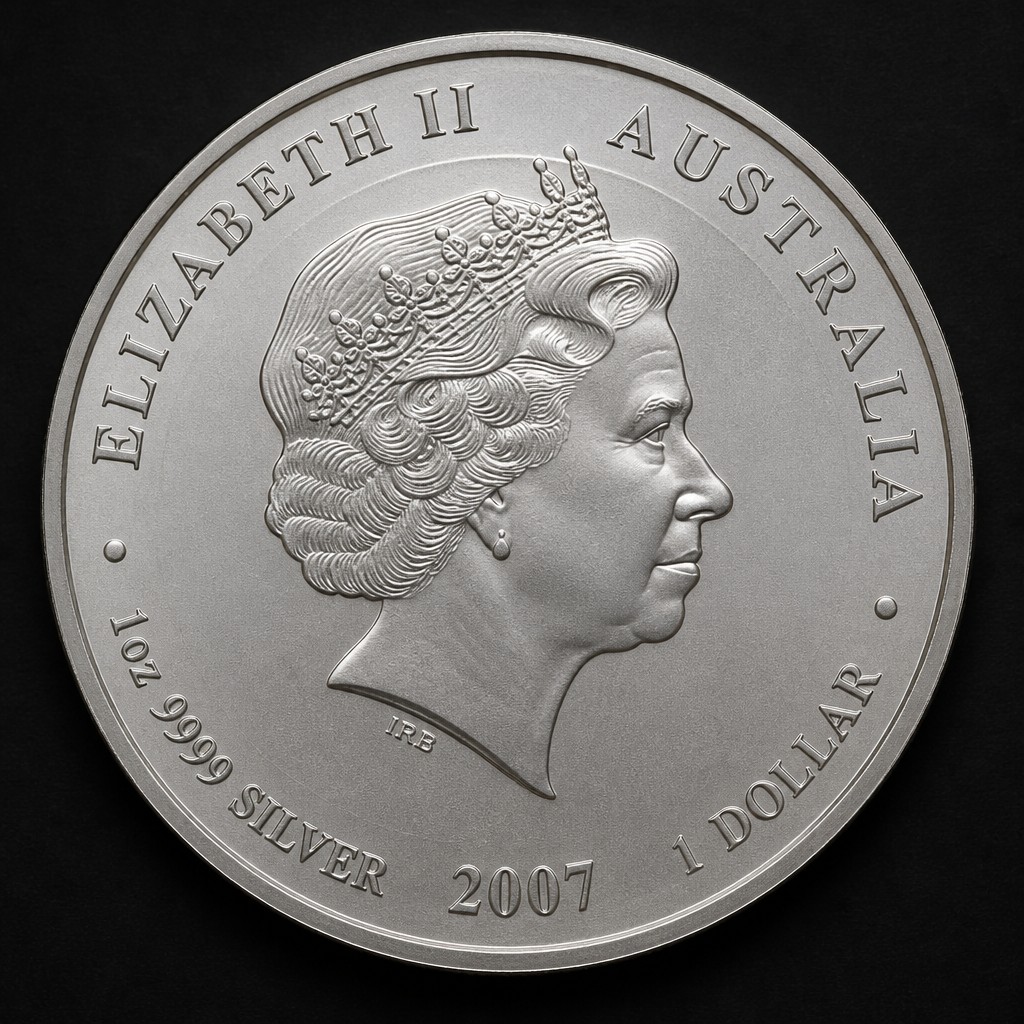
Australian Koala (Perth Mint)
1990-present (gold); 2007-present (silver)
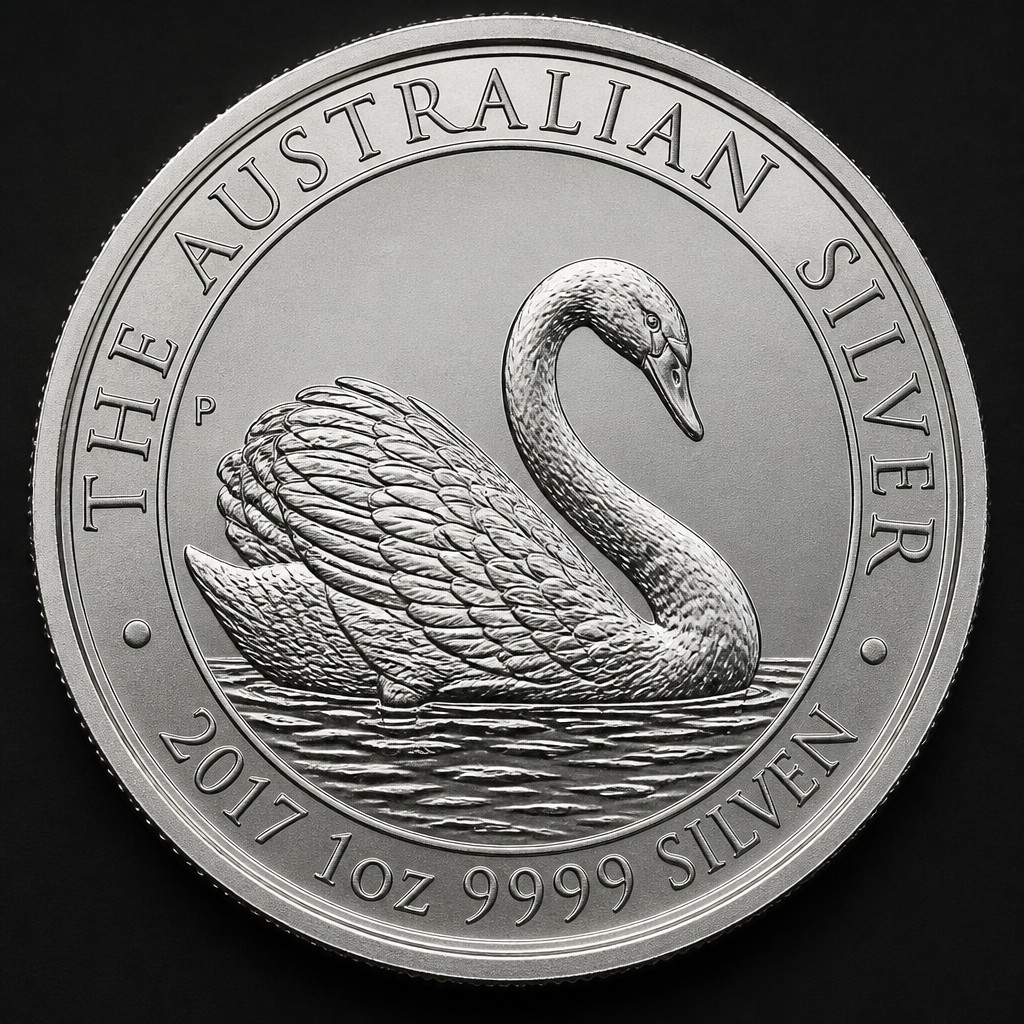
Perth Mint Silver Swan
2017–present
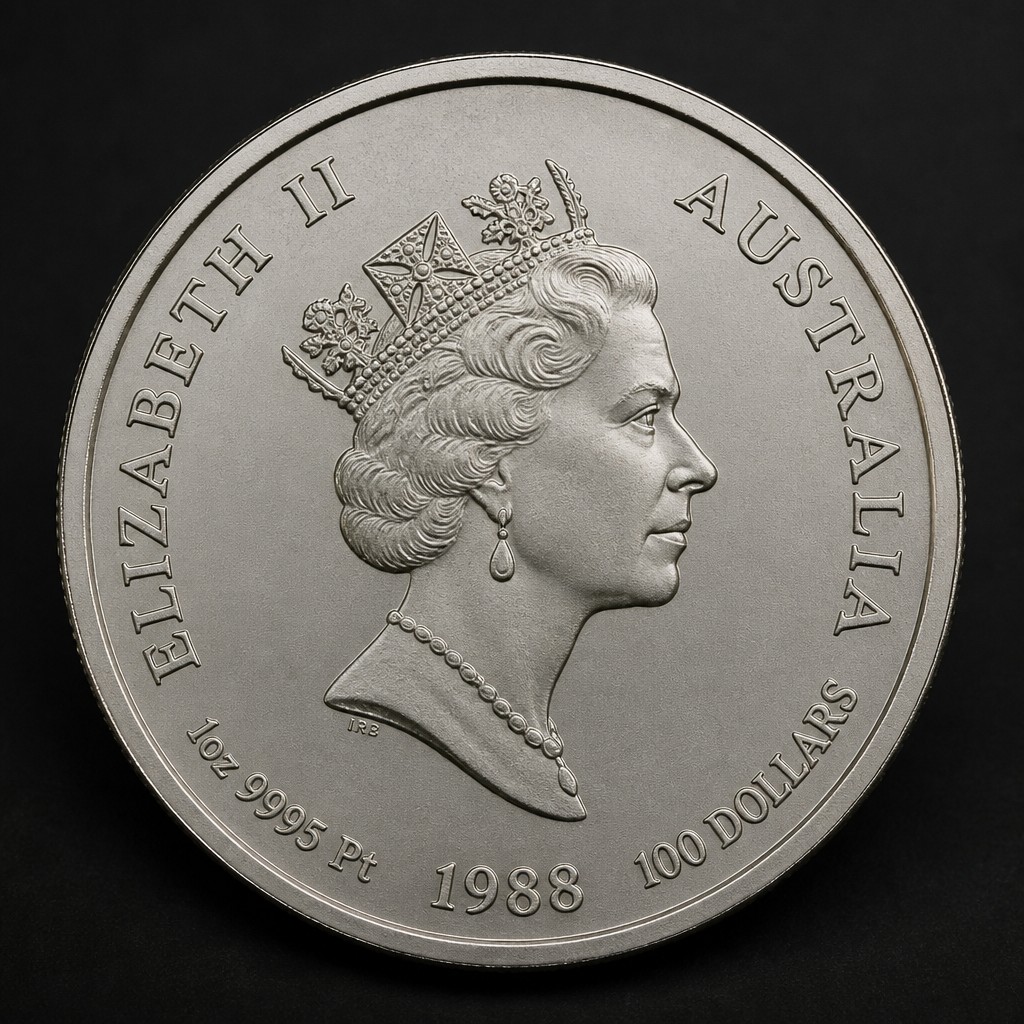
Australian Platinum Koala
1988–present
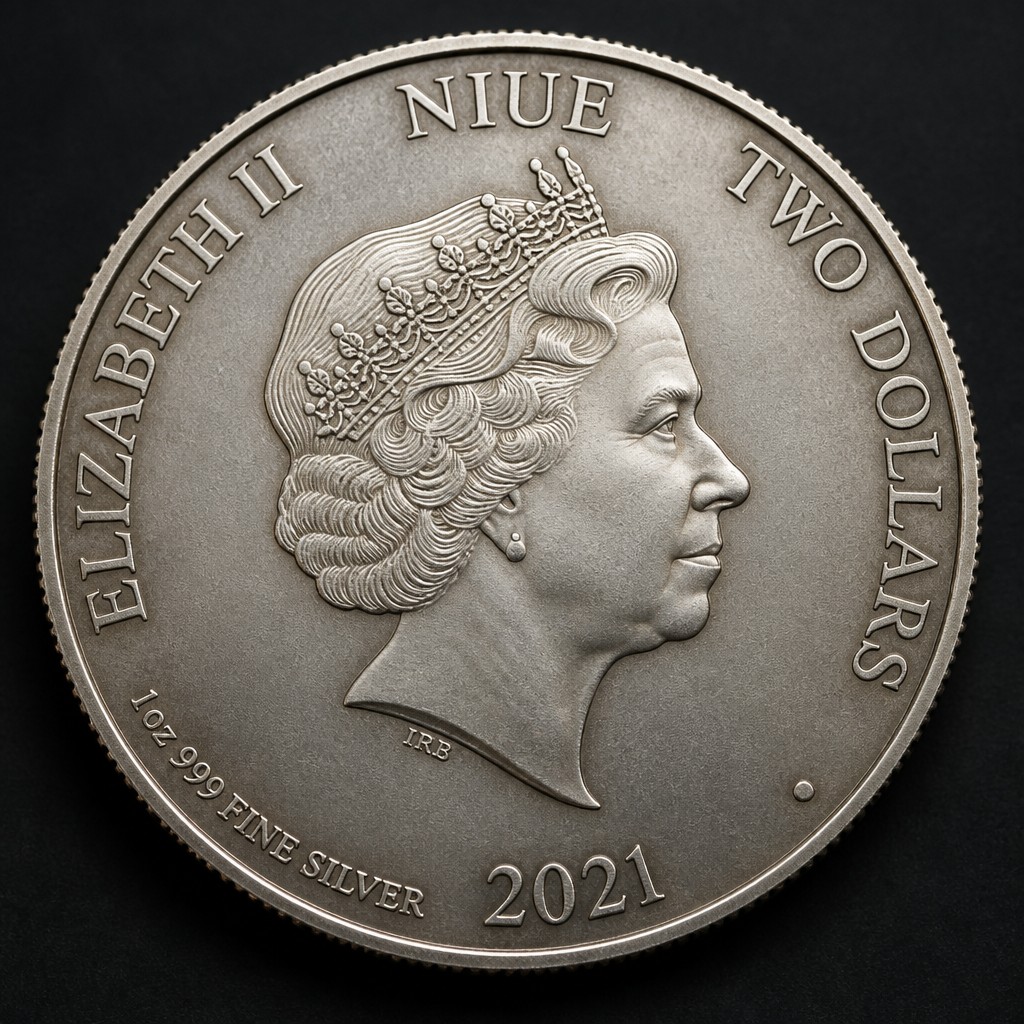
New Zealand Mint Silver Kiwi
2006–present
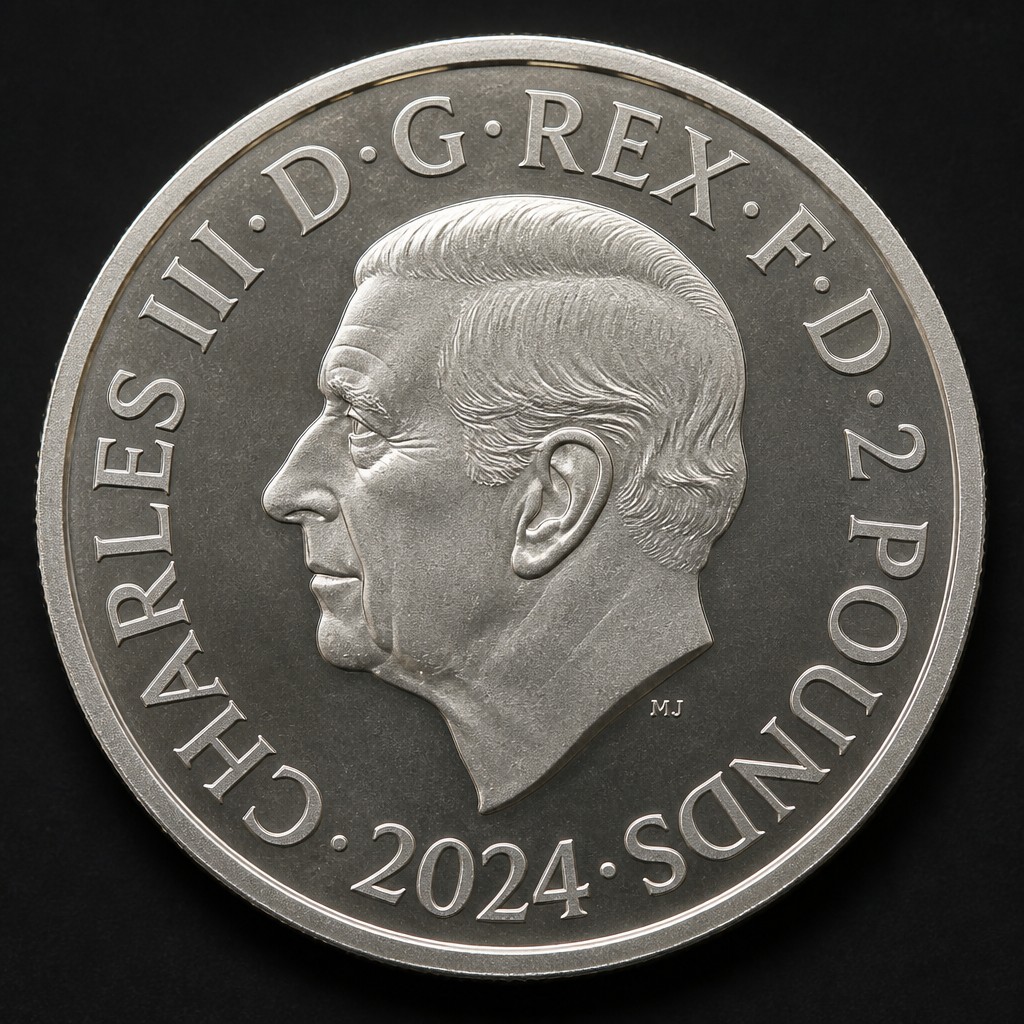
British Silver Landmarks of Britain
2020s–present
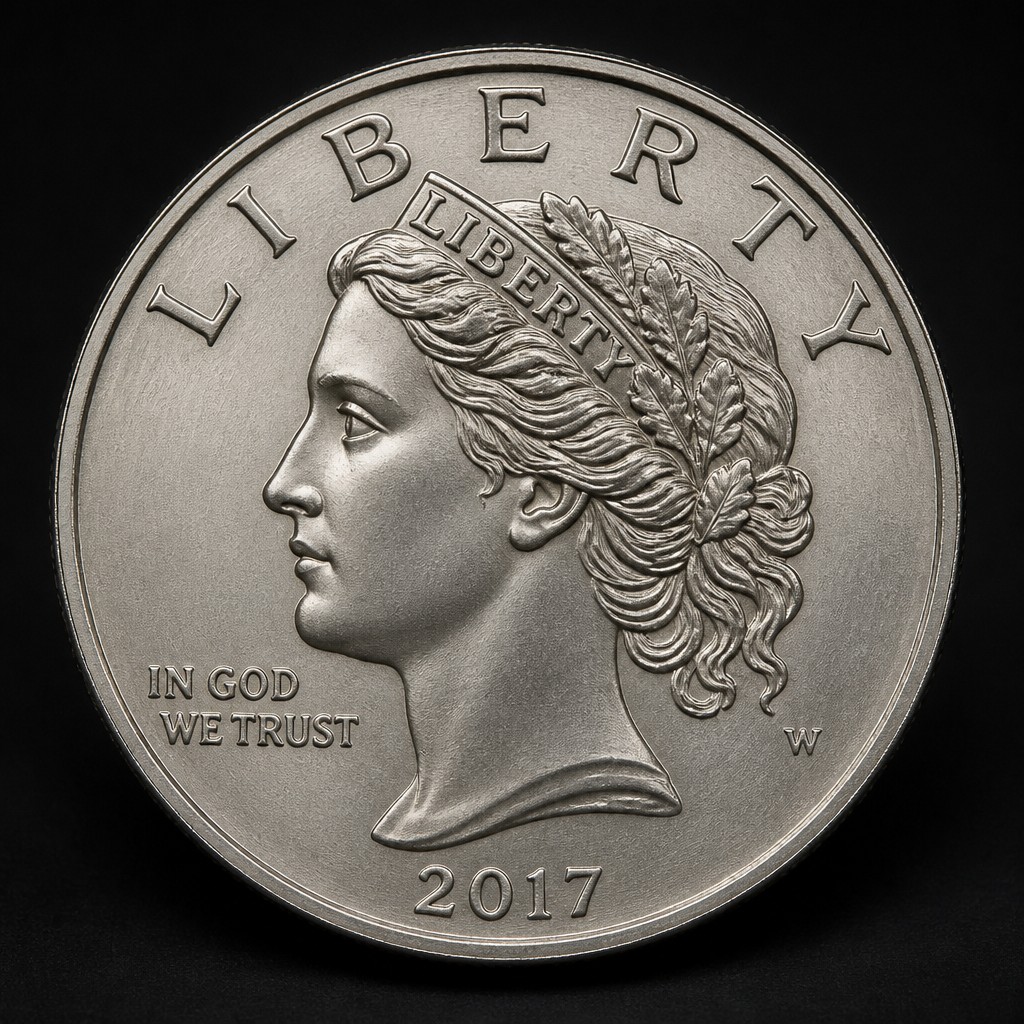
American Palladium Eagle
2017–present
Niue Silver Owl (Athenian)
2010s–present