
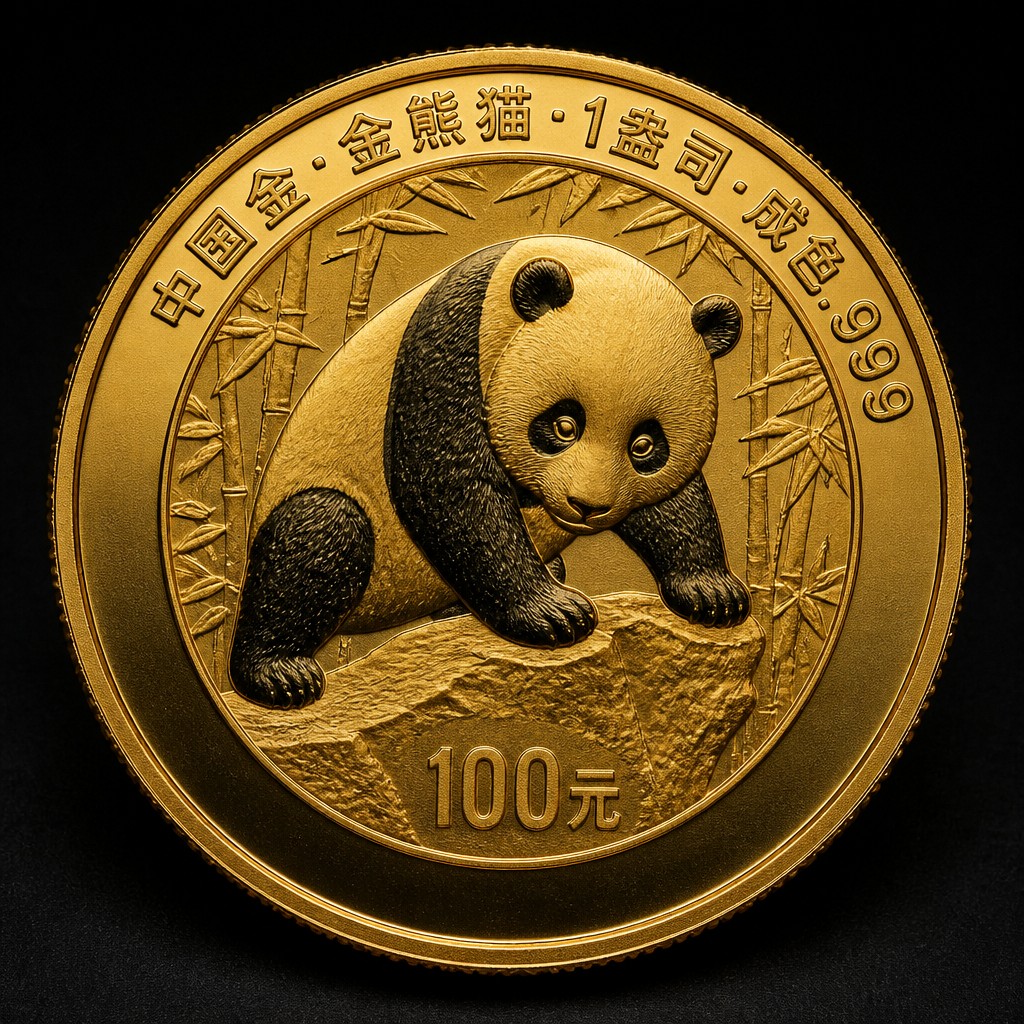
Chinese Gold Panda
China's flagship gold bullion and collector coin series, issued annually since 1982 with a new panda design each year, making it a favorite among both bullion buyers and design collectors.
- Country
- China
- Denomination
- Varies by weight (e.g., 500, 200, 100, 50, 20, 10 Yuan)
- Metal
- .999 (and later .9999) fine gold
Got a coin like this?
Identify any coin from a photo, free.
Overview
The Chinese Gold Panda is one of the world's most recognizable modern bullion coin series, distinguished by its practice of changing the panda design on the reverse every year (with a few early exceptions), unlike most other national bullion coins that keep a fixed design. This has made the series especially popular among collectors who enjoy tracking annual design changes in addition to investors focused purely on gold content.
Issued in a range of weights from fractional sizes up to a full troy ounce (and in special large formats for particular commemorative years), the Gold Panda offers flexibility for buyers at many price points, all backed by the People's Republic of China's official mint system.
The series has occasionally intersected with counterfeiting concerns common to popular gold bullion coins, making buying from reputable dealers particularly important, but genuine examples remain a cornerstone of many gold bullion portfolios and modern coin collections.
History & Background
China introduced the Gold Panda coin in 1982 as its first modern gold bullion product aimed at both domestic prestige and international bullion markets, choosing the giant panda, a globally beloved symbol of China, as its central design element. From the outset, the coin featured a different panda design nearly every year, a distinctive practice that set it apart from other nations' bullion coins.
Over the following decades, the series expanded in available weights and mintage, transitioning from a strictly troy-ounce-based weight system to metric weights (such as 1, 3, 8, 15, and 30 grams) in 2016 to standardize with China's broader use of the metric system.
The Gold Panda has become a flagship product of Chinese state minting, produced at several different facilities over its history including the Shanghai, Shenzhen, and Shenyang mints, and it remains one of the most actively traded and collected gold bullion coin series in the world today.
How to Identify
The obverse of the Gold Panda depicts the Temple of Heaven in Beijing, along with the country name and the year of issue in Chinese characters and numerals.
The reverse features a panda design that changes annually, showing pandas in various poses and settings, such as climbing trees, eating bamboo, or interacting with cubs, making each year's coin visually distinct.
The coin is struck in fine gold, historically .999 fine and later .9999 fine, in various weights; genuine coins carry the weight and fineness stamped on the coin, and buyers should be alert to the well-documented presence of counterfeit Gold Pandas in the market, verifying authenticity through weighing, dimension checks, and purchase from reputable dealers.
Value & Collectibility
Like most gold bullion coins, the Gold Panda's baseline value is tied directly to the price of gold for its stated weight and fineness, with a modest premium reflecting the coin's collectibility and dealer costs.
Because the design changes every year, certain low-mintage years or particularly popular designs can command premiums above typical bullion coins of similar weight, and early 1980s issues in high grade can be especially desirable to specialists.
Collectors should be aware that the Gold Panda series has a documented history of counterfeiting due to its popularity, making purchase from established, reputable dealers and verification of authenticity especially important before paying any premium above spot gold value.
Frequently asked questions
Why does the panda design change every year?
China chose to update the reverse panda design annually from the series' start in 1982, a distinctive feature that separates it from most other national bullion coins with fixed designs.
What is shown on the obverse?
The Temple of Heaven in Beijing, along with the year of issue.
Is the Gold Panda pure gold?
It is struck in fine gold, historically .999 and later .9999 fine, depending on the year of issue.
Are there fake Gold Pandas in the market?
Yes, due to its popularity, counterfeits are relatively common, so buyers should purchase from reputable dealers and verify weight and dimensions.
Other coins you may enjoy
Australian Kangaroo Gold Nugget
1986-present
Iranian Pahlavi Gold Coin
1925–1979
Isle of Man Angel Gold Coin
1984–present
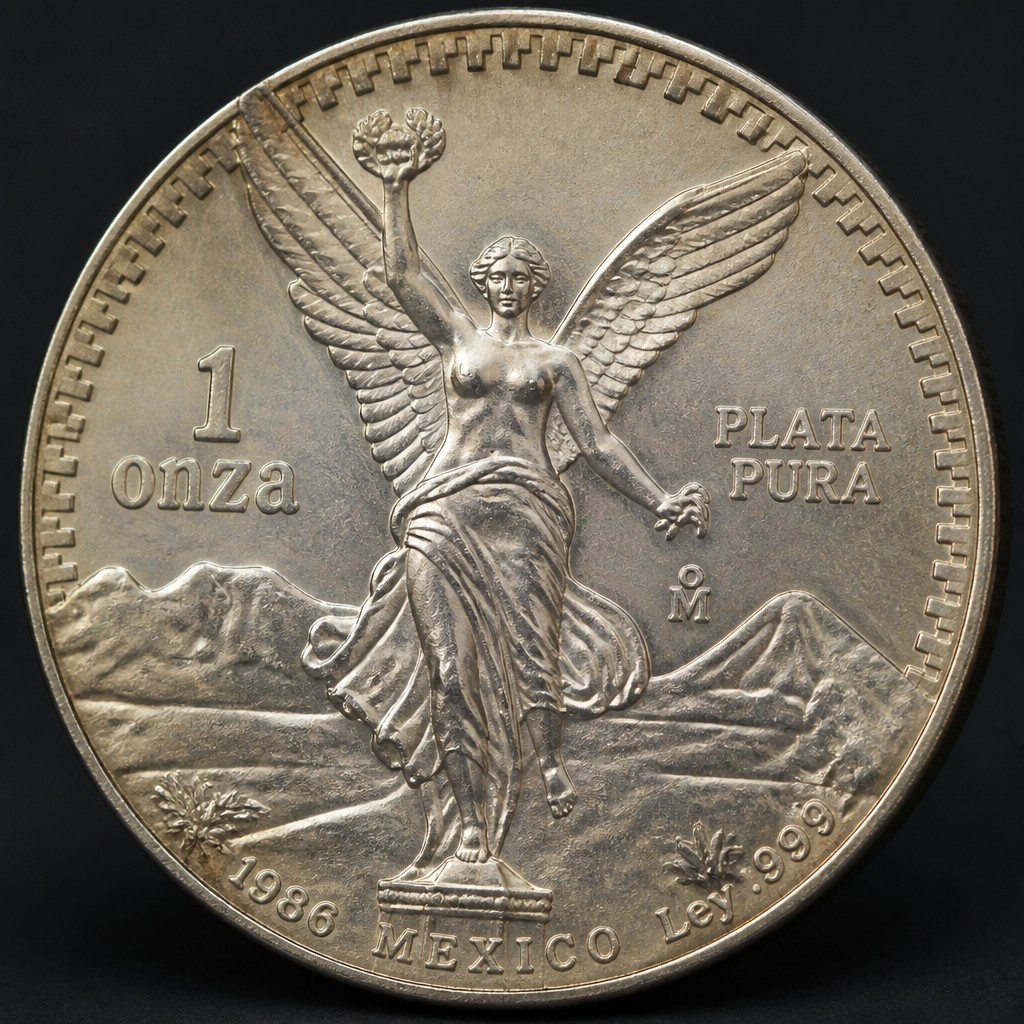
Mexican Libertad
1981-present (gold); 1982-present (silver)
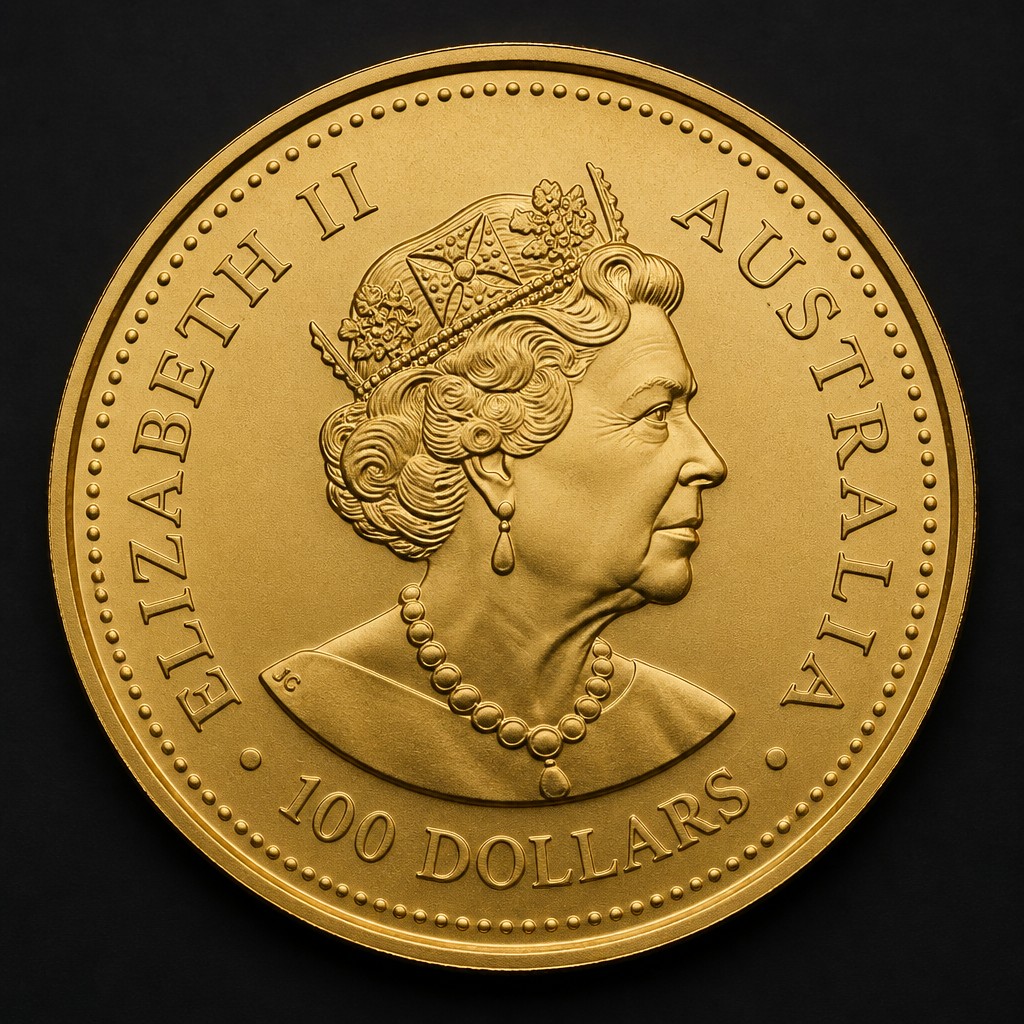
Australian Lunar Series (Perth Mint)
1996–present
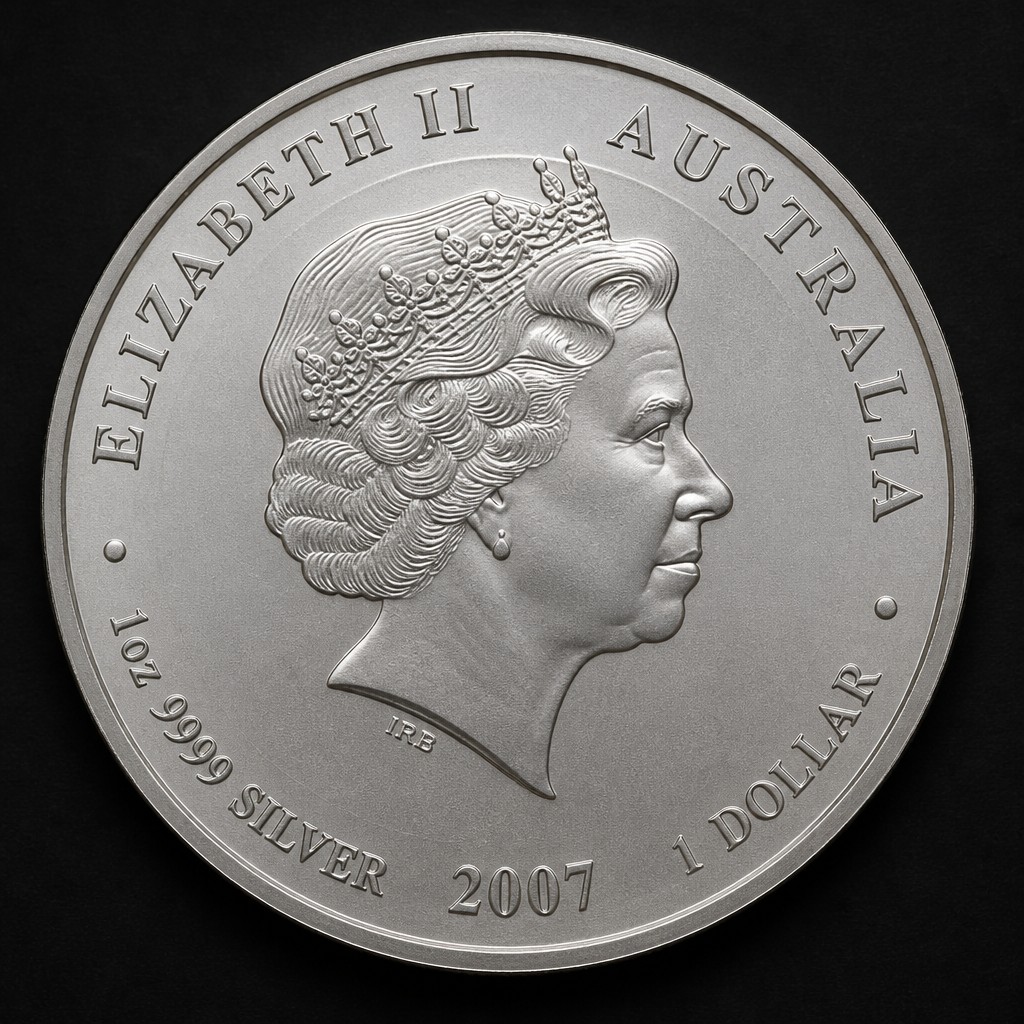
Australian Koala (Perth Mint)
1990-present (gold); 2007-present (silver)
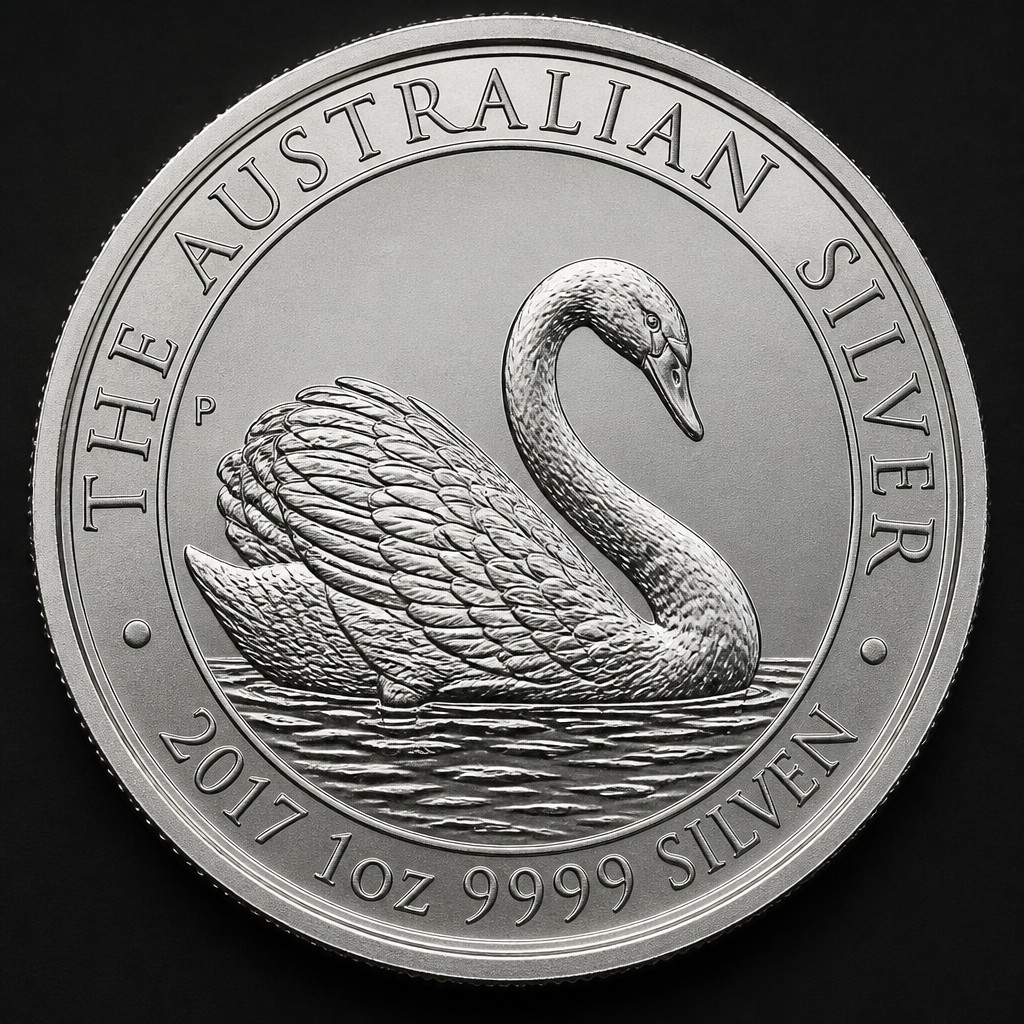
Perth Mint Silver Swan
2017–present
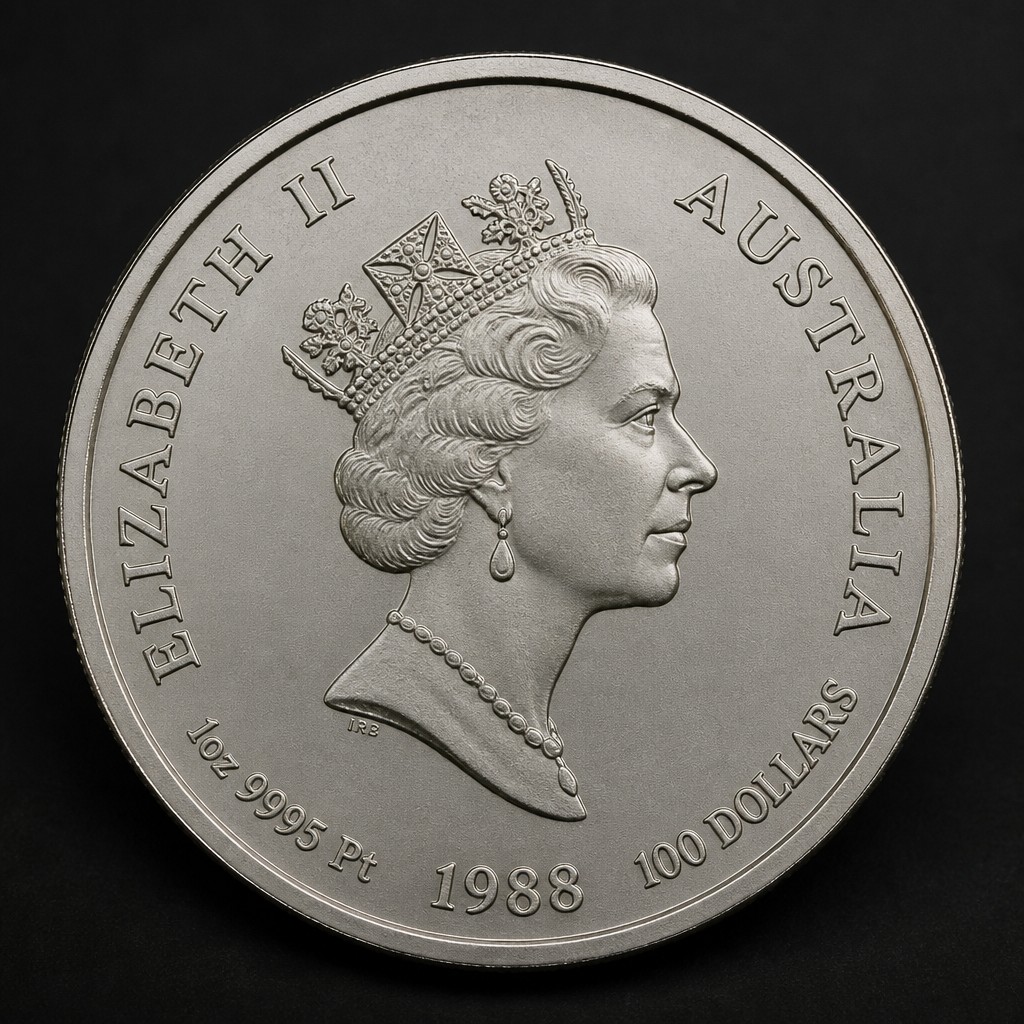
Australian Platinum Koala
1988–present
New Zealand Mint Silver Kiwi
2006–present
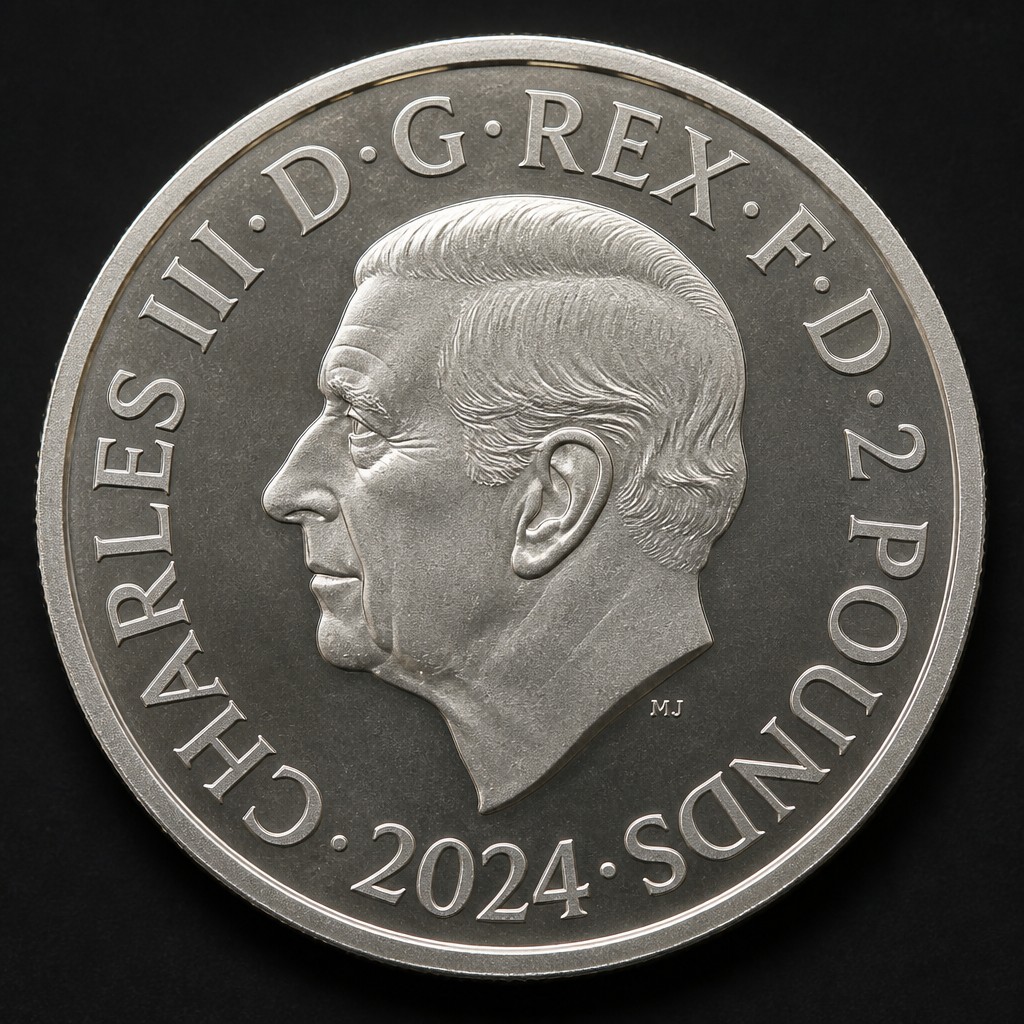
British Silver Landmarks of Britain
2020s–present
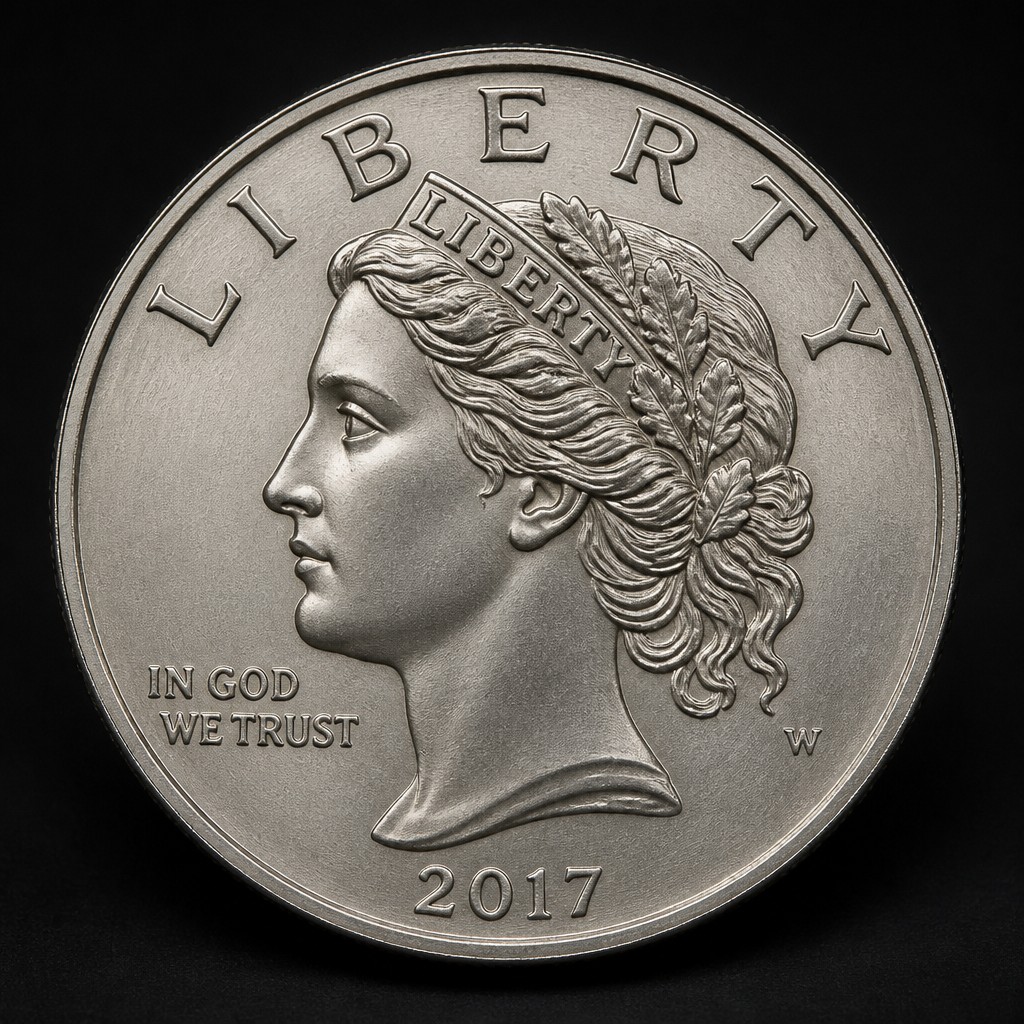
American Palladium Eagle
2017–present
Niue Silver Owl (Athenian)
2010s–present