
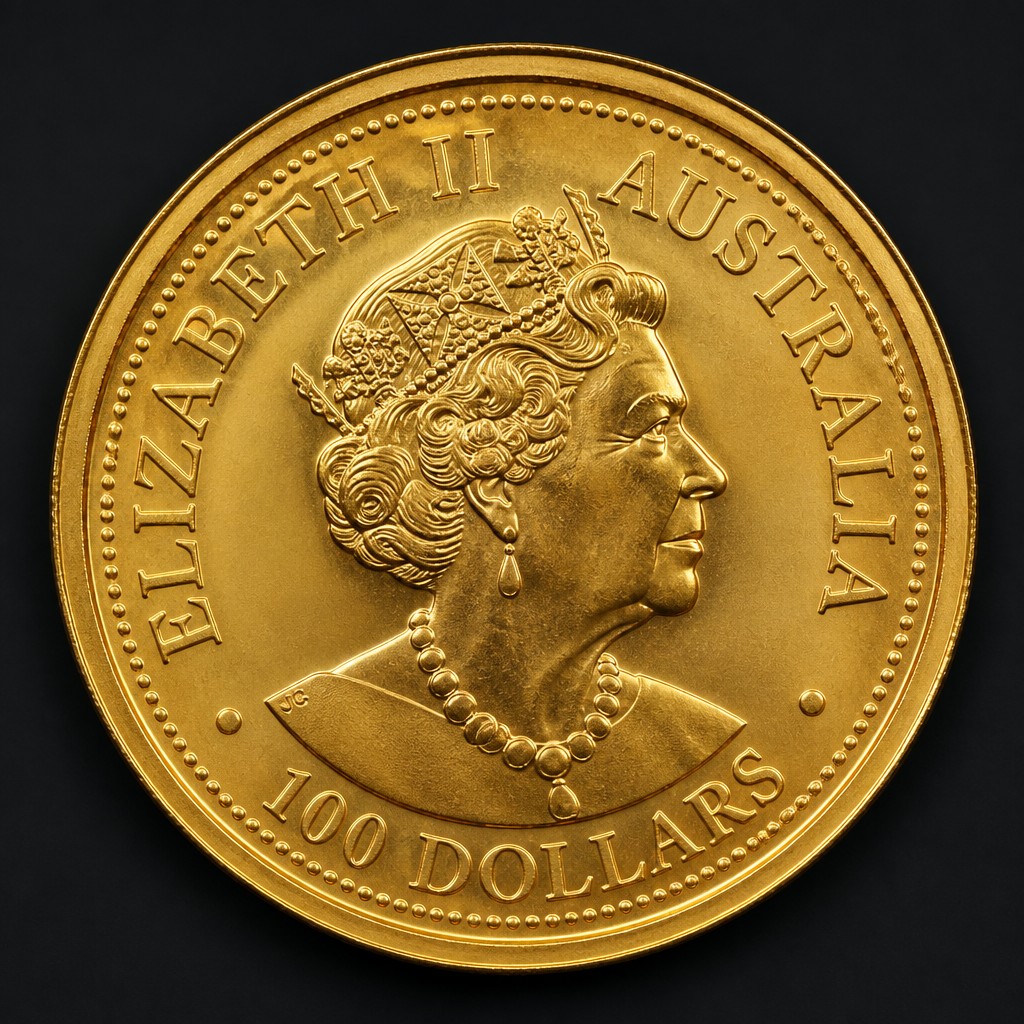
Australian Gold Kangaroo
Australia's flagship gold bullion coin, first struck as the Gold Nugget before adopting a yearly-changing kangaroo design in 1989.
- Country
- Australia
- Denomination
- $100 AUD (1 oz); other face values for fractional/kilo sizes
- Metal
- 0.9999 fine gold
Got a coin like this?
Identify any coin from a photo, free.
Overview
The Australian Gold Kangaroo is one of the world's most widely traded gold bullion coins, produced by the Perth Mint in .9999 fine gold. It is issued in a range of weights from 1/20 ounce up to a spectacular one-kilogram (and even larger) size, with the standard one-ounce coin carrying a legal tender face value of 100 Australian dollars.
Unlike many bullion programs that keep a static design, the Kangaroo series changes its reverse artwork almost every year, giving the coin a secondary appeal to design collectors as well as bullion buyers. This makes each year's issue a distinct collectible within an otherwise standardized weight-and-purity product.
Because it is government-guaranteed legal tender backed by the Perth Mint (part of the Government of Western Australia), the coin enjoys strong liquidity in global bullion markets alongside coins like the American Eagle and Canadian Maple Leaf.
History & Background
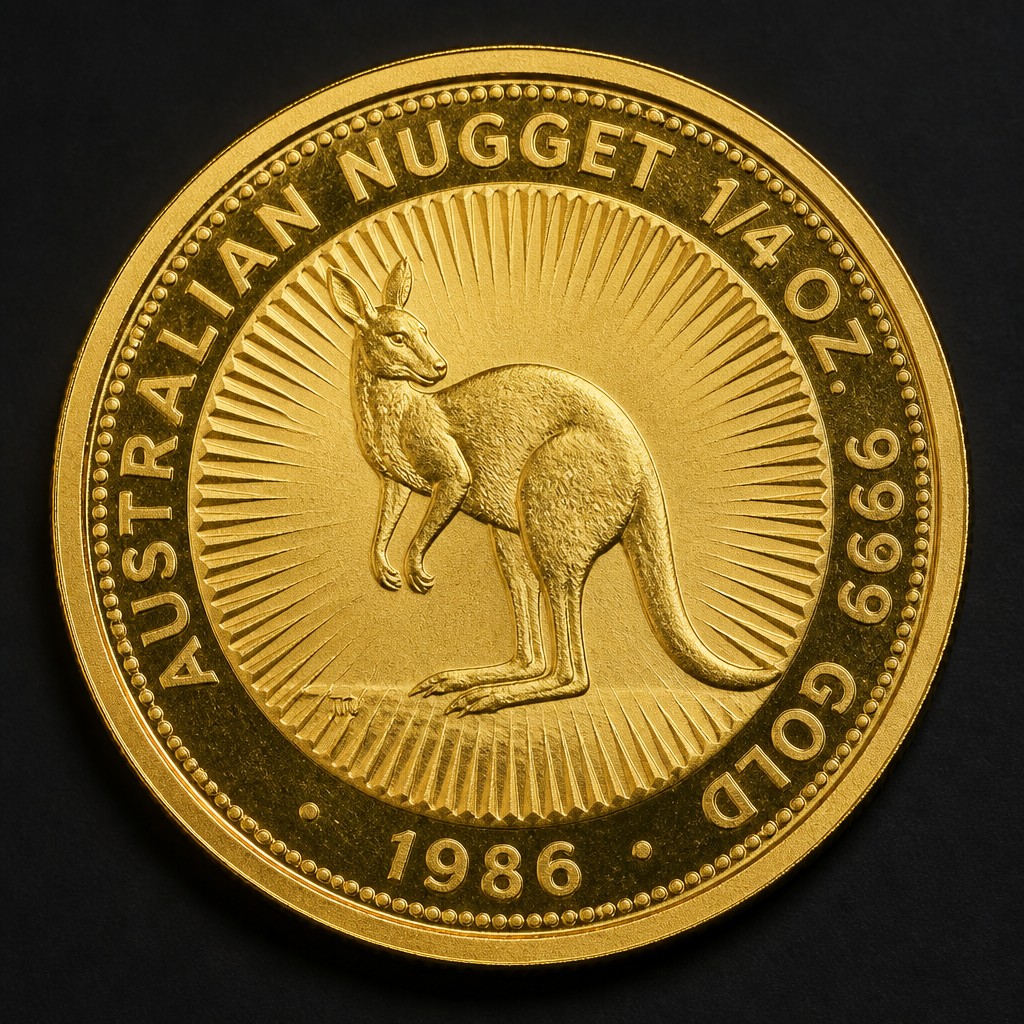
The coin began life in 1986 as the Australian Gold Nugget, featuring a different Australian gold nugget depicted on the reverse each year. In 1989 the design shifted to a leaping or grazing kangaroo motif, and the series was rebranded the Australian Gold Kangaroo, a name and concept that has continued with annually updated kangaroo artwork ever since.
The Perth Mint, Australia's oldest operating mint (established in 1899), produces the coin as part of its broader bullion program alongside the Silver Kangaroo, Lunar series, and other precious metal issues. The changing design each year is intended to keep the series fresh for collectors while the underlying bullion specifications remain fixed.
The obverse has always carried an effigy of the reigning British monarch, moving from Queen Elizabeth II's various portraits used from 1986 through 2022 to King Charles III's portrait beginning with coins dated 2023, reflecting Australia's status as a Commonwealth realm.
How to Identify
The obverse bears the portrait of the monarch (Elizabeth II historically, Charles III from 2023), with the denomination, weight, and fineness typically inscribed around the rim along with the year of issue. The reverse depicts a kangaroo in a pose and setting that changes annually, along with 'AUSTRALIA' and the fineness mark.
Standard one-ounce coins measure roughly 32 mm in diameter, though exact dimensions vary slightly by year and weight. Fractional sizes (1/20, 1/10, 1/4, 1/2 ounce) and larger sizes (2 oz, 10 oz, kilo, and rare larger formats) are also produced. All bear the 'P' mint mark of the Perth Mint.
To distinguish a given year's issue, collectors look at the specific kangaroo design, which is unique to that year, rather than a mint mark, since the Perth Mint is the sole producer. Genuine coins should have crisp, proof-quality strikes even in bullion finish, with sharp lettering and no soft or mushy details, which can indicate a counterfeit.
Value & Collectibility
Value tracks the spot price of gold closely, with a modest premium over melt value reflecting minting costs, dealer margin, and demand for the specific year or size. Bullion-grade coins in typical circulated-from-mint condition carry little numismatic premium beyond bullion value.
Certain early Gold Nugget issues (1986-1988) and low-mintage fractional or large-format kangaroo years can command collector premiums above straight bullion pricing, particularly in gem uncirculated or proof condition. Kilo and larger coins, being rarer and harder to produce, often trade with wider premiums.
As with all bullion coins, buyers should expect prices to move with the gold market day to day, and should be cautious of unusually cheap offers that may signal counterfeits or damaged coins.
Frequently asked questions
Is the Australian Gold Kangaroo the same as the Gold Nugget?
They are the same series; it was called the Gold Nugget from 1986-1988 before being renamed Gold Kangaroo in 1989 with a kangaroo design.
What purity is the coin?
It is struck in .9999 fine (24-karat) gold, one of the highest purities among major bullion coins.
Does the design change every year?
Yes, the kangaroo reverse artwork is updated annually, unlike many bullion coins with a fixed design.
Who mints it?
The Perth Mint in Western Australia, Australia's oldest operating mint.
Is it legal tender?
Yes, it carries a face value guaranteed by the Australian government, though its market value is driven by its gold content.
Other coins you may enjoy
Australian Kangaroo Gold Nugget
1986-present
Iranian Pahlavi Gold Coin
1925–1979
Isle of Man Angel Gold Coin
1984–present
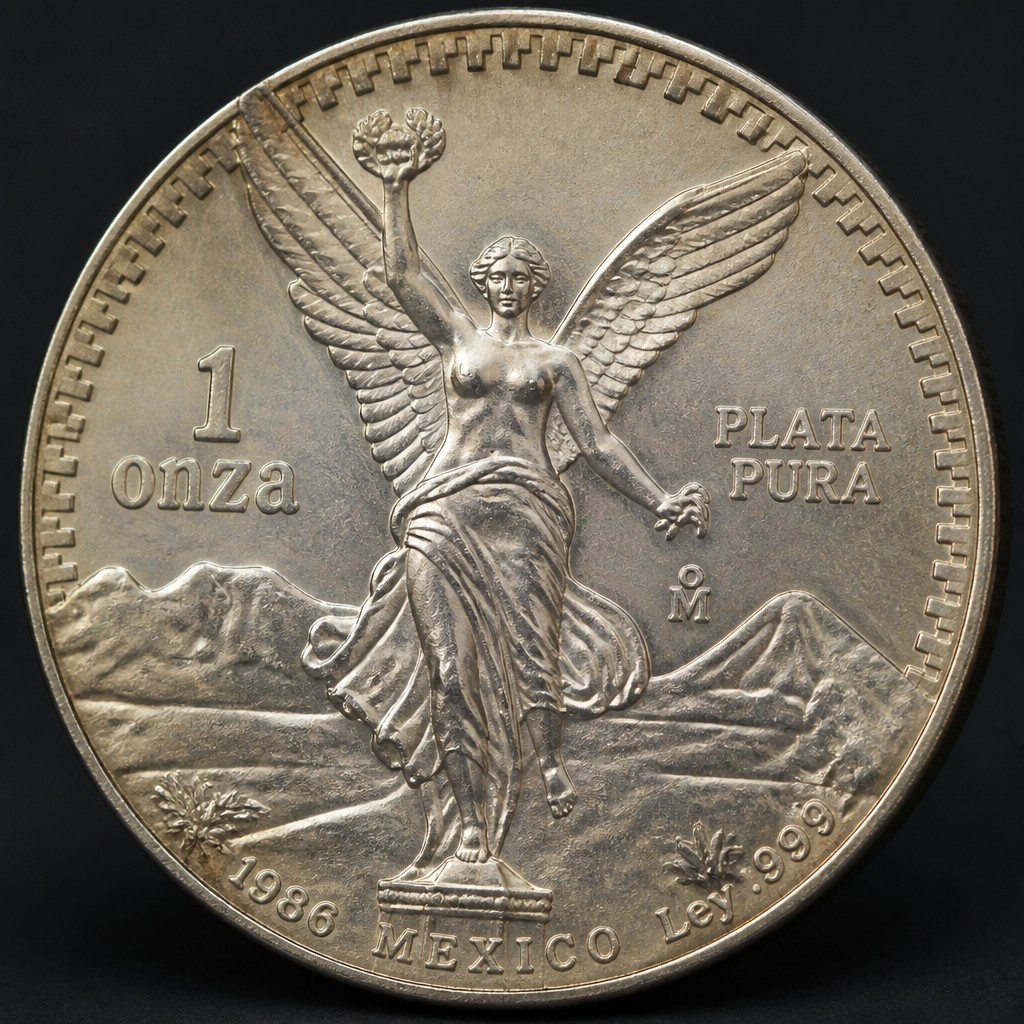
Mexican Libertad
1981-present (gold); 1982-present (silver)
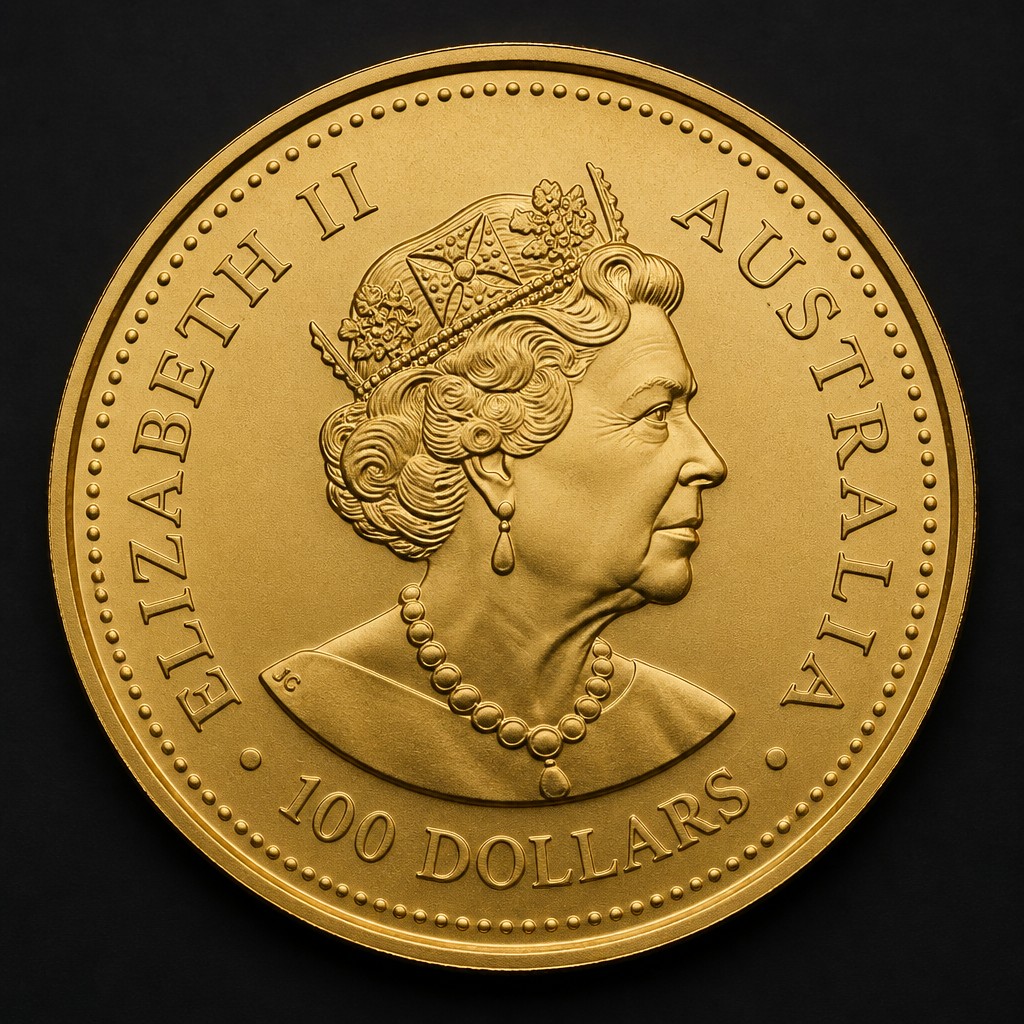
Australian Lunar Series (Perth Mint)
1996–present
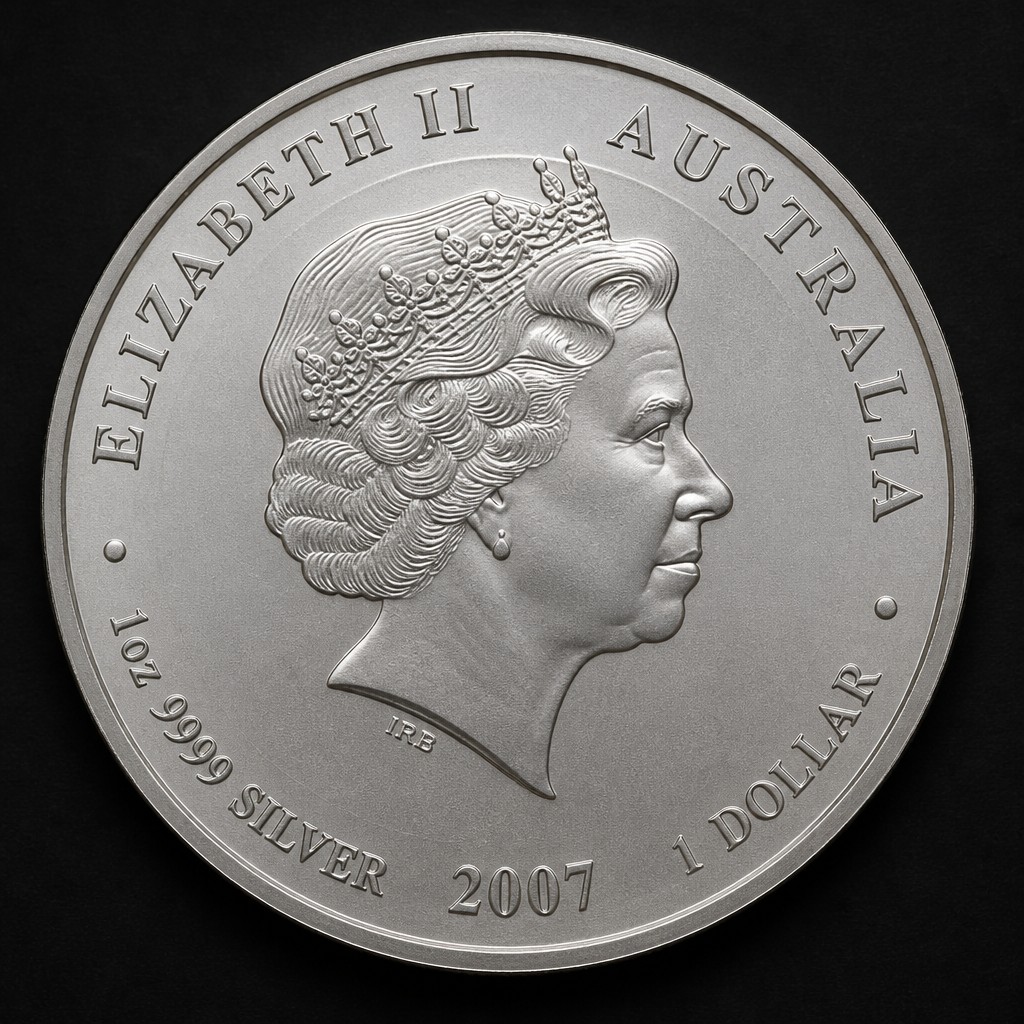
Australian Koala (Perth Mint)
1990-present (gold); 2007-present (silver)
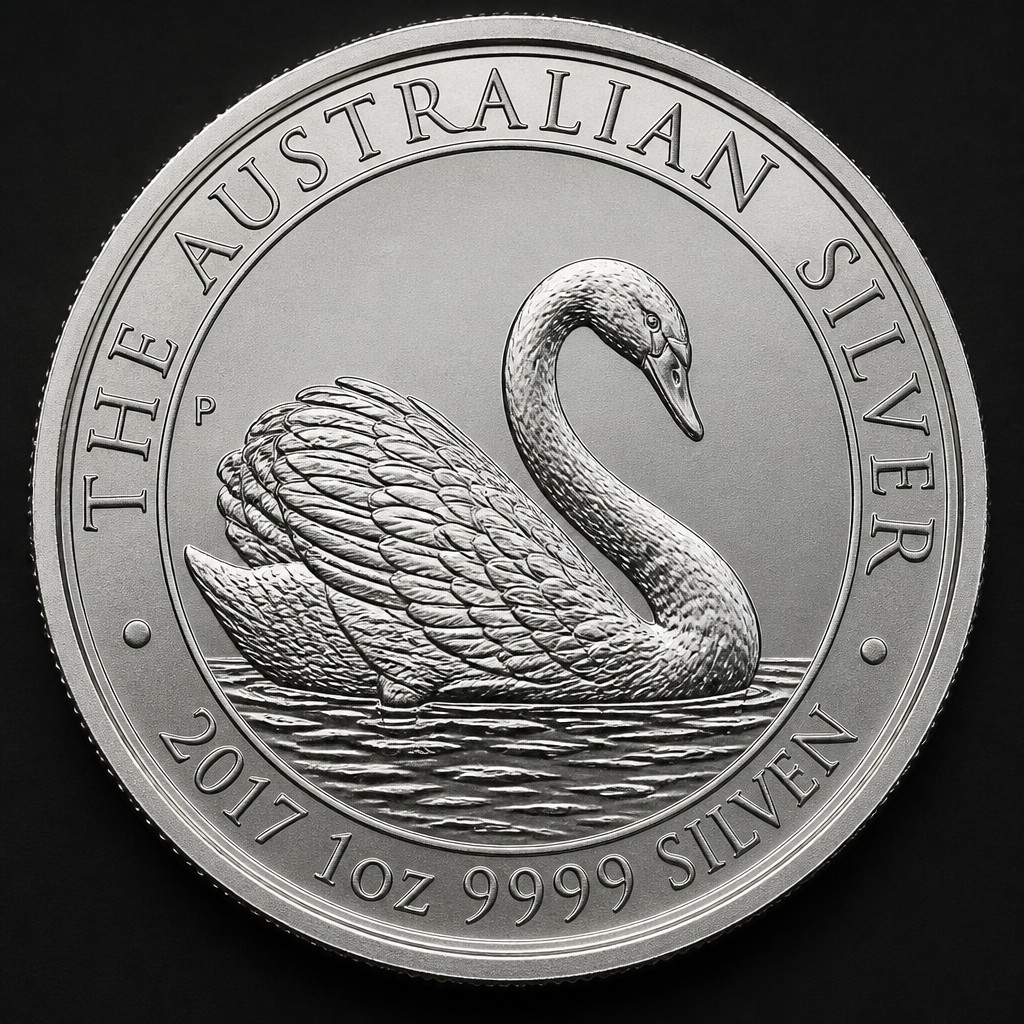
Perth Mint Silver Swan
2017–present
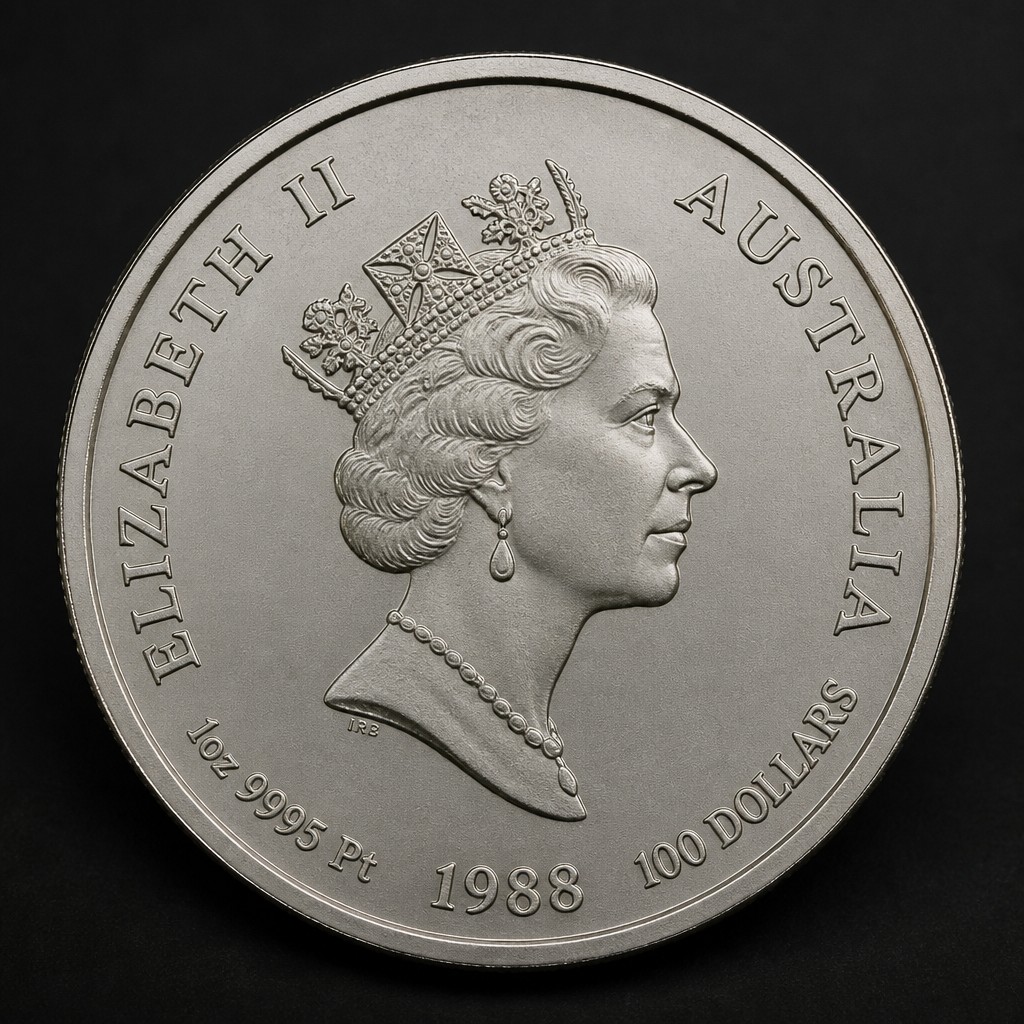
Australian Platinum Koala
1988–present
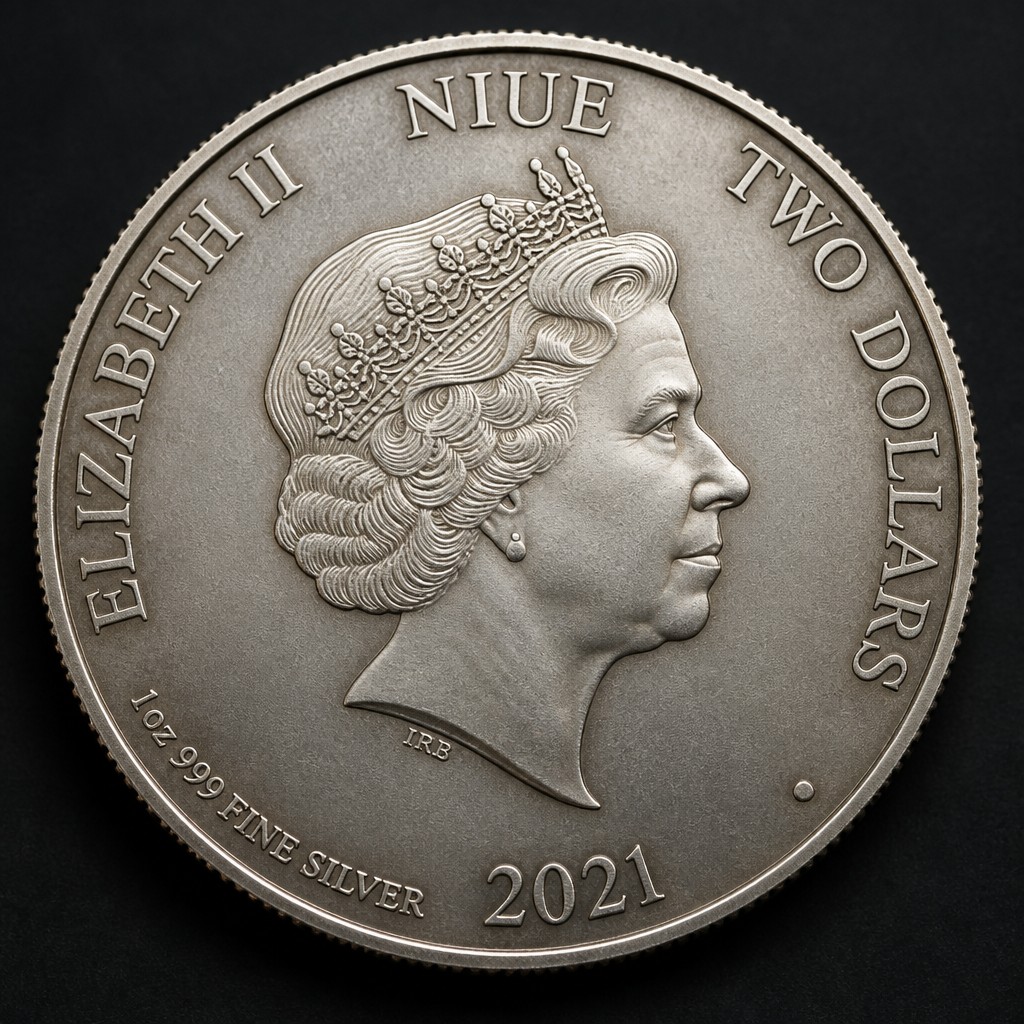
New Zealand Mint Silver Kiwi
2006–present
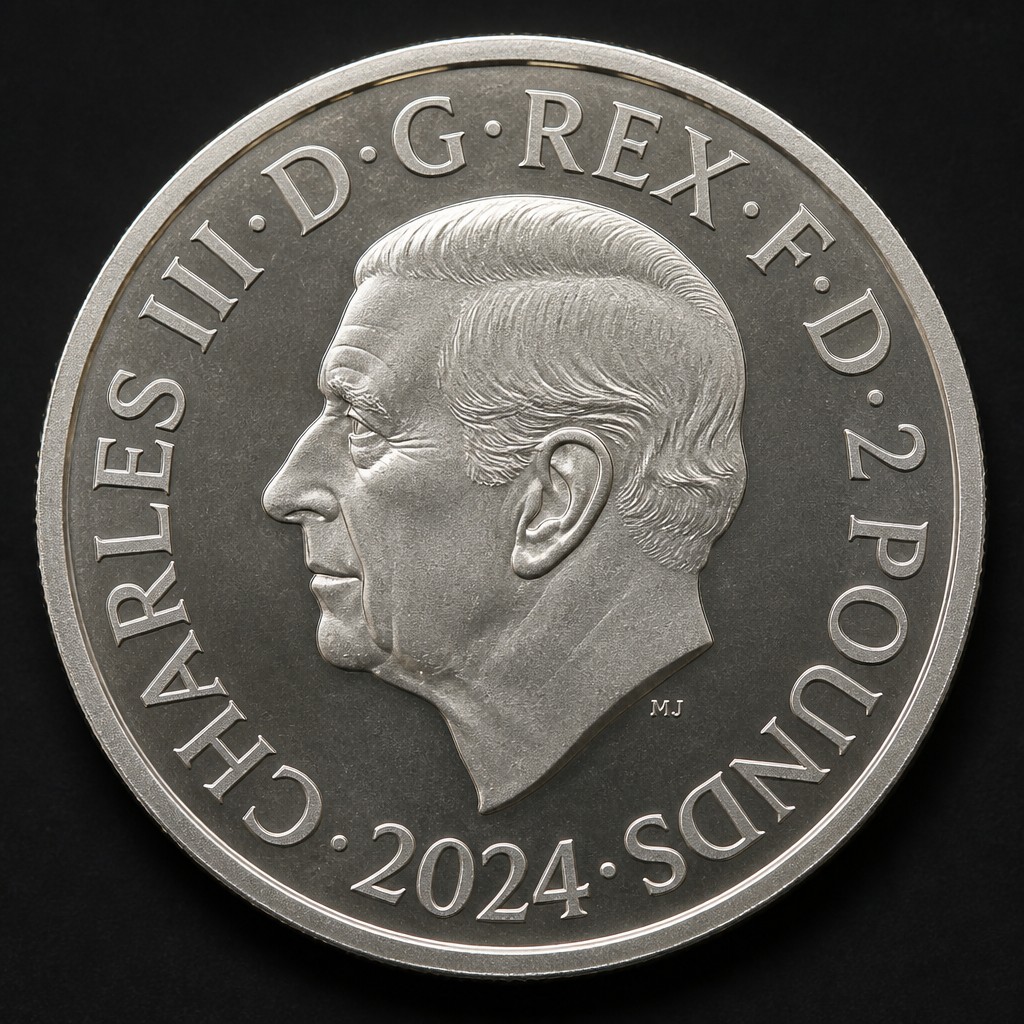
British Silver Landmarks of Britain
2020s–present
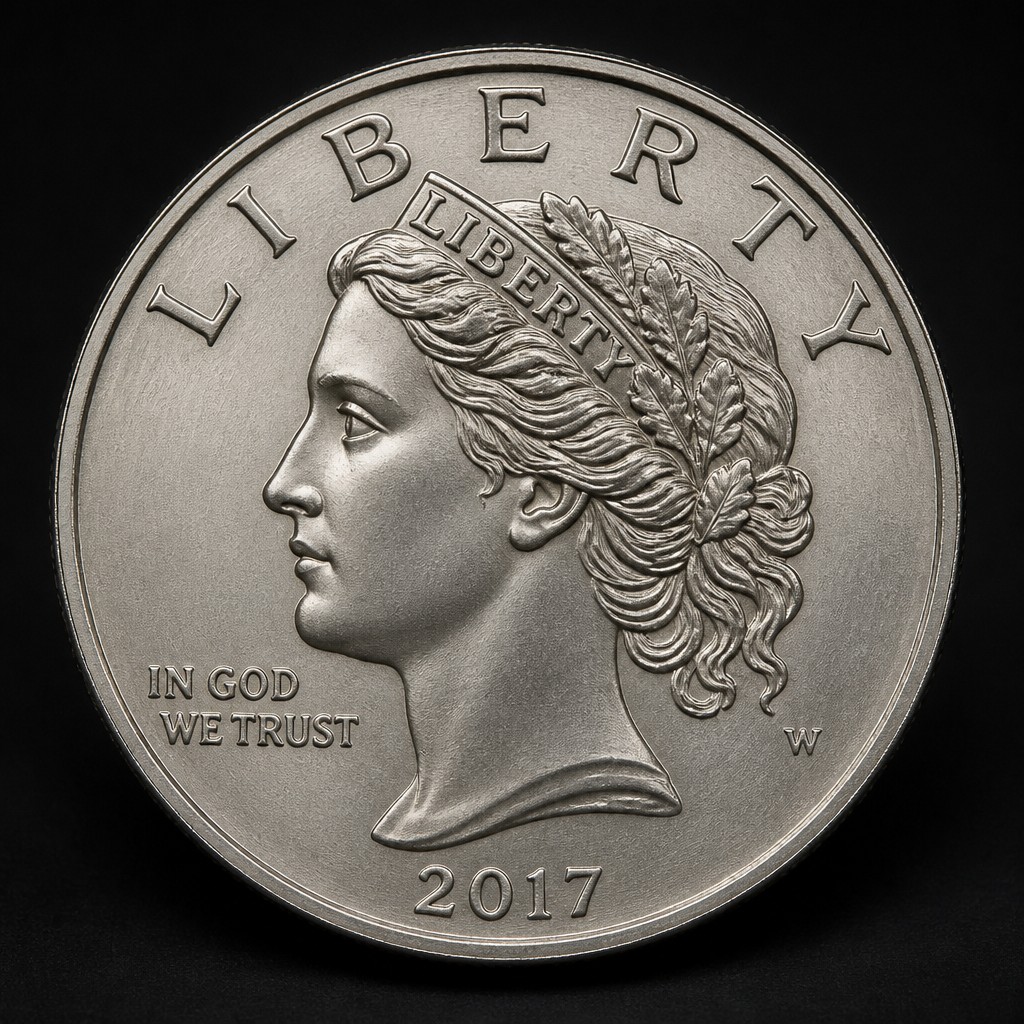
American Palladium Eagle
2017–present
Niue Silver Owl (Athenian)
2010s–present