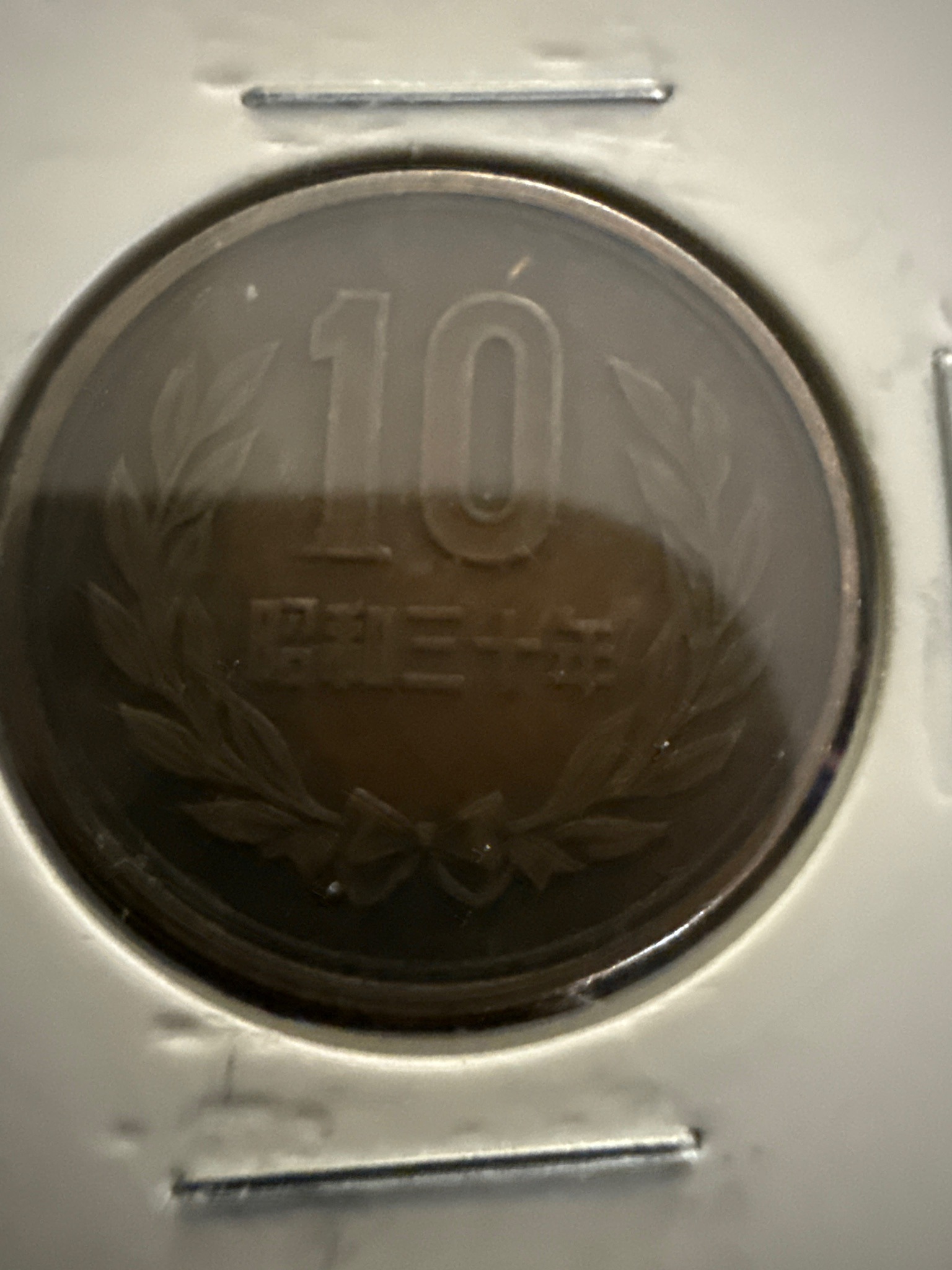
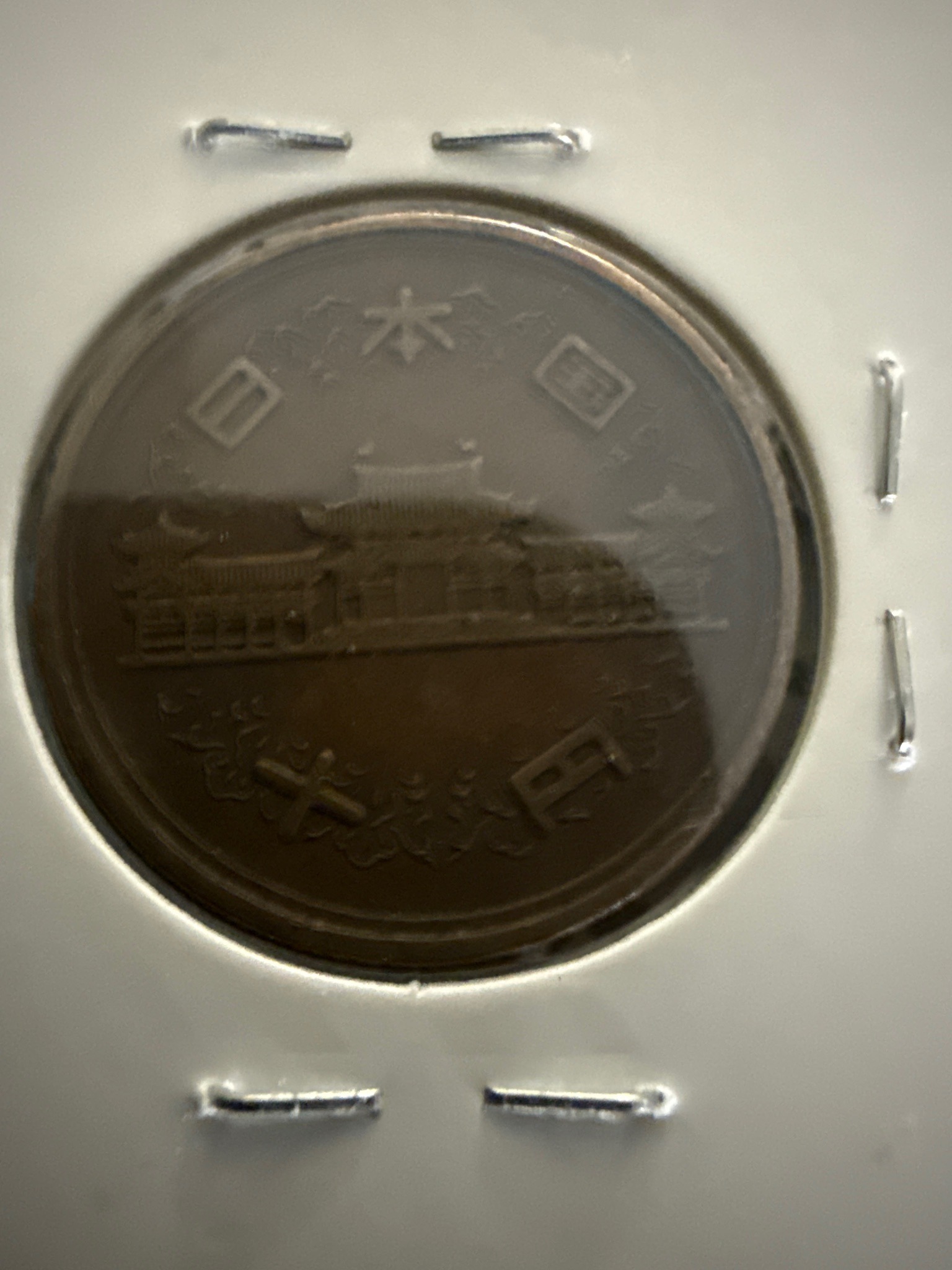
Japan 10 Yen (Showa period / Byodoin Phoenix Hall)
Japan · Showa 30 (1955)
A bronze Japanese 10-yen coin featuring the Phoenix Hall of Byodoin Temple on one side and a large numeric value with a laurel wreath on the other.
- Country
- Japan
- Year
- Showa 30 (1955)
- Denomination
- 10 Yen
- Metal
- Bronze (95% Copper, 4-5% Zinc, 1-0% Tin)
This report is AI-generated and can be wrong. Always verify grade, authenticity, and value with a qualified dealer or certified grading service before buying, selling, or insuring.
Identify your own coins.
Get a report just like this from any photo, free.
Overview
Historical significance
Obverse (front)
Reverse (back)
Estimated value
What drives this coin's value
Grade assessment
Mintage & rarity
Authenticity & counterfeit red flags
Notable varieties & errors
Similar coins
Care & preservation
More like this
Other japan coins
50 Yen Coin
Japan · Shōwa 54 (1979 CE)
Japanese 10 Yen Coin (Byodo-in Temple)
Japan · Dates vary, but design is standard for coins from 1959 onwards. The specific year is written in Japanese era format on the reverse.
Pachinko Token (Japanese Game Token)
Japan (Private Issue) · Late 20th Century (approx. 1970s - 1990s)
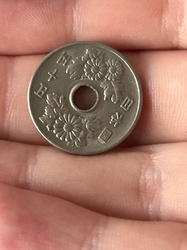
50 Yen (Chrysanthemum)
Japan · 1974 (Showa Year 49)
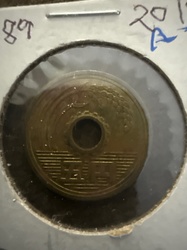
Japanese 5 Yen Coin
Japan · 1949 to Present (Heisei 5 / 1993 visible or similar modern year)
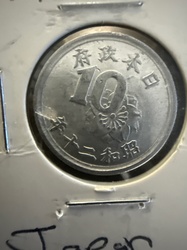
Japan 10 Yen (Showa)
Japan · Showa 21 (1946)