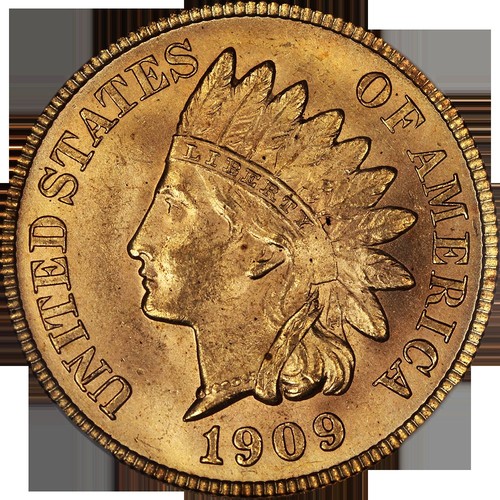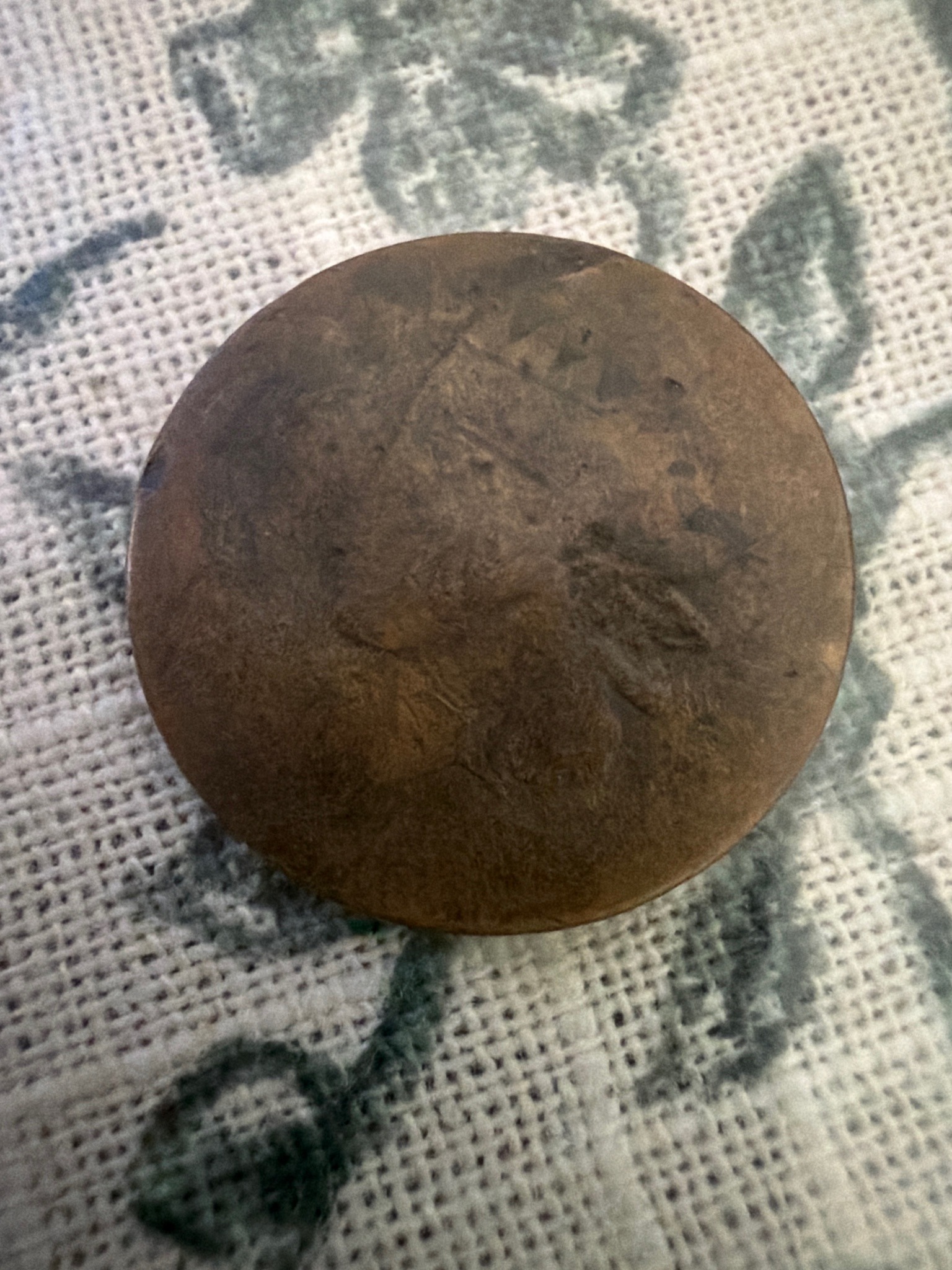
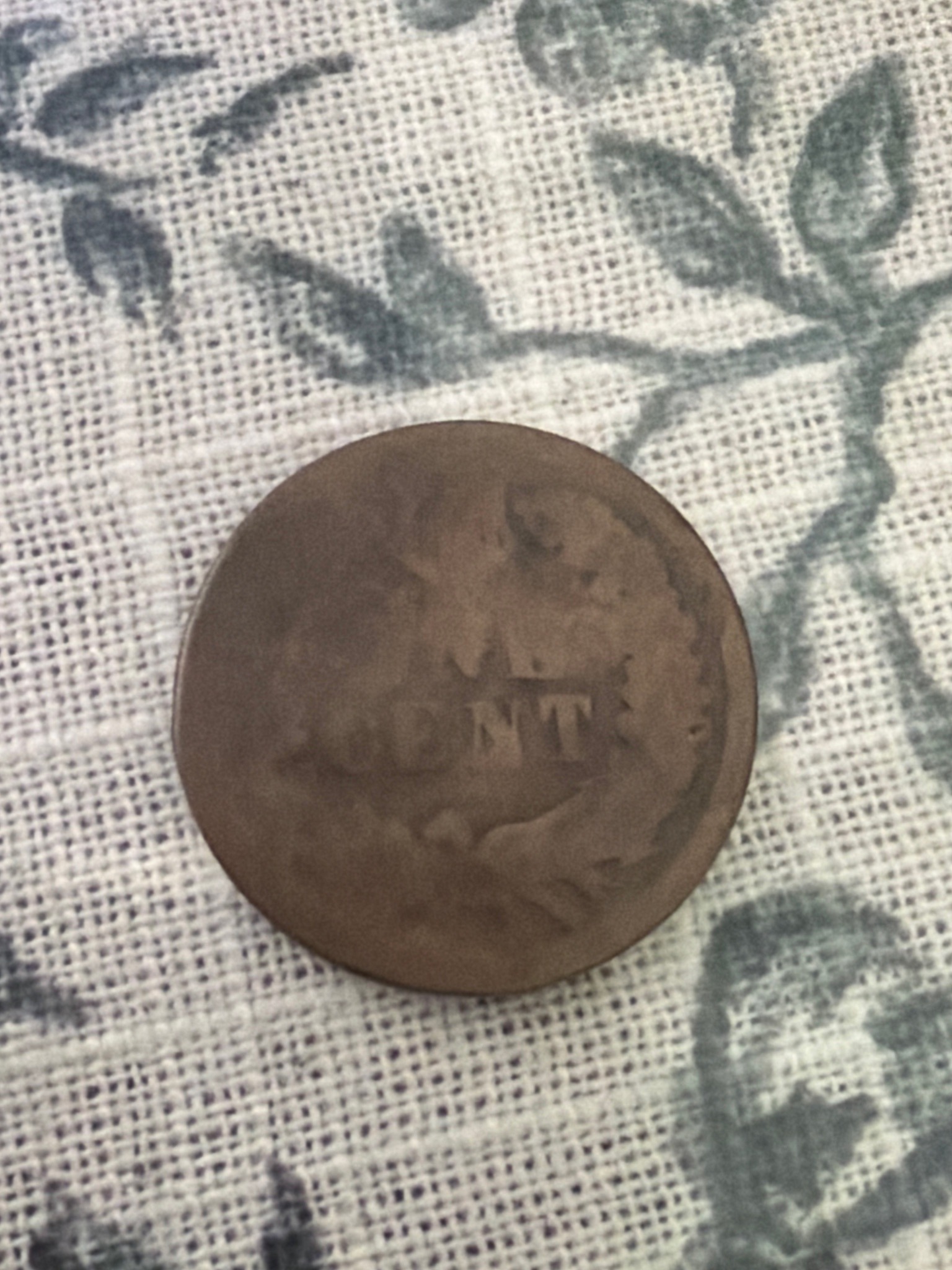
Indian Head Cent
United States of America · 1859-1909 (undated due to wear)
A very heavily worn, dark brown copper coin. The outline of a profile in a headdress is visible on one side, and a circular wreath around the word CENT is partially visible on the other.
- Country
- United States of America
- Year
- 1859-1909 (undated due to wear)
- Denomination
- One Cent ($0.01)
- Metal
- 95% copper, 5% tin/zinc (Bronze)
This report is AI-generated and can be wrong. Always verify grade, authenticity, and value with a qualified dealer or certified grading service before buying, selling, or insuring.
Identify your own coins.
Get a report just like this from any photo, free.
Overview
Historical significance
Obverse (front)
Reverse (back)
Estimated value
What drives this coin's value
Grade assessment
Mintage & rarity
Authenticity & counterfeit red flags
Notable varieties & errors
Similar coins
Care & preservation
More like this
Other united states of america coins
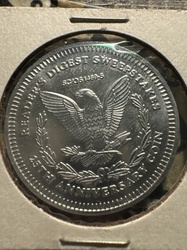
Reader's Digest Sweepstakes 25th Anniversary Coin (Token)
United States, Reader's Digest Association · 1987
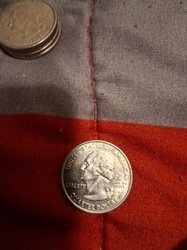
Washington Quarter (50 State Quarters Program / DC & Territories)
United States of America · Post-1999 (The specific reverse design is not visible, but this obverse design was used from 1999–2009 and 2021)
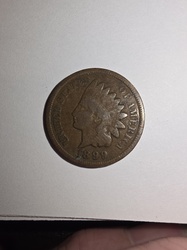
Indian Head Cent
United States of America · 1899
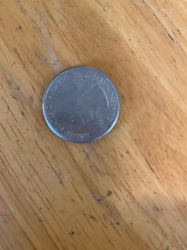
San Antonio Missions Quarter (America the Beautiful Quarters Series)
United States of America · 2019
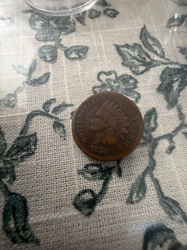
Indian Head Cent
United States · 1879
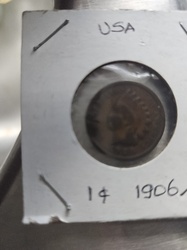
Indian Head Cent
United States · 1906