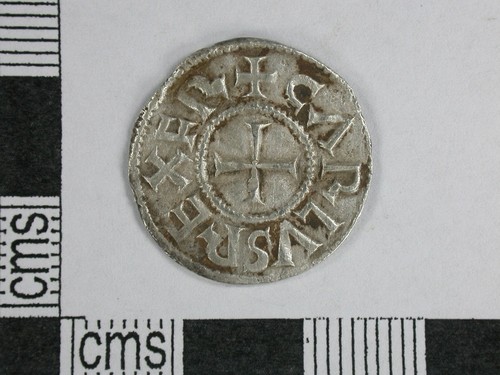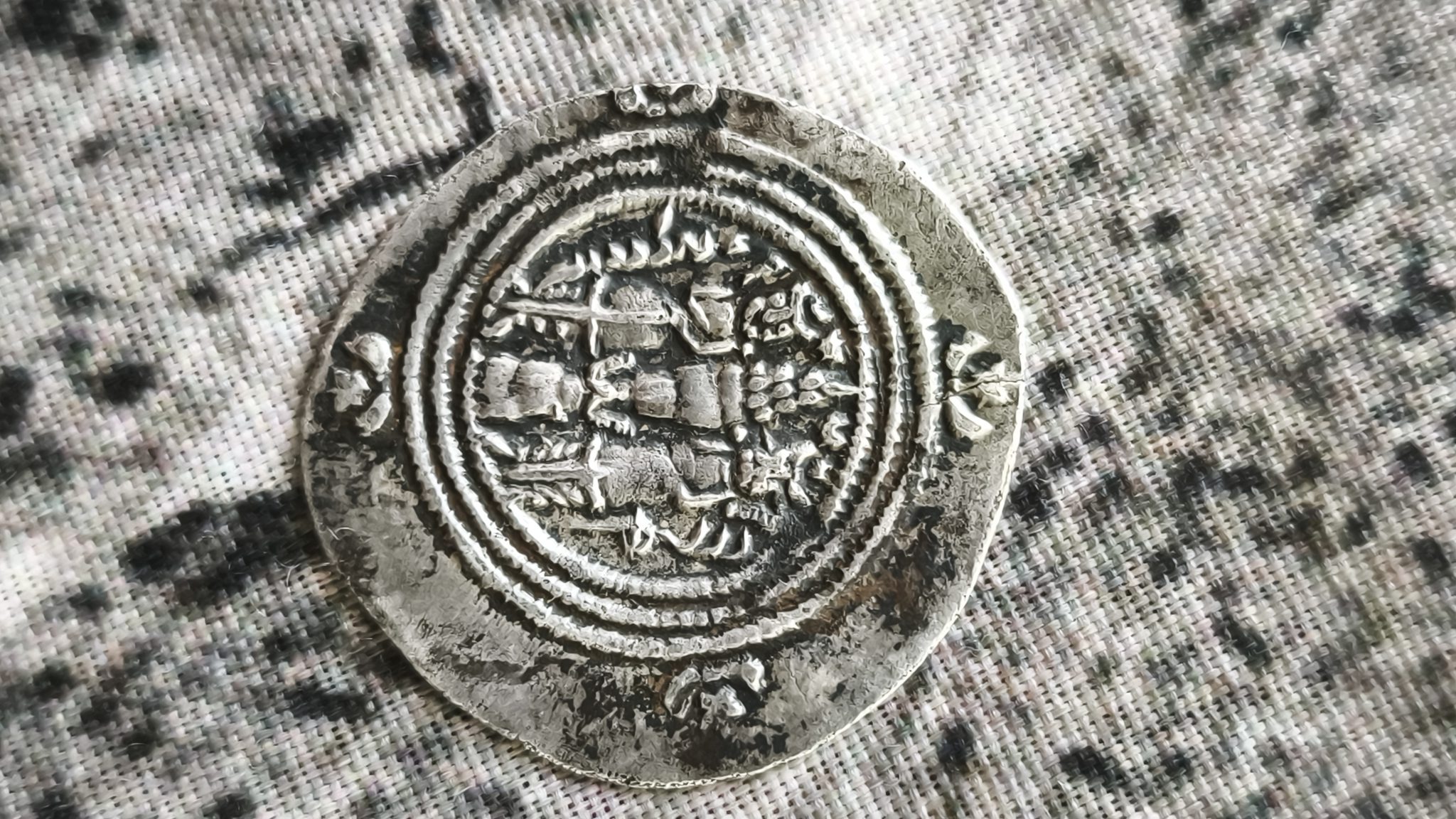
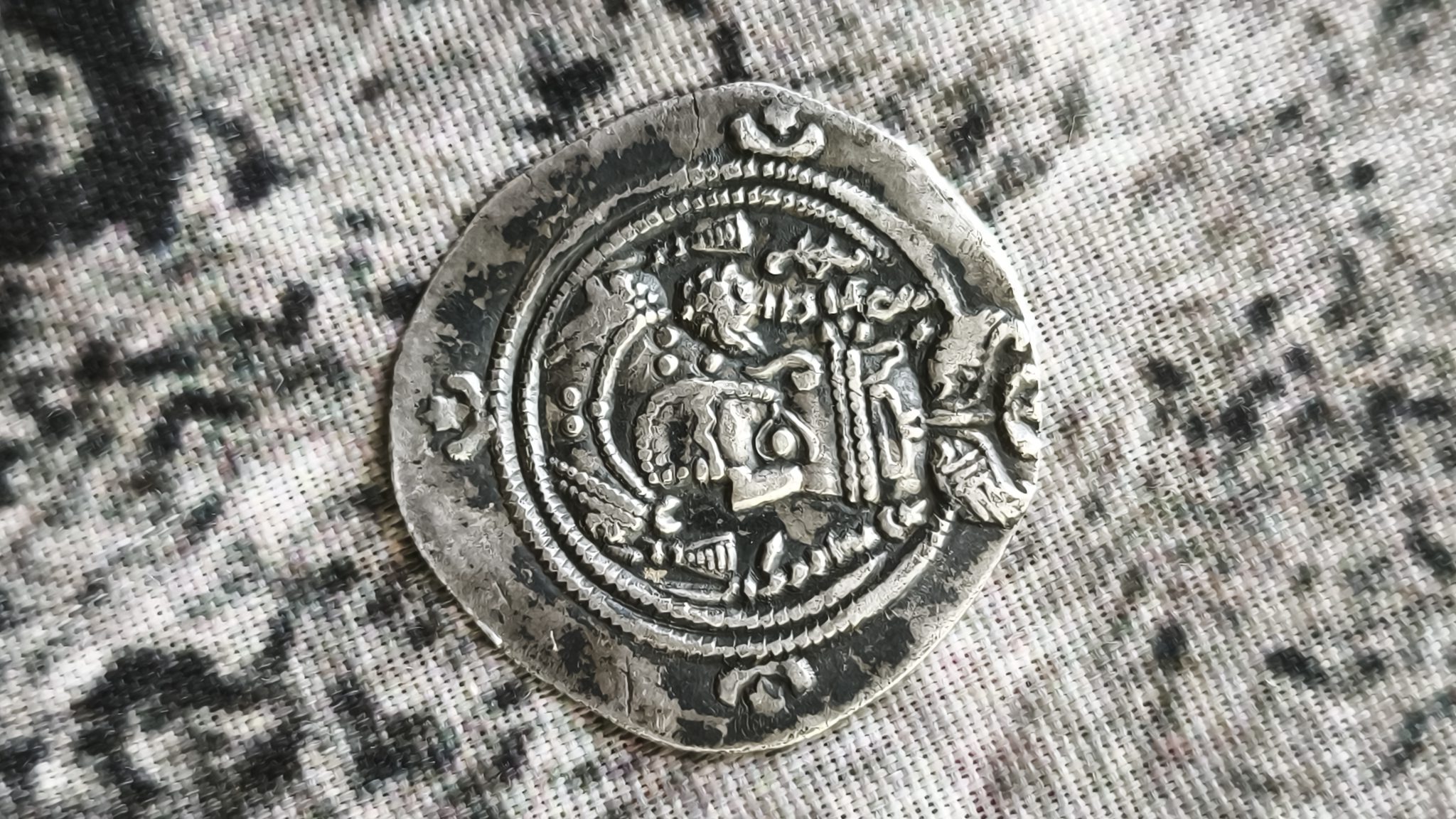
Crusader Groat / Denier
Principality of Antioch or County of Tripoli (Levant / Outremer) · Circa 12th-13th Century (e.g., Bohemond III to Bohemond VII)
A medieval European-style silver coin minted in the Crusader States, featuring stylized armored portraits and Christian crosses with circular legends.
- Country
- Principality of Antioch or County of Tripoli (Levant / Outremer)
- Year
- Circa 12th-13th Century (e.g., Bohemond III to Bohemond VII)
- Denomination
- Denier or Groat
- Metal
- Billón or Silver
This report is AI-generated and can be wrong. Always verify grade, authenticity, and value with a qualified dealer or certified grading service before buying, selling, or insuring.
Identify your own coins.
Get a report just like this from any photo, free.
Overview
Historical significance
Obverse (front)
Reverse (back)
Estimated value
What drives this coin's value
Grade assessment
Mintage & rarity
Authenticity & counterfeit red flags
Notable varieties & errors
Similar coins
Care & preservation
More like this
Other principality of antioch or county of tripoli (levant / outremer) coins
Crusader Denier / Obole
County of Tripoli (Levant / Modern Lebanon) · c. 12th-13th Century (e.g., Raymond II to Bohemund IV, c. 1152-1233)
Homestead National Monument of America Quarter (America the Beautiful Quarters Series)
United States of America · 2015

Monaco 20 Francs Prince Rainier III
Monaco · 1950

Andorra 5 Euro Cent 2017
Andorra · 2017

Monaco 1 Euro (Prince Albert II)
Monaco (issued under the authority of the Prince of Monaco, minted by Monnaie de Paris) · 2022
Justinian I Follis (Large Bronze 40 Nummi)
Byzantine Empire (Eastern Roman Empire) · 538-539 AD (Regnal Year 12)