
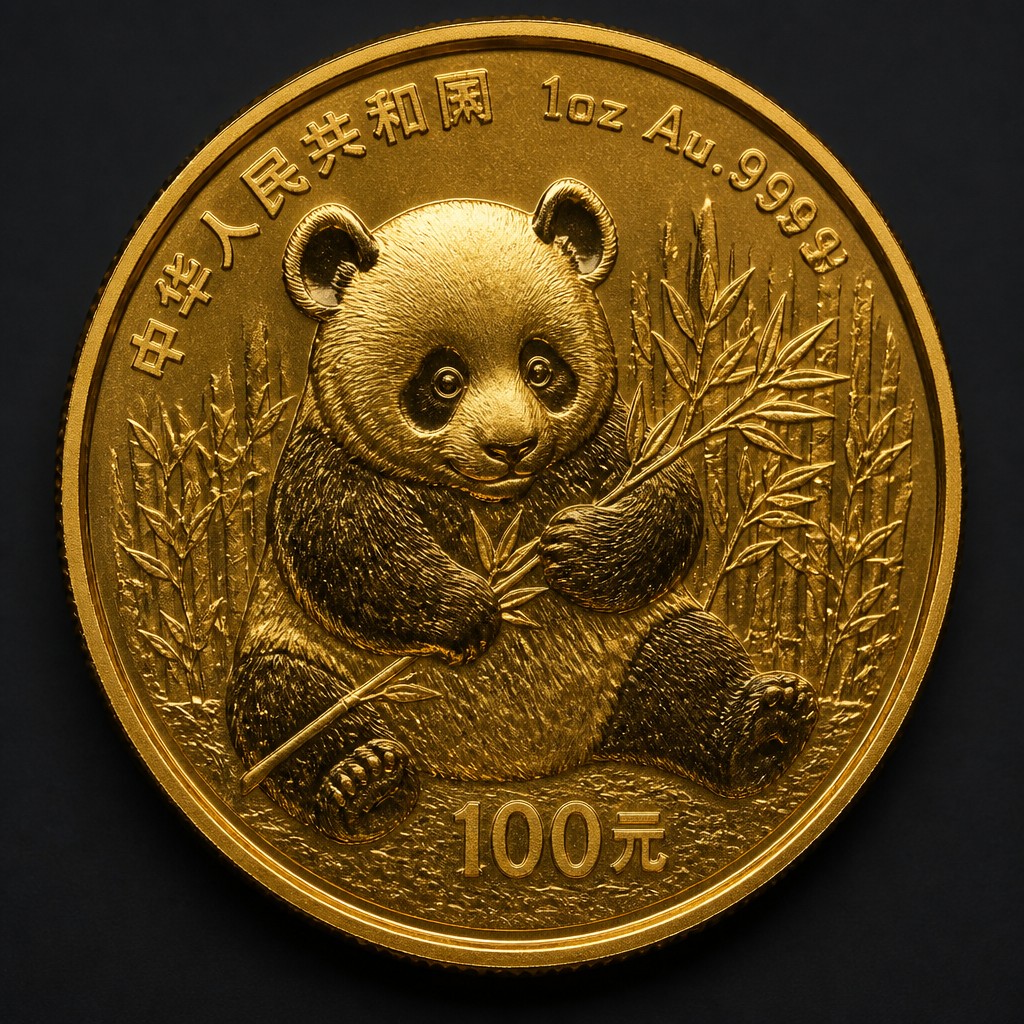
Gold Panda (China)
China's flagship gold bullion coin, issued since 1982 with a different panda design nearly every year, making the series a favorite among both bullion buyers and date-and-design collectors.
- Country
- China (People's Republic of China)
- Denomination
- Yuan (varies by weight, e.g. 500 Yuan for 1 oz / 30g)
- Metal
- Gold (.999 fine)
Got a coin like this?
Identify any coin from a photo, free.
Overview
The Gold Panda is the People's Republic of China's premier gold bullion coin, prized both for its high purity and for its ever-changing panda reverse design, a rare feature among major world bullion coins that typically keep a fixed design year after year. This annual design change has made the series especially popular with collectors who enjoy pursuing a complete date run in addition to investors focused on gold content.
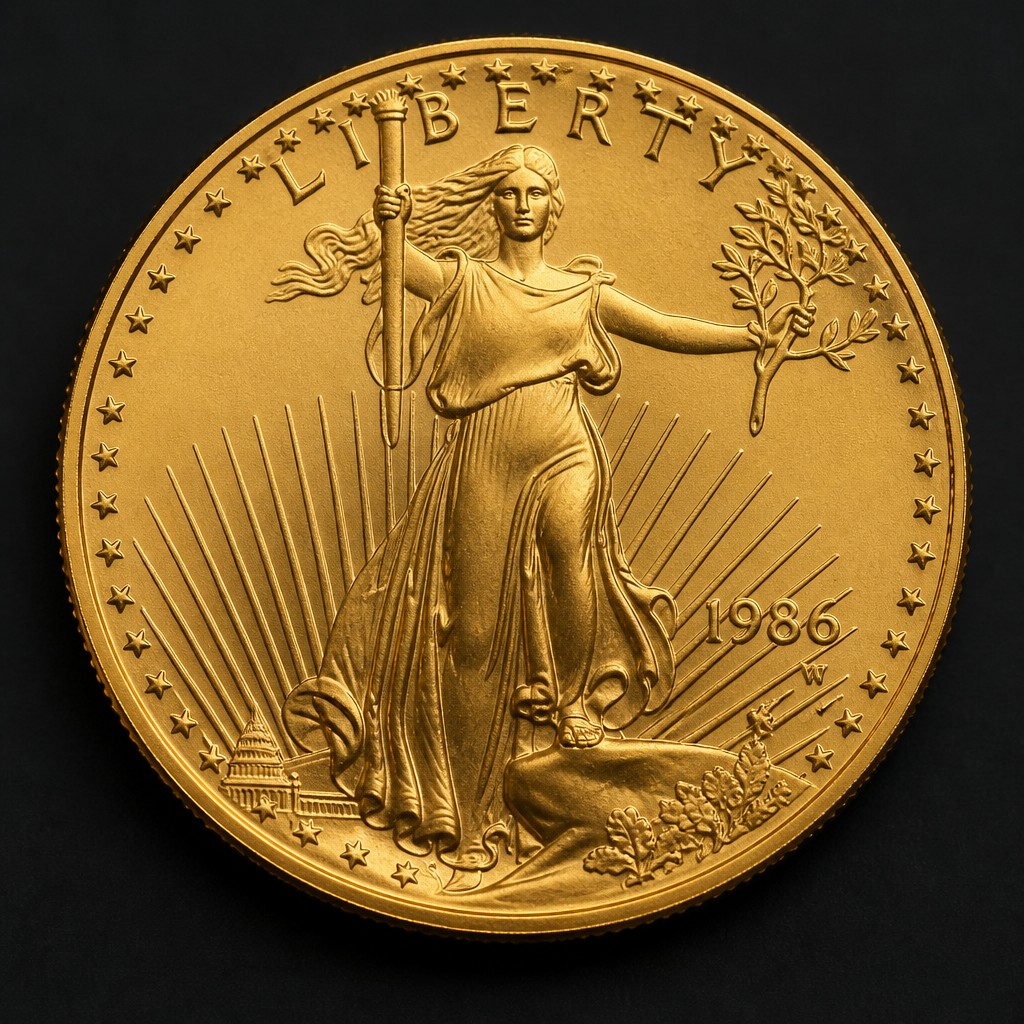
Issued in a range of weights from fractional sizes up to one ounce (and historically larger sizes as well), the Gold Panda competes with coins like the American Gold Eagle, Canadian Gold Maple Leaf, and South African Krugerrand as one of the world's leading sovereign gold bullion products.
Collectors particularly value certain early dates and design varieties within the series, along with proof and special mint-mark versions produced in limited quantities for numismatic rather than pure bullion purposes.
History & Background
China introduced the Gold Panda in 1982 as part of an effort to enter the growing international gold bullion coin market alongside established programs from other nations. The decision to feature a panda, an animal closely associated with China internationally, gave the coin an immediately recognizable and marketable identity.
Unlike many bullion coins that retain a single design indefinitely, Chinese authorities chose to change the panda reverse design nearly every year, a practice that has continued for decades and become one of the series' defining and most appealing characteristics for collectors. The coin's denominations and weight standards have also evolved over time, shifting from a troy-ounce-based system to metric weights (such as 1, 3, 8, 15, and 30 grams) in 2016.
Produced at Chinese state mints including Shenyang and Shenzhen, the Gold Panda has grown into one of the most widely recognized and actively traded gold bullion coin series in the world, with strong demand both domestically within China and internationally among bullion investors and collectors.
How to Identify
The obverse of the Gold Panda consistently shows the Temple of Heaven in Beijing, along with the coin's date and the country name in Chinese characters. The reverse features a panda design that typically changes from year to year, depicting pandas in various poses and settings, making the reverse the key identifying feature for a specific year's issue.
The coin is struck in .999 fine gold, and modern issues are denominated in Chinese yuan with the face value corresponding to the coin's weight, for example 500 yuan for a 1 troy ounce (pre-2016) or 30 gram (2016 onward) coin, with smaller fractional sizes carrying proportionally lower face values. Mint marks are generally not used to distinguish Shenyang from Shenzhen production on the coin itself, so identifying the specific mint often relies on subtle design or manufacturing characteristics known to specialists.
Collectors should be aware that because of the coin's international popularity, counterfeit Gold Pandas are a known issue in the market, making purchase from reputable dealers and, where relevant, third-party grading services important for confirming authenticity.
Value & Collectibility
Gold Panda values track closely with the underlying spot price of gold, plus a modest premium reflecting minting costs, distribution, and collector demand, similar to other major bullion coin programs. Certain early dates from the 1980s, low-mintage years, and design varieties or errors can carry meaningfully higher premiums among specialized Panda collectors beyond simple bullion value.
Proof and special limited editions, when available, typically command higher premiums than standard bullion strikes due to their lower mintages and enhanced finish, while common recent-date bullion strikes trade closest to melt value plus a standard dealer premium.
Frequently asked questions
What is special about the Gold Panda coin?
Unlike most bullion coins, its panda reverse design typically changes every year, making it popular with both investors and design collectors.
What purity is the Gold Panda?
It is struck in .999 fine gold.
When did the Gold Panda first come out?
China first issued the Gold Panda coin in 1982.
What sizes does the Gold Panda come in?
It has been issued in various weights, historically based on troy ounces and, since 2016, on metric gram weights such as 1, 3, 8, 15, and 30 grams.
Is the Gold Panda a good way to invest in gold?
It is one of several widely recognized sovereign gold bullion coins whose value largely tracks the gold price, though as with any purchase, buyers should do their own research and buy from reputable sources.
Other coins you may enjoy
American Silver Eagle
1986–present
Australian Gold Nugget (Kangaroo)
1986–present
Vienna Philharmonic
1989–present
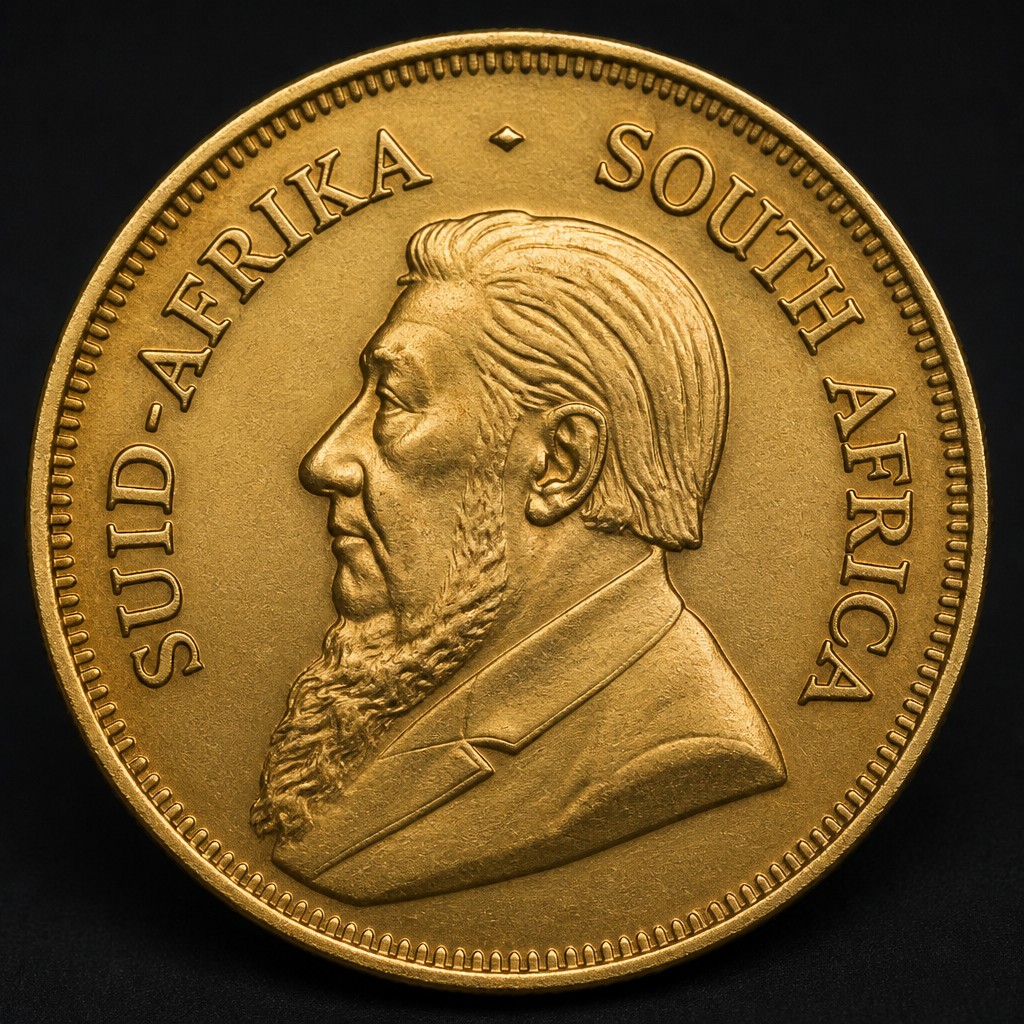
South African Krugerrand
1967–present
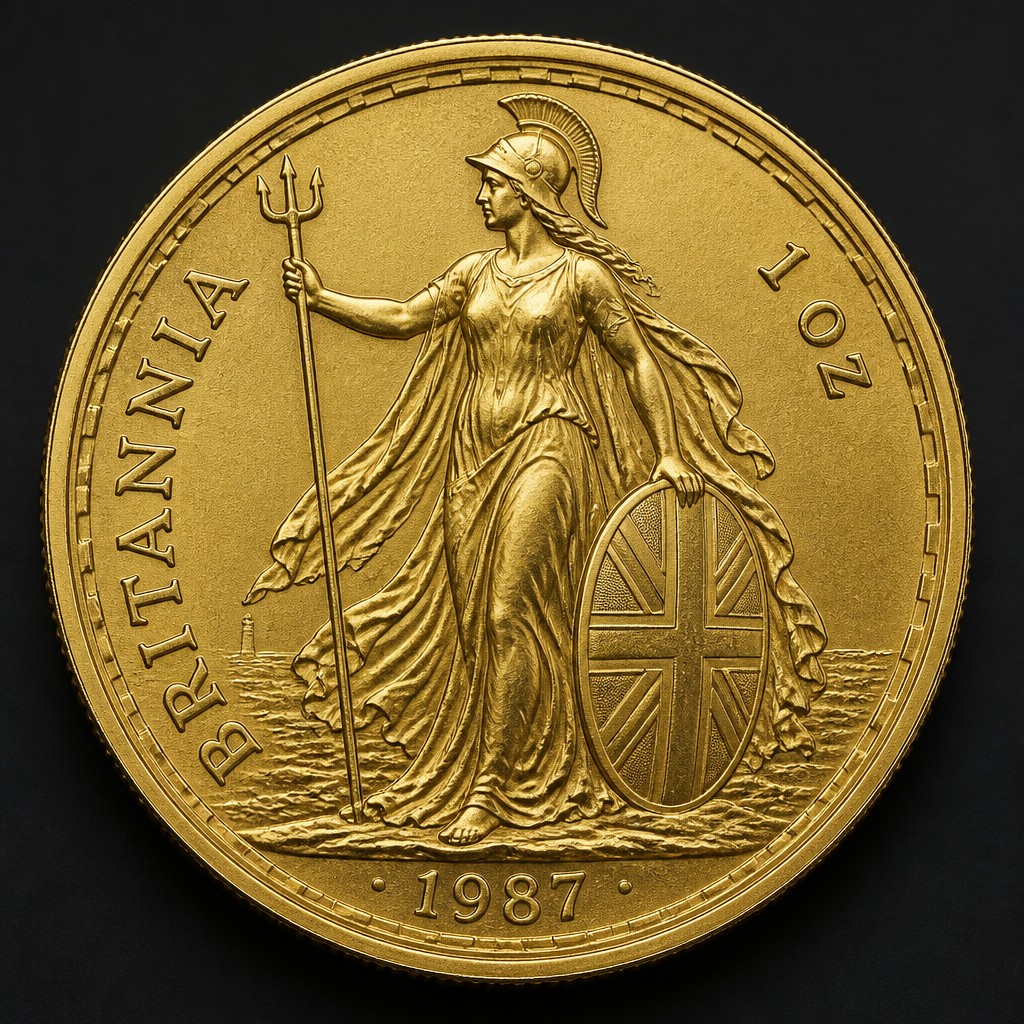
British Britannia
1987–present (gold); 1997–present (silver)
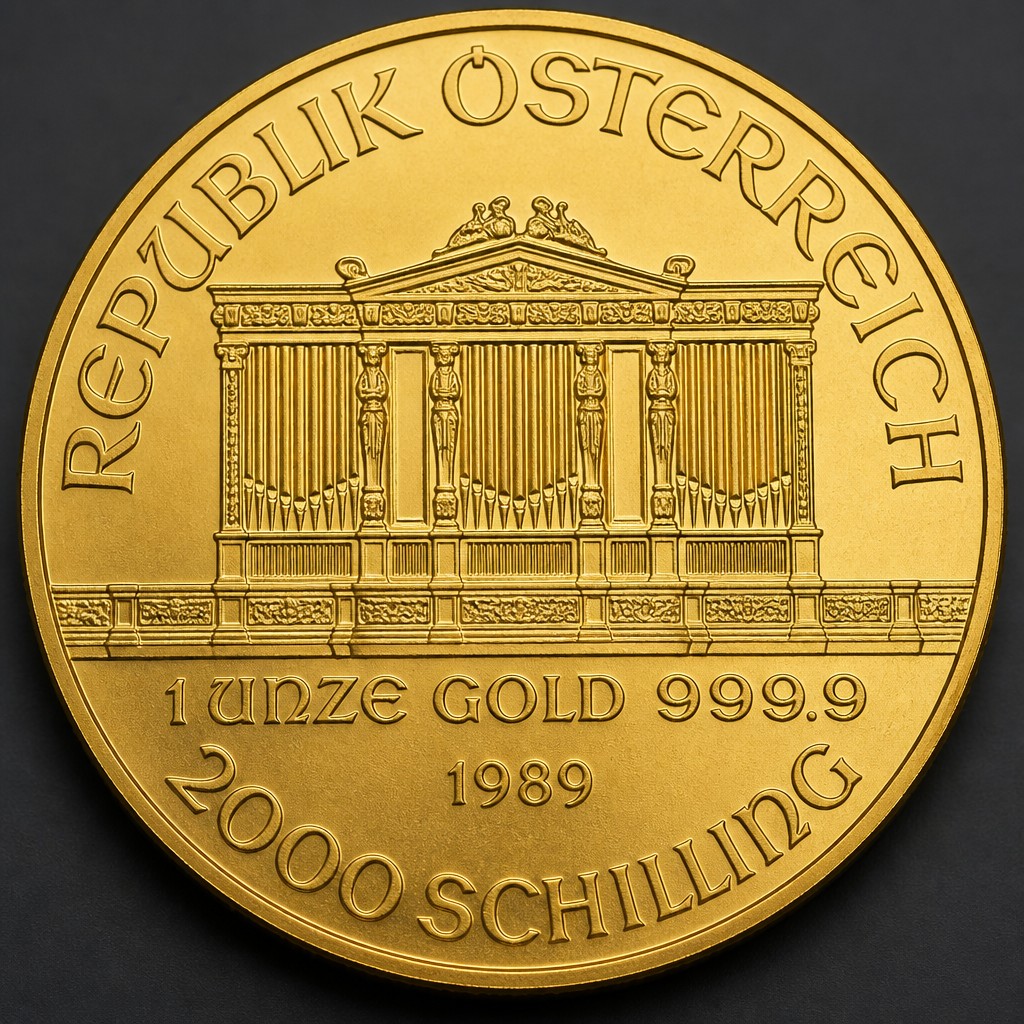
Austrian Gold Philharmonic
1989–present
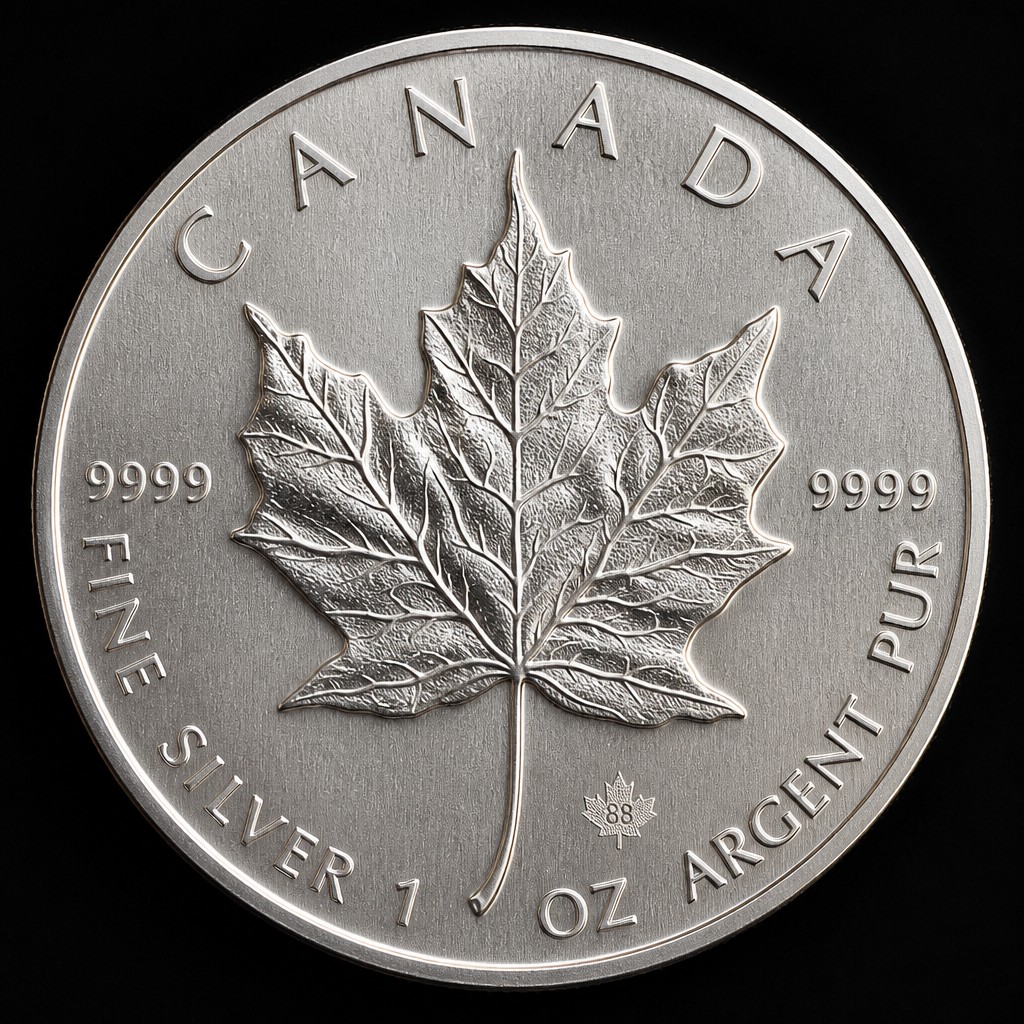
Canadian Silver Maple Leaf
1988–present
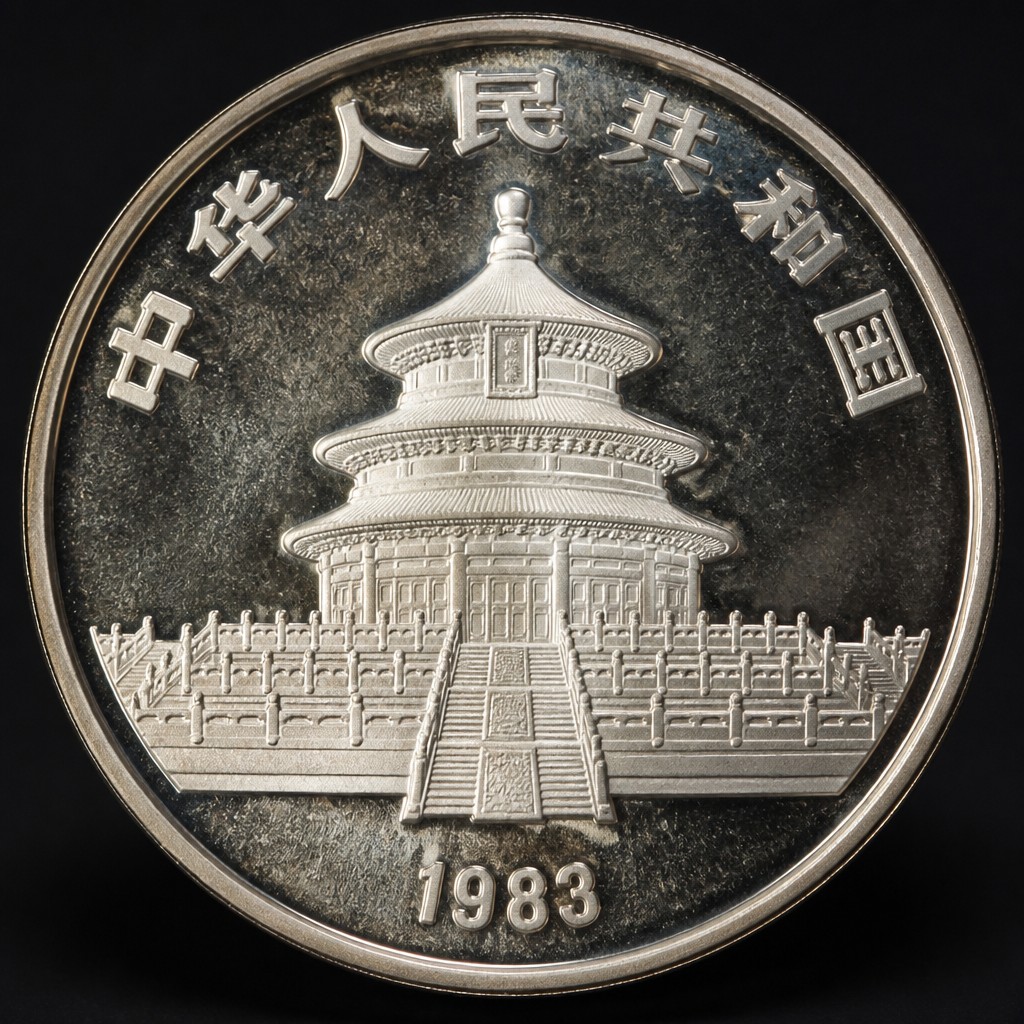
Chinese Silver Panda
1983–present
Gold Britannia
1987–present
Britannia (Silver Bullion)
1997–present
Canadian Gold Maple Leaf (1 oz)
1979–present
American Gold Eagle
1986–present