
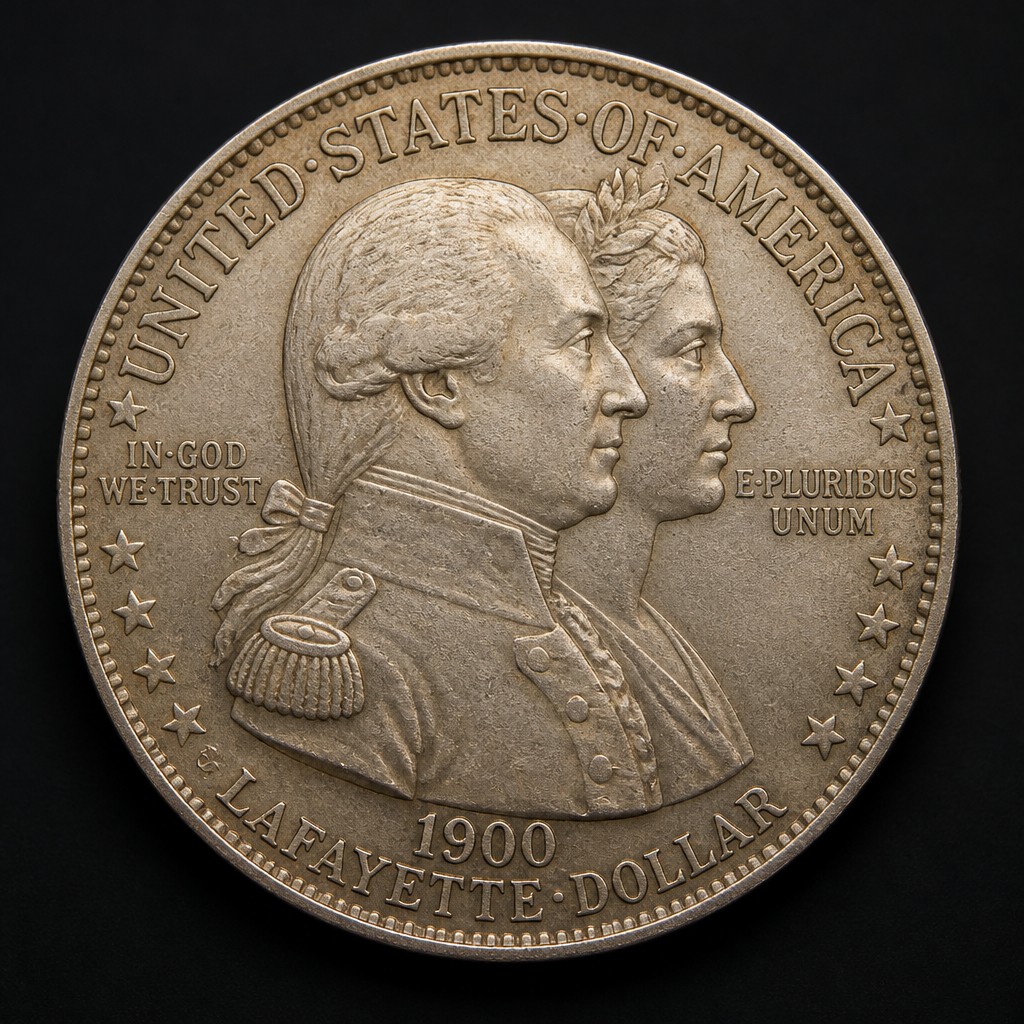
1900 Lafayette Dollar
The first United States commemorative silver dollar, struck in 1900 to help fund a statue of the Marquis de Lafayette presented to France at the Paris Exposition.
- Country
- United States
- Denomination
- 1 dollar
- Metal
- 90% silver, 10% copper
Got a coin like this?
Identify any coin from a photo, free.
Overview
The Lafayette dollar holds a special place in American numismatics as the only silver dollar-denomination commemorative coin issued before the modern commemorative program, and the first U.S. coin ever to depict a president other than in a purely allegorical way alongside a foreign figure. It was struck in a single year, 1900, though dated with that year regardless of when individual coins were actually sold, and was created to raise funds for an equestrian statue of the Marquis de Lafayette to be presented as a gift from American schoolchildren to the people of France at the 1900 Paris Exposition.
The obverse pairs the conjoined busts of George Washington and Lafayette, a deliberate symbolic gesture honoring the historic alliance between the United States and France during the American Revolution. The reverse depicts Lafayette on horseback, based on the statue the coin helped finance, which still stands in Paris today.
As a one-year, single-mint issue tied to a specific historical event, the Lafayette dollar is a favorite among both commemorative coin specialists and collectors of early American classic commemoratives more broadly.
History & Background
The coin was authorized by Congress in 1899 to help finance the Lafayette Memorial Commission's efforts to erect a monument honoring the Marquis de Lafayette, the French aristocrat who served as a key military ally to the American colonies during the Revolutionary War. The statue and the coin were timed to coincide with the 1900 Paris Exposition, a major world's fair intended to showcase French and international achievement.
The coin was designed by Charles E. Barber, the U.S. Mint's chief engraver at the time, who based the reverse equestrian image on the actual sculpture created for the monument. All examples were struck at the Philadelphia Mint in December 1899 but carry the 1900 date, and they were sold at a premium over face value to the public to raise funds for the memorial project.
As the first silver dollar commemorative and one of the earliest commemorative coins in U.S. history, the Lafayette dollar set an important precedent for using coinage as a fundraising and commemorative tool, a practice that would be revived and expanded throughout the twentieth century.
How to Identify
The obverse displays the conjoined, overlapping profile busts of George Washington and the Marquis de Lafayette facing left, with UNITED STATES OF AMERICA around the border and the date 1900 below the busts. Washington's bust is in front, with Lafayette's head positioned slightly behind and above.
The reverse shows Lafayette mounted on horseback, sword in hand, modeled after the statue in Paris, with the legend ERECTED BY THE YOUTH OF THE UNITED STATES IN HONOR OF GEN LAFAYETTE arcing around the border and PARIS 1900 near the bottom.
The coin is struck in standard 90% silver, 10% copper alloy, with a diameter of 38.1mm, matching the size of a Morgan silver dollar, and features a reeded edge. There is no mintmark since all coins were struck at Philadelphia.
Collectors should be alert to cleaned or artificially toned examples, as well as counterfeits, given the coin's substantial silver content and premium value; comparing weight, diameter, and design details against certified references is recommended.
Value & Collectibility
The Lafayette dollar is popular enough that even well-worn, low-grade examples retain solid collector value due to strong demand from both commemorative specialists and type collectors, typically starting in the low hundreds of dollars for problem coins and rising from there.
Mid-range circulated to lower mint state examples often trade in the several-hundred-dollar range, while choice and gem uncirculated pieces with strong luster and minimal marks can bring prices well into four figures or higher at auction, reflecting the coin's status as a key one-year commemorative issue.
Because the coin was often carried as a pocket piece or lightly cleaned over the decades, problem-free, original-surface examples command a significant premium over cleaned or artificially toned pieces, and buyers should favor certified coins from reputable grading services.
Frequently asked questions
Why was the Lafayette dollar issued?
It was struck to raise money for a statue of the Marquis de Lafayette given by American schoolchildren to France, unveiled at the 1900 Paris Exposition.
Whose portraits appear on the coin?
The obverse shows the conjoined busts of George Washington and the Marquis de Lafayette; the reverse shows Lafayette on horseback.
Is it a true commemorative silver dollar?
Yes, it is widely regarded as the first U.S. commemorative silver dollar and the only silver dollar commemorative struck before the classic commemorative series expanded in the 1920s and 1930s.
How can I tell if my Lafayette dollar has been cleaned?
Cleaned coins often show unnatural, overly bright surfaces or hairline scratches; comparing against certified, unmolested examples or seeking a professional grading opinion is the safest approach.
Other coins you may enjoy
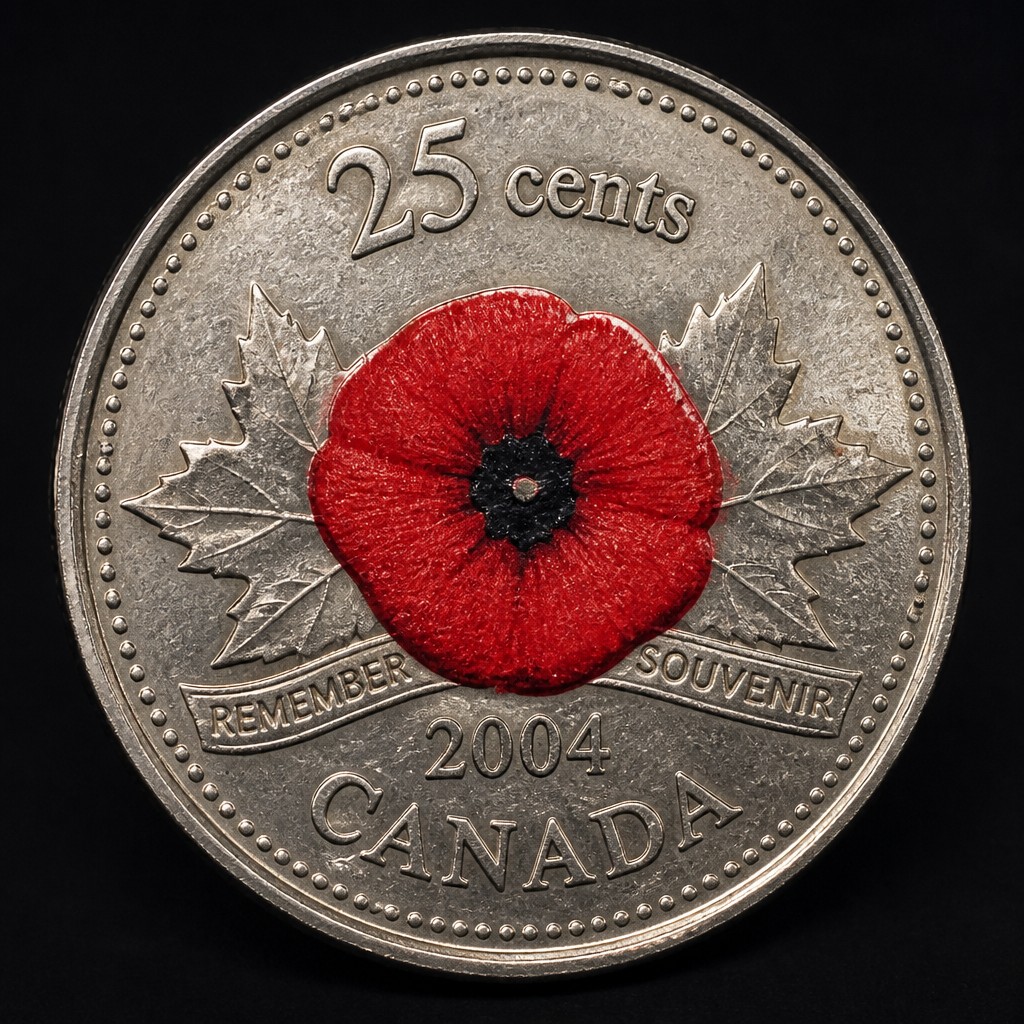
Royal Canadian Mint Colored Poppy Quarter (2004)
2004
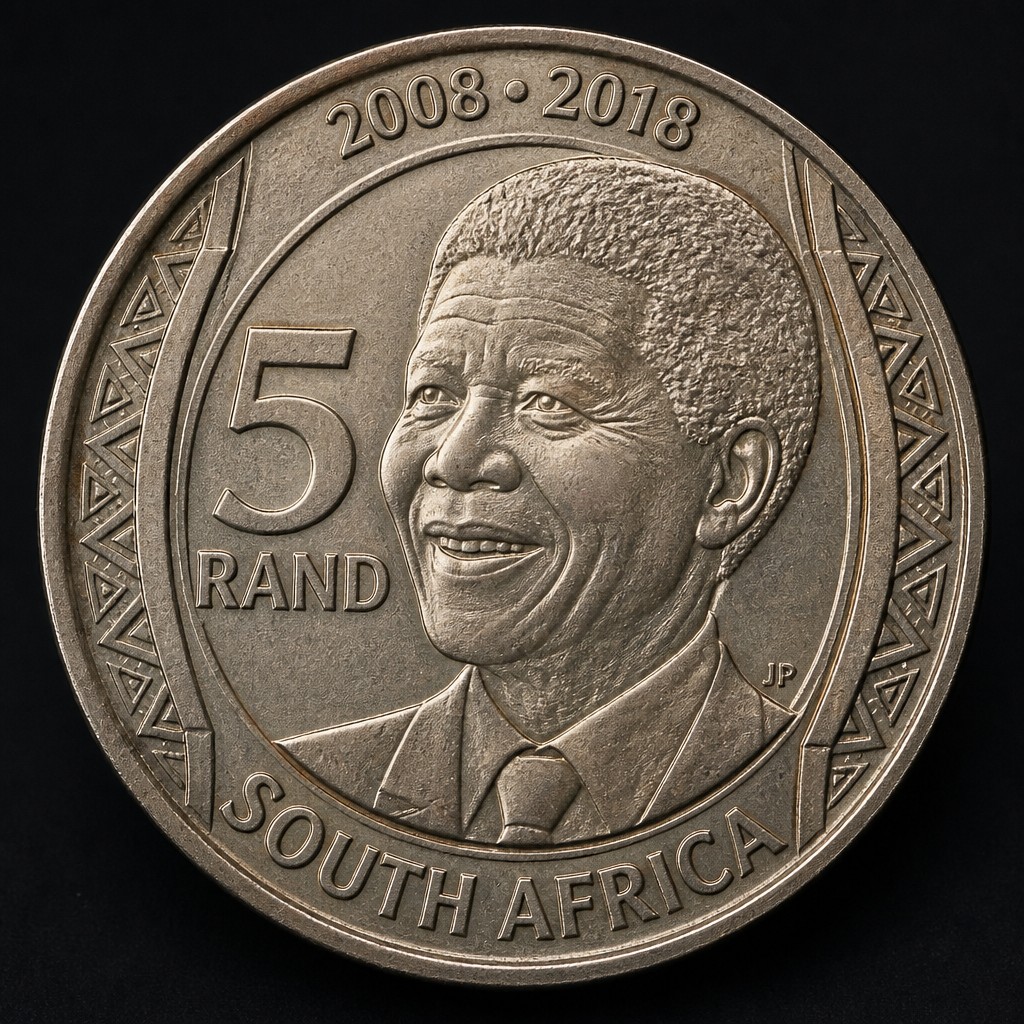
South African Mandela R5 Coin
2008; 2018
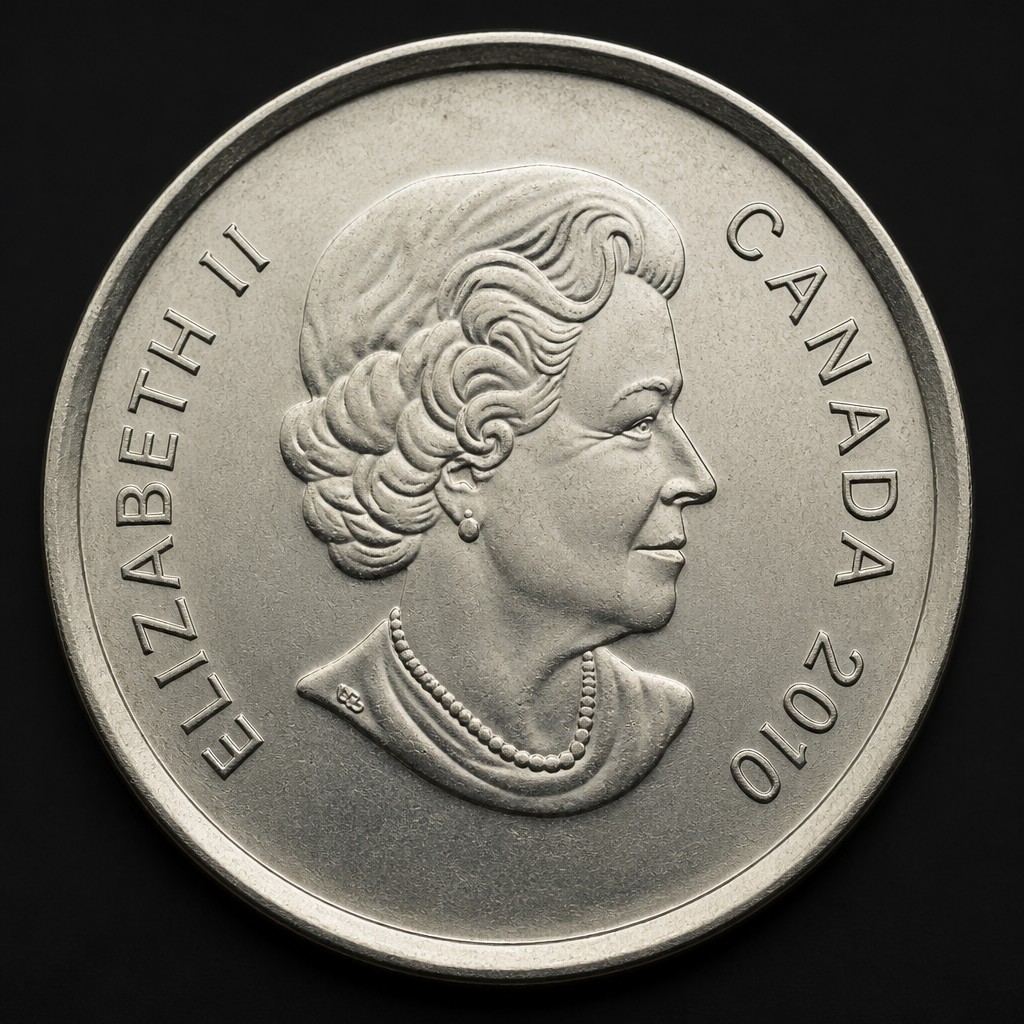
Canadian 2010 Vancouver Olympics Coins
2007–2010
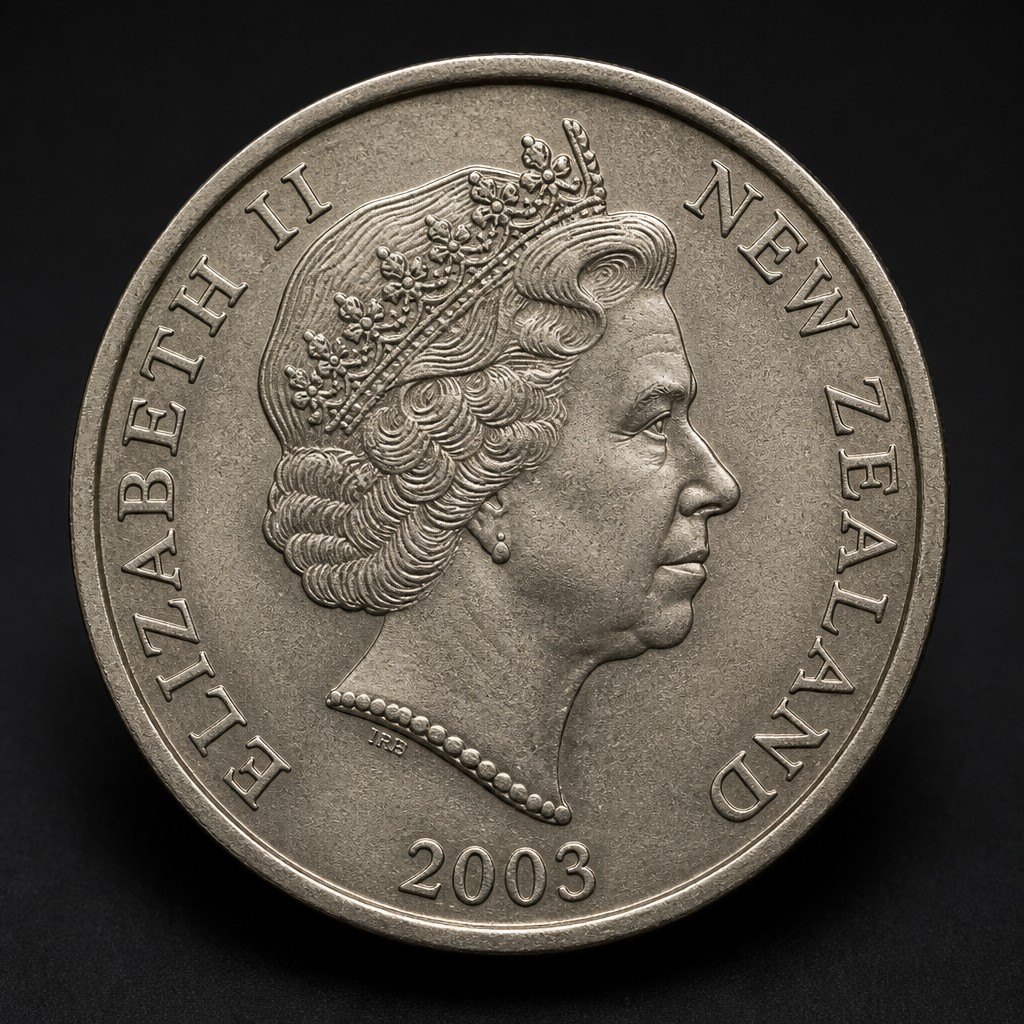
New Zealand Lord of the Rings Coins (2003)
2003 (continuing in following years)
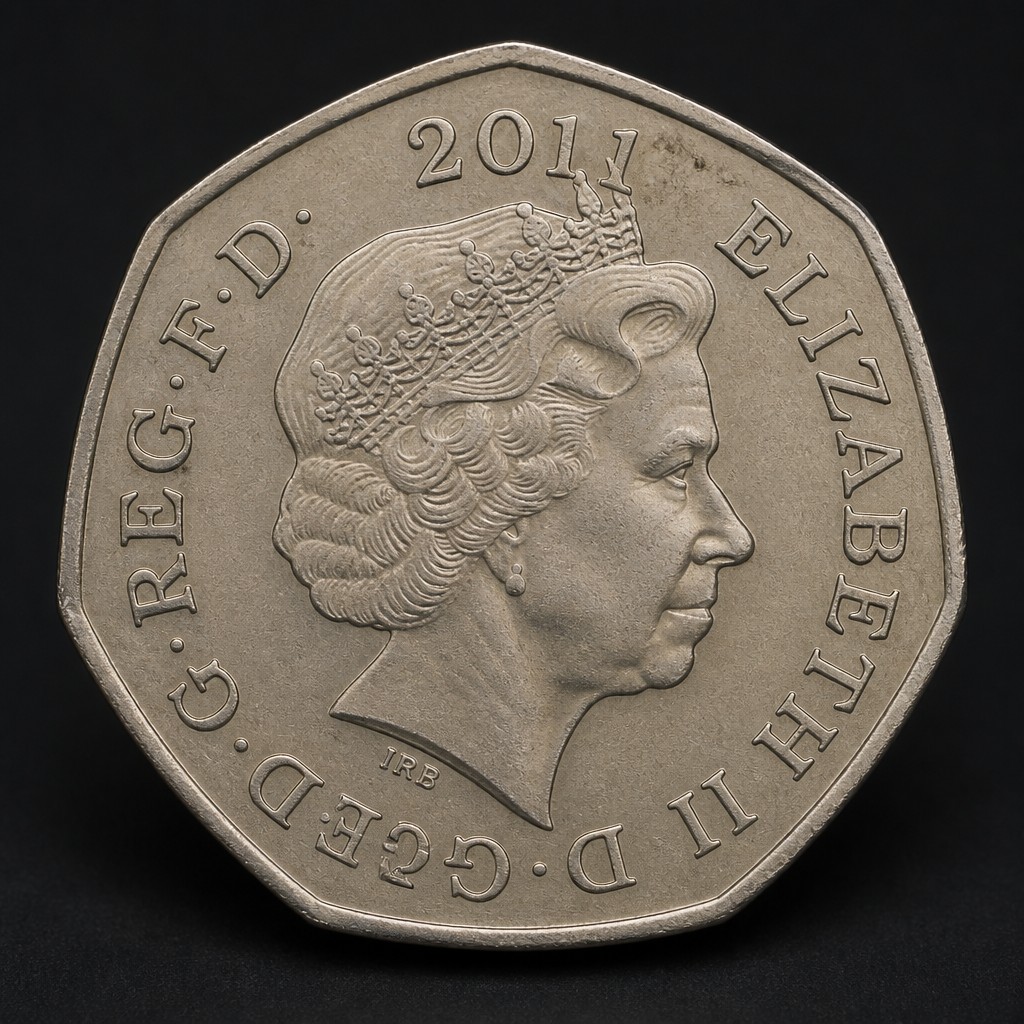
2012 London Olympics 50p Series
2011
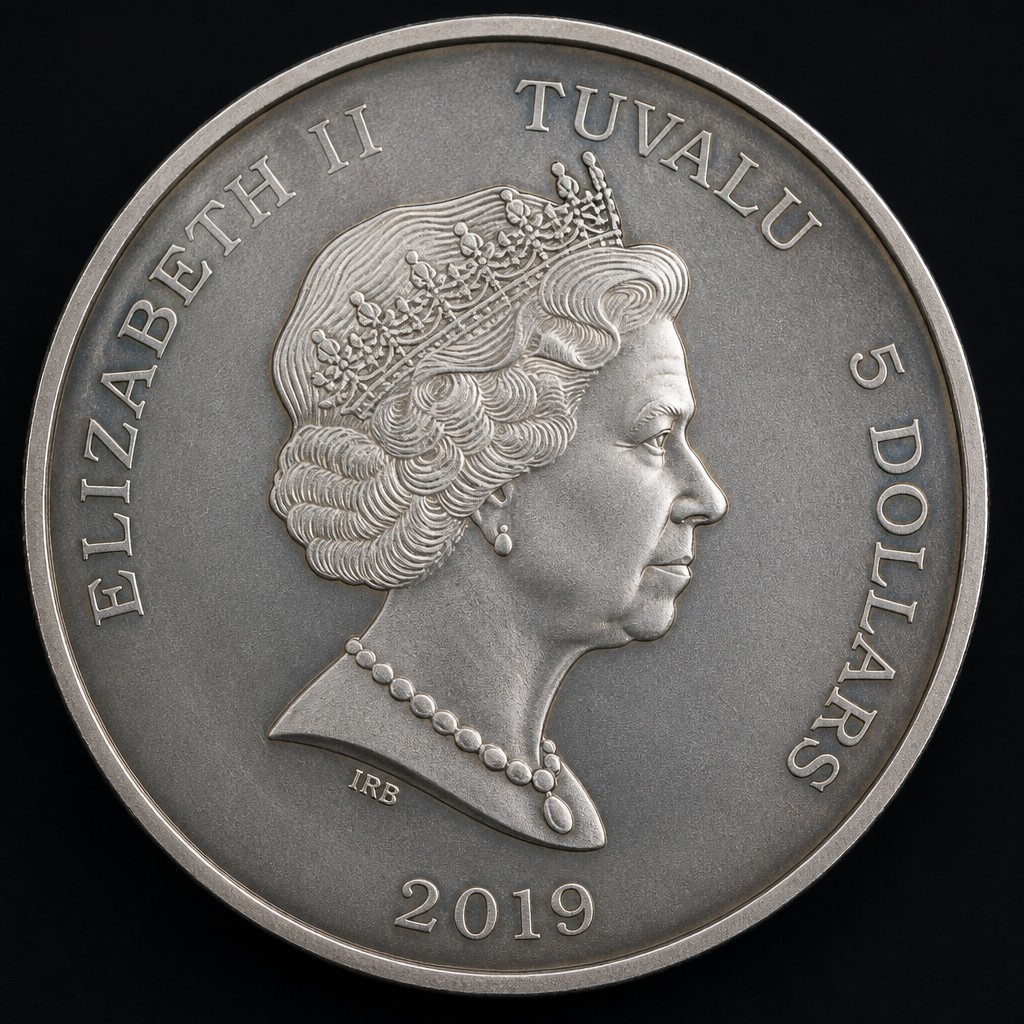
Tuvalu Marvel Silver Coins
2010s-present
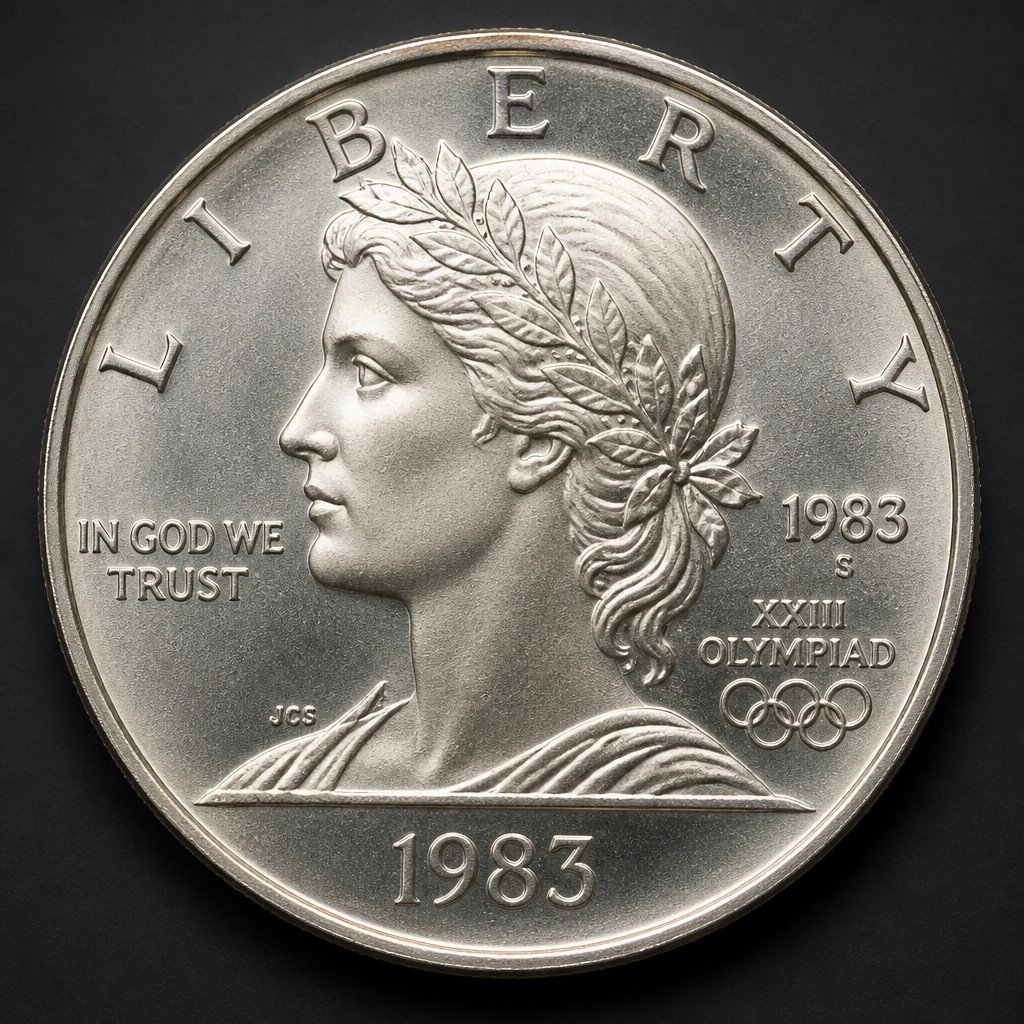
US Olympic Commemorative Dollar (1983)
1983
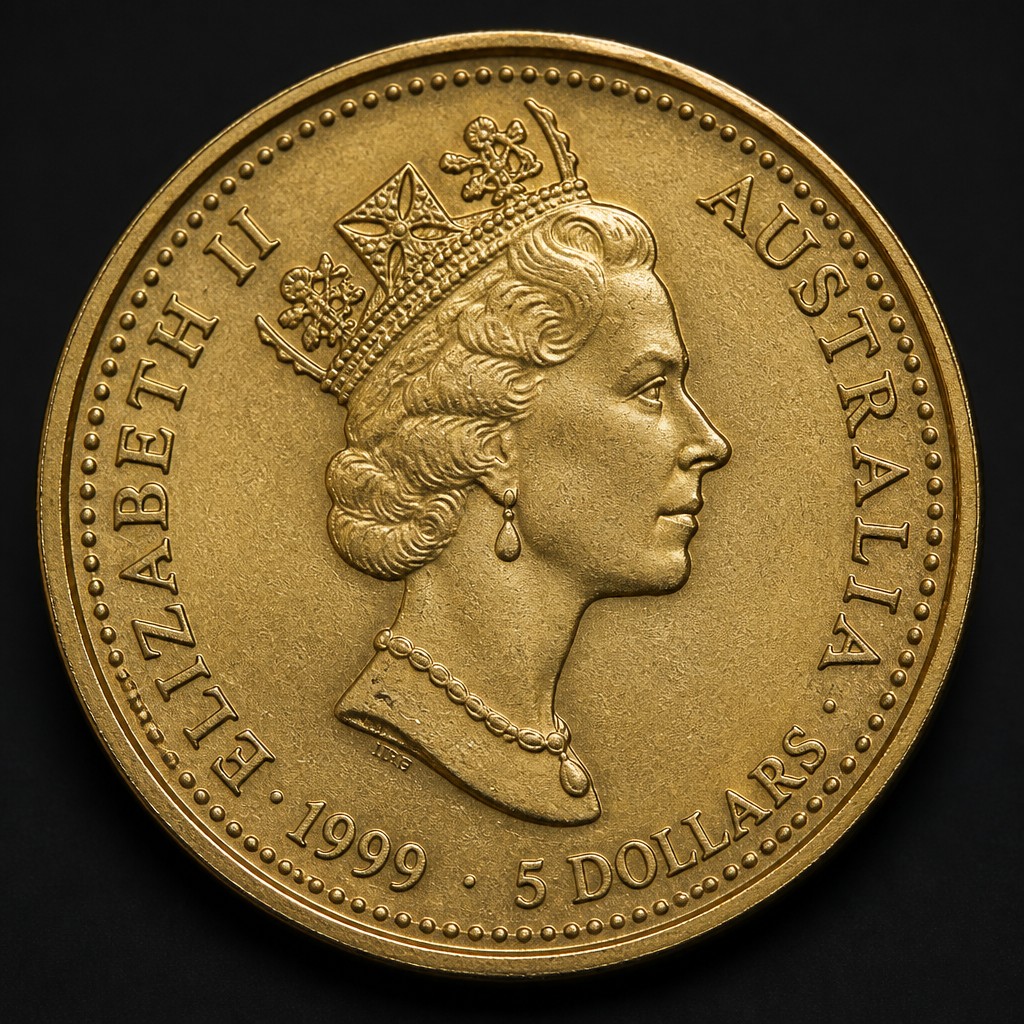
2000 Sydney Olympics Coin Series
1997–2000
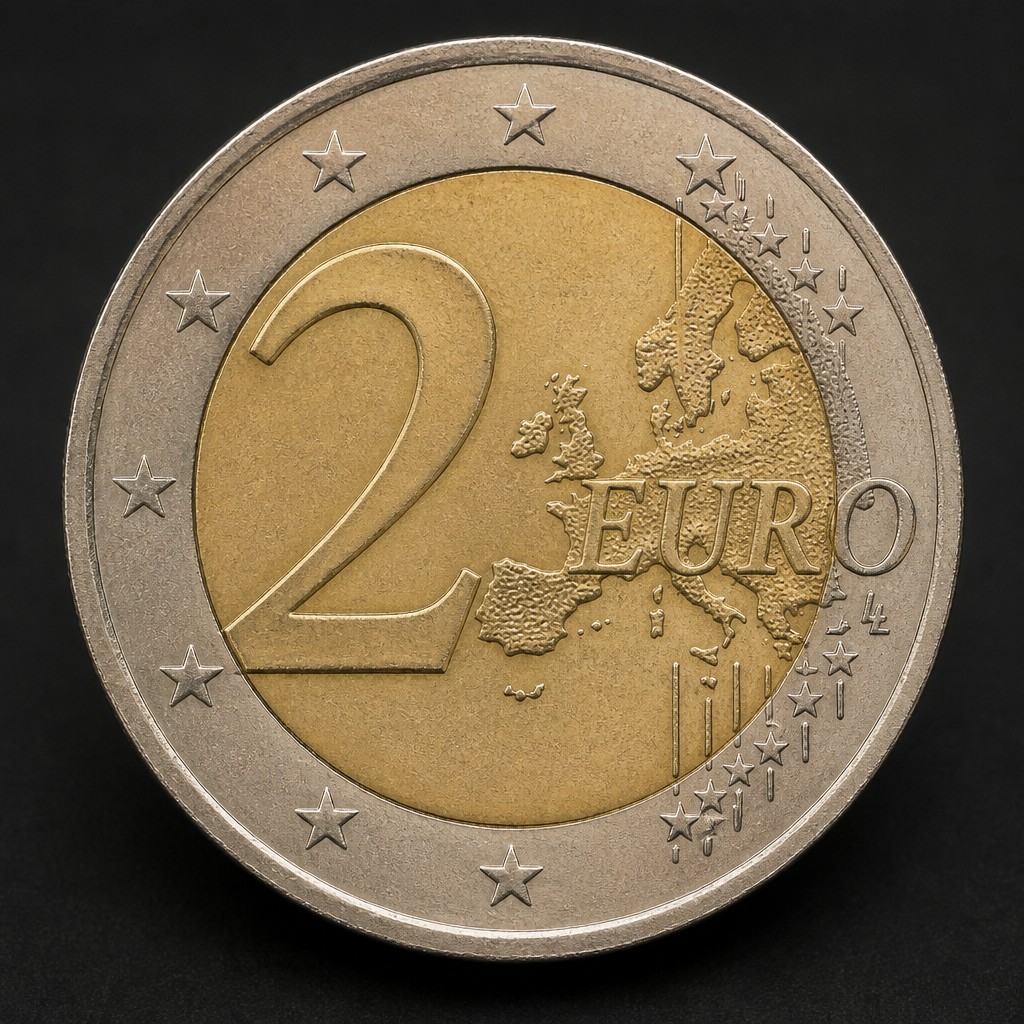
Euro €2 Commemorative Coins
2004–present
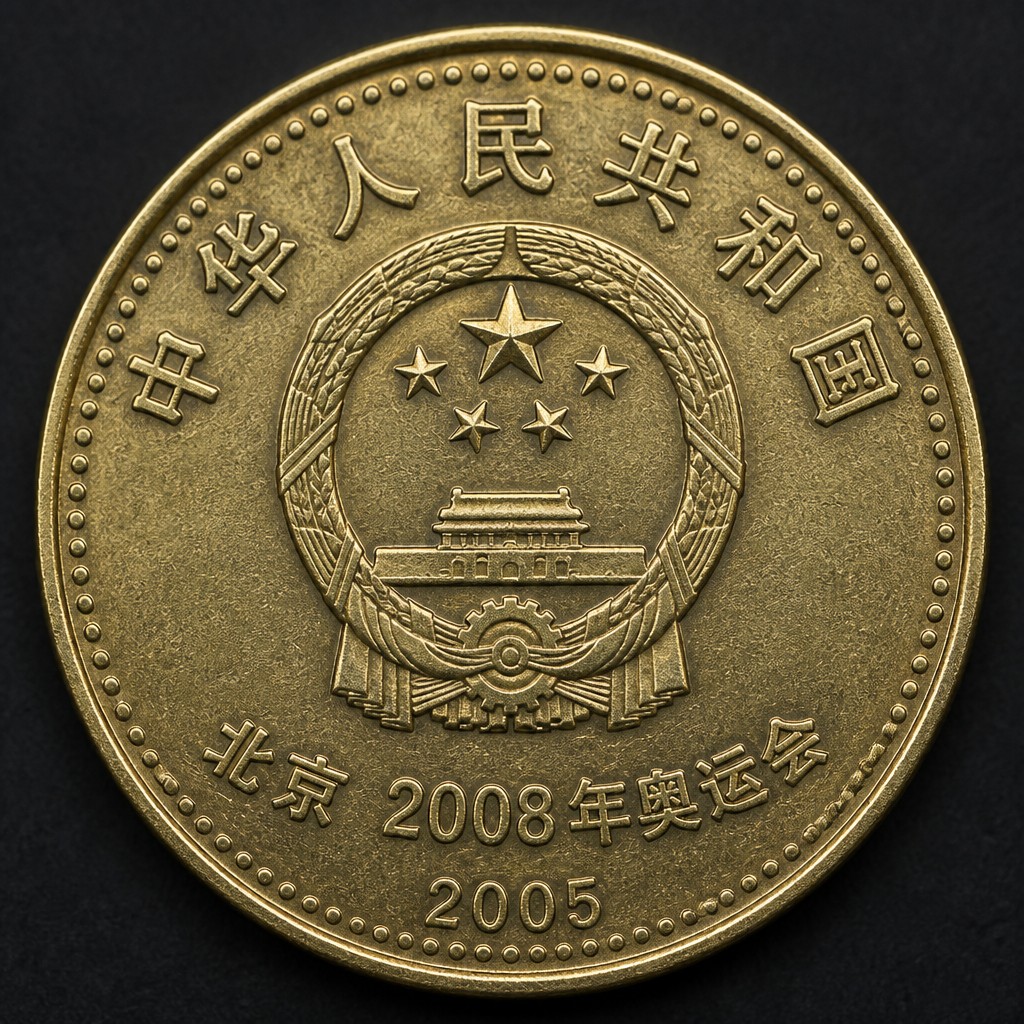
2008 Beijing Olympics Commemorative Coins
2005–2008
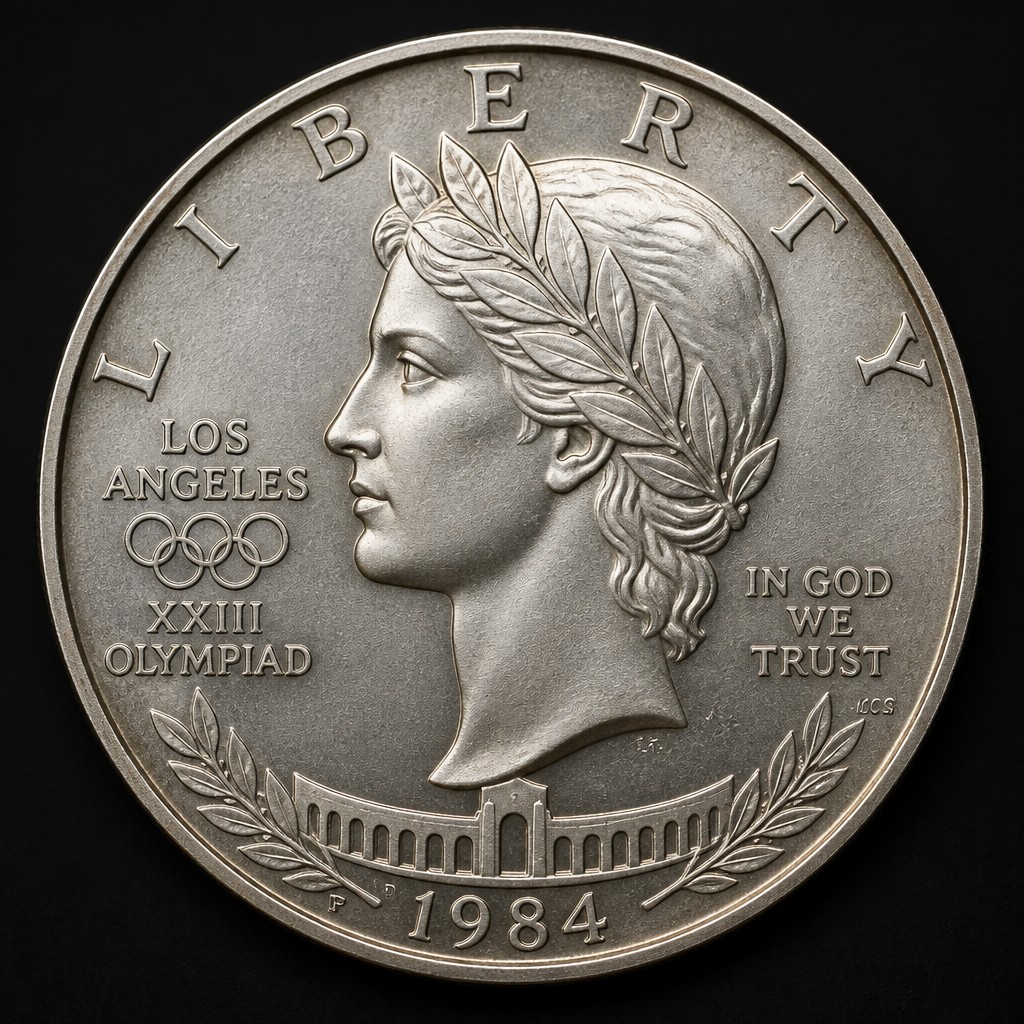
1984 Los Angeles Olympics Commemorative Dollar
1984
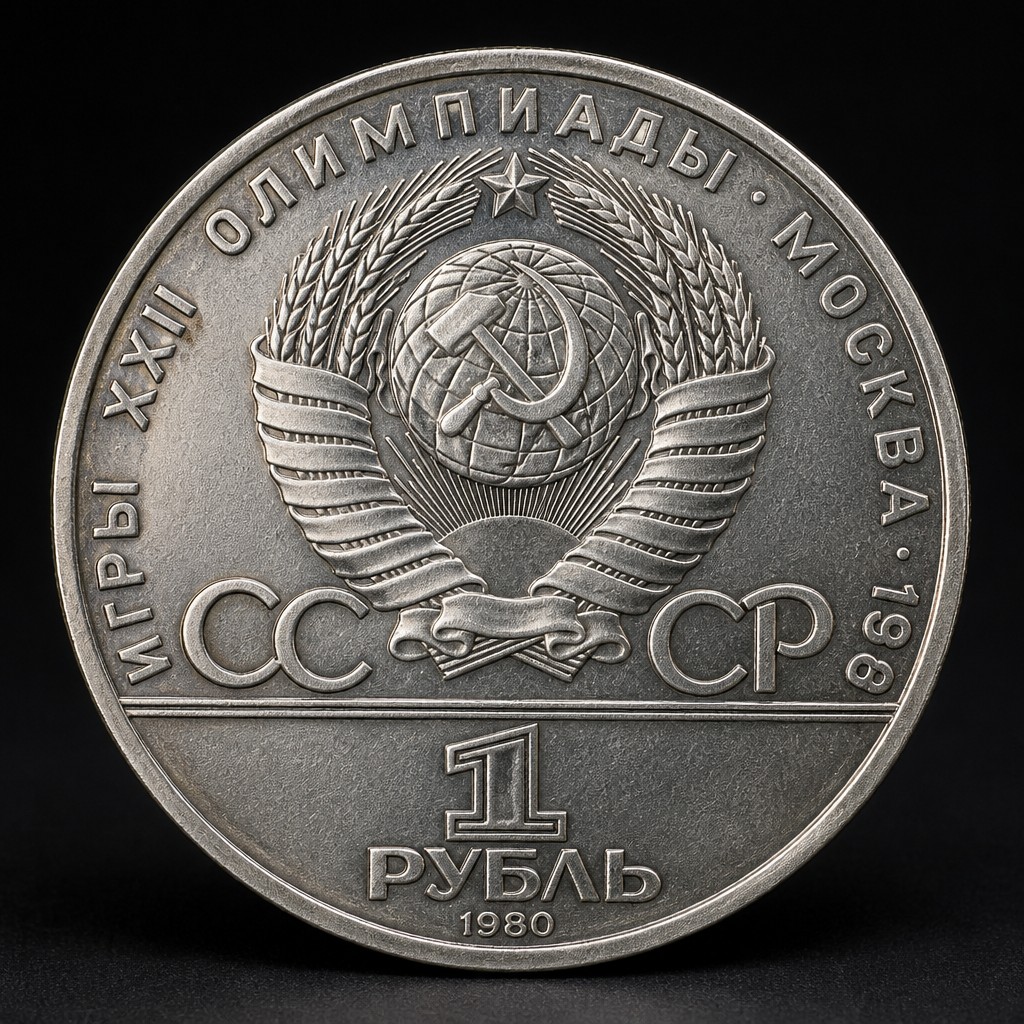
1980 Moscow Olympics Silver Rouble
1977–1980