1 Grosso
Venetian Grosso (Matapan)
Republic of Venice · circa 1289-1311
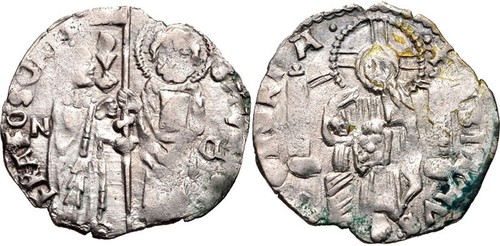
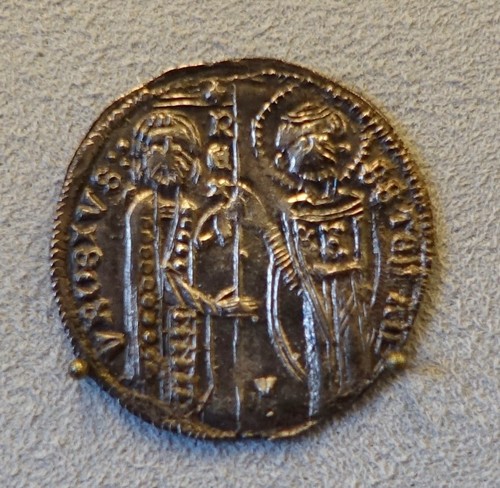
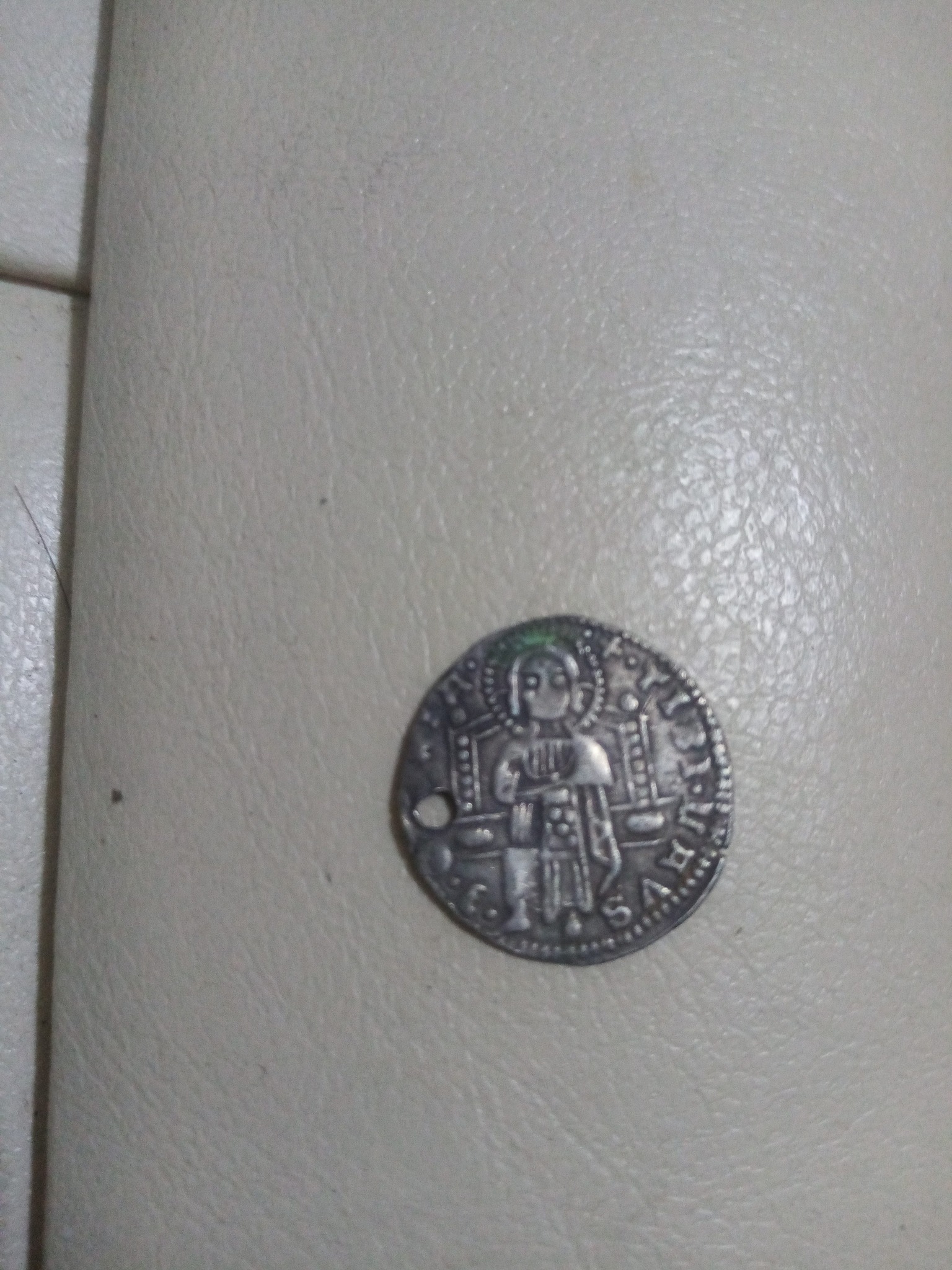
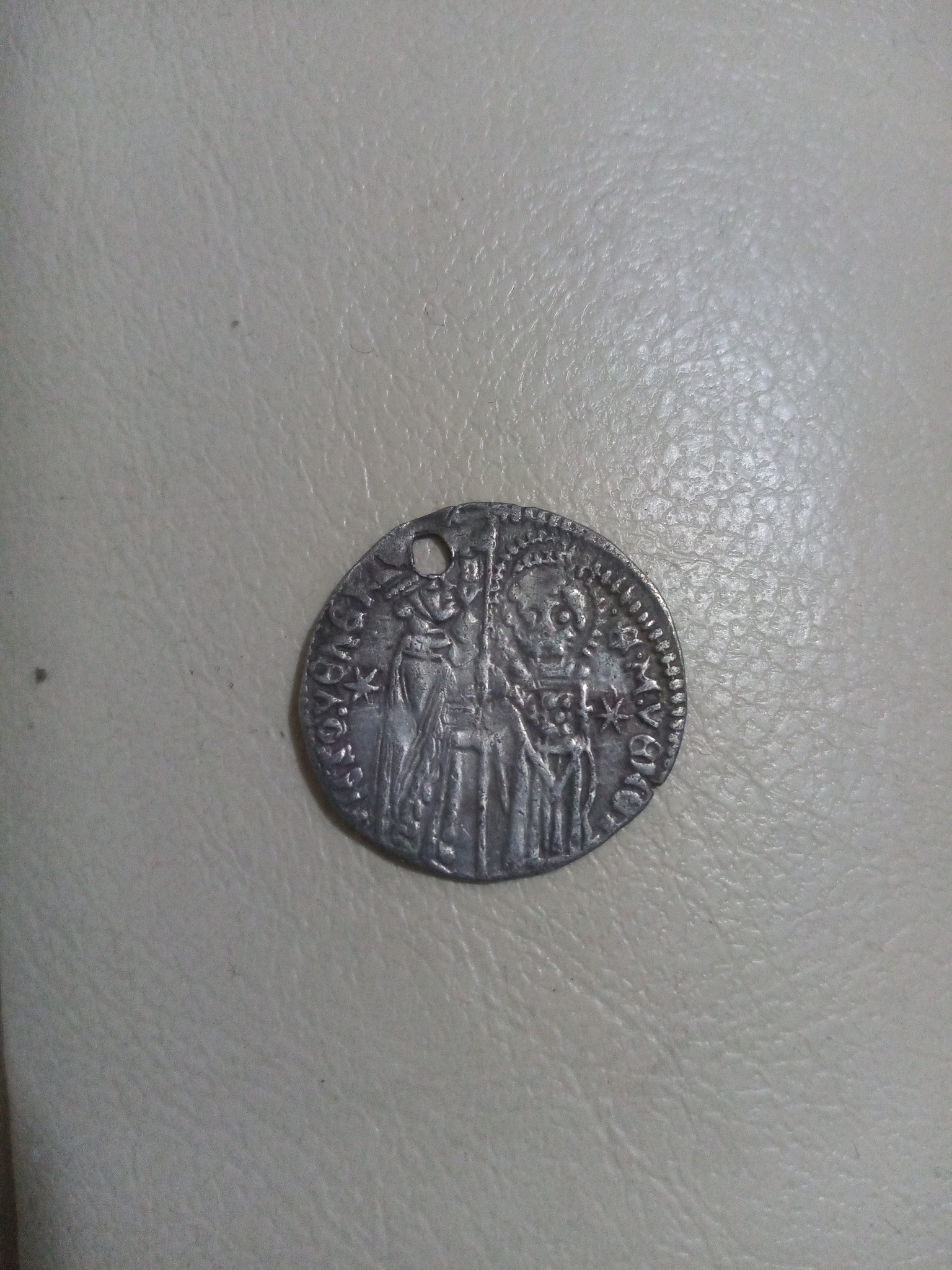
A thin, hammered medieval silver coin featuring two figures standing on one side and a seated religious figure on the other, noteably holed for use as jewelry.
- Country
- Republic of Venice
- Year
- circa 1289-1311
- Denomination
- 1 Grosso
- Metal
- Silver (.965 fine)
- Grade
- Fine/Very Fine (Details); Damaged/Holed
This report is AI-generated and can be wrong. Always verify grade, authenticity, and value with a qualified dealer or certified grading service before buying, selling, or insuring.
Identified More republic of venice coins →
Explore Venetian Grosso (Matapan) in the encyclopedia →Identify your own coins.
Get a report just like this from any photo, free.
Overview
A thin, hammered medieval silver coin featuring two figures standing on one side and a seated religious figure on the other, noteably holed for use as jewelry.
Historical significance
The Venetian Grosso, or Matapan, was the dominant trade currency of the Mediterranean in the 13th and 14th centuries. It was widely imitated due to its consistent weight and high silver purity.
Obverse (front)
Doge (ruler) standing on the left and St. Mark standing on the right, both holding a banner between them. Inscribed with the Doge's name (likely Pietro Gradenigo based on visible letters).
Reverse (back)
Christ Pantocrator enthroned, facing forward, holding the Book of Gospels. To the sides, the IC-XC initials (Jesus Christ).
Estimated value
$20-$40 (Heavily discounted due to the hole; unholed specimens range $80-$150)
What drives this coin's value
The hole significantly reduces numismatic value. Rarity is determined by identifying the specific Doge named in the legend.
Grade assessment
Fine/Very Fine (Details); Damaged/Holed
Mintage & rarity
Common for the period; millions were struck to facilitate trade.
Authenticity & counterfeit red flags
Check for weight consistency and 'casting' bubbles. Genuine pieces are hammered, showing irregular edges and slight varying thickness.
Notable varieties & errors
Varieties exist based on the specific Doge (e.g., Enrico Dandolo, Pietro Gradenigo, Giovanni Dandolo).
Similar coins
Byzantine silver trachea or Serbian imitations of the Venetian Grosso which used similar iconography.
Care & preservation
Store in a PVC-free flip. Avoid cleaning or rubbing, as medieval silver is fragile. The hole suggests it was once worn as a pendant.
More like this
Other republic of venice coins
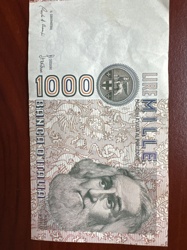
1,000 Italian Lire Banknote (Marco Polo)
Italy · 1982-1991 (Specific series depends on signatures)
1,000 Lire
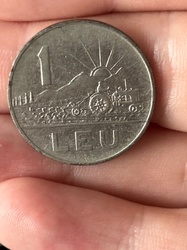
1 Leu
Romania (Romanian People's Republic) · 1963
1 Leu
10 Centimes Marianne
France · 1992
10 Centimes
10 Francs
France · 1945 - 1949
10 Francs
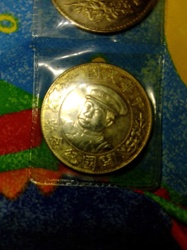
Li Yuanhung Commemorative Dollar
Republic of China · 1912
1 Dollar (Yuan)
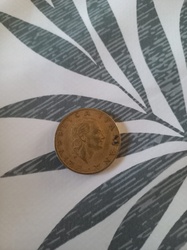
200 Lire (Italica)
Italy · 1978
200 Lire