How to Identify the Sacagawea Golden Dollar
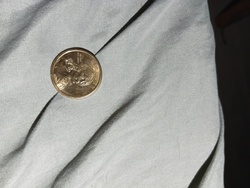
The golden-colored dollar first issued in 2000 shows Sacagawea and her infant son. Look for its manganese-brass color and smooth edge to tell it from silver dollars.
Read the full Sacagawea Golden Dollar encyclopedia entry →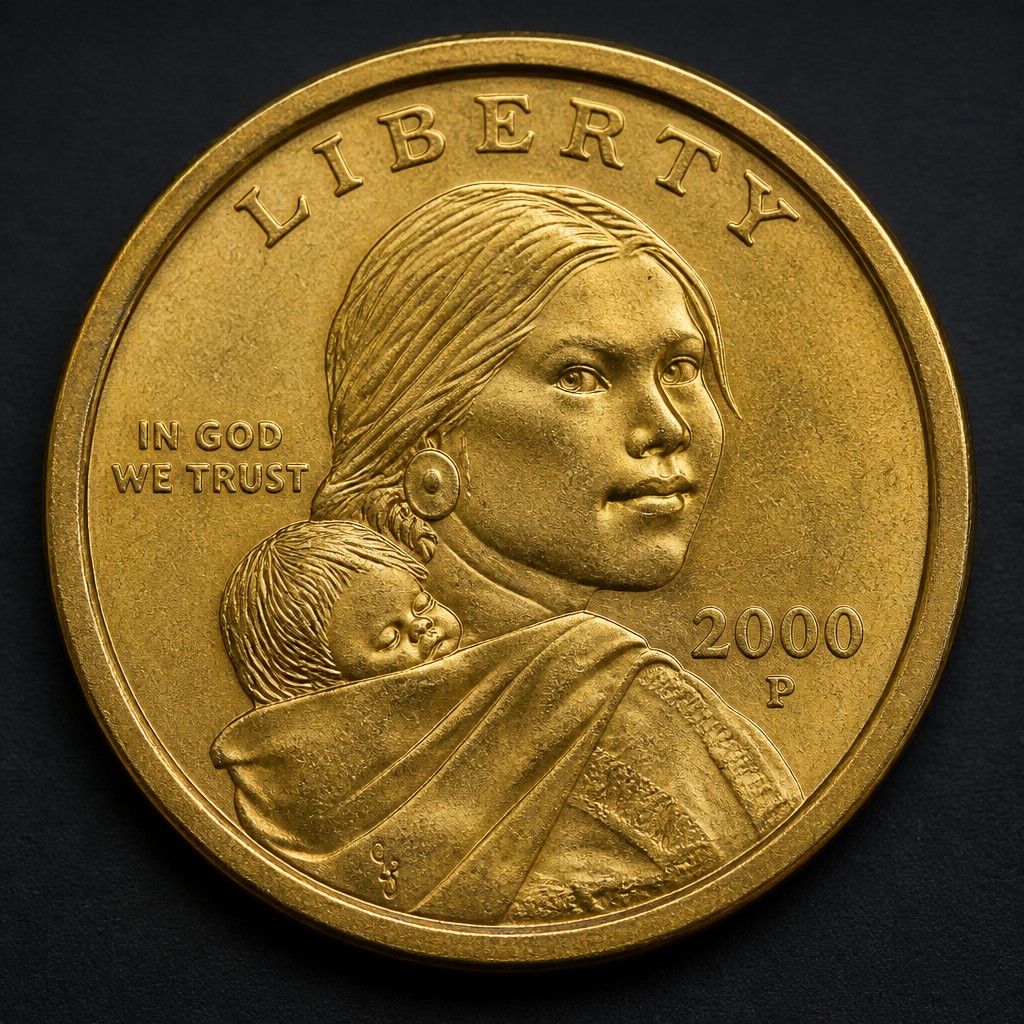
What This Coin Is
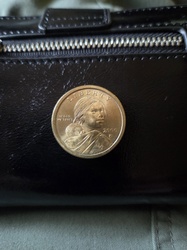
The Sacagawea dollar is a United States one-dollar coin introduced in 2000 to replace the Susan B. Anthony dollar. It is instantly recognizable by its golden color, though it contains no gold. The coin honors Sacagawea, the Shoshone woman who aided the Lewis and Clark Expedition, shown carrying her infant son Jean Baptiste.
Obverse Design and Inscriptions
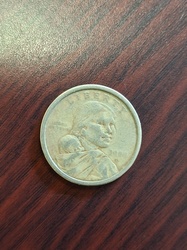
The obverse portrays Sacagawea in three-quarter view, looking over her shoulder with the baby on her back. Inscriptions read LIBERTY above and IN GOD WE TRUST below, with the date and mint mark placed near the lower rim. The portrait was designed by Glenna Goodacre.
Reverse Design and Inscriptions
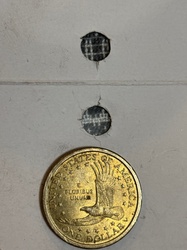
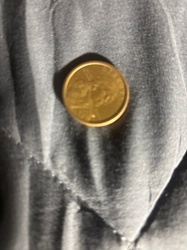
From 2000 to 2008 the reverse showed a soaring bald eagle encircled by 17 stars, with UNITED STATES OF AMERICA and ONE DOLLAR. Beginning in 2009 the coin became part of the Native American series, with a new reverse each year celebrating a contribution of Native peoples, and the date and mint mark moved to the edge.
Size, Weight, Metal and Edge
The coin is 26.5 mm in diameter and weighs 8.1 grams. It is manganese-brass clad over a copper core, giving the golden hue. Early coins (2000-2008) have a plain edge; from 2009 onward the edge carries incused lettering including the date, mint mark, and E PLURIBUS UNUM.
Mint Marks and Where to Find Them
For 2000-2008 issues, the mint mark appears on the obverse below the date. From 2009 forward, both date and mint mark are on the edge. P is Philadelphia, D is Denver, and S denotes San Francisco proofs.
Telling It Apart From Similar Coins
The golden color separates it at once from the silver-toned Susan B. Anthony and Eisenhower dollars. Its smooth, wide rim also distinguishes it from the Presidential dollars, which are the same size and color but show a president's portrait rather than Sacagawea.
Judging Condition at a Glance
Because the surface is a soft alloy, these coins spot and darken easily. High-grade examples keep the bright, satiny golden finish across Sacagawea's face and the eagle's feathers. Worn coins turn dull brown with flattened high points. Some early strikes show weak detail on the baby's features.
Authenticity Red Flags
Gold-plated Sacagawea dollars are common novelty items and are not mint products; the plating adds no real value. Rare genuine varieties, such as the 2000 "Cheerios" dollar with enhanced tail feathers, exist, but claims of them should be examined carefully against reference images.
Frequently asked questions
Is the Sacagawea dollar made of gold?
No. It is manganese-brass clad over copper, which gives a golden color but contains no gold.
Why do some have plain edges and others lettered edges?
Coins from 2000 to 2008 have plain edges; from 2009 onward the date and mint mark are lettered on the edge.
How is it different from a Presidential dollar?
Both are golden and the same size, but the Sacagawea dollar shows Sacagawea and her baby, not a president.
Are gold-plated versions valuable?
No. Gold plating is added by private sellers after minting and does not increase the coin's value.
Sacagawea Golden Dollar identified by the community
Recent Sacagawea Golden Dollar coins identified with Coin Identifier.