How to Identify the Caracalla Denarius
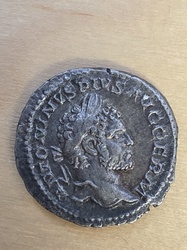
A silver denarius of Caracalla, tracing his portrait from beardless boy-Caesar to the famously grim, close-cropped soldier-emperor bust of his sole reign.
Read the full Caracalla Denarius encyclopedia entry →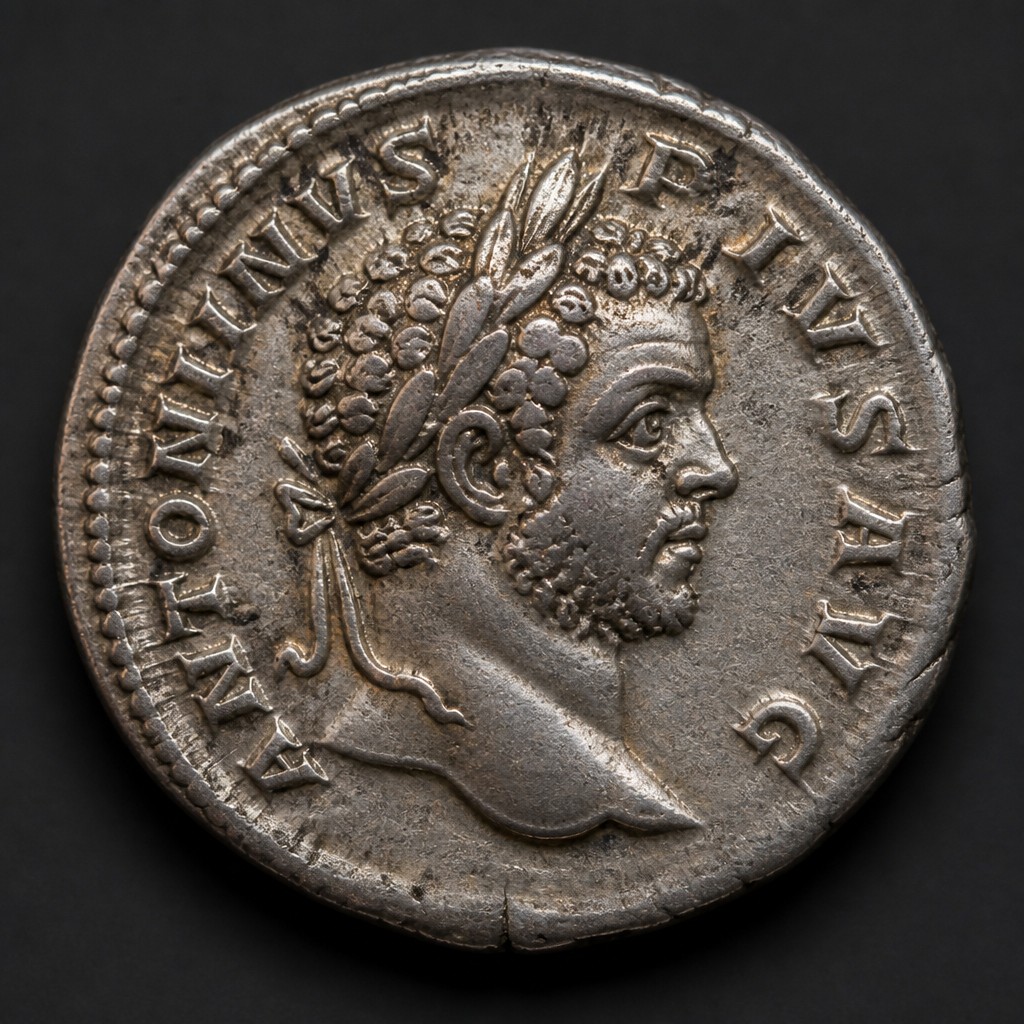
What the Coin Is
Caracalla, son of Septimius Severus, was raised to Caesar in AD 196, became Augustus alongside his father in 198, and ruled alone after arranging his brother Geta's murder in 211 until his own death in 217. His denarius coinage spans nearly two decades and shows one of the most dramatic portrait evolutions of any Roman emperor.
Obverse Design & Inscriptions
Early coins as Caesar show a beardless boy with the legend M AVR ANTONINVS CAES. As a young Augustus his portrait matures gradually, and by the later years of his sole reign he is shown with a famously grim, jowly, close-cropped soldier's haircut, often turning his head slightly rather than facing straight to the side, one of the most expressive and recognizable portraits in the Roman series. Legends from this later period read ANTONINVS PIVS AVG, with GERM added after his AD 213 German campaign.
Reverse Design & Inscriptions
Reverse types suit his martial, soldier-emperor image: Mars, Victory, Providentia, and Pax appear frequently, along with Serapis after his visit to Egypt, and earlier dynastic types pairing him with his brother Geta before Geta's memory was officially erased (damnatio memoriae) following his murder.
Size, Weight, Metal & Edge
The denarius measures roughly 18mm across and weighs about 2.9-3.0 grams, continuing the gradual silver debasement of the Severan period, before Caracalla introduced a new, larger radiate denomination (the double-denarius, discussed separately) in AD 215. The edge is plain.
Mint Marks & Where to Find Them
Coins were struck at both Rome and Eastern mints, the latter identifiable by a somewhat flatter, more linear engraving style; there is no formal mint-letter system.
Telling It Apart from Similar Coins
Youthful, beardless portraits with the CAESAR title (no AVG) belong to his early years under his father, and should not be confused with his father Septimius Severus's own mature, heavily bearded coinage. The distinctive scowling, close-cropped "military bust" portrait belongs specifically to his later sole reign and is noticeably harsher and more soldierly than the softer, rounder portraits of his eventual successor Elagabalus.
Judging Condition & Grade at a Glance
On the later military-bust type, check the definition of the furrowed brow and the texture of the close-cropped hair, since the portrait's emotional intensity depends heavily on these fine details remaining crisp. Reverse figures should retain clear drapery and attribute detail for a higher grade.
Authenticity Red Flags
The intense, recognizable "military bust" portrait is popular with collectors and has been reproduced both as honest replicas and as deceptive forgeries; look for soft, mushy detail suggesting a transfer-die strike from a genuine coin, an incorrect edge finish, and any coppery flash at wear points indicating a silver-plated fourrée rather than a solid silver original.
Frequently asked questions
Why does Caracalla's portrait change so much across his coins?
His coinage spans from childhood as Caesar through young adulthood and into his sole reign, so the portrait naturally matures from a beardless boy to the famous grim, close-cropped soldier-emperor bust of his final years.
What is the 'military bust' portrait collectors mention?
It refers to Caracalla's late-reign portrait style showing a stern, jowly face with closely cropped hair, often turned slightly rather than in strict profile, considered one of the most expressive portraits in Roman coinage.
How do I tell his Caesar-period coins from his father's?
Caracalla's early coins show a beardless youth with the CAESAR title and no AVG, clearly distinct from Septimius Severus's mature, heavily bearded portrait with full Augustus titulature.
What happened to coins showing his brother Geta?
After Caracalla had Geta murdered in 212, he ordered his brother's memory officially erased, so joint dynastic types featuring Geta belong only to the earlier period before the damnatio memoriae.
What is the biggest authenticity concern with this coin?
Because the military-bust portrait is highly sought after, look for softened or mushy details suggesting a copied die, incorrect edge finish, and any copper color showing through the silver surface at wear points.
Caracalla Denarius identified by the community
Recent Caracalla Denarius coins identified with Coin Identifier.