
How to Identify the Viking Silver Penny of York
A silver penny struck by Viking rulers of the Jorvik (York) kingdom, identified by distinctive symbols like swords, ravens, or St Peter legends rather than typical royal portraits.
Read the full Viking Silver Penny of York encyclopedia entry →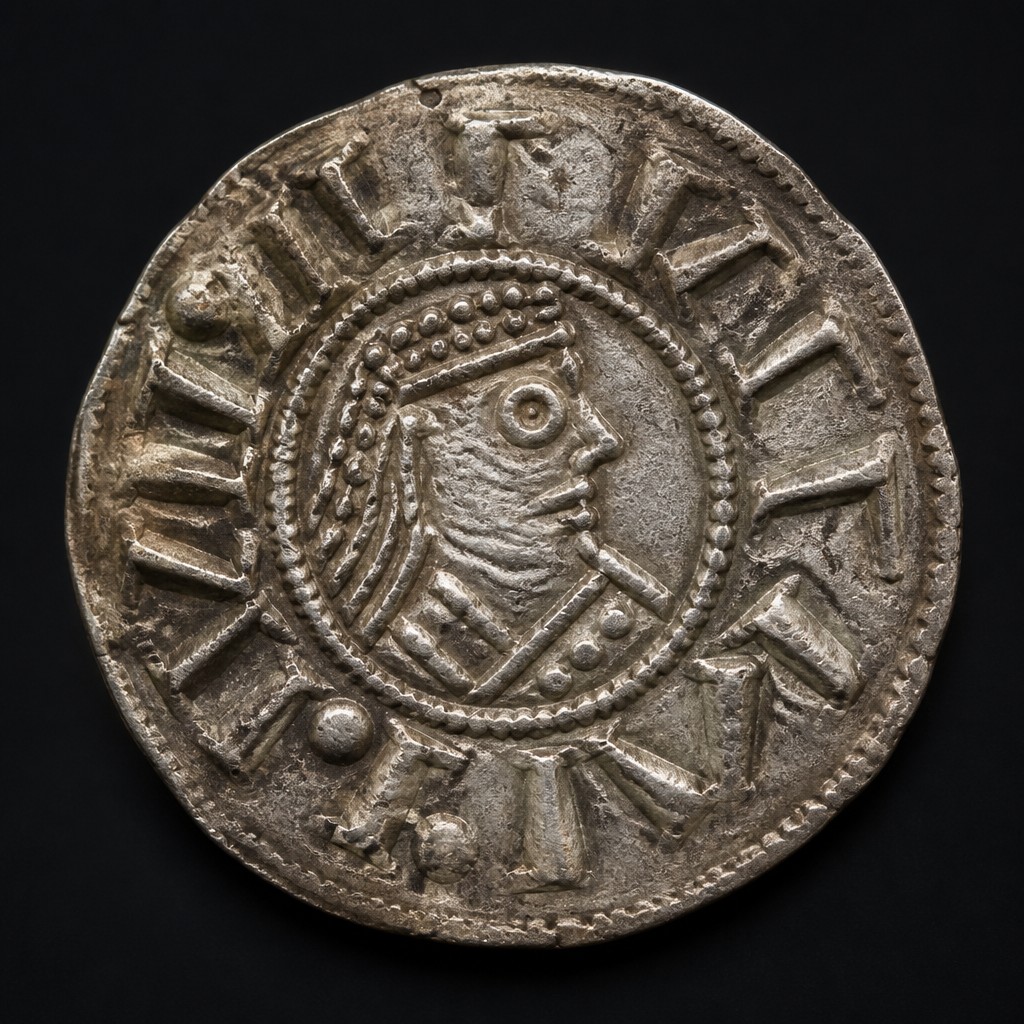
What It Is
The Viking silver penny of York was struck by Scandinavian rulers of the kingdom of Jorvik during the late 9th and 10th centuries, a period when Viking leaders controlled Northumbria and issued their own coinage alongside anonymous ecclesiastical issues in the name of St Peter. The series reflects a turbulent political era in which control of York passed repeatedly between different Viking leaders and West Saxon kings, and the coinage often changed accordingly.
Obverse Design
Designs vary by ruler and issue. Anonymous "St Peter" pennies carry the legend SCI PETRI MO (money of St Peter) often with a sword or cross replacing a portrait. Coins struck for named Viking kings, such as Sihtric or Anlaf, may show a small cross or simple design with the ruler's name spelled around it rather than a facial portrait, since Viking coinage generally avoided the imperial-style bust common on Anglo-Saxon issues.
Reverse Design
Distinctive Viking-York reverses include a sword (on Sword St Peter pennies), a raven, often associated with Anlaf Guthfrithsson's "Raven" type, a small cross, or, on Sihtric Anlafsson's issues, a bow-and-arrow design. These bold, simple emblematic symbols make Viking York pennies visually distinct from other English coinage of the period.
Size, Weight, and Metal
Struck in silver to roughly the same standard as contemporary southern English pennies, these coins measure about 19-20mm across and weigh close to 1.3 to 1.5 grams, though weight and fineness can vary between issues and moneyers.
Mint Marks and Where to Find Them
Some issues include the mint signature EOFERWIC, the contemporary name for York, within the legend. Not every type spells out the mint clearly, so attribution sometimes relies on matching the die style and symbols to known York issues.
Telling It Apart from Similar Coins
Southern English pennies from Wessex or Mercia in this period bear a portrait bust and the name of a West Saxon or Mercian king with more conventional Anglo-Saxon royal titulature. Viking-York issues stand apart through their emblematic reverse symbols (sword, raven, bow) and their frequent use of religious legends tied to St Peter rather than a king's full royal style.
Judging Condition at a Glance
Because the designs are simple and bold, check whether the sword, raven, or bow motif is fully struck and undamaged, and whether the surrounding legend remains readable, since legibility of the moneyer or mint name is often what allows firm attribution. A crisp central emblem paired with a fully readable legend represents a notably better example than one where wear or a weak strike has blurred these key details.
Authenticity Red Flags
Be alert to legends that garble known formulas like SCI PETRI MO into nonsensical letter strings, symbols that don't match any documented York type, or coins struck noticeably outside the normal weight range for Anglo-Viking pennies of the period.
Frequently asked questions
Why does my coin say St Peter instead of a king's name?
Some Viking-York pennies were anonymous ecclesiastical issues struck in the name of St Peter's church at York rather than in a specific ruler's name.
What does the sword or raven symbol mean?
These are emblematic reverse designs tied to specific issues, such as the Sword St Peter pennies or the Raven pennies linked to Anlaf Guthfrithsson, used instead of a conventional royal portrait.
How can I tell it's from York rather than southern England?
Look for the EOFERWIC mint signature or the characteristic Viking-York symbols like a sword, raven, or bow, which differ from the portrait busts on southern English pennies.
Is the silver quality the same as other Anglo-Saxon pennies?
Generally yes, Viking-York pennies were struck close to the contemporary English silver penny standard, though quality could vary somewhat by issue and moneyer.