
How to Identify the Vietnamese Silver Bar (Lang / Thoi Bac)
A traditional Vietnamese ingot-style currency, identified by its boat- or oval-shaped silver bar form and stamped Chinese characters indicating weight and often a mint or assay office.
Read the full Vietnamese Silver Bar (Lang / Thoi Bac) encyclopedia entry →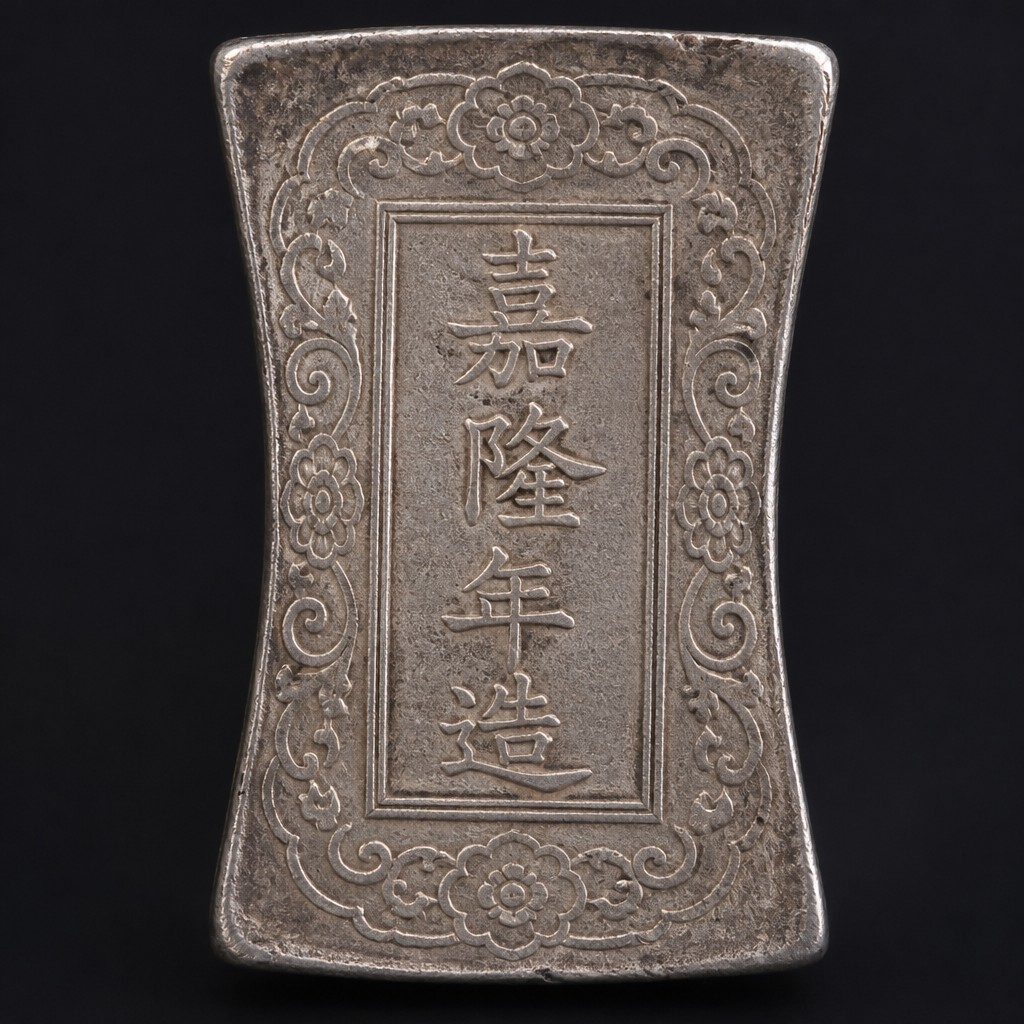
What This Coin Is
Rather than a round struck coin, the "thoi bac" is a traditional Vietnamese silver ingot, denominated in "lang" (tael) units of weight, used as a store of value and medium for larger transactions primarily during the Nguyen dynasty period. These ingots functioned alongside cast cash coins, with the ingot form reserved for higher-value silver holdings.
"Obverse" Markings
The top surface of the ingot is stamped with Chinese characters (chữ Hán, the classical script used in official Vietnamese documents of the era) recording details such as the weight in lang (tael), sometimes the name of the silversmith, guild, or assay office responsible for its purity, and occasionally a reign-related mark.
Shape and "Reverse"
The underside or interior surface of the ingot often shows a rougher, more irregular texture from the casting process, sometimes with a granular or "orange peel" appearance characteristic of hand-poured silver, in contrast to the smoother stamped top surface.
Size, Weight, Metal, and Form
These ingots take a boat-shaped, oval, or shoe-shaped form (echoing similar Chinese sycee ingots) and vary considerably in size depending on their weight denomination, since they were valued primarily by their silver content in tael units rather than by a fixed struck size.
Mint Marks and Where to Find Them
Identification relies on reading the stamped characters on the top surface, which can indicate the issuing silversmith, guild, or locality responsible for guaranteeing the silver's purity, functioning similarly to a mintmark or hallmark on Western silver items.
Telling It Apart from Similar Coins
These ingots are easily confused with Chinese sycee, which serve the same basic function and often share a similar boat shape; the distinguishing factor is the specific style of stamped characters and, where legible, references to Vietnamese place names, reign titles, or guilds rather than Chinese ones. They should not be confused with round, struck Vietnamese coins from the same era, which are a separate cash-coin currency.
Grading at a Glance
Condition assessment focuses on how legible the stamped characters remain and whether the ingot's surface shows honest, natural wear or aging versus damage, chipping, or filing. Because these were valued for their silver content, moderate surface wear does not affect authenticity, but assessing genuine antique patina versus modern re-toning is part of evaluating a piece.
Authenticity Red Flags
Common concerns include ingots that are hollow or underweight for their apparent size, characters that appear too crisp, modern, or incorrectly styled for the claimed period, and surfaces that look artificially aged. Because loose silver bullion has long been reformed and reused, verifying that a piece's form, stamps, and weight are internally consistent with genuine period examples is an important part of evaluation.
Frequently asked questions
What does 'lang' mean?
Lang is a traditional Vietnamese unit of weight, roughly equivalent to a tael, used to denominate these silver ingots.
How is this different from a Chinese sycee?
It serves a similar function and often shares a boat-like shape, but genuine Vietnamese ingots carry distinct stamped characters referencing Vietnamese guilds, places, or reign titles.
Is there a fixed size for these ingots?
No, size varies with the weight denomination since they were valued by silver content rather than produced in a standardized coin size.
Where do I look to identify the maker or purity guarantee?
Check the stamped characters on the top surface, which often name the silversmith, guild, or assay authority responsible for the silver's purity.