How to Identify the Vespasian Denarius
A guide to Vespasian's silver denarius, from his blunt, weathered portrait style to the famous Judaea Capta reverse commemorating the conquest of Judaea, plus tips for spotting common types.
Read the full Vespasian Denarius encyclopedia entry →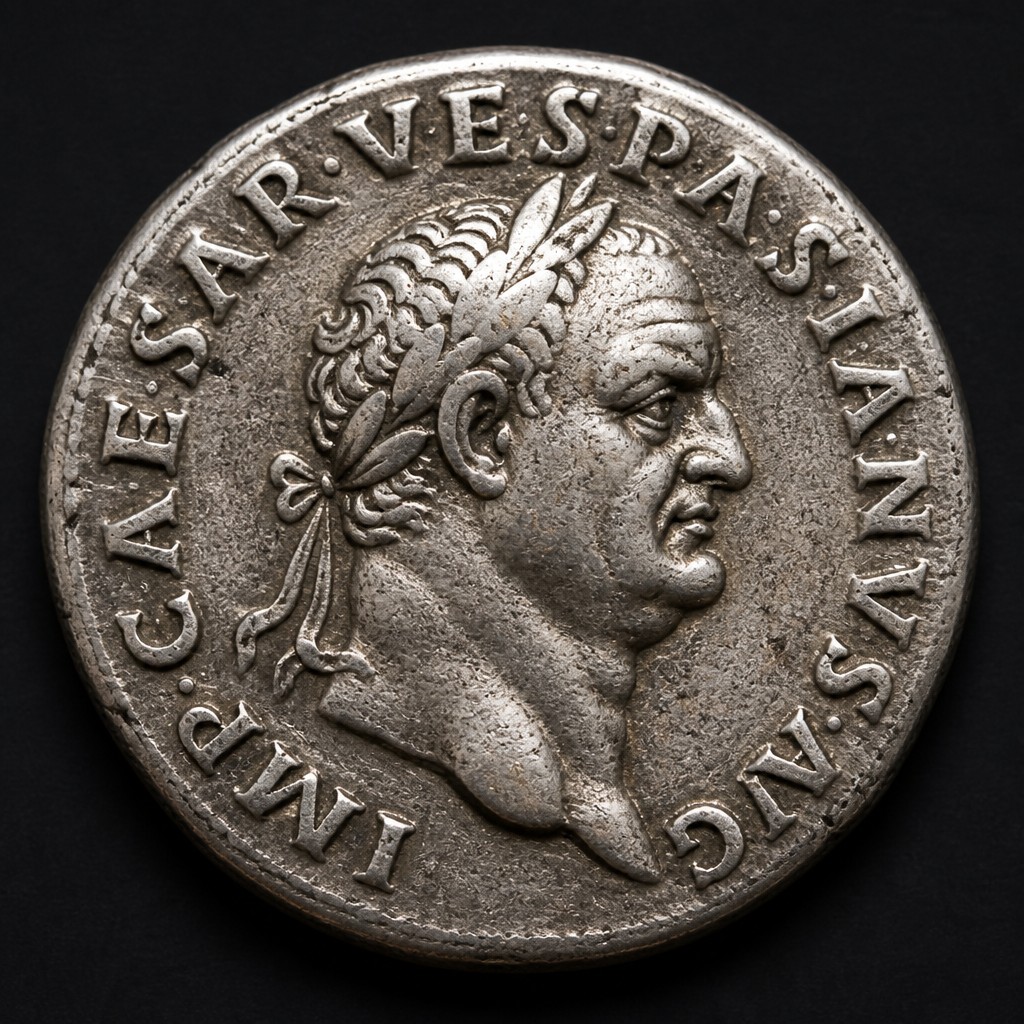
What This Coin Is
This silver denarius was struck under Vespasian, who reigned from AD 69 to 79 as founder of the Flavian dynasty, and whose coinage helped reestablish monetary and political stability after the turmoil of the Year of the Four Emperors.
Obverse Design
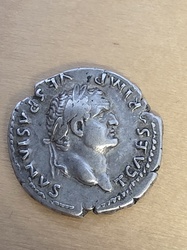
The obverse shows a laureate head of Vespasian facing right, portrayed with a notably realistic, weathered, and somewhat blunt facial style, a deliberate contrast to the idealized Julio-Claudian portraits before him. The legend typically reads IMP CAESAR VESPASIANVS AVG with title variants across the reign.
Reverse Design
Reverse types range widely, most famously the Judaea Capta series commemorating the Roman conquest of Judaea in AD 70, which shows a mourning, seated female figure personifying Judaea beneath a trophy of arms, sometimes with a bound captive standing nearby. Other common types include Pax standing and a tripod with a dolphin or raven referencing Vespasian's role as high priest.
Size, Weight, and Metal
These denarii measure roughly 17-18mm across and weigh around 3.3-3.4 grams, consistent with the Flavian-era denarius standard.
Mint Marks and Where to Look
Struck primarily at Rome, though some issues were produced at eastern mints such as one associated with Antioch or Ephesus, distinguishable mainly through style rather than an explicit Latin mint mark. The consulship (COS) number in the legend helps narrow the date.
Telling It Apart From Similar Coins
Vespasian's blunt, heavily lined portrait is distinct from the softer Julio-Claudian style. Be careful not to confuse his Judaea Capta types with similar commemorative issues struck later under his sons Titus and Domitian, who continued related Judaea-themed types with their own portraits.
Grading at a Glance
Check the sharpness of the facial wrinkles and hair on the obverse, and on Judaea Capta types look closely at the seated figure's posture and the trophy's weapon details, since these small design elements are where wear first shows.
Authenticity Red Flags
The Judaea Capta type is popular with collectors and has attracted forgeries. Verify the seated figure and trophy details against published genuine dies, check weight against the roughly 3.3-3.4 gram standard, and look for plating seams or unnaturally smooth surfaces suggesting a cast fake.
Frequently asked questions
What does the Judaea Capta reverse commemorate?
It commemorates Rome's suppression of the Jewish revolt and the fall of Jerusalem in AD 70, shown allegorically with a mourning female figure representing the conquered region beneath a military trophy.
Why does Vespasian's portrait look older and rougher than other emperors?
Flavian portraiture favored a more realistic, weathered depiction of the emperor's actual age and features, a deliberate departure from the youthful, idealized Julio-Claudian portrait tradition.
Did Vespasian's sons also issue Judaea Capta coins?
Yes, Titus and Domitian continued similar Judaea-themed commemorative types under their own portraits and titles, so the specific obverse legend and portrait are needed to confirm which emperor issued a given example.
How is a Vespasian denarius dated more precisely?
The consulship number and other accumulated titles in the obverse legend are the primary tools used to narrow a specific issue to a particular year or short range of years within his decade-long reign.
Vespasian Denarius identified by the community
Recent Vespasian Denarius coins identified with Coin Identifier.