
How to Identify the Valerian Antoninianus
An identification guide to Valerian's antoninianus (253-260 AD), covering his declining-silver coinage and how to distinguish it from coins of his son and co-ruler Gallienus.
Read the full Valerian Antoninianus encyclopedia entry →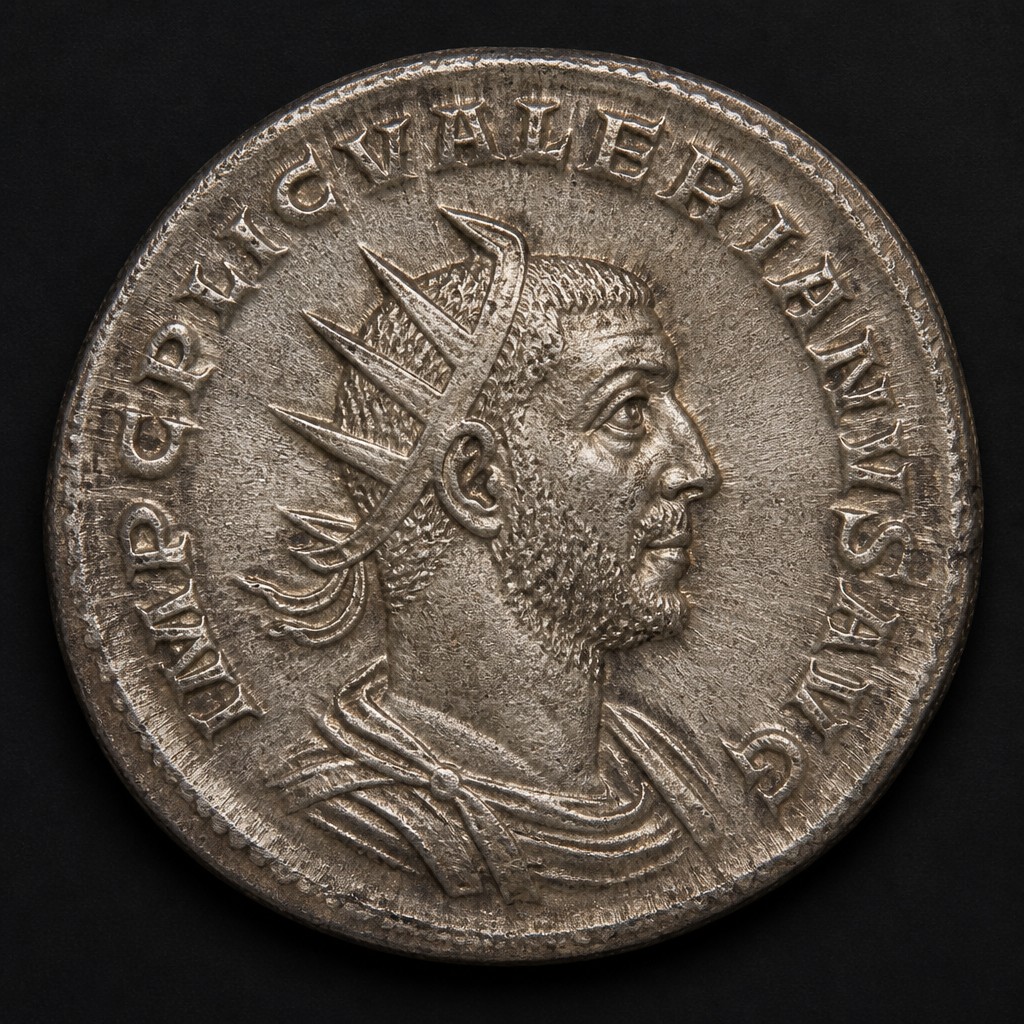
What Is the Valerian Antoninianus?
Valerian ruled from 253 to 260 AD, sharing power with his son Gallienus, until he was captured by the Persian king Shapur I in 260 - the only Roman emperor taken prisoner by a foreign power, dying in captivity shortly after. His antoninianus is common and visibly reflects the empire's mounting third-century crisis through its declining silver content.
Obverse Design and Inscriptions
The obverse shows a radiate, cuirassed or draped bust right with the legend IMP C P LIC VALERIANVS AVG, or shortened variants of the same.
Reverse Design and Inscriptions
Common reverse figures include Apollo holding a branch, Oriens or Restitutor Orientis (a Sol-like radiate figure symbolizing "restorer of the East," reflecting concern over the Persian frontier), Fides Militum, Concordia Militum shown as two clasped hands, and Victoria advancing.
Size, Weight, and Metal
The coin measures roughly 20-22mm and weighs about 3-4 grams. Silver content had fallen further, to around 15-20%, so genuine coins often appear a dull gray-brown with only a thin silvery wash surviving in protected areas of the design.
Mint Marks and Where to Find Them
Several mints were active during his reign, including Rome, Antioch, Samosata, and Viminacium. Some issues show officina letters or mint-specific stylistic differences in the field, though a fully standardized mint-mark system had not yet developed.
Telling It Apart from Similar Coins
His son and co-ruler Gallienus shares a similar radiate portrait style; checking the legend name is the reliable way to separate them. His young grandson Valerian II, who held the rank of Caesar and died young, has his own rarer coins with the legend VALERIANVS CAES.
Judging Condition at a Glance
Wear appears first at the radiate crown, the nose, and the cheek. On the reverse, look at the deity's raised arm or attribute for detail loss.
Authenticity Red Flags
Because the silver wash on genuine coins is already quite thin, silver-washed modern fakes can be especially deceptive. Comparing weight and diameter against known genuine examples, and checking for a cast seam or porous surface, are the most reliable ways to catch a forgery.
Frequently asked questions
How do I tell Valerian's coin apart from his son Gallienus's coin?
Both share a similar radiate portrait style during their joint reign, so the obverse legend naming the emperor is the reliable way to distinguish them.
Why does this coin look so gray or dull compared to earlier Roman silver coins?
By Valerian's reign the antoninianus contained only about 15-20% silver, so the coin's base metal core often shows through as a dull gray-brown, especially where the thin silver wash has worn away.
What happened to Valerian, and does it affect his coinage?
He was captured by the Persian king Shapur I in 260 AD and died in captivity; this did not change his coin types, though his reign's end explains why joint coinage with Gallienus stops at that point.
What should I check to avoid a fake?
Compare weight and diameter to known genuine ranges, and look for a cast seam or grainy surface, since the already-thin genuine silver wash makes convincing fakes relatively easy to produce.