
How to Identify the Unattributed Gold Coin
A step-by-step approach for an unidentified East Asian-style gold coin: measure it, translate the legends, test the metal, and rule out tokens and replicas.
Read the full Unattributed Gold Coin encyclopedia entry →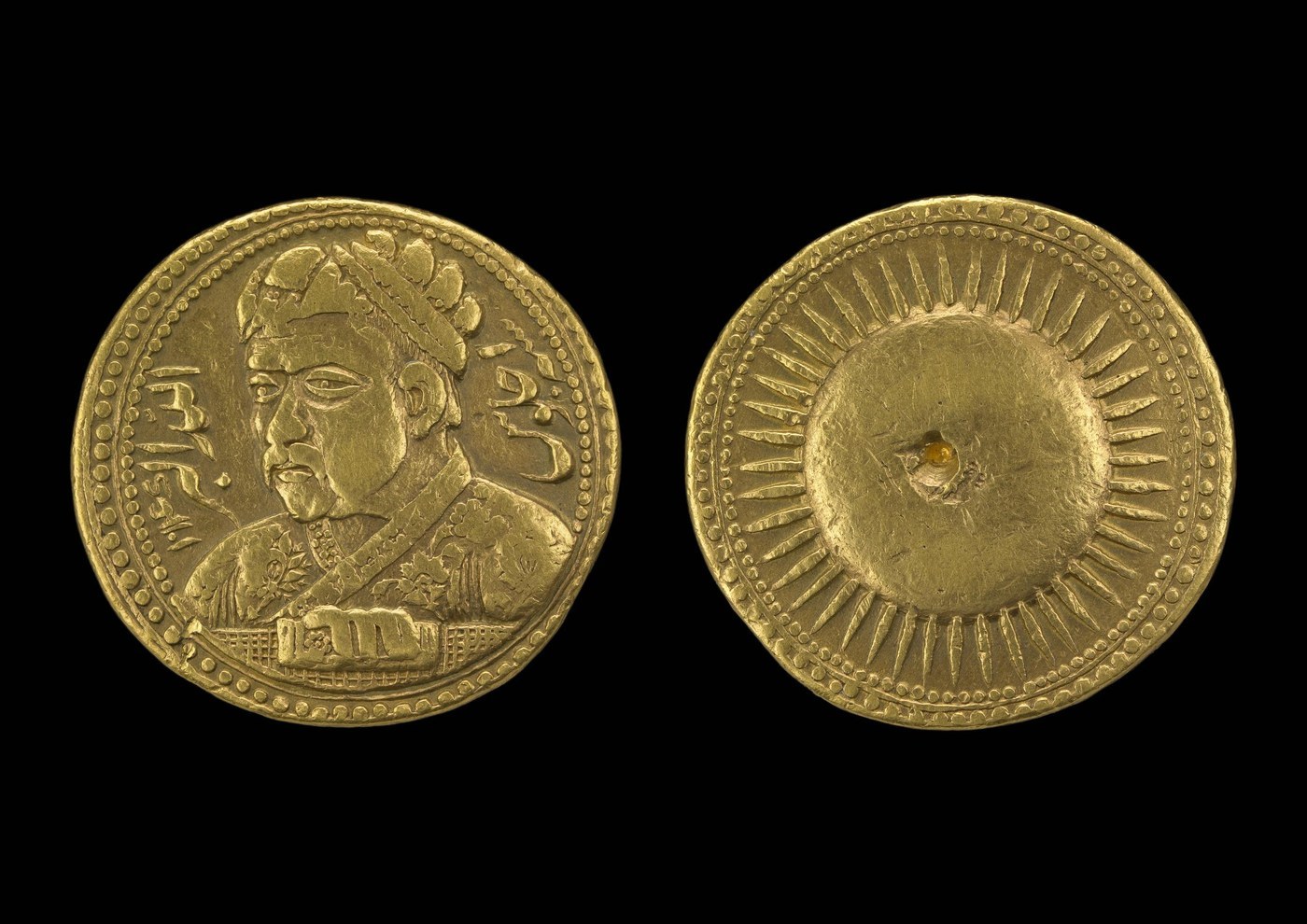
Treat this piece as an identification project, not a known type. Start with measurements, because they are objective and hard to fake: record the diameter and thickness in millimeters and the weight in grams on an accurate scale. Then run a quick magnet test; genuine gold is non-magnetic, so any attraction points to a plated or base-metal object. These three data points alone often exclude large groups of candidates before you look at the design.
Focus on the portrait-and-calligraphy side, which usually carries the identifying information. Note whether the script looks Chinese, Japanese, Korean, or otherwise, and capture a sharp, well-lit photo. The characters typically name the issuing authority, denomination, and date, often in a reign-era or cyclical-year form rather than Western numerals. Getting the legend translated by someone who reads the script, or matching the characters against catalog images, is the single most productive step toward attribution.
Describe the sunburst reverse and its decorative border in detail. Look along the rim and in the field for tiny numerals, symbols, or a maker's mark that could indicate a denomination, a mint, or a private manufacturer. Note the border style, the number and shape of the rays, and any beading or lettering, then compare these specifics against reference catalogs rather than relying on the overall impression.
Guard against look-alikes. Portrait obverses with radiant reverses appear on real coins but also on souvenir medals, amusement or gaming tokens, good-fortune charms, bullion rounds, and modern replicas, many of them produced in gold color without being currency. Wording such as "copy," "replica," or a novelty maker's name, an unusually light or heavy weight, or a magnetic core all suggest the piece is not the historic coin it resembles.
Be deliberate about authentication and metal testing. Because gold color does not prove gold content, confirm the metal with a specific-gravity check or XRF analysis before assuming any bullion value, and be wary of gilt or clad fakes. If measurements and legends point to a genuine and potentially valuable coin, submit it to a major third-party grading service, which will screen for counterfeits and confirm the attribution and grade before you assign it any worth.
Frequently asked questions
Where do I start if I have no idea what this coin is?
Begin with measurements: diameter, thickness, and weight, plus a magnet test. Then photograph the calligraphy clearly so it can be translated. Those objective details, matched to a catalog, are what lead to an attribution.
How do I know if the gold color means real gold?
You cannot tell from color or images. Confirm the metal with a specific-gravity test or XRF analysis. Many gold-colored pieces are gilt, brass, or clad rather than solid gold.
Could this be a token or replica rather than a coin?
Yes. Portrait-and-sunburst designs appear on medals, tokens, charms, and modern replicas. Watch for wording like copy or replica, off-standard weight, or a magnetic core, all of which point away from a genuine currency coin.
Should I get it professionally graded?
If your measurements and a translated legend suggest a genuine, potentially valuable coin, a major grading service can authenticate it and confirm the attribution. That is worthwhile only after the basic identification and metal test point to real gold.