
How to Identify the Tiberius Tribute Penny Denarius
A silver denarius of Emperor Tiberius, widely known as the biblical "Tribute Penny," identified by its laureate portrait and a seated female figure on the reverse.
Read the full Tiberius Tribute Penny Denarius encyclopedia entry →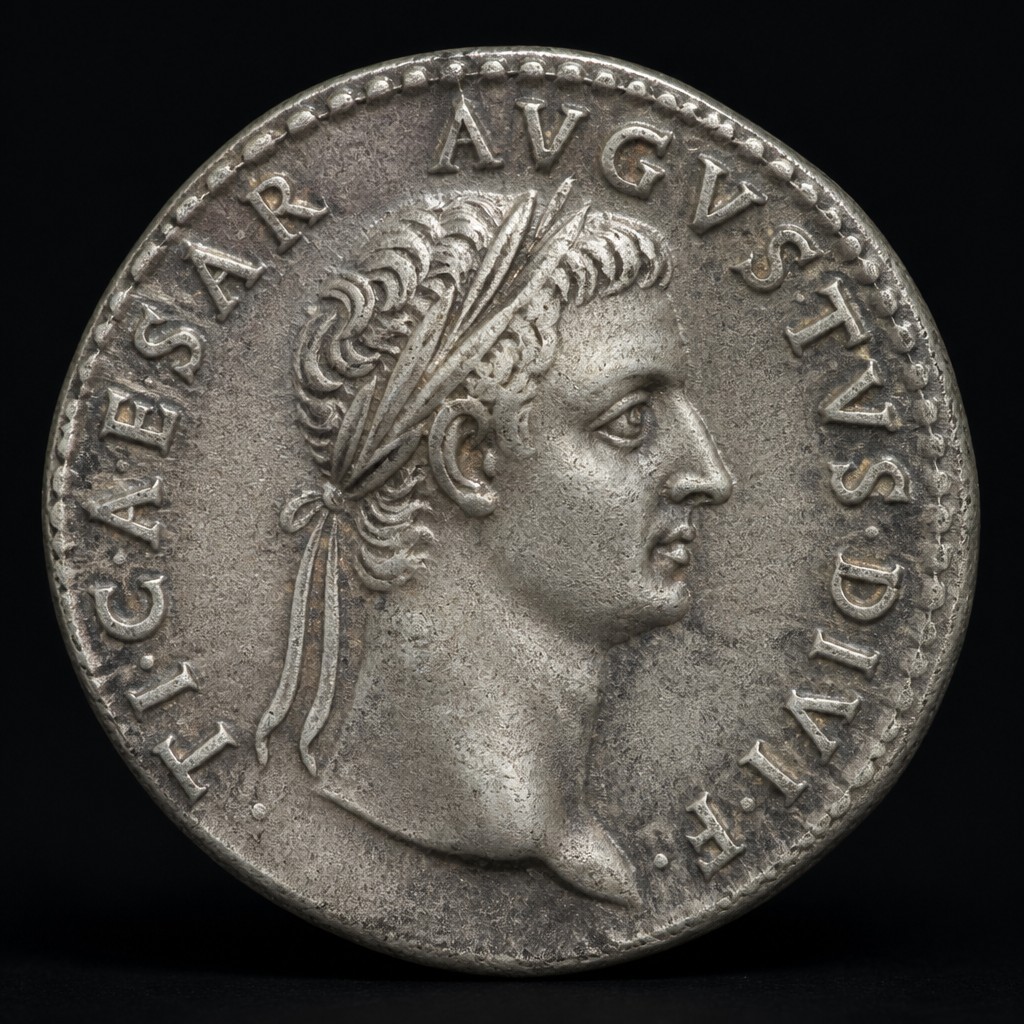
What This Coin Is
This silver denarius was struck under Tiberius, the second Roman emperor, who reigned from 14 to 37 AD. It has become famous among collectors and Bible readers alike as the likely "Tribute Penny," the coin referenced in the New Testament account of Jesus's teaching about paying taxes to Caesar, since a Tiberian denarius would have been the standard high-value silver coin in circulation in Judea during that period.
Obverse Design & Inscriptions
The obverse shows a laureate head of Tiberius facing right. The legend reads TI CAESAR DIVI AVG F AVGVSTVS ("Tiberius Caesar, son of the deified Augustus, Augustus"), reflecting his position as the adopted heir and successor of Augustus.
Reverse Design & Inscriptions
The reverse depicts a seated female figure facing right, holding a long scepter in one hand and an olive branch or similar attribute in the other, seated on a plain chair with ornate legs, her feet often resting on a footstool. She is generally identified as Livia, Tiberius's mother, portrayed in the guise of Pax (peace) or a related personification. The legend reads PONTIF MAXIM ("Pontifex Maximus," the emperor's high priestly title).
Size, Weight, Metal, and Edge
This is a silver coin, typically around 18-19mm in diameter and weighing close to 3.8 grams, consistent with the standard Julio-Claudian denarius weight. The edge is plain, without reeding or lettering.
Mint Marks and Where to Find Them
Most of these denarii were struck at the imperial mint associated with Lugdunum (modern Lyon), which served as a primary source of silver coinage for the western and broader Roman world during Tiberius's reign; there is generally no separate exergue mint mark, as attribution instead relies on style and the overall die characteristics well documented in Roman Imperial coinage references.
Telling It Apart From Similar Coins
This coin is sometimes confused with denarii of Augustus, whose portraits can appear superficially similar in profile; checking the obverse legend for TI CAESAR versus a legend naming AVGVSTVS alone, along with subtle differences in portrait style and reverse type, resolves the distinction. Modern reproductions marketed as "Tribute Penny" replicas are also extremely common as inexpensive souvenirs, so context of purchase and material should always be checked carefully against genuine ancient examples.
Judging Condition at a Glance
Look for a well-defined laurel wreath and facial profile on the obverse, along with clear drapery folds and chair detail on the seated figure of the reverse. Because this type was struck in enormous quantities and remained in circulation for decades, many surviving examples show moderate wear, which is normal; sharper, well-centered strikes command more collector interest.
Authenticity Red Flags
Given this coin's popularity, it is one of the most commonly counterfeited or replicated ancient types, including openly sold tourist and souvenir reproductions, some of which are explicitly marked as copies while others are not. Check for the correct silver weight and diameter, examine the surface for a grainy or artificially aged look inconsistent with genuine worn silver, and look for a raised casting seam around the edge, which would indicate the piece is not an authentic struck ancient coin.
Frequently asked questions
Why is this coin called the Tribute Penny?
It is traditionally identified with the silver coin mentioned in the New Testament passage about paying taxes to Caesar, since a Tiberian denarius would have been the standard high-value coin circulating in the region at that time.
Who is depicted on the reverse?
The seated figure is generally identified as Livia, Tiberius's mother, shown in the guise of Pax or a similar personification holding a scepter and branch.
How do I avoid buying a modern replica by mistake?
Check the coin's weight and diameter against genuine ancient standards, inspect for a casting seam or grainy texture, and be wary of coins sold cheaply as souvenir reproductions without clear disclosure.
Where were most of these denarii minted?
The majority were struck at the imperial mint linked to Lugdunum (modern Lyon), a major source of silver coinage during Tiberius's reign.