How to Identify the Threepence
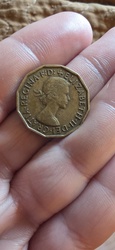
A visual guide to the British Threepence, covering both the tiny silver 'joey' and the larger twelve-sided brass coin, identified by size, shape, and portcullis or thrift-flower reverse.
Read the full Threepence encyclopedia entry →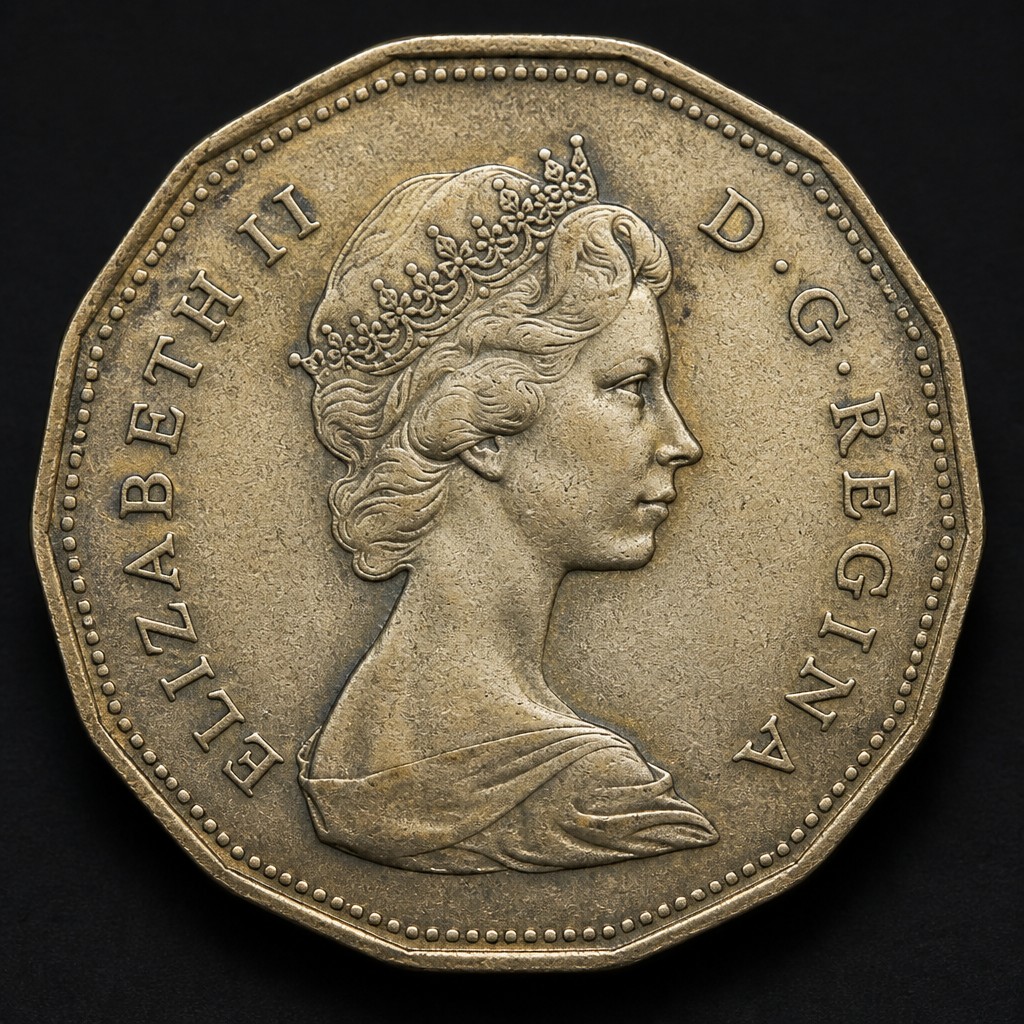
What It Is
The Threepence, worth three pence, existed in two very different physical forms during the 20th century. A tiny silver threepence (sometimes called a "joey") circulated alongside a larger, distinctive twelve-sided nickel-brass coin introduced in 1937, with the silver version phased out of general circulation as the brass coin became dominant. The brass threepence was withdrawn in 1971 at decimalisation. The silver threepence had itself been in continuous production since the 16th century, making it one of the longer-running denominations in English and British coinage history before the 20th-century switch to the larger brass format.
Obverse Design and Inscriptions
Both types show the monarch's profile portrait and Latin title with the date, though the tiny silver threepence's inscription is understandably cramped given its small size.
Reverse Design and Inscriptions
The silver threepence typically shows a simple crowned numeral "3" or a small floral spray depending on the reign. The twelve-sided brass threepence, introduced under George VI, shows either a thrift plant (sea pink) design on early issues or, more famously, a portcullis with chains beneath a crown on later George VI and all Elizabeth II issues, a design borrowed from the royal Tudor badge.
Size, Weight, Metal, and Edge
The silver threepence is minuscule, only about 16 mm in diameter and 1.4 grams, struck in the same silver finenesses as other coins of its era. The brass threepence is twelve-sided, about 21 mm across the flats, weighs approximately 6.8 grams, and is composed of nickel-brass (79% copper, 20% zinc, 1% nickel), giving it a golden color. Neither type has a reeded edge; the brass coin's twelve flat sides serve the same anti-counterfeiting function as reeding.
Mint Marks and Where to Find Them
Standard London-issued threepences of either type carry no mint mark, consistent with regular British coinage of the period.
Telling It Apart From Similar Coins
The twelve-sided shape makes the brass threepence unmistakable among British coins, sharing its polygonal outline with no other regular-issue denomination of the era. The tiny silver threepence is more easily confused with a sixpence at a glance, so compare diameter and the design closely, since the silver threepence is noticeably smaller.
Judging Condition at a Glance
On the brass threepence, examine the fine chain links and crown detail on the portcullis design, as these flatten first with wear, and check that all twelve edges remain sharp and undamaged. On the silver threepence, the crowned numeral or floral spray losing crispness signals wear.
Authenticity Red Flags
Be cautious of brass threepences with rounded, worn-looking edges on an otherwise sharp coin, which can indicate wear inconsistent with the rest of the design, or a color that looks too yellow or too pale for genuine nickel-brass. On silver threepences, an incorrect weight or diameter compared to genuine examples is a warning sign. For either type, a magnetic response is a strong indicator of a modern replica, since genuine nickel-brass and silver threepences are not noticeably magnetic.
Frequently asked questions
Why is the threepence twelve-sided?
The unusual twelve-sided shape, introduced in 1937, made the coin easy to identify by touch and distinguished it clearly from round coins of similar size.
What metal is the brass threepence made of?
It is struck in nickel-brass, an alloy of about 79% copper, 20% zinc, and 1% nickel, giving it a golden-yellow appearance.
Is the silver threepence rare?
It became increasingly scarce in general circulation once the larger brass version took over as the primary threepence from the late 1930s onward, though it was still produced for a time.
What design is on the back of most threepences?
Most 20th-century brass threepences show a portcullis with hanging chains beneath a crown, a badge associated with the royal Tudor family.
Threepence identified by the community
Recent Threepence coins identified with Coin Identifier.