How to Identify the Third Farthing
The Third Farthing is a tiny British bronze or copper coin worth one-twelfth of a penny, struck mainly for use in Malta across the 19th and early 20th centuries.
Read the full Third Farthing encyclopedia entry →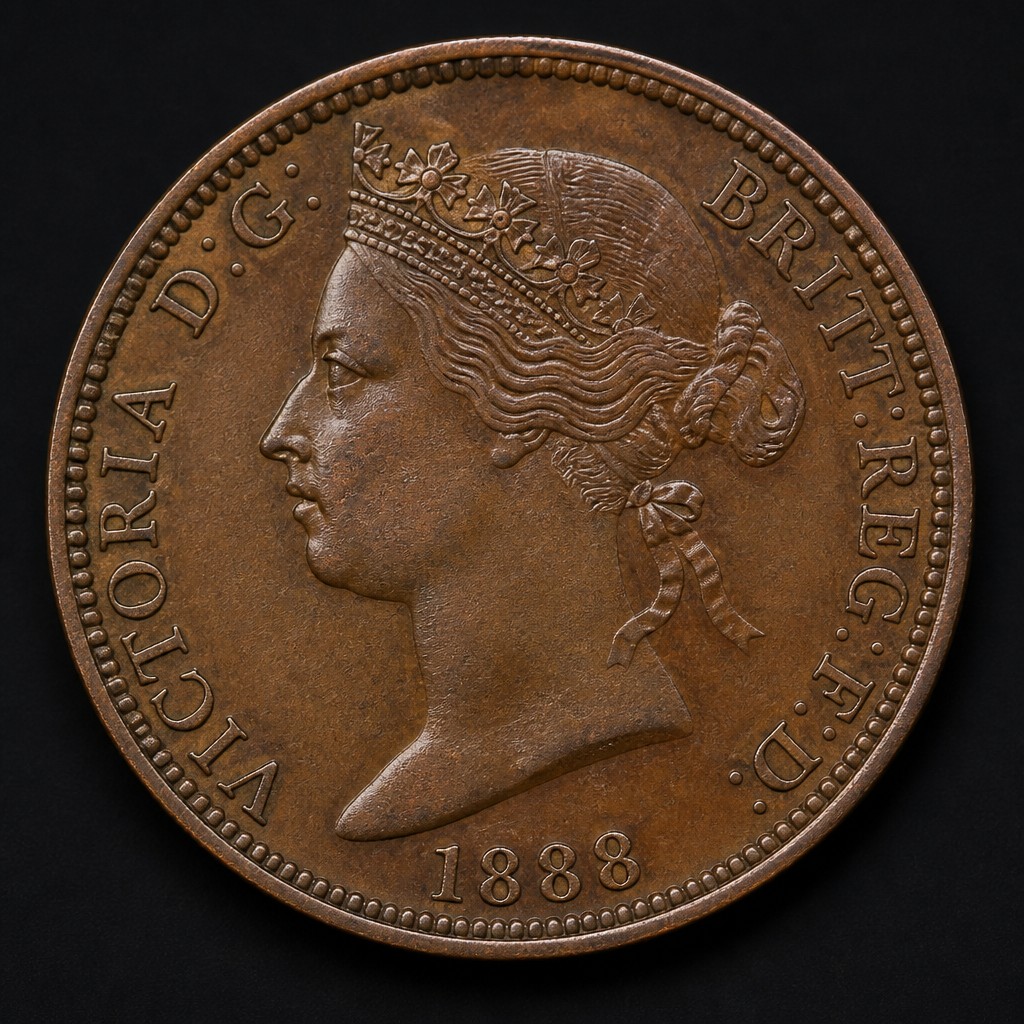
What Is It
The Third Farthing is a small denomination worth one-twelfth of a penny, or one-third the value of a standard farthing. It was struck at various dates from 1827 through the early 20th century, primarily to supply small-denomination coinage for use in Malta, though it was legal tender throughout Britain as well. Issues span the reigns of George IV through George V.
Obverse Design
The obverse carries the portrait of the reigning monarch appropriate to its date of issue, following the same general Latin-legend style used across other British coinage of each period.
Reverse Design
The reverse shows a seated Britannia figure, consistent with the broader family of small British copper and bronze coinage, with the words THIRD FARTHING and the date arranged around the design.
Size, Weight, and Metal
Earlier Third Farthings are struck in copper, while later issues use bronze, following the general shift in British small-denomination coinage composition. The coin weighs approximately 1.4 grams and measures about 16mm in diameter, making it smaller than the Half Farthing.
Mint Marks and Where to Find Them
All Third Farthings were struck at the Royal Mint in London and carry no branch mint marks. Because the denomination is spelled out directly as THIRD FARTHING on the reverse, identifying the coin's value requires no guesswork once it is in hand.
Telling It Apart from Similar Coins
The Third Farthing should not be confused with the similarly small Quarter Farthing, which was struck for Ceylon rather than Malta and is smaller still. Comparing the spelled-out denomination on the reverse, along with careful measurement of diameter, is the most reliable way to distinguish between these closely related small fractional coins.
Judging Condition at a Glance
Wear appears first on the monarch's portrait details and on Britannia's raised features on the reverse. Because these coins were used in genuine daily commerce in Malta over an extended period, many surviving examples show noticeable wear, and sharply struck, high-grade specimens are comparatively less common.
Authenticity Red Flags
As a low-value historical denomination, the Third Farthing is not a common target for sophisticated counterfeiting, but collectors should still check that the weight, diameter, and denomination wording are consistent with genuine examples, since mismatched or oddly sized pieces may be later reproductions, fantasy pieces, or coins that have been altered.
Frequently asked questions
Where was the Third Farthing mainly used?
It was struck chiefly to provide small change for commerce in Malta, though it remained legal tender in Britain as well during its periods of issue.
How much was a Third Farthing worth?
It was worth one-twelfth of a penny, or one-third the value of a standard farthing.
How do I tell a Third Farthing from a Quarter Farthing?
The denomination is spelled out on the reverse of each coin, and the Third Farthing is slightly larger than the Quarter Farthing, so checking both the wording and the size will confirm which coin you have.
Which monarchs appear on Third Farthings?
Third Farthings were struck at various dates spanning the reigns of George IV through George V, so the obverse portrait depends on the specific coin's date.
Third Farthing identified by the community
Recent Third Farthing coins identified with Coin Identifier.