
How to Identify the Styca of Eanred
Practical checks for the Northumbrian styca: size and base metal, king and moneyer legends, central motifs, look-alikes, and authentication cautions.
Read the full Styca of Eanred encyclopedia entry →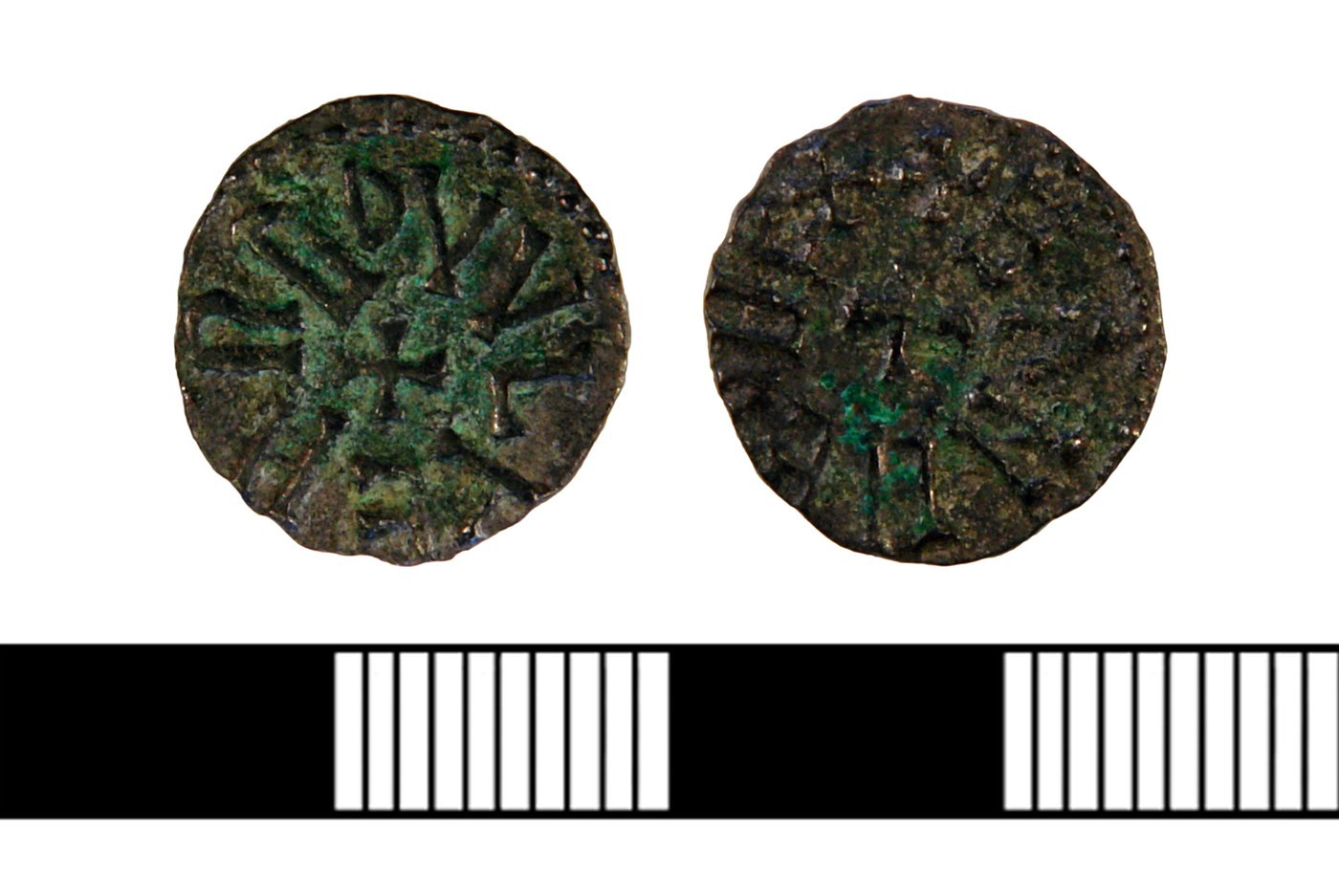
Start with size and metal. The styca is a small, thick coin only about 12-15 mm across and a few grams in weight, struck in a dull copper-alloy bronze or brass, not bright silver. If your coin is large, thin, or clearly good silver, it is not a styca; the small module and base-metal color are the first diagnostics.
Read the legends. One face should carry the king's name around a central cross or ornament, typically in a form such as EANRED REX, while the other face carries a moneyer's name around a central symbol. Expect crude, uneven lettering, and be prepared for blundered spellings or partly retrograde legends, which are characteristic rather than a sign of forgery. Identifying both the royal name and the moneyer is the key to attribution.
Examine the central motifs on each face. The obverse commonly shows a cross with straight linear elements, and the reverse a small central device that may read as a cross, a cluster of pellets, an annulet, or a stylized ornament. Because dies were hand-cut, the exact form of these symbols varies from coin to coin, so match the overall arrangement rather than expecting an identical die.
Separate look-alikes. Stycas of other Northumbrian kings such as Aethelred II and Redwulf share the same format but carry different royal names, so read the legend carefully. Later "derivative" and irregular stycas have highly blundered or nonsensical inscriptions and can be hard to assign to a specific king. Contemporary base-metal issues and small later medieval coppers can superficially resemble a styca but differ in fabric and design.
Authenticate with care. Genuine stycas show hand-cut lettering, honest wear, and earthen or lightly corroded surfaces from burial. Be wary of cast copies with soft, mushy detail, seams, or an unnaturally smooth or bubbled surface, and of pieces with suspiciously perfect legends. When value or attribution is significant, weigh and measure the coin and seek an experienced dealer or specialist before buying or selling.
Frequently asked questions
How do I know it is Eanred and not another king?
Read the royal legend around the central cross. Eanred's coins name him, often as EANRED REX, while stycas of Aethelred II, Redwulf, and others carry different names in the same layout.
What size and metal should a genuine styca be?
Expect a small, thick coin about 12-15 mm across weighing only a few grams, struck in a dull copper-based bronze or brass. Bright silver or a large module points to a different coin.
The inscription looks garbled. Is the coin fake?
Not necessarily. Blundered, misspelled, or partly reversed legends are common in the styca series because dies were cut by hand. Fabric, wear, and surface matter more for authenticity.
What is a moneyer's name doing on the coin?
One face names the moneyer who struck the coin, opposite the king's name. Identifying the moneyer helps attribute and classify the piece within Eanred's issues.