
How to Identify the South African Sixpence (Union)
A small silver coin from the Union of South Africa era (1923-1960) featuring the reigning British monarch and a protea-flower reverse, popular with pre-decimal collectors.
Read the full South African Sixpence (Union) encyclopedia entry →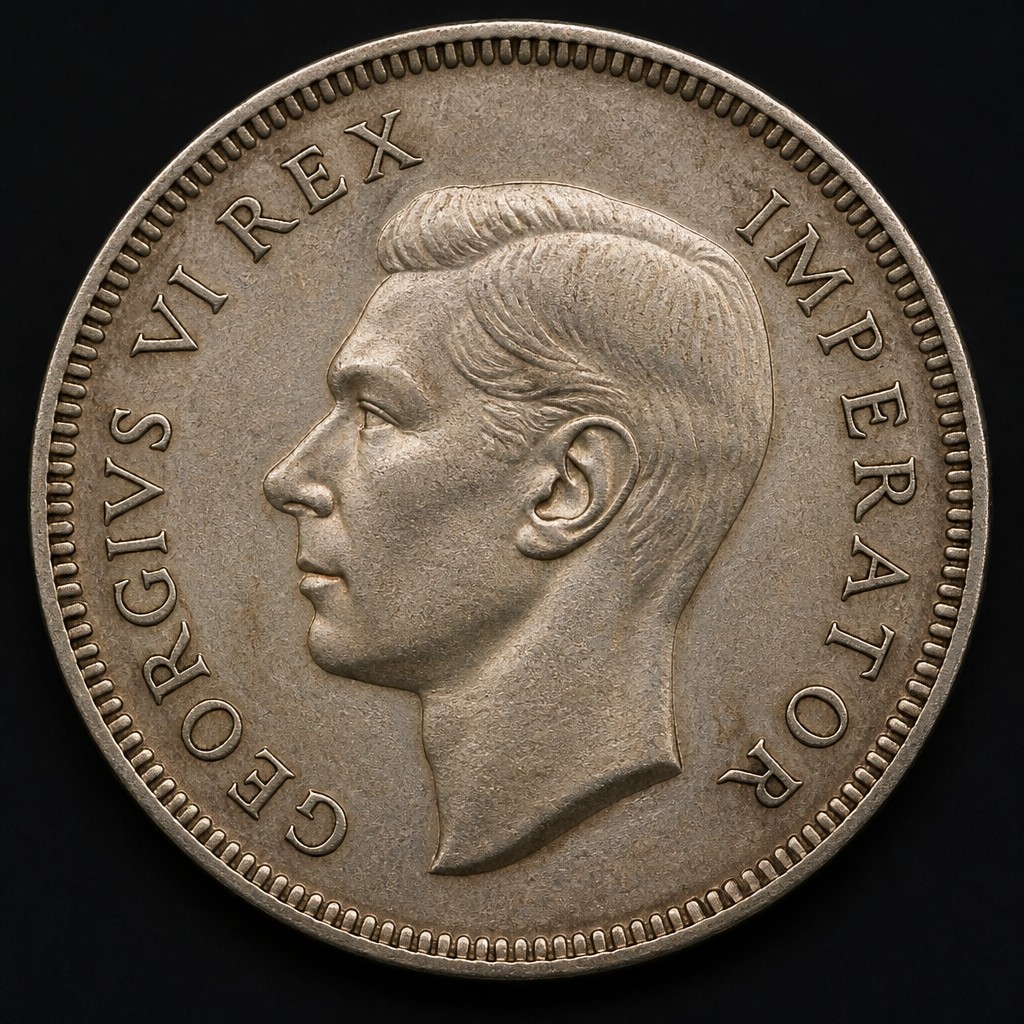
What Is the Union Sixpence?
Struck for the Union of South Africa between 1923 and 1960, the sixpence was part of a coinage series produced under British colonial-era conventions before South Africa switched to decimal currency (rand and cents) in 1961. It shares a basic format with the British sixpence but carries distinctly South African reverse artwork.
Obverse Design
The obverse carries a profile portrait of the reigning monarch of the time — George V (1923-1936), George VI (1937-1952), or Elizabeth II (1953-1960) — with the ruler's name and title abbreviated in Latin around the rim. The portrait style alone helps place the coin within a reign before you even read the date.
Reverse Design
The reverse is dominated by a South African protea flower design, the country's national floral emblem, along with the denomination "6D" (sixpence) and the date. The country name "SOUTH AFRICA" / "SUID-AFRIKA" appears in both English and Afrikaans, reflecting the Union's dual-language coinage.
Size, Weight, and Metal
Union sixpences are small silver coins, roughly 19mm in diameter and about 2.83 grams. Coins struck through 1950 use a higher silver fineness (around .800), while coins from 1951 onward were debased to a lower silver content (around .500) as silver prices rose — a detail affecting color and heft but not the coin's basic design.
Mint Marks
Union coinage was produced primarily at the Pretoria mint, with earlier issues also struck at the Royal Mint in London; pieces generally don't carry a separate mint-mark letter distinguishing the two, so the date and monarch portrait remain the main dating tools.
Telling It Apart from Similar Coins
Because the sixpence shares its general size and silver content with the era's threepence and shilling, always check the reverse denomination directly: the threepence is smaller and thinner, while the shilling is larger and carries a shield-and-spear design rather than a protea. Confirm "6D" appears before assuming a coin is a sixpence. It's also worth noting that Union coinage looks similar at a glance to contemporary British coinage of the same denominations, since both follow comparable size and portrait conventions; the "SOUTH AFRICA" / "SUID-AFRIKA" wording and protea reverse are what confirm a South African origin rather than a British one.
Condition and Grading at a Glance
Wear appears first on the monarch's cheek, hair, and crown on the obverse and on the protea's petals and stem on the reverse. Full, sharp petal detail without smoothing indicates a higher grade, while a nearly blank, shiny surface with no raised design suggests heavy circulation wear.
Authenticity Red Flags
Genuine Union sixpences ring with a clear, resonant tone when tapped due to their silver content and have precisely reeded edges. Watch for coins that feel unusually light, show a dull gray or brassy color inconsistent with silver, or have a blurred, mushy reverse design, all signs of a base-metal replica or heavily worn counterfeit.
Frequently asked questions
What years were sixpences minted for the Union of South Africa?
From 1923 through 1960, spanning the reigns of George V, George VI, and Elizabeth II, before decimalization in 1961.
What's on the reverse of a Union sixpence?
A protea flower design, South Africa's national flower, along with the denomination "6D" and the date.
How can I tell the silver-content era apart?
Coins from 1950 and earlier use a higher silver fineness, while 1951 and later issues use a lower silver content, generally reflected in a slightly different color and weight feel.
How do I avoid confusing it with a threepence or shilling?
Check the denomination marking directly, since "6D" indicates sixpence; the three coins share a design family but differ in size and denomination text.