
How to Identify the Siliqua of Gratian
A collector's guide to reading the diademed portrait, GRATIANVS legend, thin silver fabric, clipping and mint marks of Gratian's siliquae.
Read the full Siliqua of Gratian encyclopedia entry →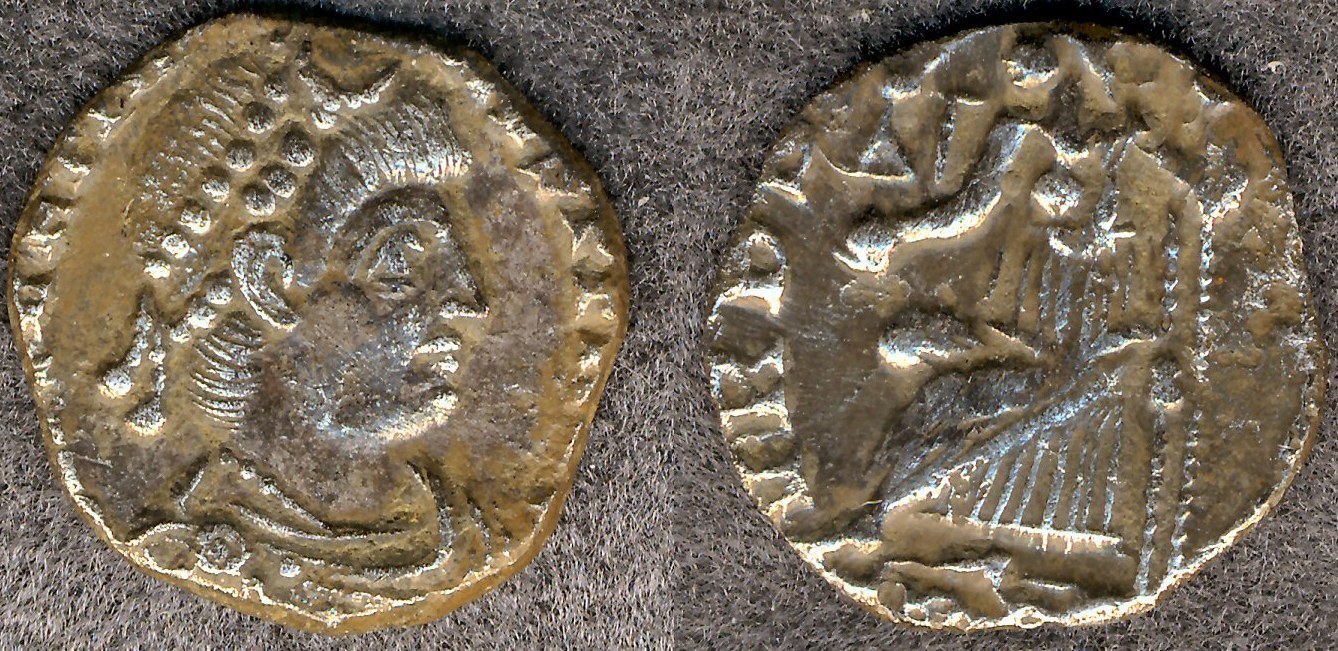
Start with the metal, size and fabric. A siliqua is a small, thin silver coin, typically about 15-18 mm across and light at roughly 1.5-2.2 grams. It should look and feel like silver, not bronze, and the flan is broad and thin rather than thick and dumpy. This alone separates it from the base-metal bronzes (nummi) that circulated in far greater numbers during the same decades.
Read the obverse to confirm the ruler. On this coin the emperor faces right wearing a pearl diadem, with draped and cuirassed shoulders. The legend around the edge should carry the name GRATIANVS, most often as DN GRATIANVS PF AVG. Because the emperors of the House of Valentinian and their contemporaries all use a very similar diademed bust, the legend is what fixes the identity; never attribute from the portrait alone. On worn or clipped coins the legend may be incomplete, so read whatever letters survive.
Use the reverse to attribute the type. Gratian's siliquae show either a standing figure or a vow inscription. Standing types include personifications such as Roma or Constantinopolis and figures of Victory holding a wreath and palm; match the figure's attributes to the legend to name the type. Other issues instead carry a vow formula such as VOT within a wreath. Then check the exergue below the design for a mint mark placing the coin at a Western mint such as Trier (TR), Lugdunum (LVG) or Arles.
Allow for clipping and wear. Many Western siliquae, particularly British finds, were deliberately clipped, so a reduced diameter, a slightly polygonal edge and truncated outer legend are common and expected rather than signs of damage or forgery. Weight below the standard often simply reflects this trimming.
Watch for look-alikes and fakes. Siliquae of neighbouring emperors such as Valentinian I, Valens, Valentinian II, Theodosius I and the usurper Magnus Maximus share the same fabric and bust style, so again read the name. Cast forgeries and modern struck copies exist; warning signs include a casting seam or grainy surface, wrong weight for the diameter, tool-sharp detail inconsistent with the wear, and mismatched portrait and legend styles. For a coin bought as an investment, seek attribution from a specialist in late Roman silver or a piece with reputable provenance.
Frequently asked questions
What is the fastest way to confirm a coin is a siliqua of Gratian?
Check that it is a small, thin silver coin about 15-18 mm and roughly 1.5-2.2 grams, then read the obverse legend for the name GRATIANVS, usually DN GRATIANVS PF AVG. The diademed bust faces right.
How do I tell Gratian apart from other late Roman emperors?
Read the obverse legend rather than the portrait. Gratian's siliquae name GRATIANVS, while Valentinian I, Valens, Theodosius I and Magnus Maximus struck near-identical diademed silver siliquae that carry their own names instead.
My coin's edge looks trimmed and it is underweight. Is that a problem?
Not for authenticity. Clipping was common on Western siliquae, especially British finds, and removed silver from the edge, leaving a smaller, lighter coin. It is normal for the series, though it does reduce collector value.
What does the mint mark in the exergue tell me?
The letters in the reverse exergue identify the mint that struck the coin, such as TR for Trier, LVG for Lugdunum or a mark for Arles. They let you attribute the piece to a specific Western mint of Gratian's reign.