How to Identify the Siam Tin Pot Duang / Porcelain Gambling Token
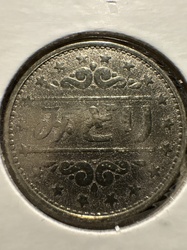
Two pre-modern Siamese exchange media: bent-bar bullet money stamped with royal marks, and privately issued porcelain gaming tokens marked with Chinese characters.
Read the full Siam Tin Pot Duang / Porcelain Gambling Token encyclopedia entry →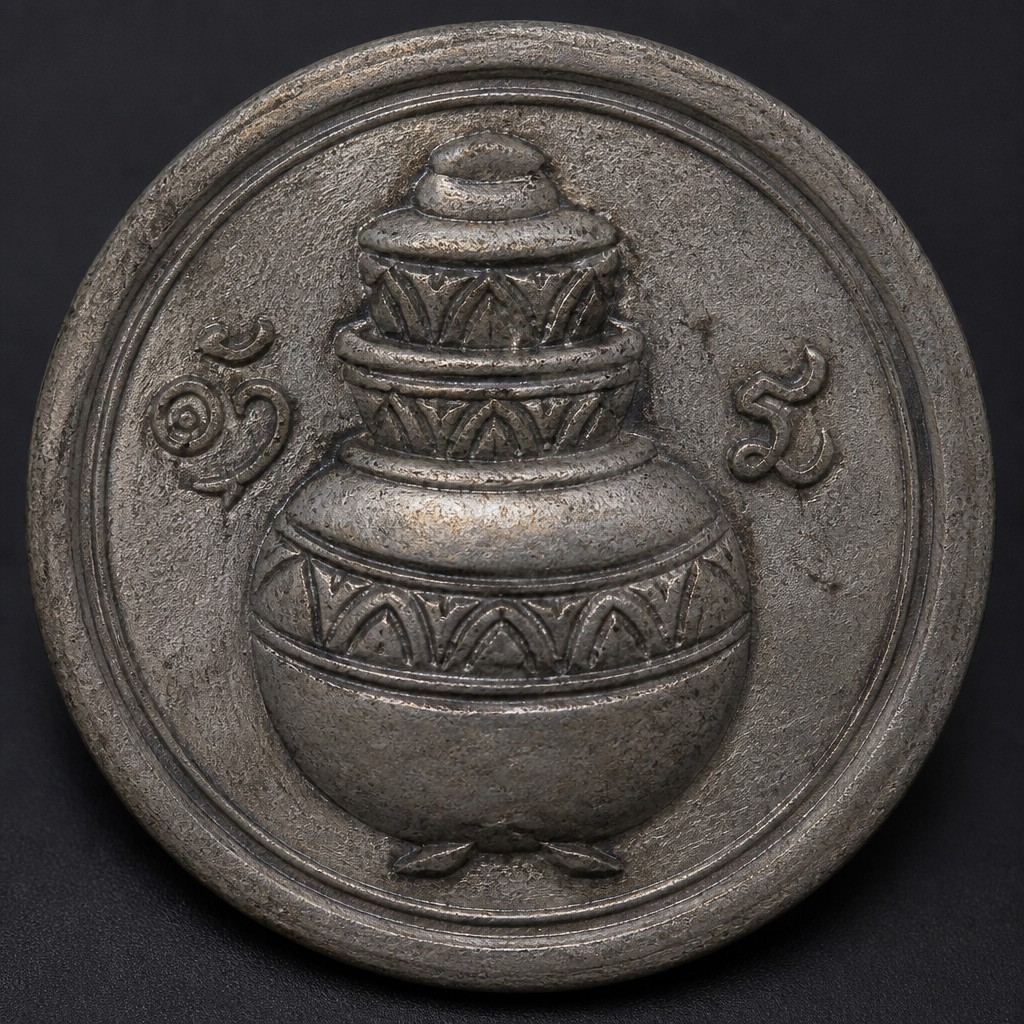
What It Is
This entry covers two distinctive forms of pre-modern Siamese exchange media. "Pot Duang," often called bullet money, was Siam's traditional bent-bar currency made of tin or silver, used for centuries before machine-struck coinage was introduced. Porcelain gambling tokens were small ceramic pieces produced mainly by Chinese-run gambling houses in 19th-century Bangkok, used informally as small change or gaming chips rather than official currency. Both forms circulated alongside one another for a time in 19th-century Siam, reflecting a monetary landscape where official royal currency and informal, privately backed tokens both played practical roles in daily trade.
Design & Marks on Pot Duang
Pot Duang consists of a thick bar of metal bent around into a rounded, bullet-like lump, stamped on its visible face with one or more official punch marks. The most notable of these is the chakra (discus) symbol representing the ruling dynasty, along with a smaller personal mark of the issuing king or minting official.
Design & Marks on Porcelain Tokens
These are flat, thin discs — usually round, though occasionally other simple shapes — made of glazed porcelain in various colors, stamped or painted with Chinese characters, simple pictorial designs, or numerals identifying the issuing gambling house or its assigned value. No royal marks appear, since these were privately issued.
Size, Weight & Material
Pot Duang pieces vary by denomination, generally ranging from about 10mm to over 20mm across the rounded body, made of a tin-lead alloy or silver depending on the issuer and era, with silver examples historically more valuable than base-metal tin versions. Porcelain tokens are thin and lightweight, usually 15-30mm in diameter, made of low-fired glazed clay or porcelain.
Identifying Marks & Where to Find Them
On Pot Duang, the combination of the dynastic chakra stamp and a secondary royal or mint symbol identifies the reign and sometimes the specific issuing authority. On porcelain tokens, the Chinese characters or pictorial motif identify the specific gambling house, plantation, or region that issued them, and these have been extensively cataloged by specialist collectors.
Telling These Apart from Similar Items
Pot Duang should not be confused with ordinary cast metal ingots, since its bent-bar shape and official punch marks are unique to Siamese currency. Porcelain gambling tokens should not be confused with true coinage, since they carry no national or royal insignia and are made of ceramic rather than metal.
Judging Condition at a Glance
For Pot Duang, check how clearly the punch marks remain and whether the metal shows cracks or heavy corrosion, since tin alloys can pit over time. For porcelain tokens, check the glaze for chips, crazing, or fading of painted or stamped designs. Well-preserved tokens retain a glossy, even glaze and legible markings, while worn examples often show dulled surfaces and chipped edges from handling and gaming table use.
Authenticity Red Flags
Because both categories are collected today, modern reproductions exist. On Pot Duang, be wary of stamps that look too crisp or uniform, since hand-punched marks on genuine pieces are somewhat irregular, or metal that seems too light or too clean for its apparent age. On porcelain tokens, watch for new, machine-uniform glazing or printed rather than hand-stamped designs, which suggest a modern reproduction rather than a 19th-century original.
Frequently asked questions
What is "Pot Duang" also known as?
It is commonly called "bullet money" in English, referring to its rounded, bent-bar shape.
Were porcelain gambling tokens official government currency?
No, they were privately issued by Chinese-run gambling houses in 19th-century Bangkok and used informally as change or gaming chips rather than official coinage.
How can I tell the reign a Pot Duang piece comes from?
The combination of the dynastic chakra stamp and any secondary personal or mint mark on its surface helps identify the reign and sometimes the specific issuing authority.
What material are porcelain tokens made from?
They are made of low-fired, glazed clay or porcelain, distinguishing them clearly from any metal coinage of the period.
What is the main sign of a modern reproduction?
Overly crisp, uniform stamps on Pot Duang or machine-perfect glazing and printed designs on porcelain tokens both suggest a modern reproduction rather than a genuine 19th-century piece.
Siam Tin Pot Duang / Porcelain Gambling Token identified by the community
Recent Siam Tin Pot Duang / Porcelain Gambling Token coins identified with Coin Identifier.