
How to Identify the Shilling of Charles I
Collector checks for the Charles I hammered silver shilling: crowned bust, the XII value mark, the quartered shield, mint marks and authentication cautions.
Read the full Shilling of Charles I encyclopedia entry →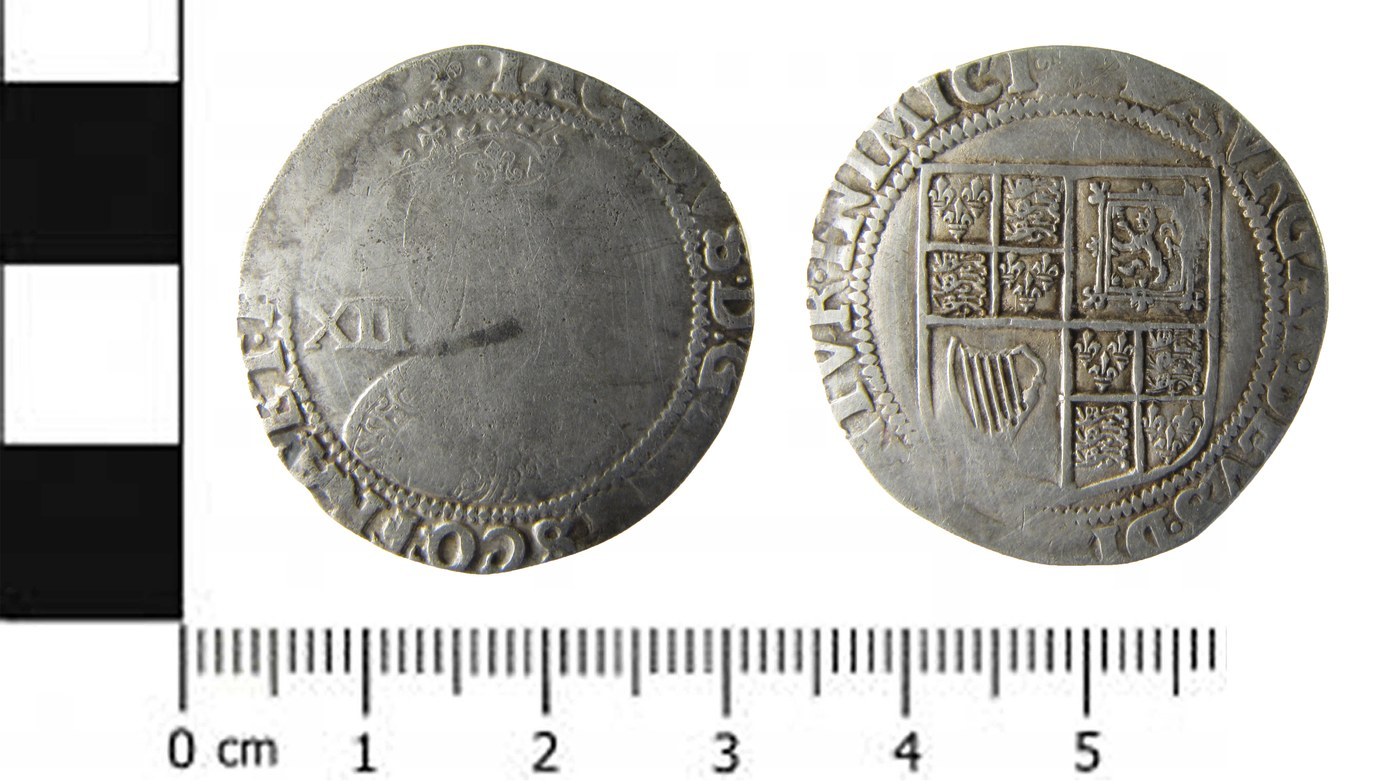
Start with the obverse and the value mark. A genuine Charles I shilling shows a crowned bust of the king facing left, with the roman numeral XII in the field indicating twelve pence. That XII is the quickest way to separate the shilling from related denominations: a sixpence is marked VI, a halfcrown and crown carry no such small numeral and are larger, and the tiny silver pennies and half-groats are much smaller.
Read the legends and find the mint mark. A Latin inscription naming Charles as king runs around the obverse, and a second legend surrounds the reverse shield. At the start of each legend sits a small symbol, the mint mark (initial mark); identifying it is the single most important step in attributing the coin, because these marks changed through the reign and distinguish Tower mint issues from scarcer provincial and Civil War strikes.
Check the reverse shield. Expect a heraldic shield divided into four quarters bearing the royal arms of England, Scotland, France and Ireland, sometimes with an oval garnished frame depending on the issue. The exact style of bust, shield and inner circle varies between issues, so note these details rather than assuming a single design.
Consider size, metal and strike. The coin should be silver and hand-struck, giving a somewhat irregular, not perfectly round flan and often slightly uneven relief. This is normal for hammered coinage. Be cautious of pieces that are suspiciously perfect and uniform, have a seam around the edge, feel greasy or light, or show casting bubbles, as these can indicate cast copies.
Authenticate carefully before paying a premium. Hammered English silver has long been counterfeited and also re-created as replicas and museum-style copies. Weigh the coin, examine surfaces under magnification for casting texture, compare the bust, shield and mint mark against reference images of documented varieties, and for any valuable example seek an experienced dealer or third-party opinion rather than relying on the seller's description alone.
Frequently asked questions
How do I tell a shilling from a sixpence of Charles I?
Check the value mark by the bust: a shilling shows XII (twelve pence) while a sixpence shows VI (six pence). The shilling is also the larger of the two coins.
Where is the mint mark and why does it matter?
The mint mark is a small symbol at the start of the legend on each side. It changed through the reign, so identifying it pins the coin to a particular mint and period and is essential for accurate attribution.
Should the coin be perfectly round?
No. It was hammered by hand, so an irregular flan and slightly off-centre strike are normal. A flawlessly round, uniform coin with a seamed edge may be a cast copy.
How can I check it is genuine?
Confirm it is silver and hand-struck, look for casting bubbles or seams that suggest a copy, compare the bust, shield and mint mark to documented varieties, and get an expert opinion before paying a significant price.