How to Identify the Severus Alexander Denarius
A guide to identifying the silver denarius of Severus Alexander (222-235 AD), covering his youthful portrait, common reverse figures, and how to weed out cast fakes.
Read the full Severus Alexander Denarius encyclopedia entry →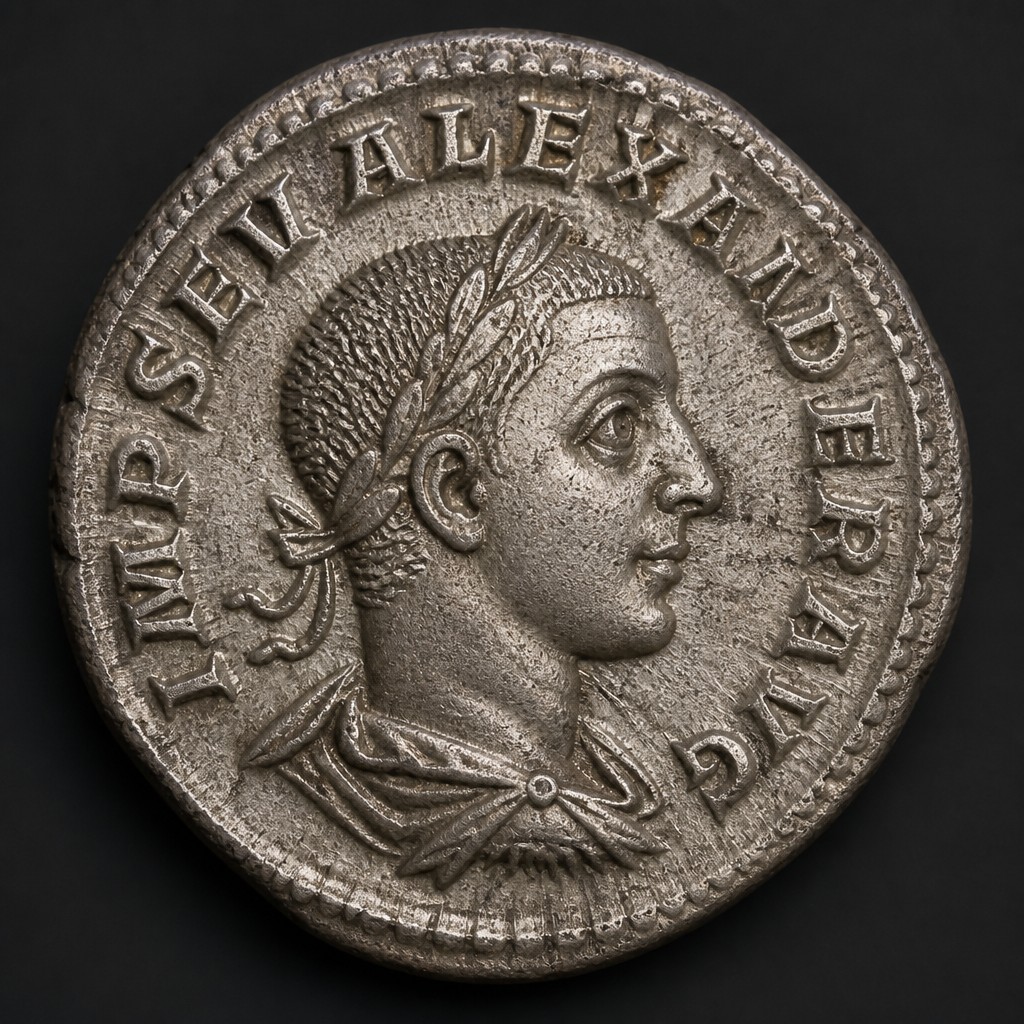
What Is the Severus Alexander Denarius?
Severus Alexander was the last ruler of the Severan dynasty, placed on the throne as a teenager in 222 AD after the murder of his cousin Elagabalus and reigning until his own assassination in 235. His denarius, a small silver coin, was struck in enormous numbers at Rome throughout his thirteen-year reign, making it one of the more affordable and commonly found third-century Roman silver coins.
Obverse Design and Inscriptions
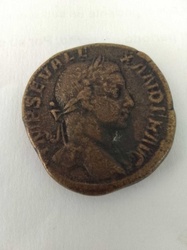
The obverse shows a laureate, beardless, youthful bust facing right, draped or draped-and-cuirassed. Early coins show a distinctly boyish face, while later issues depict a slightly older young man as he grew into his twenties. The legend usually reads IMP SEV ALEXANDER AVG, with fuller early versions such as IMP CAES M AVR SEV ALEXANDER AVG.
Reverse Design and Inscriptions
Reverse types changed constantly, tracked by his tribunician power (TR P) and consulship (COS) counts in the legend, which helps pin down a precise year. Common figures include Mars advancing with spear and shield, Jupiter standing with thunderbolt and scepter, Pax holding an olive branch, Providentia pointing at a globe, and Salus feeding a serpent from a patera.
Size, Weight, and Metal
The coin measures roughly 18-20mm across and weighs about 2.5-3.3 grams. The alloy was noticeably debased by this point, containing somewhere around 40-50% silver mixed with copper, giving surviving pieces a duller gray-white tone rather than the brighter white of earlier, purer denarii.
Mint Marks and Where to Find Them
Denarii of this era do not carry exergue mint marks the way later bronze coins do, since almost all were struck at the Rome mint. Precise dating instead comes from reading the tribunician power and consular numerals within the reverse legend.
Telling It Apart from Similar Coins
Because the portrait is young and beardless, it is easy to confuse with coins of his short-lived predecessor Elagabalus. The legend is the reliable clue: Elagabalus coins name ANTONINVS, never ALEXANDER. Coins of his mother Julia Mamaea or grandmother Julia Maesa show a female bust, an immediate visual giveaway.
Judging Condition at a Glance
Wear shows first on the hair curls above the ear, the brow, and the tip of the nose. On the reverse, check the drapery folds and the deity's raised hand or attribute for crispness. A coin retaining full hair detail and a sharp profile grades well; a smooth, flat portrait signals heavy circulation.
Authenticity Red Flags
Cast fakes typically show a seam line around the edge, a granular or pitted surface, and underweight flans compared to genuine struck coins. Tooling to sharpen worn letters, or to convert a common reverse into a rarer one, is another concern; look for unnaturally crisp lettering set against an otherwise worn field.
Frequently asked questions
How can I tell a Severus Alexander denarius from other Severan denarii?
Read the obverse legend closely - it must include ALEXANDER. The young, beardless portrait alone is not enough to identify it, since Elagabalus looked similar; the name in the inscription is the reliable identifier.
What metal is the coin made of?
A debased silver alloy of roughly 40-50% silver mixed with copper, giving it a grayer look than earlier, purer denarii.
Does this coin have a mint mark?
No. Denarii of this period were struck almost exclusively at Rome and carry no exergue mint mark; dating relies on the tribunician power and consulship numerals in the reverse legend.
How do I check whether a coin has been tooled?
Look under magnification for letters or design elements that are unnaturally sharp compared to the wear on the rest of the coin, plus any small scratch marks or an odd sheen around the altered area.
Severus Alexander Denarius identified by the community
Recent Severus Alexander Denarius coins identified with Coin Identifier.