
How to Identify the Sestertius of Commodus
A collector's guide to recognizing a Roman sestertius of Commodus by its portrait, legend, standing reverse, size, and alloy.
Read the full Sestertius of Commodus encyclopedia entry →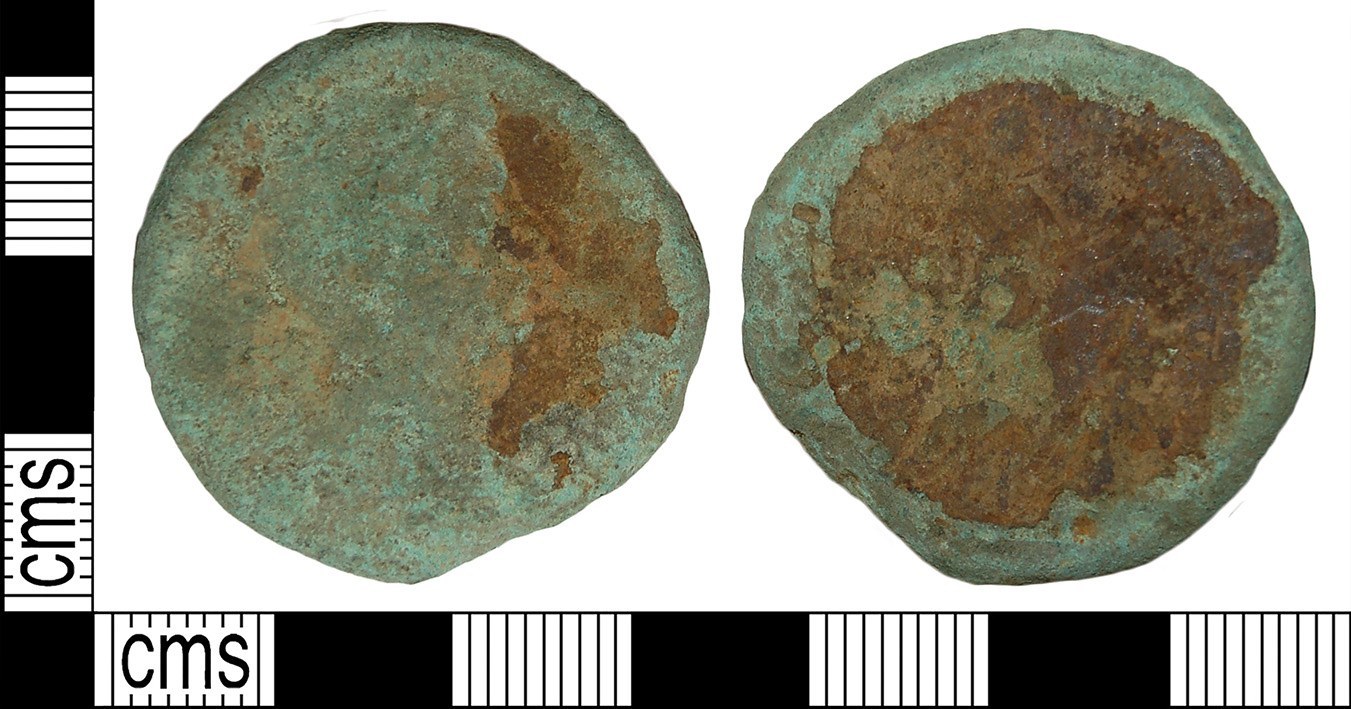
Begin by confirming the denomination through size and metal. A sestertius is one of the largest Roman coins, a thick, heavy disc of copper alloy typically around the diameter of a modern large coin. If your piece is small and silvery it is a denarius, and if it is a smaller bronze it may be a dupondius or as; the sestertius is the big bronze. Weigh and measure it and compare against reference figures for the denomination before going further.
Study the obverse portrait and legend together. Commodus is shown as a mature, bearded man facing right, usually laureate, in the Antonine portrait style. The surrounding Latin legend is the key: look for his name in forms such as M COMMODVS or L AELIVS AVRELIVS COMMODVS combined with imperial titles like ANTONINVS AVG, PIVS, FELIX, or BRIT. Because his titulature was updated almost every year, transcribing the full legend lets a specialist date the coin within the 180–192 window rather than relying on the face alone.
Read the reverse carefully. The standing figure on this coin may be a deity or a personified virtue (such as Fortuna, Providentia, Liberalitas, or Victory), and the identity is confirmed by the attributes it holds and by the legend around it. Look for the letters S C in the field, which mark it as a senatorial bronze issue and help distinguish a genuine imperial sestertius from decorative or fantasy pieces. Note any objects the figure carries, since these pin down the specific reverse type.
Watch for look-alikes and traps. Sestertii of other Antonine emperors, especially Marcus Aurelius and Lucius Verus, share the bearded portrait style, so the legend is what separates them. Cast copies, tooled surfaces, added or re-engraved detail, and outright modern forgeries all circulate; be wary of a coin whose surfaces look too smooth, whose patina is a suspiciously uniform paint-like green, or whose detail seems sharper than the wear elsewhere would suggest. Genuine strike shows metal flow and honest, layered patina.
For anything beyond casual identification, cross-reference the full legend and reverse against a standard catalog such as RIC, and seek an opinion from a reputable ancient-coin dealer or auction house. Attribution, authenticity, and grade on ancient bronzes are best confirmed in hand by a specialist rather than from photographs alone.
Frequently asked questions
How do I know it is a sestertius and not a smaller bronze?
The sestertius is the largest common Roman bronze, a thick and heavy coin noticeably bigger than a dupondius or as. Measure the diameter and weight and compare against denomination references before attributing it.
How can I tell a Commodus coin from other bearded emperors?
The portrait style is shared across the Antonine dynasty, so read the legend. Names and titles such as COMMODVS ANTONINVS AVG identify the emperor, whereas Marcus Aurelius or Lucius Verus will carry their own name forms.
What should make me suspect a fake?
Be cautious of surfaces that look too smooth or freshly tooled, a uniform paint-like patina, detail sharper than the surrounding wear allows, or a coin with no strike-related metal flow. Cast and re-engraved forgeries of Commodus bronzes exist.
How do I identify the standing figure on the reverse?
Note what the figure holds and how it stands, then match it to the reverse legend and a catalog like RIC. Attributes such as a cornucopia, rudder, patera, or wreath point to specific deities or personified virtues.