
How to Identify the Sestertius of Antoninus Pius
Collector checks for the large bronze Antoninus Pius sestertius: portrait, legend, standing reverse figure, size, S C mark, and authentication.
Read the full Sestertius of Antoninus Pius encyclopedia entry →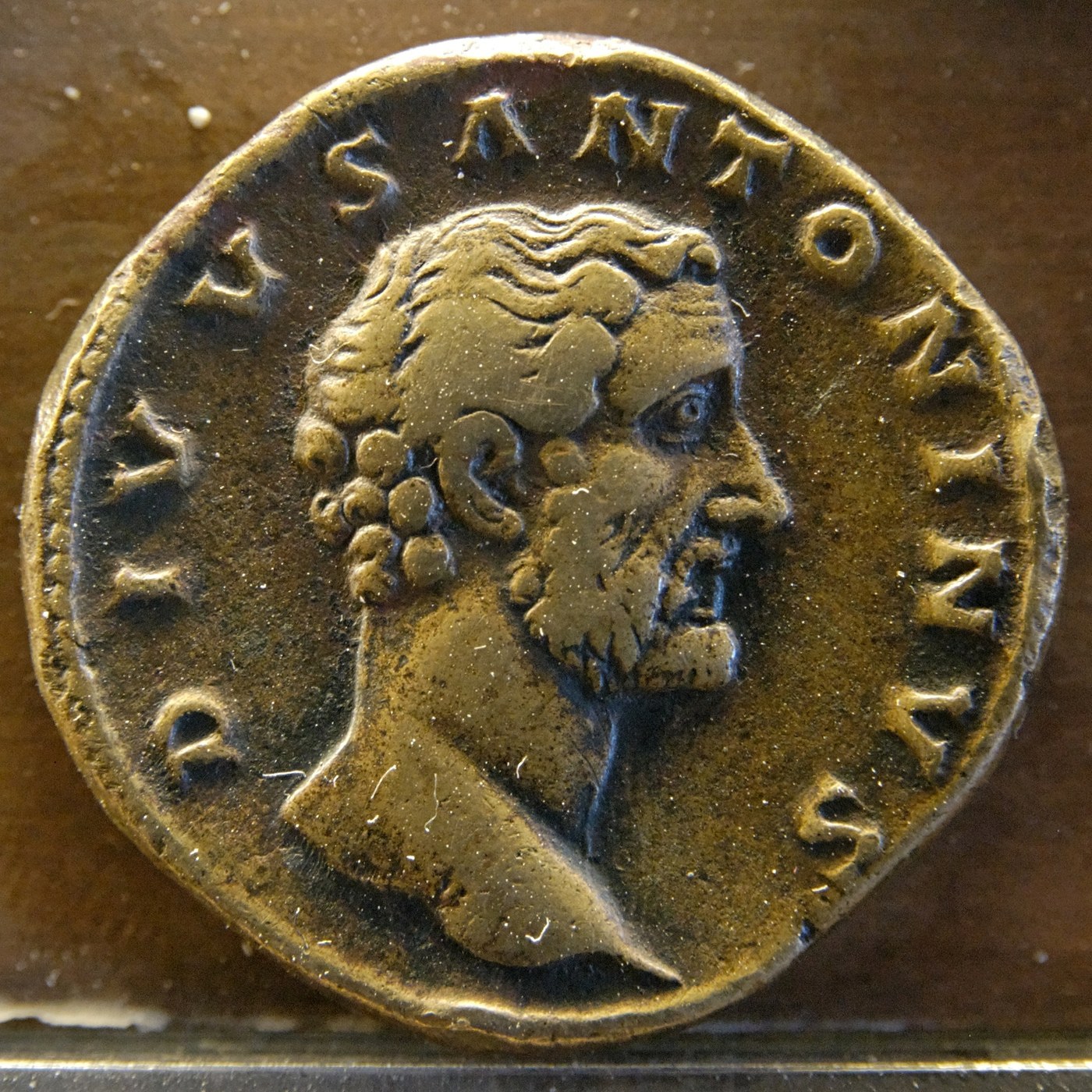
Start with size and metal. A sestertius is a large bronze coin, typically about 30-34 mm in diameter and clearly heavy in hand, with a brown or green patina from age. If your coin is much smaller or lighter, it may be a lower bronze denomination such as an as or dupondius sharing similar designs, or a silver denarius of the same emperor.
Read the obverse portrait and legend. Antoninus Pius is shown as a mature, bearded man in profile, and the surrounding Latin legend names him with abbreviated titles that generally begin with elements like ANTONINVS AVG PIVS. The titles, including references to consulships and tribunician power, can help place a coin within the 138-161 AD reign, though they require reference works to read fully.
Examine the reverse. Look for a full-length standing figure within the circular field, usually draped and holding attributes such as a scepter, patera, cornucopia, or wand; this is commonly a personification like Providentia, Pietas, or Salus. Find the letters S C in the field, which confirm a Senate-authorized bronze issue, and read the reverse legend, which names the figure or virtue depicted.
Be aware of look-alikes and related pieces. Denarii of Antoninus Pius carry similar portraits and reverses but are small silver coins, not large bronzes. Bronze coins of his adoptive predecessor Hadrian, his successor Marcus Aurelius, or his wife Faustina can resemble his sestertii; always confirm the name in the obverse legend rather than relying on the portrait alone.
Authenticate with care. Ancient bronzes are frequently cleaned, tooled, re-patinated, or cast as fakes, and genuine coins are sometimes heavily restored. Check for casting seams, an unnaturally smooth or powdery surface, and repaired or 'painted' patina. Because condition and originality drive value, seek third-party attribution or an experienced ancient-coin dealer before buying or selling a significant piece.
Frequently asked questions
How do I tell a sestertius from a denarius of the same emperor?
A sestertius is a large bronze coin about 30-34 mm across with an S C on the reverse, while a denarius is a small silver coin roughly 17-19 mm across without the S C bronze marking.
How can I be sure the portrait is Antoninus Pius and not another emperor?
Read the obverse legend rather than judging by the beard alone. Names like ANTONINVS AVG PIVS identify him; related emperors such as Hadrian or Marcus Aurelius are named differently in their legends.
Does the exact reverse figure matter for identification?
Yes. The standing figure and its attributes, together with the reverse legend, identify the specific type, such as Providentia or Pietas. This affects both attribution and collector interest.
What are the biggest authenticity risks with these coins?
Modern casts, tooled details, and artificially applied patina are common. Look for casting seams, unnatural surfaces, and heavy 'restoration,' and get expert confirmation for valuable examples.