How to Identify the Septimius Severus Denarius
A silver denarius of Septimius Severus, founder of the Severan dynasty, identified by his bearded portrait, accumulating Eastern victory titles, and huge range of military reverse types.
Read the full Septimius Severus Denarius encyclopedia entry →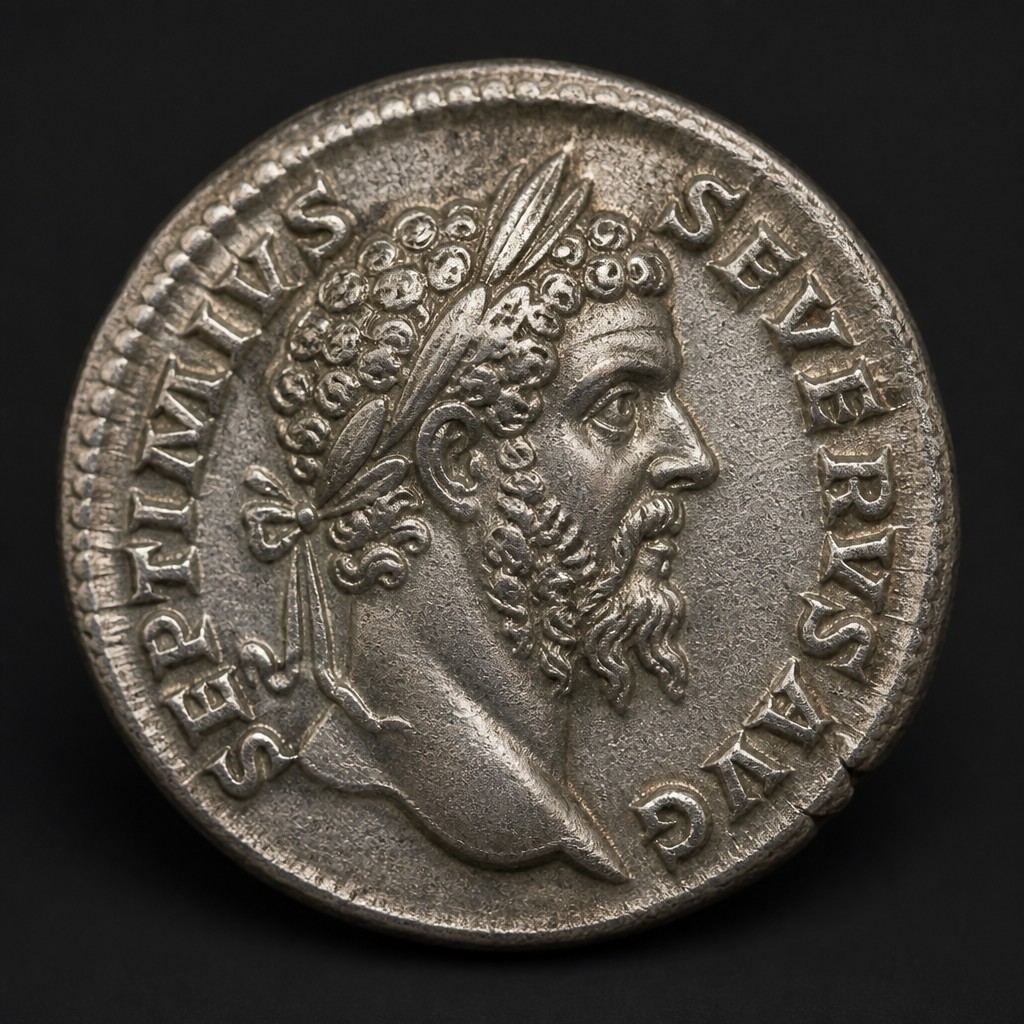
What the Coin Is
Septimius Severus founded the Severan dynasty, ruling from AD 193 to 211 after emerging victorious from a civil war following the "Year of the Five Emperors." His denarius coinage is prolific and reflects a reign heavily focused on the military and successful campaigns in the East.
Obverse Design & Inscriptions
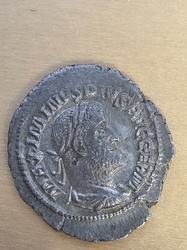
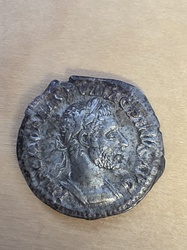
The obverse shows a laureate head of Severus right; later portraits depict him with a long, forked beard styled in ringlets, a distinctive feature of his mature image. The legend generally reads L SEPT SEV AVG IMP, with victory titles accumulating over the reign such as PART MAX (Parthicus Maximus), ARABICVS, and ADIABENICVS, reflecting successive Eastern campaigns.
Reverse Design & Inscriptions
Reverse types are unusually numerous, including a well-known series of "Legionary" denarii naming individual legions (with the abbreviation LEG followed by a numeral and the legion's emblem, such as an eagle, bull, or other standard), struck to reinforce troop loyalty. Other reverses include Victory, Mars, Fortuna, Dea Caelestis riding a lion, and Providentia types, along with joint issues referencing his sons Caracalla and Geta.
Size, Weight, Metal & Edge
The coin measures roughly 18mm across and weighs about 2.7-3.2 grams, reflecting continued debasement with silver fineness typically in the 50-60 percent range. The edge is plain.
Mint Marks & Where to Find Them
Most coins were struck at Rome, but Severus also operated an Eastern mint (associated with Laodicea or Emesa) whose products often show a noticeably different, sometimes cruder engraving style and a different bust truncation than the Rome issues, offering a useful clue for identifying the mint of origin even without a formal mint-mark letter.
Telling It Apart from Similar Coins
Compare the obverse portrait to his son Caracalla's early joint coinage: Caracalla as Caesar is shown as a beardless youth with the legend M AVR ANTON CAES, clearly distinct from his father's mature, heavily bearded appearance and full AVG titulature. Accumulating victory titles (PART MAX, ARABICVS, ADIABENICVS) also help narrow the approximate date within Severus's own reign.
Judging Condition & Grade at a Glance
Check the curl definition within the beard and the legibility of the legend near the worn rim, since these are usually the first areas to flatten with circulation. Legionary-type reverses should be checked for clarity of the legion's emblem, as collectors place a premium on well-struck, clearly identifiable examples.
Authenticity Red Flags
Because silver fineness was already low during this period, genuine coins can appear duller than earlier, purer denarii, making it easier for silver-washed base-metal fourrées to pass casual inspection; a specific-gravity test or close look at the edge for an exposed copper core is worthwhile. The popular and valuable Legionary series in particular is a frequent target for smoothed or tooled surfaces meant to sharpen a worn or corroded coin, so examine suspiciously crisp examples carefully under magnification.
Frequently asked questions
How do I distinguish Septimius Severus from his son Caracalla on joint-era coins?
Severus is shown as a mature, heavily bearded man with full AVG imperial titles, while Caracalla's early coins as Caesar show a beardless youth with the legend M AVR ANTON CAES and no AVG.
What are Legionary denarii?
They are a special series naming individual Roman legions with an emblem such as an eagle or bull, struck to reinforce loyalty among the troops who had supported Severus's rise to power.
How can I tell if a coin came from the Eastern mint rather than Rome?
Eastern mint issues often show a somewhat cruder engraving style and different bust truncation compared to the more refined Rome mint products, even without a formal mint-mark letter.
What silver purity is typical for this reign?
Severus's denarii were struck at a reduced fineness compared to earlier in the second century, generally in the 50-60 percent silver range.
Why are Legionary-type coins particularly at risk of tooling?
Their popularity and higher collector value make them an attractive target for surface smoothing or re-engraving meant to disguise wear or corrosion and present a falsely sharper coin.
Septimius Severus Denarius identified by the community
Recent Septimius Severus Denarius coins identified with Coin Identifier.