
How to Identify the Seljuk Copper Fals
A base-metal Islamic coin of the Seljuk dynasties, notable for combining Arabic religious inscriptions with unusual figural imagery like lions, eagles, or a sun-face.
Read the full Seljuk Copper Fals encyclopedia entry →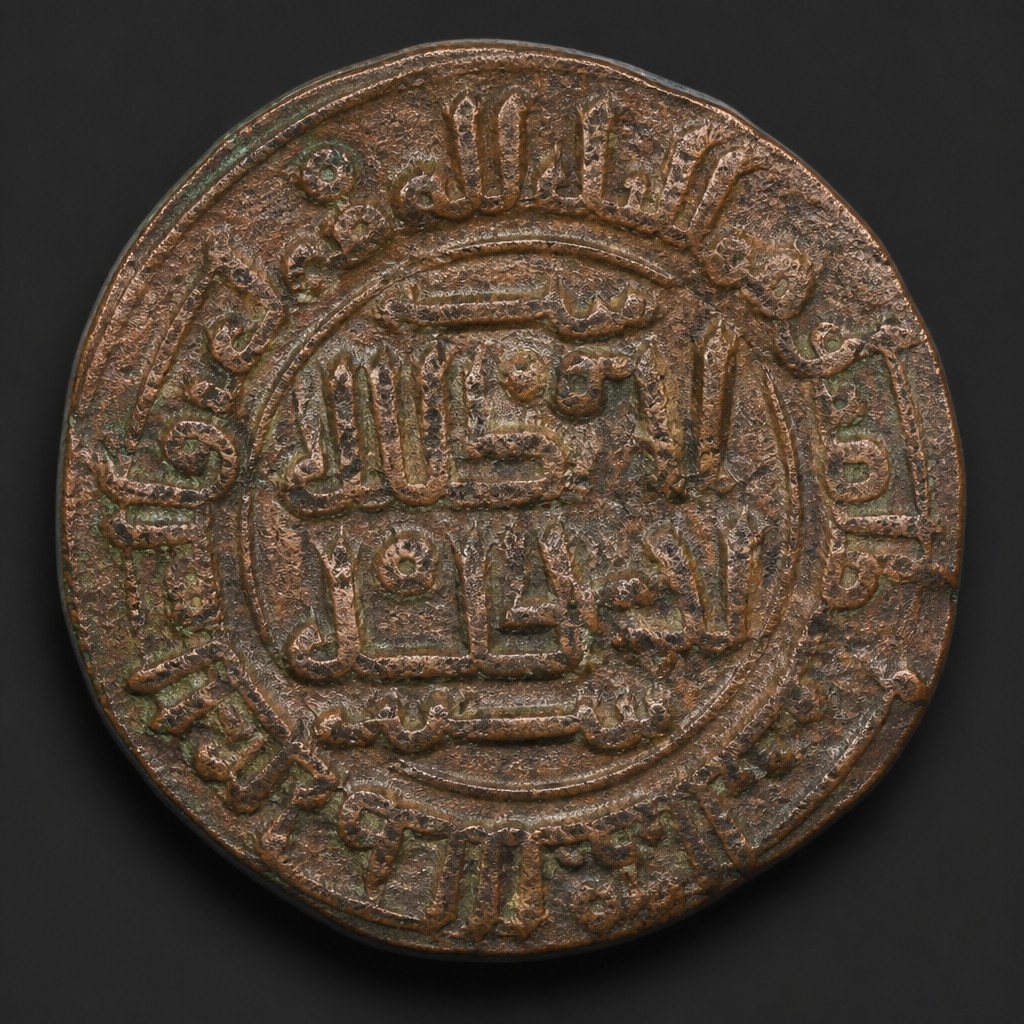
What It Is
The fals (plural fulus) was the everyday copper coin of the medieval Islamic world, and the Seljuk dynasties, including the Great Seljuks of Iran and Iraq and especially the Seljuks of Rum in Anatolia, produced a particularly rich and visually striking series of these coins from the 11th through 13th centuries. As small-value coinage used for local, everyday transactions, fulus were struck in large quantities and at many different local mints, resulting in significant variety even within a single ruler's reign.
Obverse Design
Most Seljuk fulus carry Arabic inscriptions in Kufic or Naskh script conveying religious formulas such as the Islamic declaration of faith (the Shahada), along with the name of the reigning sultan and often an acknowledgment of the Abbasid caliph as a nominal overlord.
Reverse Design
What makes many Seljuk fulus, particularly those of the Seljuks of Rum, especially recognizable is unusual figural imagery unexpected in Islamic coinage, including lions, eagles, a sun-face, a mounted horseman, or fantastical creatures such as a sphinx, often filling the field alongside or instead of purely textual designs.
Size, Weight, and Metal
Seljuk copper fulus have no single fixed weight standard, since local mints adjusted weight and size considerably by period and region; diameters commonly range from about 20 to 30mm, and the copper often shows heavy corrosion or a dark patina from long burial or circulation.
Mint Marks and Where to Find Them
The mint city and the date of striking are typically spelled out in Arabic within the coin's inscriptions rather than shown as a separate symbol, following standard Islamic numismatic practice, so identifying the mint requires reading the full legend.
Telling It Apart from Similar Coins
Contemporary Ayyubid and Artuqid rulers in the wider region also issued figural copper coinage, so distinguishing a Seljuk fals from these requires reading the ruler's name and titles in the inscription rather than relying on the figural imagery alone, since animal and astrological motifs were shared stylistic trends across several dynasties of the period.
Judging Condition at a Glance
Because these are base-metal coins that often circulated heavily and suffered corrosion, judge condition mainly by how much of the Arabic legend and figural design remains legible under the patina, rather than expecting the surface preservation typical of silver or gold coinage. A coin where the ruler's name and the central figural motif can both still be read is considered notably better preserved than the many examples found heavily encrusted or worn smooth.
Authenticity Red Flags
Be cautious of coins with suspiciously uniform, bubbly, or pitted surfaces suggesting a modern cast copy, filed or altered edges, or a weight and thickness inconsistent with genuine hand-struck examples, and compare the ruler's name and titulature against documented Seljuk issues.
Frequently asked questions
Why does an Islamic coin show animals or a human face?
Seljuk rulers, especially the Seljuks of Rum, broke from the more common purely textual Islamic coin design by incorporating figural imagery such as lions, eagles, or a sun-face, a distinctive regional and period trend.
How do I find the mint and date on the coin?
They are written out in Arabic as part of the coin's inscriptions rather than shown as a separate mark, so reading the full legend is necessary to identify them.
How is a Seljuk fals different from an Ayyubid or Artuqid copper coin?
The figural imagery style can look similar across these dynasties, so distinguishing them relies on reading the ruler's specific name and title in the Arabic inscription.
Why is the surface of my coin so rough or dark?
Copper fulus corrode more readily than silver or gold coins, so a dark patina, pitting, or roughness from long burial or circulation is common and expected on genuine examples.