How to Identify the Russian Ruble (Imperial)
A visual guide to Imperial Russian silver rubles, explaining the tsar's portrait, the double-headed eagle reverse, edge lettering, and how to distinguish different reigns.
Read the full Russian Ruble (Imperial) encyclopedia entry →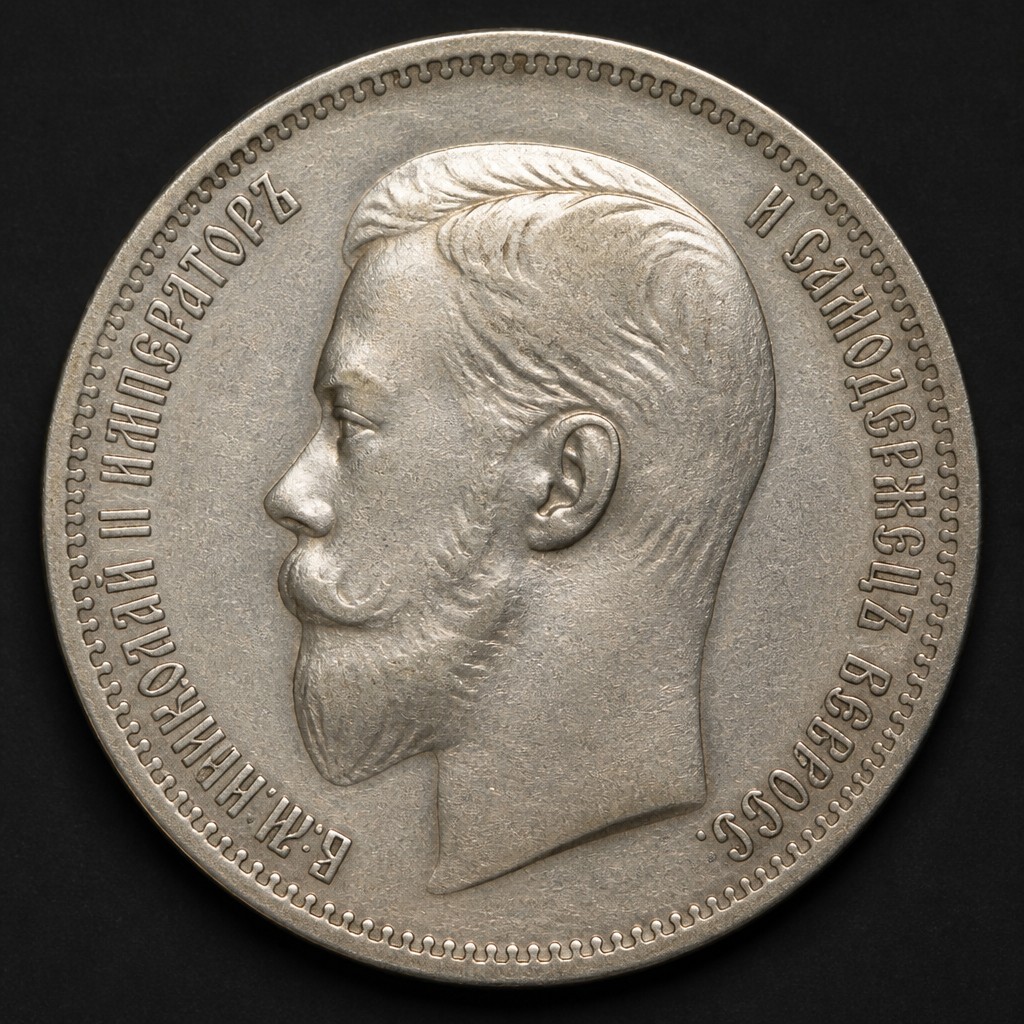
What Is the Imperial Russian Ruble?
The ruble was the principal silver coin of the Russian Empire, struck under successive tsars from the early 18th century until the fall of the empire in 1917. Because the design changed with each ruler, identifying a ruble usually starts with identifying whose portrait appears on it.
Obverse Design
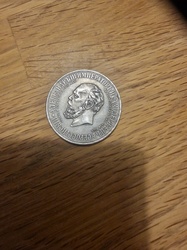
Most Imperial rubles show a right- or left-facing portrait bust of the reigning tsar (or, in a few cases, a tsarina) in formal dress, surrounded by a legend giving the ruler's name and title in Russian, typically abbreviated Cyrillic text such as "B.M." (by the grace of God) followed by the emperor's name and "IMPERATOR I SAMODERZHETS VSEROSSIYSKIY" (Emperor and Autocrat of All Russia).
Reverse Design
The reverse carries the Imperial double-headed eagle, usually crowned, sometimes with a shield on its breast bearing St. George slaying the dragon. Surrounding the eagle is the denomination "1 РУБЛЬ" (1 Ruble) along with the year of issue and mintmaster initials in small letters near the base of the design.
Size, Weight, Metal, and Edge
Imperial silver rubles are generally around 33-36 mm in diameter and weigh approximately 18-20 grams, minted in .868 to .900 fine silver depending on the period. The edge often carries an incuse or raised lettered inscription stating the silver content and mint, an important detail for confirming genuineness and denomination.
Mint Marks and Mintmaster Initials
Small initials appear near the rim on either the obverse or reverse, identifying the mintmaster overseeing production at the St. Petersburg mint (the primary mint for rubles), which help narrow down the exact year and variety when combined with the date.
Telling It Apart from Similar Coins
Because portraits changed frequently, rubles are commonly confused between different tsars of similar coiffure (particularly Alexander I, Nicholas I, and Alexander II), so the exact facial features, hair style, and legend wording should always be checked against the specific reign rather than assumed from a general "old Russian coin" appearance. Commemorative rubles, which have special reverse designs (busts, monuments, or historical scenes) rather than the eagle, form a separate identification category.
Judging Condition
Grade is assessed by the crispness of the portrait's hair detail and facial features, the sharpness of the eagle's feathers and crown details, and how much luster or wear shows in the open fields. Cleaning, which leaves an unnaturally bright or hairline-scratched surface, is common on older Russian silver and lowers desirability even when the design details remain sharp.
Authenticity Red Flags
Because early Imperial rubles carry meaningful silver and collector value, cast counterfeits with soft, mushy design details, incorrect edge lettering, or a seam line around the edge are the most frequent problem. Comparing the exact style of the portrait and eagle to a specific known-year reference and weighing the coin are the most reliable simple checks before assuming a piece is genuine.
Frequently asked questions
How do I know which tsar is on my ruble?
Compare the portrait's hairstyle, facial features, and the ruler's name spelled out in the Cyrillic legend around the bust to reference images of each reign.
What metal are Imperial rubles made of?
They are silver, typically .868 to .900 fine, with a small number of special gold and platinum issues existing outside the standard silver ruble series.
What do the small letters near the rim mean?
Those are mintmaster initials that, combined with the date, help pinpoint the exact minting period and variety.
Why does the edge have lettering?
Many Imperial rubles have incuse edge inscriptions stating the silver weight and fineness, which served as a public guarantee of the coin's precious metal content.
Russian Ruble (Imperial) identified by the community
Recent Russian Ruble (Imperial) coins identified with Coin Identifier.