
How to Identify the Quarter Guinea
The Quarter Guinea is a tiny gold coin worth five shillings and threepence, struck only in 1718 under George I and again in 1762 under George III.
Read the full Quarter Guinea encyclopedia entry →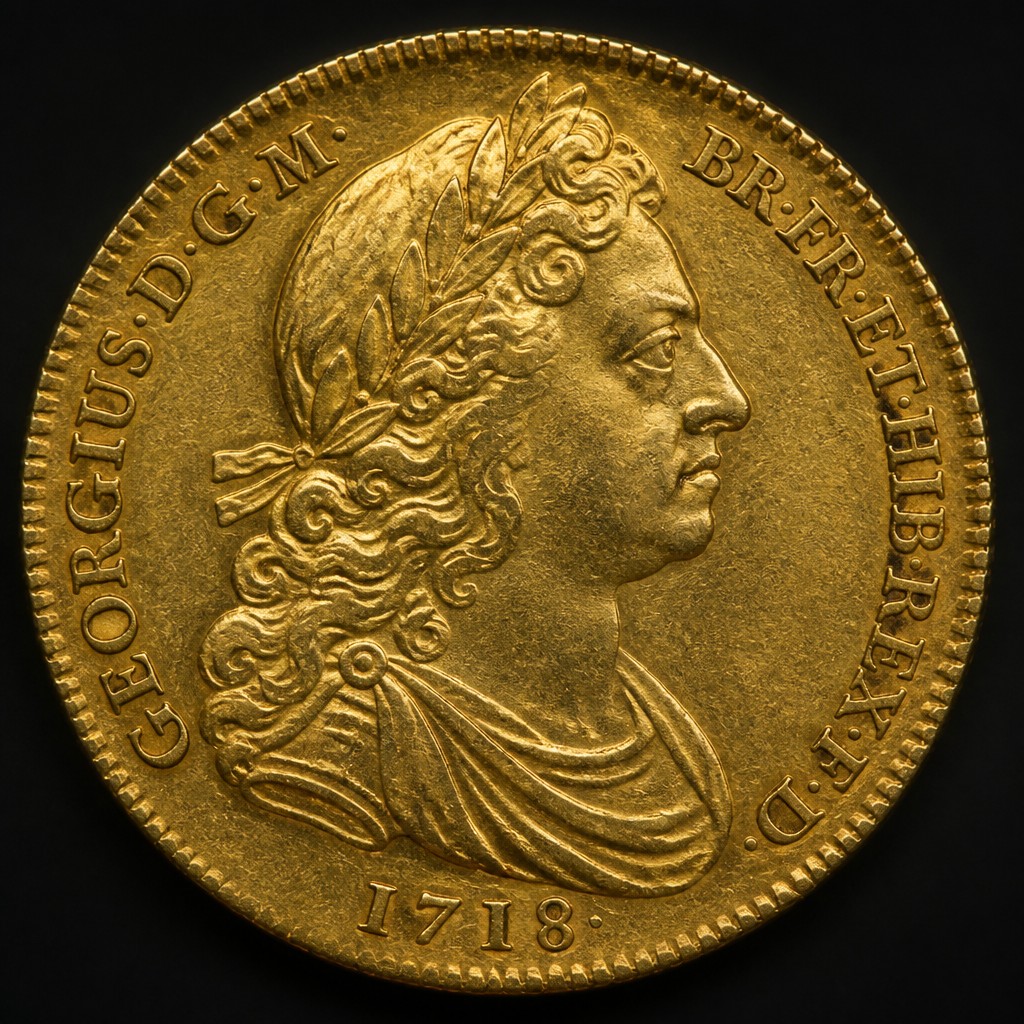
What Is It
The Quarter Guinea is one of the smallest gold denominations ever regularly struck by the Royal Mint, worth one-quarter of a guinea, or five shillings and threepence. Unlike most denominations that were struck across many years, the Quarter Guinea was issued in only two isolated years: 1718 under George I, and again in 1762 under George III. Its impracticality, being small, thin, and easily confused with other coins, likely discouraged further production.
Obverse Design
The 1718 issue shows George I's laureate bust facing right with his Latin royal titles around the rim. The 1762 issue instead shows George III's youthful bare head, also facing right, with a similarly styled Latin legend appropriate to his reign.
Reverse Design
Both issues carry a crowned shield of the royal arms of their respective periods, with the date placed below or around the shield, following the standard reverse layout used on contemporary guinea coinage.
Size, Weight, and Metal
The Quarter Guinea is struck in 22-carat gold, weighs only about 2.1 grams, and measures roughly 15mm in diameter, making it noticeably smaller and thinner than even the Third Guinea. Its diminutive size made it easy to lose or mistake for other small coins of the era.
Mint Marks and Where to Find Them
All Quarter Guineas were produced at the Royal Mint in London, so no branch mint marks appear. Because only two dates exist, confirming the date on the coin is usually all that is needed to identify it precisely.
Telling It Apart from Similar Coins
Because only two issue years exist (1718 and 1762), any coin matching this small size and style but bearing a different date is not a genuine Quarter Guinea. The Third Guinea, introduced later in 1797, is a useful comparison: while similar in concept, it is a different size and belongs to a different, later period of gold coin history.
Judging Condition at a Glance
Given their small size and limited striking, wear appears quickly on the monarch's portrait, especially the hair and laurel wreath (on the 1718 issue) or the bare head curls (on the 1762 issue). Because Quarter Guineas were minted in only two short runs and are scarce today, well-preserved examples with sharp detail are especially prized, while heavily worn or damaged pieces are more commonly encountered.
Authenticity Red Flags
Given their rarity and value, Quarter Guineas are a target for counterfeiting and alteration, including coins with dates tooled or altered to appear as 1718 or 1762. Careful examination of the date area for tool marks, an incorrect weight or diameter, or design details that do not match known genuine examples of the correct date are all warning signs that a piece may not be authentic.
Frequently asked questions
In which years was the Quarter Guinea struck?
It was struck only in 1718 under George I and again in 1762 under George III, making it one of the shortest-lived denominations in British coinage.
Why was the Quarter Guinea discontinued so quickly?
Its small, thin size made it impractical and easy to lose or confuse with other coins, likely discouraging the Royal Mint from continuing regular production.
How much was a Quarter Guinea worth?
It was worth one-quarter of a guinea, equal to five shillings and threepence in pre-decimal British currency.
How can I be sure a Quarter Guinea's date is genuine?
Since only 1718 and 1762 are legitimate dates, examine the date area closely under magnification for signs of tooling or alteration, since any other date on a similar coin would indicate it is not authentic.