
How to Identify the Postumus Antoninianus
An identification guide to the antoninianus of Postumus (260-269 AD), the breakaway ruler of the Gallic Empire, known for unusually well-made coinage and Hercules-themed reverses.
Read the full Postumus Antoninianus encyclopedia entry →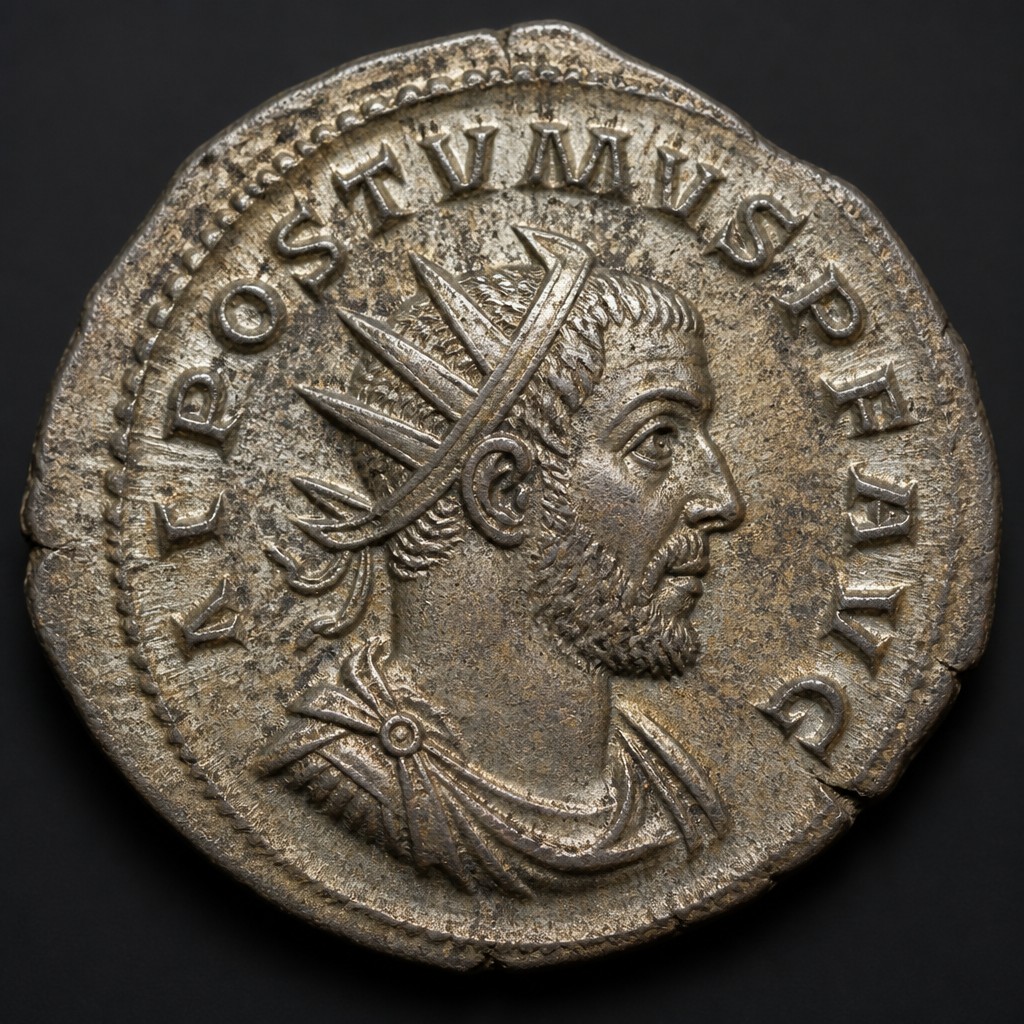
What Is the Postumus Antoninianus?
Postumus was a Roman general who broke away from central imperial authority in 260 AD to found the so-called Gallic Empire, ruling Gaul, Britain, and Spain independently until 269 while running a full Roman-style coinage and administration of his own. His antoninianus is notable for unusually high artistic quality compared to the crude central-empire coinage being produced by Gallienus in the same years.
Obverse Design and Inscriptions
The obverse shows a radiate, cuirassed bust right with an unusually robust, heavy-featured portrait style. The legend reads IMP C POSTVMVS PF AVG or close variants; some special issues depict him with attributes associated with Hercules, a deity he actively promoted.
Reverse Design and Inscriptions
Hercules-themed types are especially characteristic, reflecting Postumus's promotion of a Hercules cult tied to his Rhine frontier campaigns. Other common reverses include Moneta standing with scales and cornucopia, Fides Militum, Salus, Neptune, and Serapis.
Size, Weight, and Metal
The coin measures roughly 21-23mm and weighs about 3-4 grams, generally better silvered and better struck than contemporary central-empire issues of the same years.
Mint Marks and Where to Find Them
Coins were struck at Gallic mints, primarily Cologne and Trier, identifiable more by die style and portrait treatment than by an explicit mint letter in the exergue.
Telling It Apart from Similar Coins
Distinguish Postumus from the other short-lived Gallic Empire rulers who followed him - Laelianus, Marius, Victorinus, and the two Tetrici - by the legend name, since all share a broadly similar radiate portrait style. Numerous "barbarous radiate" imitations of Postumus and his successors also circulated at the time; these unofficial copies are smaller, cruder, and often carry blundered or illegible lettering, and are collected as their own distinct category rather than treated as official issues.
Judging Condition at a Glance
Check the radiate crown's points, the cheek, and the reverse figure's raised limbs for wear, using the same criteria as other well-struck third-century antoniniani.
Authenticity Red Flags
Because official Postumus coins are generally well made, a crude, poorly centered strike more likely indicates a period "barbarous" imitation than a modern fake. Modern casts also exist, however, and show the usual seam and porous-surface signs regardless of which category a rough-looking coin might otherwise suggest.
Frequently asked questions
Why is Postumus's coinage considered unusually well-made for the period?
As ruler of the breakaway Gallic Empire, he maintained a well-run mint at Cologne and Trier producing sharper, better-silvered coins than the crude central-empire issues of Gallienus being struck at the same time.
What are 'barbarous radiates' and how do they relate to Postumus?
They are unofficial, locally made imitations of official radiate coins like Postumus's, typically smaller and cruder with blundered lettering; they are collected separately from genuine official issues.
How do I tell Postumus apart from later Gallic Empire rulers like Victorinus or the Tetrici?
All share a similar radiate portrait style, so the legend naming the emperor is the reliable way to distinguish between them.
What reverse type is most associated with Postumus?
Hercules-themed reverses, reflecting his promotion of a Hercules cult connected to his campaigns along the Rhine frontier.