How to Identify the Peruvian Sol de Oro
A twentieth-century Peruvian circulating coin whose name refers to the gold monetary standard rather than its actual metal, identified by the national arms and a wreathed value on the reverse.
Read the full Peruvian Sol de Oro encyclopedia entry →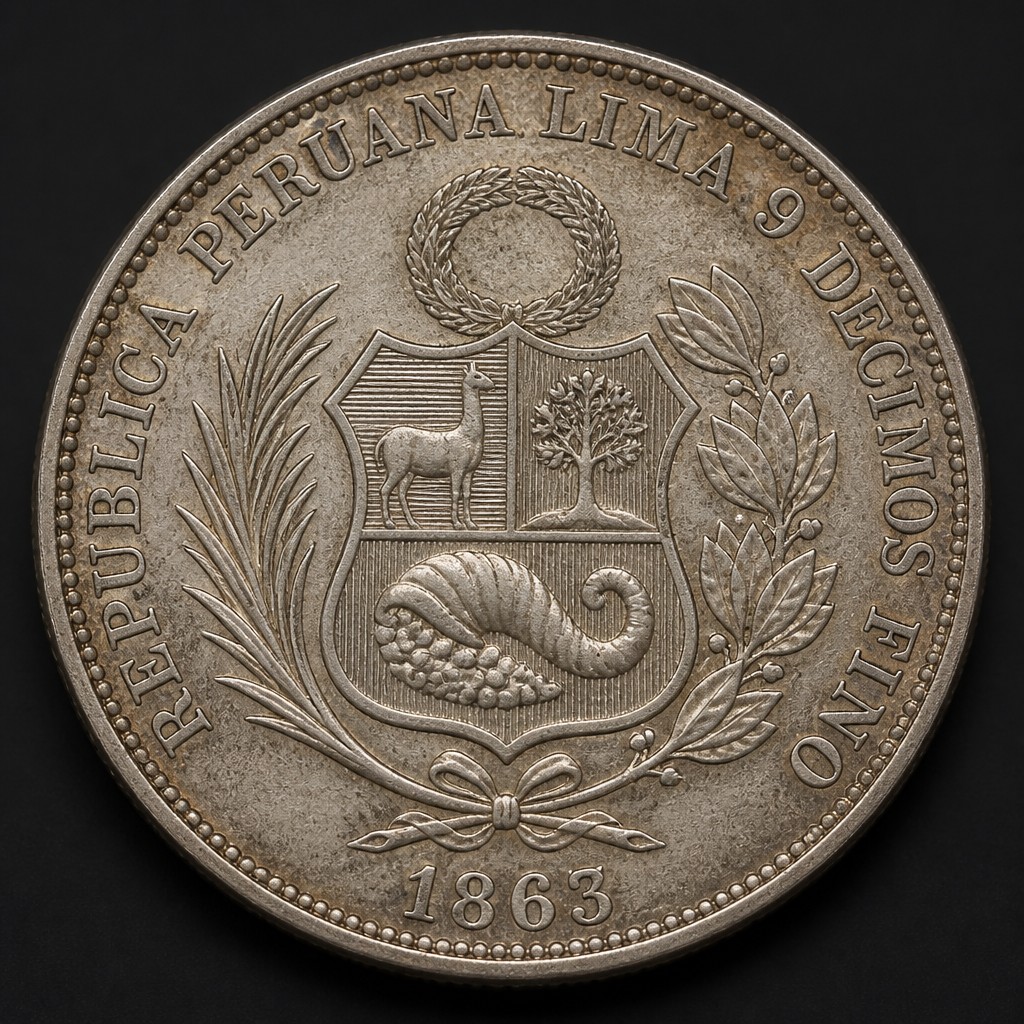
What It Is
Despite its name, the Sol de Oro was not typically a gold coin; the name refers to Peru's gold-standard currency system rather than the coin's composition. It circulated as Peru's standard monetary unit for several decades in the twentieth century, produced in a range of metals as the country adjusted coinage over time, before being replaced by the Inti in the 1980s.
Obverse Design
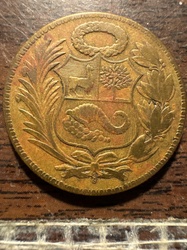
The obverse displays Peru's national coat of arms: a shield divided into sections showing a vicuña, a cinchona tree, and a cornucopia spilling coins, symbols representing the country's animal, plant, and mineral wealth. The national name and sometimes a laurel or palm branch border frame the shield.
Reverse Design
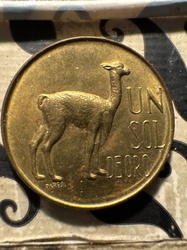
The reverse states the coin's value, "UN SOL DE ORO" or a corresponding denomination for smaller or larger issues, typically within a wreath, along with the date of striking.
Size, Weight, and Metal
Because this coin was issued over a long span with changing economic conditions, its composition changed more than once, moving between silver, copper-nickel, brass, and other base-metal alloys, along with corresponding changes in size and weight across different periods. Checking the specific date helps identify which composition era a given coin belongs to.
Mint Marks
Peruvian coinage of this era was generally produced at a single national mint, so there is typically no separate mint-mark system to check; the date and design details are the primary tools for identifying a specific issue.
Telling It Apart from Similar Coins
This coin can be confused with the earlier silver "Un Sol" featuring a seated Liberty figure, which predates the Sol de Oro series. The clearest distinction is the reverse design: the Sol de Oro shows the value in a wreath without a human figure, while the earlier silver sol shows a seated allegorical figure.
Judging Condition
On well-struck examples, the fine details of the shield's vicuña, tree, and cornucopia remain distinct, and the wreath and lettering on the reverse are crisp. Wear typically appears first on the raised shield details and the highest points of the wreath.
Authenticity Red Flags
Because many Sol de Oro coins are common, low-value pieces, they are not a major counterfeiting target, but it is still worth checking that the coat of arms details and lettering match genuine references and that the coin's weight and metal color are consistent with the composition expected for its date.
Historical Background
The long production run of this coin means examples turn up frequently in mixed lots of old world coinage, often alongside the earlier seated-figure sol and later Peruvian currency. Because the coin's name references a monetary standard rather than its physical makeup, new collectors are sometimes surprised to learn that a "gold sol" in their hands is actually silver or base metal, which is itself a useful reminder to always verify a coin's material rather than assuming it from the name alone.
Frequently asked questions
Was the Sol de Oro actually made of gold?
No, despite the name, it was generally struck in silver or later base metals; 'de oro' refers to Peru's gold-standard monetary system rather than the coin's actual composition.
Why did the metal composition of this coin change over time?
Economic conditions and metal costs led Peru to adjust the coin's composition more than once during its long circulation period, moving between silver and various base-metal alloys.
How is this different from the earlier seated Liberty Peruvian sol?
The Sol de Oro reverse shows the value within a wreath with no human figure, while the earlier silver sol features a seated allegorical figure on its reverse.
What replaced the Sol de Oro?
It was eventually replaced by the Inti as Peru's currency unit in the 1980s amid economic changes.
Peruvian Sol de Oro identified by the community
Recent Peruvian Sol de Oro coins identified with Coin Identifier.