
How to Identify the Persian Kran (Qajar silver)
A common silver coin of Qajar-dynasty Persia, typically bearing the lion-and-sun emblem or a shah's portrait, used widely as everyday circulating currency.
Read the full Persian Kran (Qajar silver) encyclopedia entry →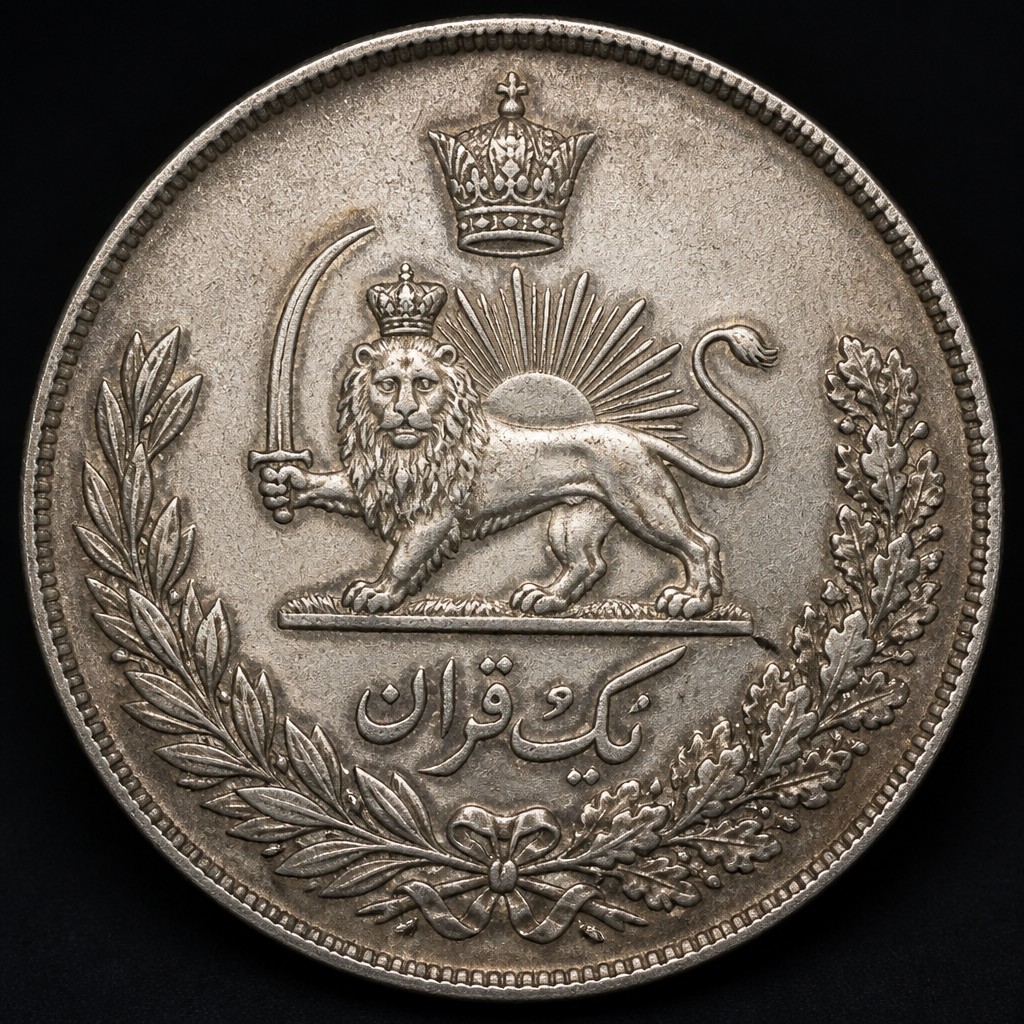
What Is the Qajar Kran?
The kran was a silver denomination of Qajar Persia, serving as a widely circulated everyday coin roughly one-tenth the value of the gold toman, and it was struck in large quantities across the dynasty's long reign, making it one of the more commonly encountered Qajar-era coins today. Its abundance and relatively affordable silver content have made it a popular entry point for collectors interested in Persian and Middle Eastern coinage more broadly.
Obverse Design
As with the gold toman, earlier krans commonly feature the Lion and Sun (Shir-o-Khorshid) emblem, while later 19th-century issues under shahs such as Naser al-Din Shah introduced portrait busts, reflecting the same design evolution seen in the era's gold coinage.
Reverse Design
The reverse carries a Persian inscription naming the shah, the mint city, and the Hijri date, generally within a decorative border consistent with the ornate engraving style of Qajar dies.
Size, Weight, and Metal
The kran was struck in silver at a fineness and weight that varied somewhat by date and mint, generally smaller and lighter than larger Qajar silver denominations (such as the five-kran coin) but larger than the smallest fractional silver pieces. Comparing a coin's size to known kran specifications for its specific date helps confirm the denomination.
Mint Marks
The mint city appears spelled out within the Persian inscription rather than as an abbreviated mint letter; Tehran was a major mint, though provincial mints also struck krans during various periods. Because the inscription is written in Persian script rather than Latin letters, matching unfamiliar mint names against a reference list is often the quickest path to a confident identification.
Telling It Apart from Similar Coins
Because Qajar silver coinage included several related denominations (half-kran, kran, and multi-kran pieces), compare the coin's size and weight, and check the numeral or wording indicating denomination within the inscription, rather than assuming size alone is a reliable guide across a century of varying minting standards. It also helps to compare the portrait or emblem style against reference examples for a specific shah's reign, since design details shifted gradually and can help confirm an approximate date range even when the exact year is hard to read.
Condition and Grading at a Glance
Examine the lion's mane and sun's rays (on emblem-style coins) or the shah's facial features (on portrait-style coins) for wear, along with the surrounding inscription's legibility. Heavily circulated krans often show a smoothed central design with only the deeper recesses of the inscription remaining sharp.
Authenticity Red Flags
Verify weight and diameter against known specifications for the specific date and mint, and check that the Persian calligraphy is cleanly and correctly formed. Also compare the coin's silver tone and ring when tapped, since base-metal reproductions often sound noticeably duller than genuine silver.
Frequently asked questions
How many krans equal one toman?
The kran was traditionally valued at roughly one-tenth of the gold toman under the Qajar monetary system.
What's the difference between a kran and a half-kran?
They are related denominations of different sizes and weights within the same silver coinage family; checking the coin's size and any denomination wording confirms which one you have.
Does the kran show a shah's portrait?
Some do, particularly later 19th-century issues, while earlier krans more commonly show the Lion and Sun emblem instead.
What mint cities appear on krans?
Tehran was a major mint, though various provincial mints also struck krans depending on the period.