
How to Identify the Ottoman Para
A small, low-value Ottoman Empire coin struck across many reigns, identified by its diminutive size, the sultan's tughra, and Arabic mint and date inscriptions.
Read the full Ottoman Para encyclopedia entry →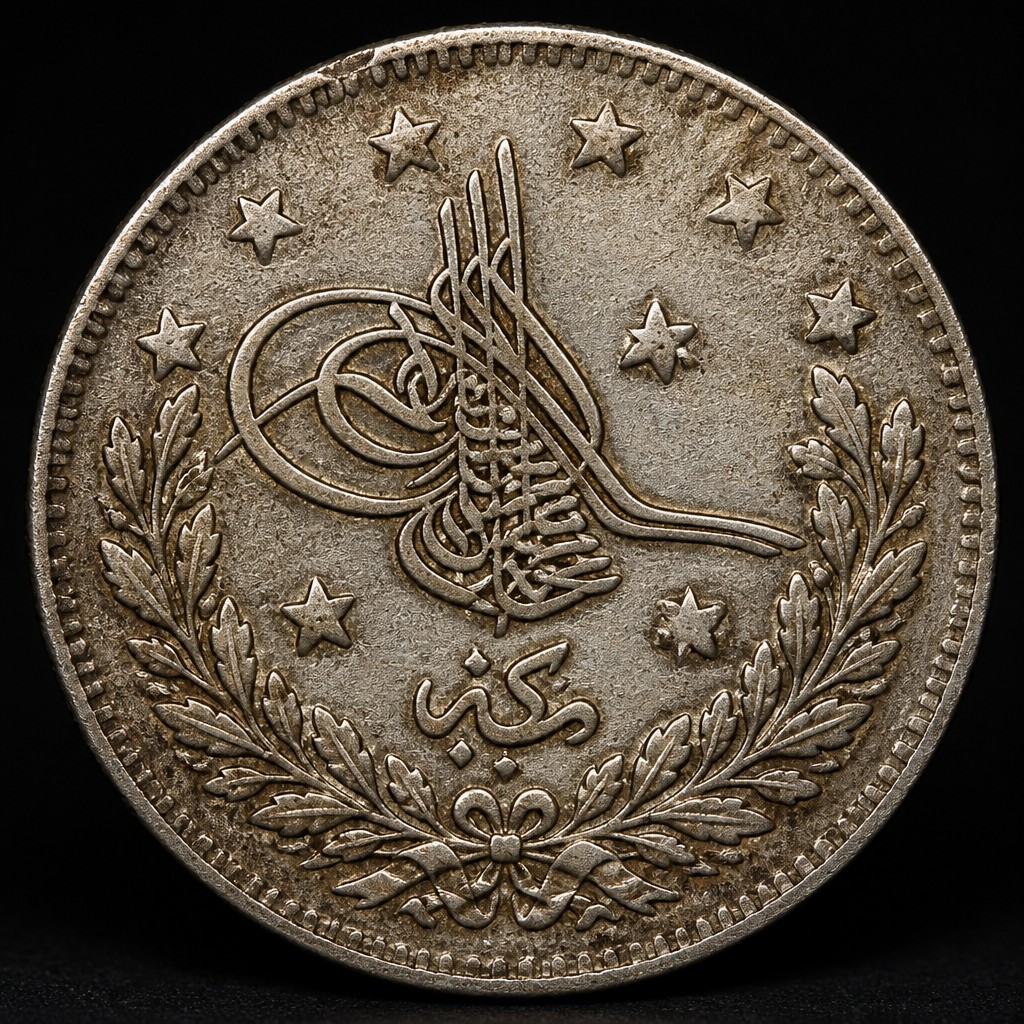
What Is the Ottoman Para?
The para was a small fractional denomination of the Ottoman monetary system, worth a small fraction of a kurus (piastre), struck over a long span of Ottoman history in various metals as the empire's smallest everyday coinage. It functioned much like a modern-day cent or centime, used for small daily purchases rather than significant transactions, and was struck under many different sultans without dramatic changes to its basic format.
Obverse Design
Like other Ottoman coins, the para's obverse is dominated by the sultan's tughra, his elaborate personal calligraphic monogram, without any figural portrait.
Reverse Design
The reverse carries the mint name in Arabic script, the denomination, and the standard Ottoman dual-dating format of accession year plus regnal year. Because the coin is so small, this text is often tightly compressed, so a loupe or magnifier helps when trying to read the fine mint and date details clearly.
Size, Weight, and Metal
The para is notably small and light compared to the kurus and larger Ottoman denominations, and was struck at various times in copper, billon (a low-grade silver alloy), or other base metals depending on the period, reflecting its role as small change rather than a store-of-value coin. Because the metal composition shifted over the centuries, comparing color and heft against a reference example of the same approximate date range is more reliable than assuming a single fixed standard.
Mint Marks
The mint name is spelled out in Arabic script on the coin itself rather than abbreviated into a separate mint-mark letter, so reading the inscription, even if only partially legible, helps confirm where the coin was struck.
Telling It Apart from Similar Coins
Because the para is one of the smallest Ottoman denominations, its size alone is a strong first clue; confirm by checking the denomination wording on the reverse, and compare the tughra's calligraphic style to identify which sultan's reign the coin belongs to. Larger, similarly worn Ottoman coins are sometimes mistaken for paras once heavily circulated, so weighing the coin alongside a size comparison is a more reliable method than judging by eye alone.
Condition and Grading at a Glance
Given their small size and base-metal composition, paras often show significant wear from long circulation. Look for any remaining legible portion of the tughra or mint inscription, since fully worn examples may show little more than a smooth disc with faint traces of design. A coin that still shows a readable date or partial mint name is considered notably better preserved than the many surviving examples worn nearly smooth.
Authenticity Red Flags
Because paras carry low intrinsic value, they are less frequently counterfeited than gold Ottoman coins, but reproductions for souvenir sets do exist. Compare the tughra's calligraphy and overall diameter against genuine reference examples, and be wary of coins that appear artificially aged or use a metal color inconsistent with known issues.
Frequently asked questions
How much was a para worth?
It was a small fractional denomination worth a portion of a kurus (piastre), used as everyday small change in the Ottoman Empire.
What metal are paras usually made of?
Depending on the period, they were struck in copper, billon (a low-grade silver alloy), or other base metals.
Why don't paras show a sultan's portrait?
Ottoman coinage generally used the sultan's calligraphic tughra rather than a figural portrait, in keeping with Islamic artistic tradition.
How worn are typical surviving paras?
Because they circulated heavily as small change and were made from base metals, many surviving examples show significant wear.