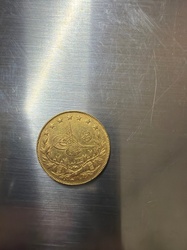
How to Identify the Ottoman Gold 500 Kurus (Abdulhamid II)
A substantial gold coin struck during the long reign of Sultan Abdulhamid II, equal to five Ottoman lira and identifiable by his tughra, mint name, and large size.
Read the full Ottoman Gold 500 Kurus (Abdulhamid II) encyclopedia entry →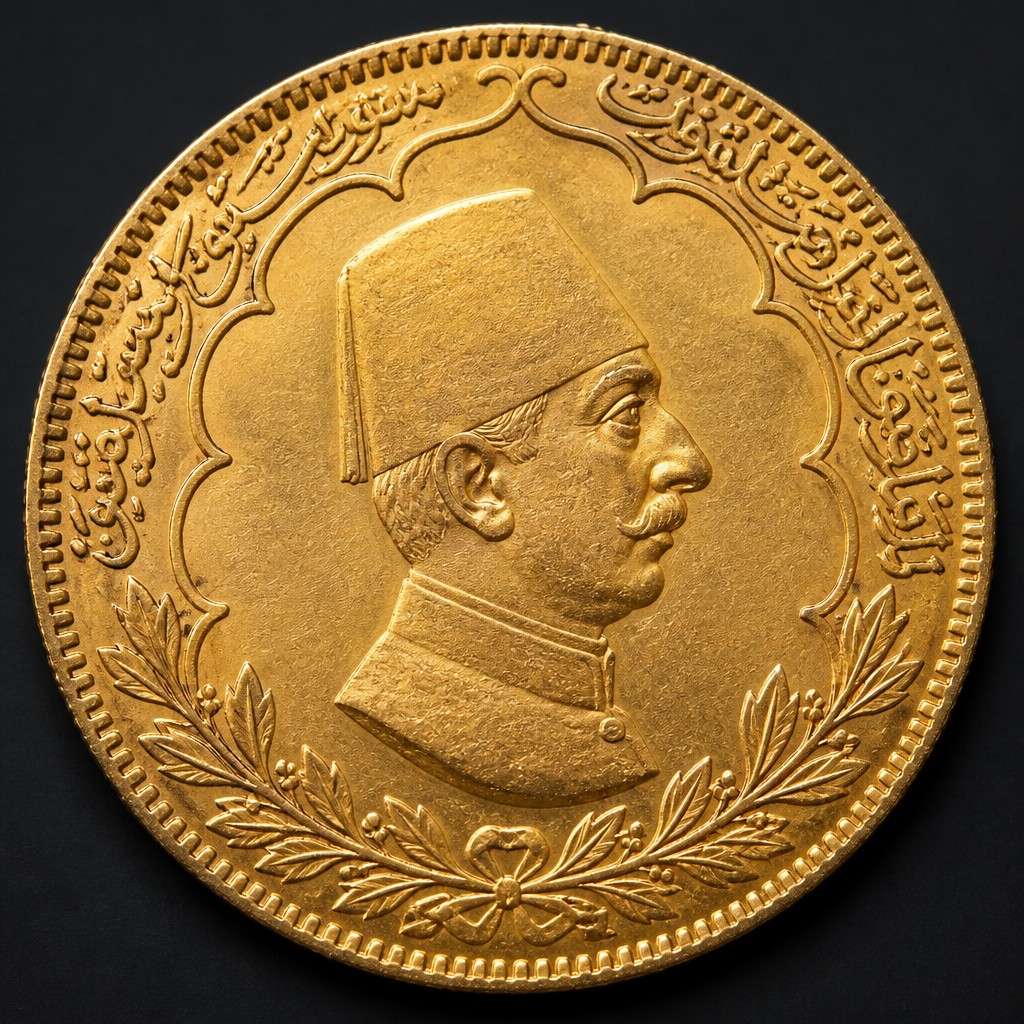
What Is the Gold 500 Kurus?
Struck during the reign of Sultan Abdulhamid II (1876-1909), the 500 kurus was a high-value gold coin equal to five Ottoman lira under the empire's post-1844 monetary reform, in which 100 kurus equaled one lira. Its substantial gold content made it one of the larger denominations in circulation. Abdulhamid II's long, roughly three-decade reign means his coinage spans many individual regnal years, so collectors often compile a full date run of his gold issues across the smaller and larger denominations alike.
Obverse Design
As with other Ottoman coinage, the obverse features Sultan Abdulhamid II's ornate tughra, his personal calligraphic cipher, rather than a portrait, rendered in fine, flowing Arabic script.
Reverse Design
The reverse carries the mint name (most commonly Constantinople, written in Arabic script), the denomination, and the standard Ottoman dual-dating system: the sultan's accession year plus a regnal year showing how far into his reign the coin was struck.
Size, Weight, and Metal
This is a large gold coin for the series, struck at a high fineness (commonly around .916, or 22 karat), with a substantial weight and a diameter noticeably larger than smaller-denomination Ottoman gold pieces, reflecting its status as a 5-lira equivalent.
Mint Marks
The mint name appears spelled out in Arabic script on the reverse rather than as an abbreviated mint letter; Constantinople was the primary mint for gold coinage of this scale, though checking the exact wording confirms the striking location.
Telling It Apart from Similar Coins
Compare the coin's size and weight against smaller Ottoman gold denominations (such as 25, 50, or 100 kurus pieces) from the same reign — the 500 kurus is noticeably larger and heavier — and confirm the tughra matches Abdulhamid II's distinct calligraphic style rather than that of an earlier or later sultan.
Condition and Grading at a Glance
Examine the fine strokes of the tughra and the mint-name inscription for sharpness. Because this is a large, high-value gold coin, well-preserved examples often show minimal wear since they were more likely to be saved or hoarded rather than heavily circulated. Look also at the rim and edge for any signs of past mounting or jewelry use, since larger Ottoman gold coins were sometimes set into pendants or ornaments, which can leave solder marks or edge damage that affects both appearance and originality.
Authenticity Red Flags
Given its high gold value, this denomination is a common counterfeiting target. Verify weight and diameter precisely against known genuine specifications, inspect the edge for consistent reeding or lettering, and examine the tughra's calligraphy closely, since poorly made fakes often render the flowing script stiffly or with uneven strokes.
Frequently asked questions
How much was the 500 kurus worth in Ottoman currency?
It was equal to five Ottoman lira, since the post-1844 reform set 100 kurus equal to one lira.
What identifies this as an Abdulhamid II coin specifically?
The tughra's calligraphic design is unique to Abdulhamid II and differs visibly from those used by other sultans.
What is the coin's gold fineness?
Ottoman gold coinage of this type was commonly struck at around .916 fine (22 karat).
Why is this denomination a common counterfeit target?
Its large size and high gold content make it valuable, so verifying weight, diameter, and edge details against genuine specifications is important.
Ottoman Gold 500 Kurus (Abdulhamid II) identified by the community
Recent Ottoman Gold 500 Kurus (Abdulhamid II) coins identified with Coin Identifier.