
How to Identify the Niue Silver Owl (Athenian)
A guide to Niue's Athenian-style Owl silver coin, covering its ancient tetradrachm-inspired design, obverse and reverse layout, and authenticity checks.
Read the full Niue Silver Owl (Athenian) encyclopedia entry →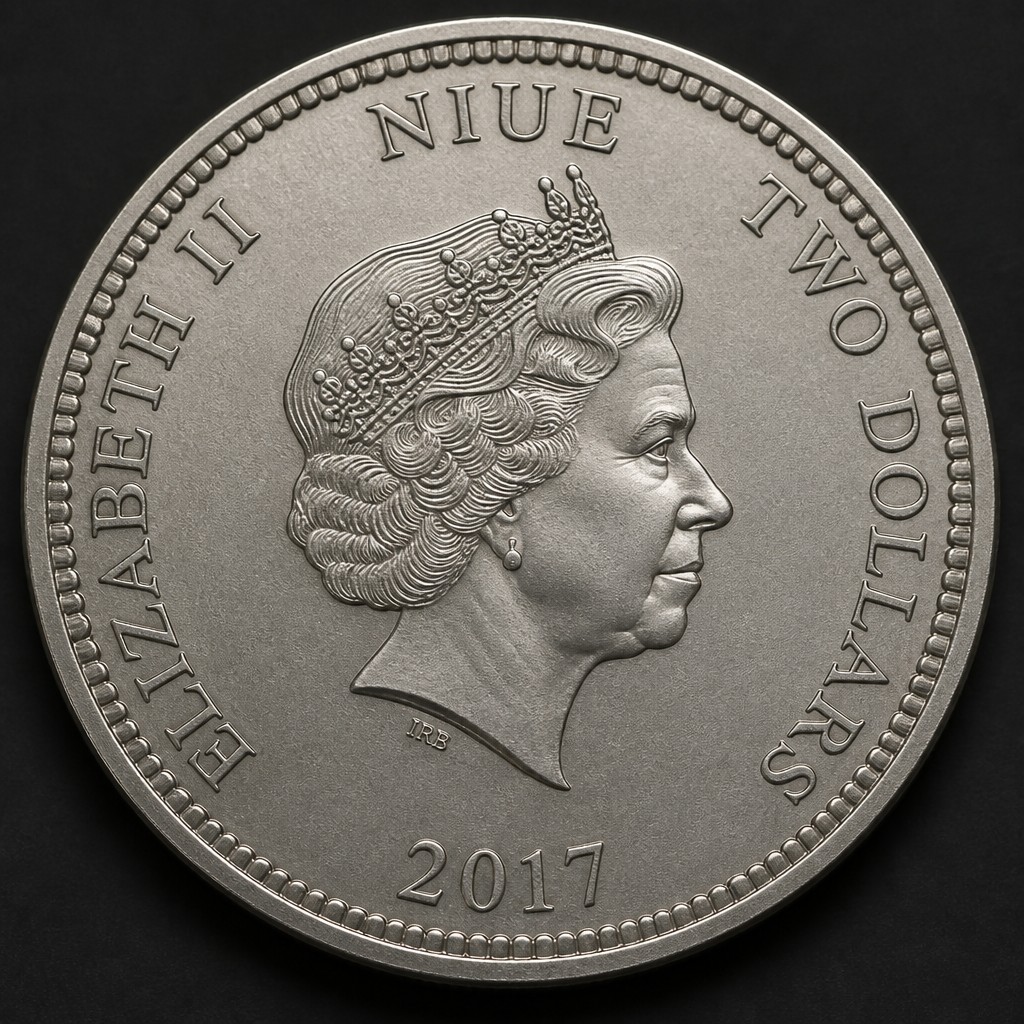
What This Coin Is
The Niue Silver Owl, often called the Athenian Owl reissue, is a modern bullion coin issued as legal tender of Niue that recreates the design of the ancient Athenian silver tetradrachm, one of the most recognized coin types from classical antiquity. It appeals both to bullion buyers and to collectors interested in ancient numismatic themes rendered in a modern coin.
Obverse Design
The obverse reproduces the classical image of the goddess Athena in profile, wearing a crested helmet, closely following the stylistic conventions of the original ancient Athenian coinage rather than depicting a modern monarch or national emblem.
Reverse Design
The reverse features an owl, Athena's sacred bird and a symbol of ancient Athens, standing beside an olive sprig and crescent moon, with archaic-style Greek lettering reading roughly "ATHE" in the field, mirroring the ancient original. Modern additions typically include the Niue country name, denomination, year, and fineness statement worked into the design's border or a modernized inscription area.
Size, Weight, and Metal
Standard issues are one troy ounce of .999 fine silver, with a diameter and edge treatment typical of modern bullion coins, generally around 38.6mm. Because the design intentionally emulates an ancient coin's irregular, hand-struck appearance, some details may look deliberately less uniform than typical modern bullion art.
Mint Marks and Inscriptions
Look for the modern fineness and weight inscription, along with "NIUE" and the legal tender denomination, usually in New Zealand dollars, since Niue uses NZD-denominated coinage. These modern elements are the clearest way to distinguish the coin from an actual ancient tetradrachm.
Telling It Apart From Similar Coins
Because the design is a deliberate homage to the ancient Athenian owl tetradrachm, it can superficially resemble genuine ancient coins to a novice, but the presence of a modern date, "NIUE" country name, and fineness stamp immediately confirms it as a contemporary bullion issue rather than an ancient artifact. Collectors should also distinguish it from other modern owl-themed reissues by different mints, which may use slightly different modern inscriptions or finishes.
Judging Condition at a Glance
Well-struck examples show crisp detail in Athena's helmet crest and the owl's feathers, with a bright, even silver luster typical of bullion strikes. Because the design intentionally includes some archaic-style irregularity, distinguishing genuine wear from intentional design roughness requires comparing against reference images of the specific issue.
Authenticity Red Flags
Verify weight and diameter against the one-ounce .999 fine silver standard, since counterfeit silver rounds sometimes mimic popular ancient-inspired designs. Confirm that modern inscriptions such as "NIUE," the date, and the fineness stamp are present and correctly formed, since a coin lacking these modern markings while claiming to be a genuine ancient tetradrachm would be a separate and more serious authenticity concern outside the scope of this modern bullion issue.
Frequently asked questions
What ancient coin inspired this design?
It recreates the design of the ancient Athenian silver tetradrachm, featuring Athena on the obverse and her sacred owl on the reverse.
Is this an ancient coin or a modern issue?
It is a modern bullion coin, identifiable by its modern date, Niue country name, and fineness stamp added to the classical design.
What silver purity and weight does it use?
Standard issues are one troy ounce of .999 fine silver.
What denomination currency does Niue use?
Niue coins are typically denominated in New Zealand dollars, reflecting its historical monetary ties to New Zealand.
How can I be sure it's not an actual ancient coin?
Check for a modern date, the word NIUE, and a fineness stamp, all of which are absent from genuine ancient Athenian tetradrachms.