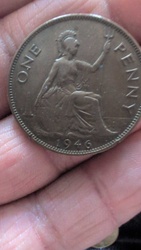
How to Identify the New Zealand Penny (KGVI)
Struck under King George VI starting in the early 1940s, the New Zealand penny features a Maori carved tiki figure on its reverse, part of the country's distinctive national pre-decimal bronze coinage.
Read the full New Zealand Penny (KGVI) encyclopedia entry →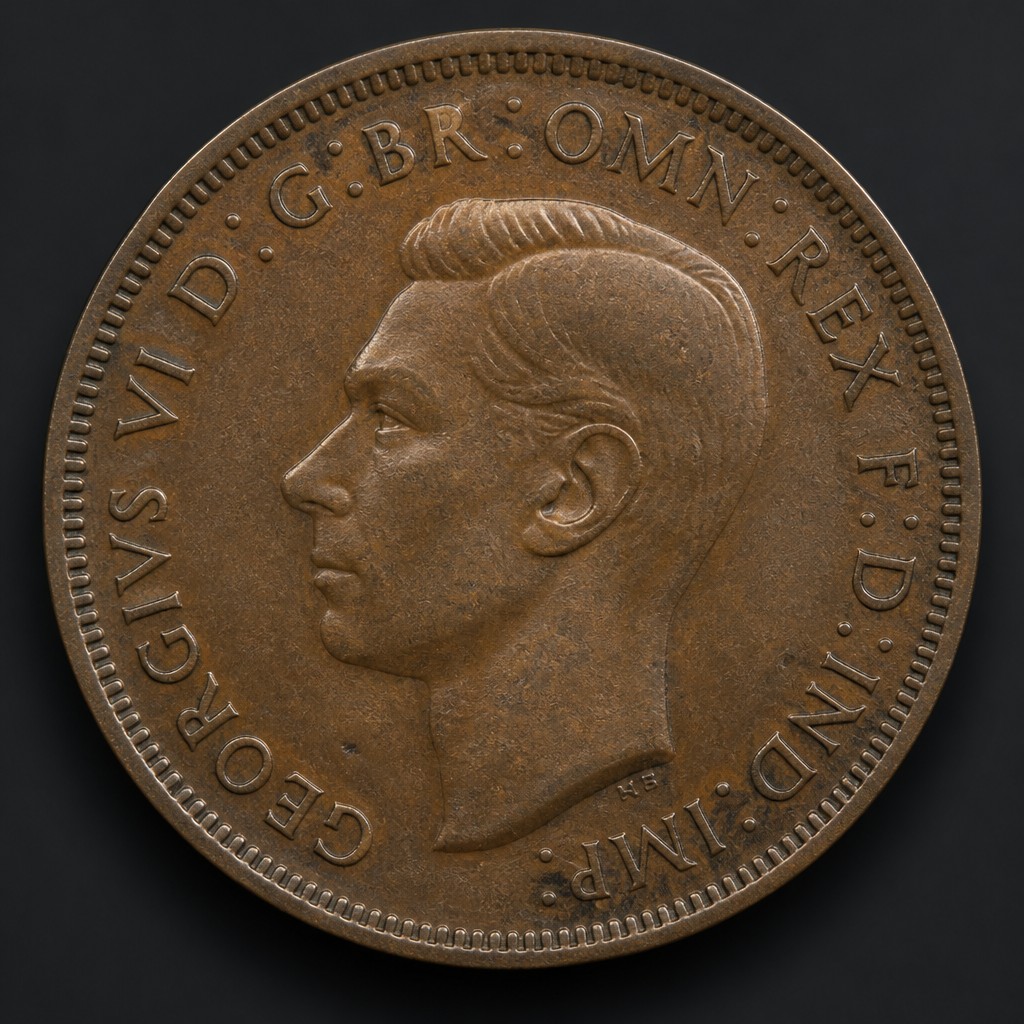
What This Coin Is
The New Zealand penny under King George VI was struck beginning in the early 1940s, joining the other denominations of New Zealand's national pre-decimal coinage that had begun in 1933. It circulated as the country's basic bronze low-denomination coin until decimalization replaced it in 1967.
Obverse Design & Inscriptions
The obverse carries the portrait of King George VI along with his name and title in Latin abbreviation and the date of issue.
Reverse Design & Inscriptions
The reverse depicts a Maori tiki, a traditional carved figure pendant, rendered in relief along with "NEW ZEALAND," "ONE PENNY," and surrounding decorative border elements distinct from the bird and fern motifs used on New Zealand's higher silver denominations.
Size, Weight, Metal & Edge
The KGVI penny is a bronze coin approximately 31 mm in diameter and around 9.4 grams in weight, consistent with the large penny format used across Commonwealth bronze coinage of the period, with a plain edge.
Mint Marks & Where to Find Them
New Zealand pre-decimal bronze coinage of this era was produced under Royal Mint and associated Commonwealth mint arrangements without a distinguishing mint-mark letter on the coin; the specific KGVI portrait and date are the key identifiers for this reign's issues.
Telling It Apart From Similar Coins
The tiki reverse design distinguishes the New Zealand penny from the British penny (Britannia reverse) and from the Australian penny (kangaroo reverse) of the same general era and denomination; always check the specific reverse motif and "NEW ZEALAND" country name to confirm origin, since bronze pennies of similar size circulated across several Commonwealth nations.
Judging Condition at a Glance
Examine the carved detail of the tiki figure and the king's portrait for wear; bronze coins show wear and environmental toning differently than silver, often developing brown or reddish patina with age, and heavily cleaned examples can appear unnaturally shiny or pink compared to naturally toned pieces.
Authenticity Red Flags
As a common circulating bronze coin, the KGVI penny is not typically a major counterfeiting target; the main concerns are coins that have been cleaned or artificially treated to look better preserved, and general environmental corrosion or verdigris that can be mistaken for damage rather than natural bronze patina. Comparing wear patterns and surface color to known genuine examples of the period helps assess condition confidently.
Frequently asked questions
What figure appears on the New Zealand penny's reverse?
A Maori tiki, a traditional carved figure, rendered in relief alongside the denomination and country name.
What metal is the coin made of?
It is a bronze coin, following the standard large-penny format used across Commonwealth bronze coinage of the period.
How do I tell it apart from a British or Australian penny?
Check the reverse design: the New Zealand penny shows a tiki figure, distinct from Britannia (British penny) or a kangaroo (Australian penny).
When was the KGVI penny in circulation?
It was struck during the reign of King George VI, beginning in the early 1940s, and circulated until decimalization in 1967 phased out the pre-decimal series.
New Zealand Penny (KGVI) identified by the community
Recent New Zealand Penny (KGVI) coins identified with Coin Identifier.